
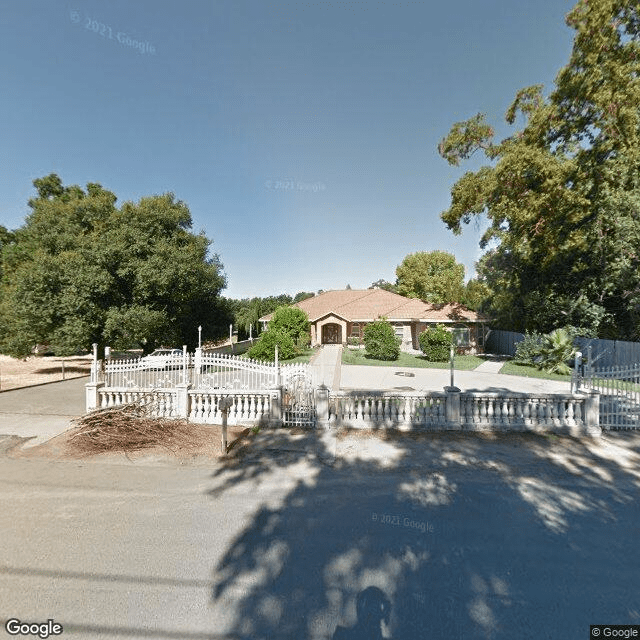
6849 Larkspur Ave., Citrus Heights, CA 95610
To contact a resident: (916) 726-5336
For more information about senior living options: (866) 208-4318
Flora's Home Care Costs & Pricing
Flora's Home Care offers competitive pricing for its services, significantly undercutting both Sacramento County and the broader California market. For semi-private rooms, Flora's charges $2,200 per month, which is notably lower than the county average of $3,106 and the state average of $3,333. The private room options at Flora's are similarly economical at $3,100, compared to Sacramento County's $3,686 and California's statewide cost of $3,939. Even for studios, which are priced at $3,300 at Flora's Home Care, there is a distinct advantage over the county's average of $3,865 and a state average of $4,145. This positioning suggests that Flora's not only provides a quality care environment but also does so at prices that offer great value to families seeking home care solutions for their loved ones.
| Floor plans | Flora's Home Care | Sacramento County | California |
|---|---|---|---|
| Semi-Private | $2,200 | $3,106 | $3,333 |
| Private | $3,100 | $3,686 | $3,939 |
| Studio | $3,300 | $3,865 | $4,145 |
Memory care communities with a similar price nearby
-
from +$300 / mo
Eastern Manor
$2,500 to $3,000 / month7.2 miles away -
from -$300 / mo
Bloomfield Hills Assisted Living
$1,900 to $2,400 / month2.3 miles away -
from +$300 / mo
A.R.C. Manor of Folsom
$2,500 to $3,500 / month4.6 miles away -
from -$400 / mo

Ciric Care Home
$1,800 to $2,800 / month12.7 miles away -
from +$300 / mo

Loomis Home Care
$2,500 to $4,000 / month10.9 miles away
Overall Review of Flora's Home Care
Pros
 Flora pampered and cared for her mother, making her feel safe and less anxious.
- Flora fills, administers, and intervenes with the doctor's office when medications have expired.
- Flora provides balanced, continuous meals throughout the day.
- The mother could have her cat stay in her room, which meant everything to her.
- The costs were clearly stated, and the owner was caring.
- The rural setting and security were just right.
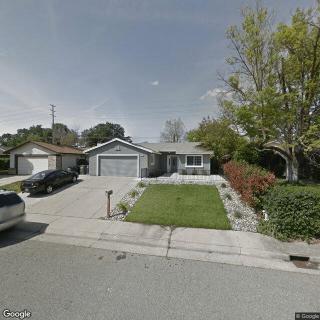
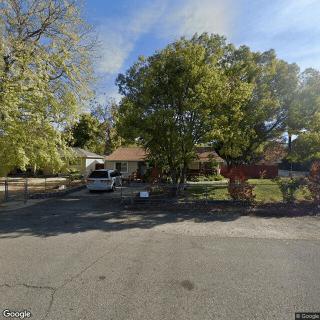
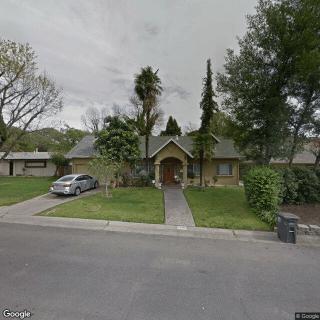
- The facility is perfect for her, with lots of chickens, ducks, geese, birds, dogs, cats, a vegetable garden, and many fruit trees.
- Meals were prepared with fresh ingredients.
- The Romanian owner caters to individual needs and cans produce.
Cons
 The reviewer was concerned about the lack of social engagement among the residents.
- The residents did not appear to be engaged and did not interact with one another.
- They were not in the common area and were not socializing.
Review
Flora’s Home Care is best suited for families seeking an intimate, home-like care setting where a hands-on owner delivers close, individualized attention. It works well for residents who are recovering from a fall or illness and who need steady medication oversight, safety supervision, and a consistent daily rhythm without the feel of a large, impersonal facility. The environment emphasizes comfort, familiarity, and emotional reassurance, with the option to keep a beloved pet nearby and meals prepared from fresh ingredients. In short, this is the choice for families prioritizing warmth, personal touch, and a low-key, nurturing atmosphere over institutional polish.
Those who may want to consider alternatives are likely the same families who place a premium on robust social programming and highly structured activity calendars. If daily life needs to feel actively communal, with frequent group engagement, scheduled outings, and programming designed to stimulate cognition and social interaction, Flora’s may fall short. Potential residents who require more intensive clinical oversight, specialized memory-care programming, or a larger, more resource-rich staff team could finding limited options for program variety and peer interaction here.
The strongest positives, careful medication management, proactive communication with doctors, and a safety-forward, pampering approach, clearly offset some of Flora’s limitations. Families report dependable administration of medications, timely interventions with the medical team when prescriptions lapse, and a caregiver who creates a calm, reassuring routine. The ability to maintain a pet in the living space and provide nourishing, continuous meals adds emotional stability and daily purpose. For a resident whose anxiety around health tasks is a concern, the hands-on oversight and daily reassurance are hard to replace and can markedly improve quality of life.
Yet the main drawback remains the apparent paucity of resident engagement. Reviews depict residents who are not consistently in common areas or actively interacting, which can translate into social isolation for individuals who crave companionship or structured social activities. That risk does not necessarily negate the care quality, but it does constrain the suitability for someone who thrives on daily stimulation, peer connections, or regular group outings. The rural, home-like setting will appeal to some, while others will miss the bustle and predictability of a traditional assisted-living program.
In balancing the scales, the key pros align with families seeking a devoted, parent- or grandparent-centered model where care feels personal and responsive. The care partner’s hands-on involvement, medication discipline, and a comforting home atmosphere compensate for a quieter social milieu by delivering security, predictable routines, and emotional reassurance. The cat-friendly, garden-rich environment and the owner’s customization of daily life further reinforce a sense of belonging that can be transformative for memory challenges or recovery. For those prioritizing independence and social activity equally, Flora’s may require supplementing with external programs or visits to keep social needs fully met.
The practical ask is clear. Prospective residents and families should assess fit against three criteria: 1) how important ongoing, personalized oversight is, including medication management and doctor coordination; 2) the value placed on a homelike environment with pet access and home-cooked meals; and 3) the priority given to social engagement and structured activities. If social programming is non-negotiable, request a detailed activity calendar, inquire about guest activity leaders, and verify whether outside services can be integrated. Confirm staffing patterns and any available turn-key supports for memory care needs. Finally, discuss a trial period or staged move-in to observe daily rhythms firsthand and ensure the caregiver’s touch aligns with expectations for emotional comfort and safety.
 Board and Care Home
 Memory Care
 Cats allowed
 Dogs allowed
 Activities off-site
 Devotional services off-site
 Indoor common areas
 Outdoor common areas
 Private
 Sacramento International (17 miles away)
 Ambulatory care
 Incontinence care
 Meals provided



 Guiding Your Journey: Understanding Power of Attorney for Elderly Parents
 22 Remarkable Caregiver Support Groups Available Online and In-Person
 Understanding Medicaid Coverage for Assisted Living: A Comprehensive Guide