Palm Assisted Living offers competitive pricing for its services, particularly when compared to San Mateo County and the broader state of California. For a semi-private room, residents can expect to pay $4,500 per month, which is notably higher than the county average of $3,830 but remains more affordable than the state's average of $3,333. When it comes to private rooms, Palm's rate stands at $6,000, which exceeds both the county's average of $4,281 and California's statewide average of $3,939. The cost for a one-bedroom unit mirrors that private room price at $6,000 monthly - a significant leap from the county's average of $5,821 and above the state's median of $4,340. While Palm Assisted Living may present higher costs in certain categories compared to local and state averages, it also reflects the quality and level of care that residents receive within this facility.
Floor plans
Palm Assisted Living
San Mateo County
California
Semi-Private
$4,500
$3,830
$3,333
Private
$6,000
$4,281
$3,939
1 Bedroom
$6,000
$5,821
$4,340
Memory care communities with a similar price nearby
Residents in memory care describe attentive support from a stable team.
Multiple reviewers describe memory care staff who adjust to changing needs and advocate for residents, with regular communication to families. Several specifically name memory care leadership and caregivers as being respectful, flexible, and focused on day-to-day care. Even where one family mentions a shift in leadership tone over time, they still say the level of care remained steady and trusted their memory care team.
common15 reviews mention this
Staff are friendly and responsive
Across reviews, families and residents describe staff who make them feel welcome and supported.
The most consistent theme is how approachable and supportive staff feel to families, with many reviewers highlighting frequent check-ins, calm communication, and help with concerns. Several praise specific team members for going “above and beyond,” coordinating needs, and serving as a point of contact for day-to-day questions. A few reviewers also mention difficulty reaching leadership or changes in staffing/positions at different times, but most comments emphasize a caring, helpful presence.
common7 reviews mention this
Dining is repeatedly praised
Dining stands out in reviews for freshness and strong day-to-day quality.
Several residents and families describe the food as excellent and fresh, and one mentions a dining experience with details like scones during a tour. Reviewers also connect meals to comfort and routine, including praise from families of residents in the memory care and Alzheimer’s floor. The community offers meals and supports special diets, aligning with how residents describe meals meeting individual needs.
common6 reviews mention this
Clean, welcoming spaces matter
Reviews frequently mention cleanliness and a welcoming atmosphere.
Many reviewers say the community is clean and well-kept, and they describe a comfortable, home-like feel when they toured or visited regularly. A few also mention upkeep and improvements as renovations move forward, which reinforces the overall impression of maintained common areas and rooms. One reviewer who was disappointed contrasts with that by discussing longer repair timelines, but most comments describe cleanliness as consistent.
caveat3 reviews mention this
Activities and transportation can vary
Some residents say structured activities and outings were not consistent.
While multiple reviewers describe fun, engaging activities and cite an activities director, at least one family reports that structured activities and transportation support declined over time. That reviewer specifically mentions missed opportunities for outings and limited time for shopping trips, tying it to staffing and management issues. Overall, reviews suggest activities are a meaningful part of life for many families, but experiences may not be uniform.
caveat2 reviews mention this
Pricing feels uneven to families
Families’ comments on pricing are mixed, with concerns about increases appearing in reviews.
Some reviewers describe pricing as competitive, including for residents in memory care, while another family highlights ongoing rent increases alongside a perception that services decreased. That same concern includes frustrations about repairs taking a long time and leadership being hard to reach. Pricing ranges for units generally sit above county and state benchmarks, which matches the tension between competitive impressions and concerns about affordability.
common3 reviews mention this
Location is convenient for errands
Reviewers often point to a practical location for shopping and nearby services.
Several reviewers mention the location as ideal or convenient, including easy access for local shopping and getting out for a walk. The area around the community also includes common daily-need stops like pharmacies and restaurants within a few miles, supporting that “close to things you need” feeling described in reviews.
How we summarize
Counts show how many written reviews mention each theme; a review can touch several themes, and only frequently mentioned themes are displayed.
Features
Housing
6 resident community capacity
Types of Care
Assisted Living
Board and Care Home
Memory Care
Amenities
Activities off-site
Activities on-site
Cable or satellite TV
Dining room
Fully furnished
Garden
Housekeeping services
Indoor common areas
Move-in coordination
Outdoor common areas
Outdoor space
Private
Respite or short term stays offered
Telephone
Wheelchair accessible showers
Wi-Fi/high-speed internet available
Transportation
San Francisco International (3 miles away)
Metropolitan Oakland International (13 miles away)
Care Services
24-hour supervision
Activities of daily living assistance
Ambulatory care
Assistance with bathing
Assistance with dressing
Assistance with transfers
Coordination with health care providers
Diabetes diet
Incontinence care
Meal preparation and service
Medication management
Special dietary restrictions
Transportation arrangement (medical)
Transportation to doctors appointments
Dining
Diabetes diet
Kosher
Meals provided
Special dietary restrictions
Vegetarian
Activities
Activities off-site
Activities on-site
Community-sponsored activities
Scheduled daily activities
Nearby Places of Interest
This part of Burlingame, California, offers a convenient and accessible location for senior living. With several hospitals and pharmacies within close proximity, residents can easily access medical care and prescriptions. The area also features a variety of dining options ranging from fast food to seafood restaurants, as well as cafes for socializing or relaxing. Nearby parks provide opportunities for outdoor recreation and leisurely strolls. Additionally, there are physicians' offices in the vicinity for ongoing healthcare needs. For entertainment, a movie theater is just a short drive away. Overall, this part of Burlingame offers a mix of amenities that cater to the needs and interests of older individuals looking for a comfortable and well-rounded community to call home.
Hospitals
Mills-Peninsula Health Services (1 miles)
A & C Convalescent Hospital (1.6 miles)
Mills-Peninsula Radiology (3.8 miles)
San Mateo Medical Center (6.2 miles)
Sequoia Hospital (10.3 miles)
Pharmacies
CVS Pharmacy (1 miles)
Walgreens (1.1 miles)
Walgreens (1.5 miles)
Walgreens (1.6 miles)
Walgreens (2.4 miles)
Walgreens (2.9 miles)
CVS Pharmacy (3.3 miles)
Transportation
Millbrae Caltrain Station (1.3 miles)
International Terminal A (2.2 miles)
SFO AirTrain Station - International Terminal A (2.3 miles)
Air France-KLM Lounge (2.3 miles)
TSA Security Checkpoint (2.3 miles)
Harvey Milk Terminal 1 (2.3 miles)
International Terminal (2.4 miles)
Restaurants
In-N-Out Burger (1.4 miles)
New England Lobster Market & Eatery (1.8 miles)
Mustards (2.5 miles)
Lark Creek Grill (2.5 miles)
Yankee Pier (2.5 miles)
McDonald's (5.4 miles)
Taco Bell (6.2 miles)
Cafes
San Francisco Giants Clubhouse (2.7 miles)
Starbucks (6.2 miles)
Parks
Washington Park (2.8 miles)
Coyote Point County Park (3.7 miles)
Central Park (4.1 miles)
Laurelwood Park (5.4 miles)
Leo J Ryan Memorial Park (6.8 miles)
Marlin Park (8.6 miles)
Highlands Park (8.9 miles)
Physicians
California Skin Institute (3.6 miles)
Bundy Opticians (3.9 miles)
Coastside Clinic (8.4 miles)
Urology: San Carlos Center: Palo Alto Medical Foundation (8.6 miles)
Palm Assisted Living offers competitive pricing for its services, particularly when compared to San Mateo County and the broader state of California. For a semi-private room, residents can expect to pay $4,500 per month, which is notably higher than the county average of $3,830 but remains more affordable than the state's average of $3,333. When it comes to private rooms, Palm's rate stands at $6,000, which exceeds both the county's average of $4,281 and California's statewide average of $3,939. The cost for a one-bedroom unit mirrors that private room price at $6,000 monthly - a significant leap from the county's average of $5,821 and above the state's median of $4,340. While Palm Assisted Living may present higher costs in certain categories compared to local and state averages, it also reflects the quality and level of care that residents receive within this facility.
Palm Assisted Living's features are specifically designed to cater to the unique needs of residents experiencing dementia or Alzheimer's disease, ensuring they receive holistic care. Assistance with dressing and bathing fosters personal dignity and comfort while addressing cognitive challenges related to self-care. Medication management ensures that residents adhere to prescribed regimens, minimizing the risk of complications from missed doses or incorrect medications. Meal preparation and service offer nutritious options tailored to individual dietary needs, encouraging proper nutrition. Transportation arrangement for medical appointments promotes continuity of care through access to necessary health services, while coordination with healthcare providers allows for a seamless integration of treatment plans. Activities of daily living assistance supports essential routines, reinforcing a sense of normalcy and independence. Assistance with transfers enhances mobility safety, reducing the likelihood of falls, complemented by 24-hour supervision that guarantees a secure environment. Incontinence care addresses an often sensitive issue with compassion and respect, allowing residents to maintain their dignity during daily life activities. Collectively, these features create an environment where residents can thrive despite the challenges posed by memory impairment.
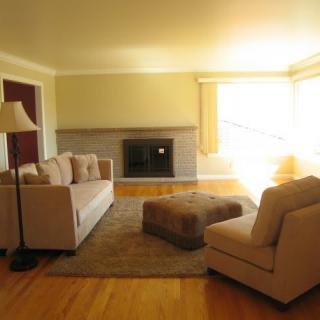
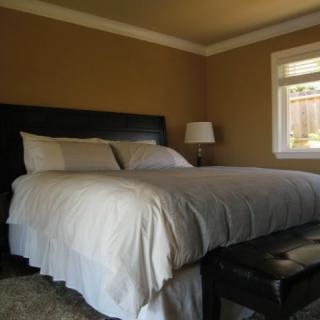
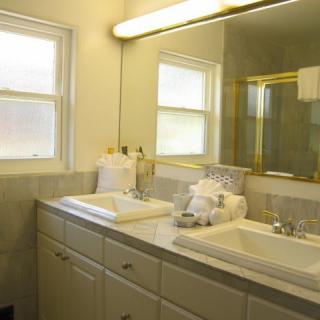
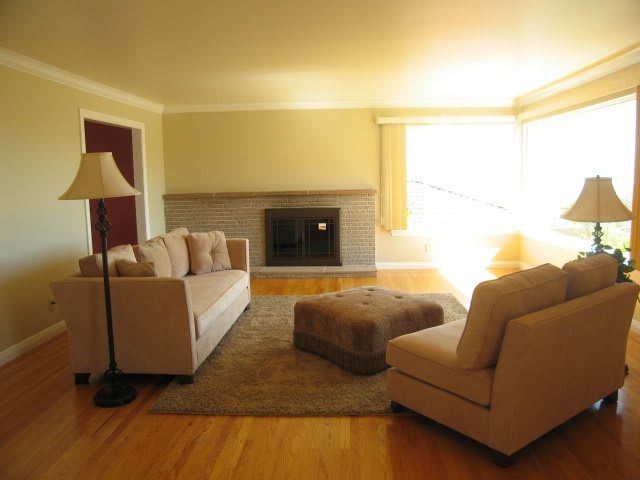
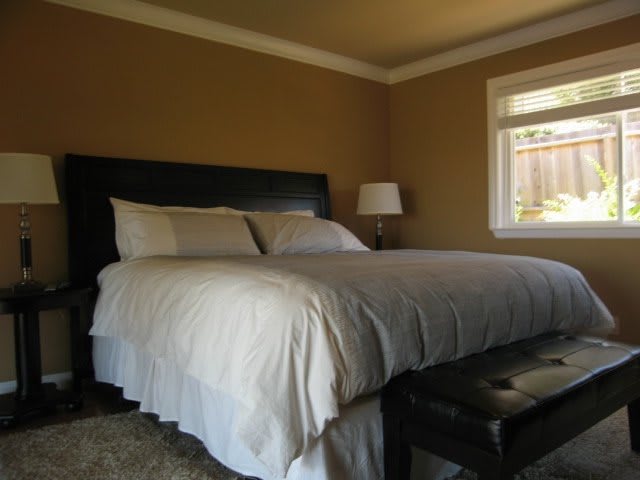
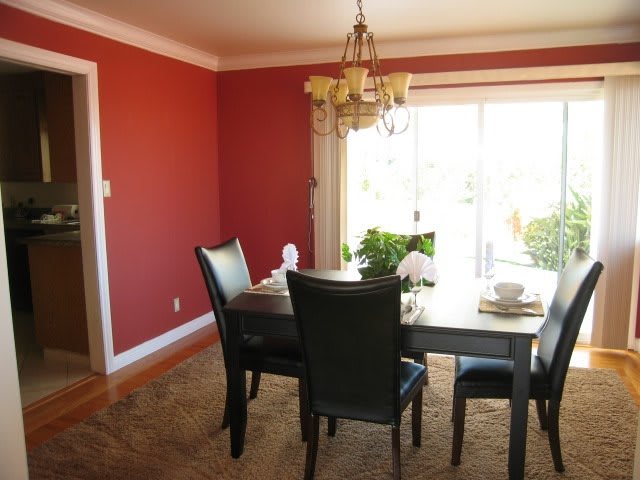
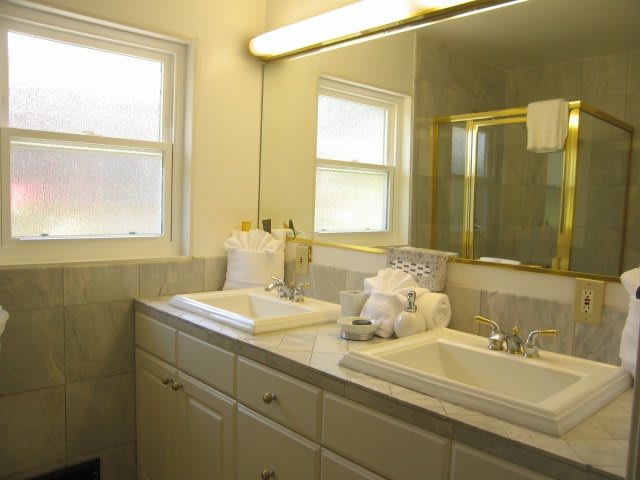
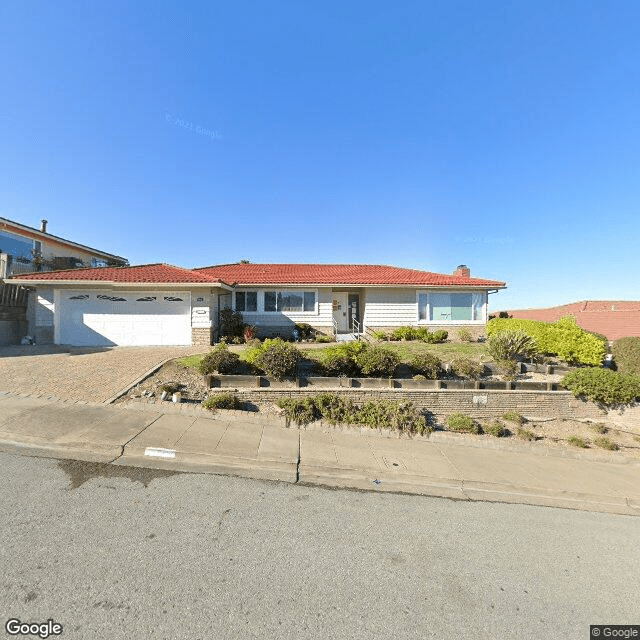
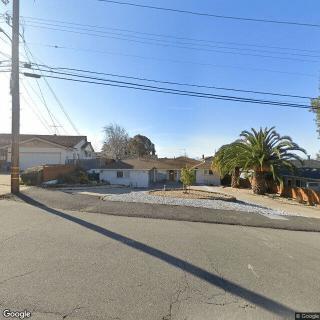
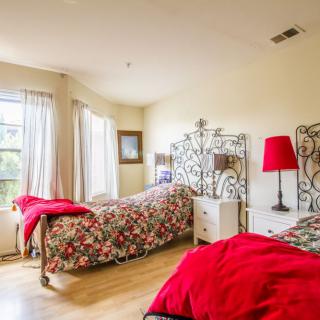
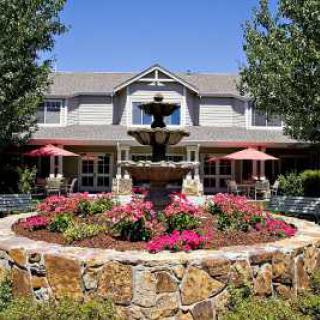
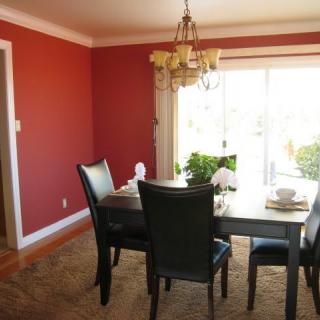
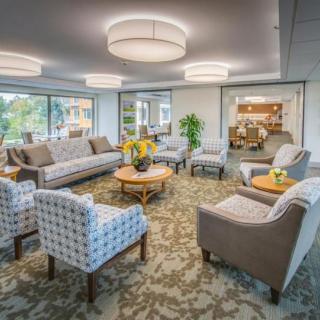
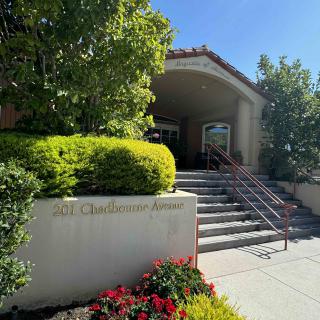
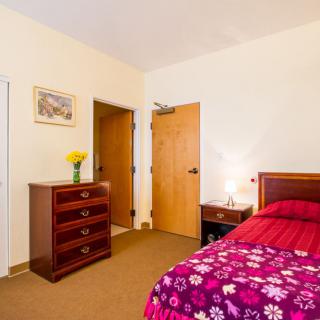
Palm Assisted Living on seniors.fyi includes 5 photos including images showing interior, windows, bedroom, living room, fireplace, rug, dining, chandelier, and more.
Nearby Communities
Burlingame Senior Care
Burlingame, CA
4 from 2 reviews
$3,700 to $4,000 / month
Friendly, knowledgeable staff with a good staff-to-resident ratio and transportation assistance.
American Heritage Senior Care
Burlingame, CA
Convenient Burlingame location with nearby dining, parks, pharmacies, transportation, and healthcare
Burlingame Senior Home 2
Burlingame, CA
Intimate, homelike setting with personalized care and comprehensive on-site amenities
Elder Care Haven
Burlingame, CA
3.6 from 73 reviews
$2,900 to $4,500 / month
Competitive semi-private pricing compared to local averages.
Millbrae Board & Care Home
Millbrae, CA
2.9 from 22 reviews
$5,500 to $7,500 / month
Warm, home-like environment with attentive staff.
JAI Residential Care Home
Millbrae, CA
2.7 from 20 reviews
$2,500 to $3,000 / month
Spacious private rooms in a welcoming home with on-site activities.
The Trousdale
Burlingame, CA
4.4 from 27 reviews
$5,125 to $8,725 / month
Beautiful, well-maintained community with attentive staff and engaging amenities.
Magnolia Of Millbrae
Millbrae, CA
4.7 from 50 reviews
Friendly, caring staff in a well-maintained, upscale community with good dining.
Burlingame Villa
Burlingame, CA
3.7 from 19 reviews
$4,395 to $5,595 / month
Caring, attentive staff in a home-like setting with a well-kept garden and engaging activities.
Dementia encompasses a range of cognitive impairments characterized by types such as Alzheimer's and vascular dementia, and follows a seven-stage progression model known as the Global Deterioration Scale (GDS), highlighting varying symptoms and decline timelines. Early detection allows for lifestyle adjustments to potentially slow progression, while caregivers need support and resources to manage the challenges involved in caring for affected individuals.
The article presents eight strategies for preserving cognitive health and memory in older adults, emphasizing a nutrient-rich diet, regular exercise, intellectually stimulating activities, adequate sleep, social connections, stress management techniques, limiting harmful substances, and regular medical checkups to mitigate age-related memory decline.
Activities of Daily Living (ADLs) are fundamental tasks vital for an individual's independence, particularly in older adults over 85, and include functions like bathing and dressing; assessing ADLs alongside Instrumental Activities of Daily Living (IADLs) helps determine the level of required assistance due to age-related health challenges. Tailored support plans, involving family and community resources, are essential for maintaining dignity and autonomy in assisted living environments.
Get PricingAsk A QuestionSchedule A TourContact Senior Advisor
By clicking submit, you agree to our Partner's Terms of Use. You
also consent to receive calls and texts, which may be autodialed, from our Partner. Your consent is not a condition to
using our Partner's service. Please visit our Partner's Privacy Policy for information about their privacy practices.

 6 resident community capacity
 Assisted Living
 Board and Care Home
 Memory Care
 Activities off-site
 Cable or satellite TV
 Dining room
 Fully furnished
 Garden
 Housekeeping services
 Indoor common areas
 Move-in coordination
 Outdoor common areas
 Private
 Respite or short term stays offered
 Telephone
 Wheelchair accessible showers
 Wi-Fi/high-speed internet available
 San Francisco International (3 miles away)
 24-hour supervision
 Ambulatory care
 Assistance with bathing
 Assistance with dressing
 Assistance with transfers
 Diabetes diet
 Incontinence care
 Meal preparation and service
 Medication management
 Special dietary restrictions
 Transportation arrangement (medical)
 Transportation to doctors appointments
 Friendly, knowledgeable staff with a good staff-to-resident ratio and transportation assistance.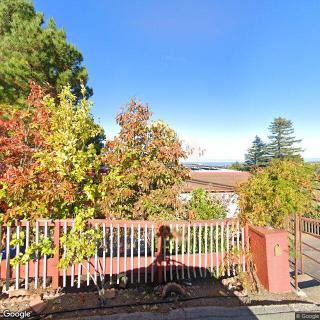

 Understanding Dementia Through Its Seven Stages: A Comprehensive Look at Progression and Expectations
 Safeguarding Your Memory Through the Golden Years: Eight Ways to Preserve Cognitive Health
 Comprehensive Insights into Activities of Daily Living (ADLs) and Their Assessment