
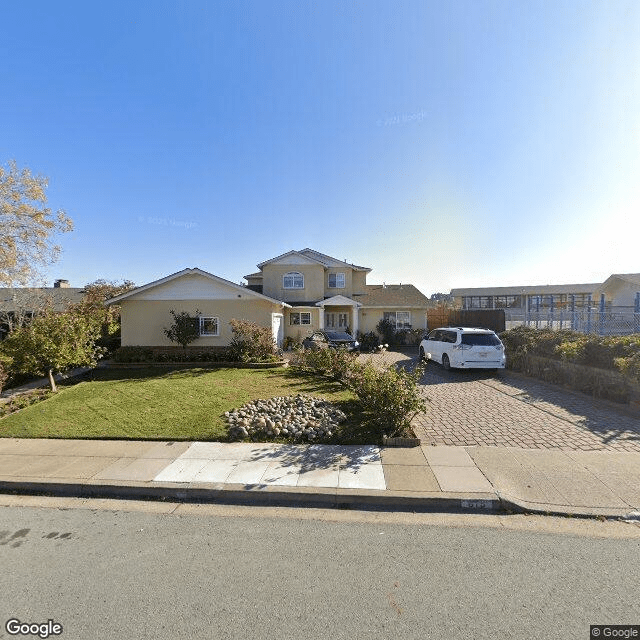
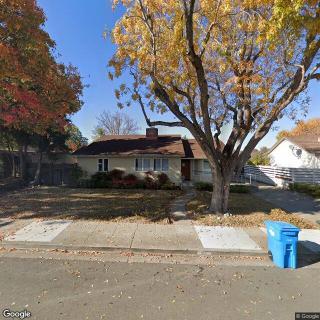
815 Murchison Drive, Millbrae, CA 94030
For more information about senior living options: (866) 208-4318
Millbrae Board & Care Home Costs & Pricing
Millbrae Board & Care Home offers pricing that reflects its unique location and the quality of care provided. For semi-private rooms, residents can expect to pay $5,500 per month, which is significantly higher than the San Mateo County average of $3,830 and California's statewide average of $3,333. The costs for private rooms are similarly elevated, with a monthly fee of $7,500 compared to $4,281 in San Mateo County and $3,939 across California. These figures suggest that while Millbrae Board & Care Home may be pricier than many alternatives in the region and state, they likely offer exceptional services and amenities that cater to residents seeking a specialized level of care.
| Floor plans | Millbrae Board & Care Home | San Mateo County | California |
|---|---|---|---|
| Semi-Private | $5,500 | $3,830 | $3,333 |
| Private | $7,500 | $4,281 | $3,939 |
Assisted Living communities with a similar price nearby
-
from -$500 / mo
Blessing Home
$5,000 to $6,000 / month19.6 miles away -
from +$300 / mo

East West Care
$5,800 / month11.9 miles away -
from -$400 / mo

Aegis of Moraga
$5,100 to $6,150 / month21.9 miles away -
from +$200 / mo

Sunrise of Burlingame
$5,700 to $9,000 / month0.3 miles away -
from -$900 / mo

The Pavilion
$4,600 / month21.1 miles away
Overall Review of Millbrae Board & Care Home
Pros
 The staff provided helpful care and daily physical therapy that helped the resident walk again.
- The stay was pleasant and the care was highly supportive given the serious injury.
- Monica Rani is intelligent, compassionate, and consistently goes out of her way to fulfill residents' requests.
- Elena's Millbrae Board & Care is a warm, wonderful place with incredible staff.
- The home is clean, bright, and always has a happy, welcoming atmosphere.
- Families report peace of mind knowing their loved ones are well taken care of by Elena and her staff.
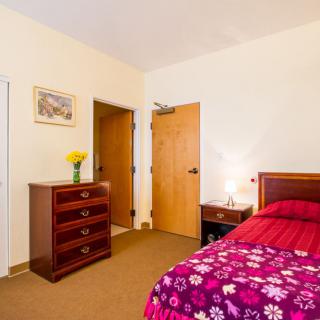
- The facility offers a homelike environment, with friendly dogs that contribute to a welcoming feel.
Cons
 It is described as one of the worst care facilities in the state, perhaps in the world, with safety issues like no bed rails, improper diets, and a call for it to be shut down immediately before someone dies.
- The place is absolutely disgusting, with sticky floors and a poop-like smell, and it should be shut down.
- The facility is criticized for neglecting patients: nurses and CNAs don’t care, patients are dehydrated, briefs aren’t changed due to staffing shortages, and showers aren’t provided; staff are overworked and breaks are lacking.
- It is the worst place, with awful nurses who don’t care about the patients and a gross facility.
- The surrounding area is noted for neglect, overworked workers without breaks, unattended patients, and mismanagement; if not addressed, a family member could die.
- It is 100% careless; people are warned not to put their family there and to find a better facility.
- The facility should be shut down; the nurses don’t care, patients are severely neglected, and staff are understaffed and overworked.
Review
Millbrae Board & Care Home is best suited for seniors who want a warm, home-like setting and can benefit from individualized attention in a small, intimate environment. When a resident can thrive on hands-on daily rehabilitation and a familiar, family-style atmosphere, this community can deliver meaningful progress and comfort, particularly if a stable, compassionate caregiving presence remains consistent. It is not the right fit for those who require constant medical oversight, stringent safety measures, and impeccably maintained facilities conducted under tight regulatory scrutiny. Families should temper expectations accordingly and weigh the balance between a nurturing vibe and the reality of variable staffing.
Explicitly, those who should seriously consider alternatives include anyone whose loved one needs reliable, round-the-clock oversight, or who places a premium on spotless cleanliness, predictable routines, and strict adherence to care plans. Several reviews describe unsafe or unsanitary conditions, inconsistent monitoring, and signs of neglect, which are red flags for residents with higher care needs or advanced mobility and cognitive challenges. If safety features such as bed rails, timely assistance with hydration, prompt personal care, and rigorous housekeeping are non-negotiable, this facility is unlikely to meet those standards. For families who cannot remain actively involved in monitoring day-to-day care, a more consistently staffed, more regulated setting may be a better choice.
The most compelling positives center on individual acts of care and the potential for a genuinely supportive staff presence. When certain nurses or aides are engaged, the care experience can feel personal and responsive, with daily rehabilitation and a nurse who goes above and beyond to meet requests. The facility’s homey touches, a warm environment, the presence of pets, and a sense of belonging described by some families, contribute to a favorable daily living atmosphere. These strengths matter, but they hinge on staffing stability and on supervisors ensuring that high performers are consistently available to all residents, not just a few cases.
Yet the downsides are frequent and weighty. Chronic understaffing translates into delays, missed cues for hydration and hygiene, and inconsistent supervision that undermines safety. Recurrent reports describe dirty or sticky environments, strong concerns about cleanliness, and alarming statements about neglect or unnecessary risk to residents. Management responsiveness appears uneven, with some accounts of admonitions that shift blame onto staff experience rather than addressing systemic gaps. The contrast between occasional compassionate care and pervasive operational shortcomings creates a transactional experience: moments of genuine help punctuated by episodes that raise serious safety concerns.
For families navigating a decision, concrete steps are essential. Schedule visits across shifts to observe daytime and evening dynamics, ask for current staff-to-resident ratios, and request transparent tour of how care plans are documented and updated. Inquire about bed safety features, staff training, and how dehydration, nutrition, and bathing are monitored and recorded. Request to speak with leadership about recent accreditation or licensing findings and obtain recent references from families with relatives similar in need. Demanding a written improvement plan with timelines can help determine whether the operation is capable of implementing real, measurable change or is spinning in a cycle of promises.
In sum, Millbrae Board & Care Home represents a high-variance option: it can feel like a home when compassion and personal attention align, but it can fall dramatically short when staffing and systems falter. This community is best approached by families who can actively supervise, advocate, and intervene, and who place a premium on a nurturing, homey environment over formalized consistency. For those requiring robust medical oversight, impeccable cleanliness, and unwavering reliability, alternatives with stronger staffing models and clearer quality controls are prudent. If choosing this setting, enter with a precise care plan, clear expectations, and a plan to reassess quickly if conditions fail to improve.
 6 resident community capacity
 Assisted Living
 Board and Care Home
 Respite Care
 Activities off-site
 Cable or satellite TV
 Dining room
 Fully furnished
 Garden
 Housekeeping services
 Indoor common areas
 Move-in coordination
 Outdoor common areas
 Private
 Telephone
 Wheelchair accessible showers
 Wi-Fi/high-speed internet available
 San Francisco International (2 miles away)
 24-hour supervision
 Ambulatory care
 Assistance with bathing
 Assistance with dressing
 Assistance with transfers
 Diabetes diet
 Diabetic care
 High acuity care
 Incontinence care
 Meal preparation and service
 Medication management
 Special dietary restrictions
 Transportation arrangement (medical)
 Transportation to doctors appointments
 BBQs or picnics
 Birthday parties
 Day trips and outings
 Live dance or theater performances
 Live musical performances



 Securing Financial Support for Assisted Living: A Comprehensive Overview
 Social Security Benefits and Assisted Living: Navigating Options Across the U.S.
 An Extensive Exploration of the VA Aid and Attendance Benefit