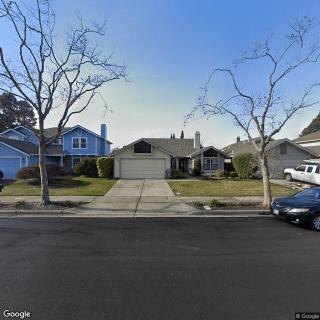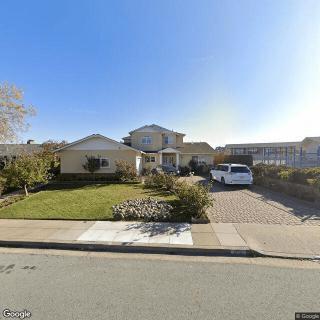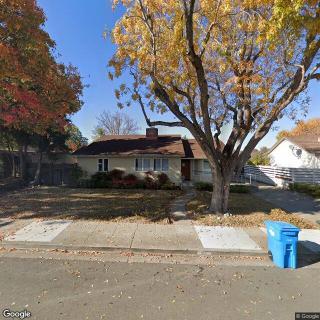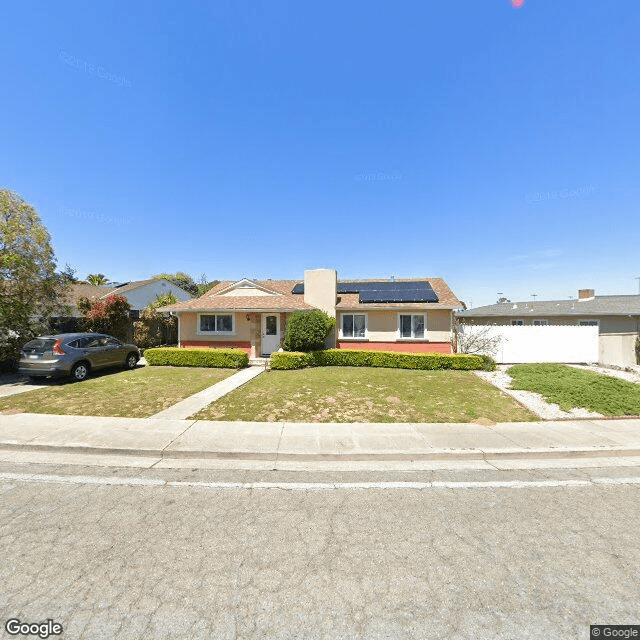
Advent Residential Home II in Millbrae, CA

Save
Advent Residential Home II

Advent Residential Home II in Millbrae, CA

808 Hawthorne Way, Millbrae, CA 94030

For more information about senior living options: (844) 490-3973

5 from 1 review
Assisted Living Board and Care Home Memory Care

Advent Residential Home II Costs & Pricing

Advent Residential Home II offers competitive pricing for assisted living accommodations, particularly when compared to the broader market in San Mateo County and across California. For semi-private rooms, Advent's cost of $3,300 is notably lower than the county average of $3,830 and just slightly less than the statewide average of $3,333. Private room rates at Advent are priced at $4,500, which while higher than the county's average of $4,281, still falls below the average rate seen throughout California at $3,939. When it comes to studio apartments, Advent's rate of $6,500 stands above both the county and state averages of $5,178 and $4,145 respectively. Overall, Advent Residential Home II presents a range of options that reflect a commitment to affordability within its local context while ensuring quality care for its residents.

Floor plansAdvent Residential Home IISan Mateo CountyCalifornia
Semi-Private$3,300$3,830$3,333
Private$4,500$4,281$3,939
Studio$6,500$5,178$4,145

What level of care are you interested in?

Assisted Living

Memory Care

Independent Living

Skilled Nursing Facility

Continuing Care Retirement Community (CCRC)CCRC

Other


Request a tour at Advent Residential Home II

    Overall Review of Advent Residential Home II

    Pros

    • pro They are very happy with this service.
    • pro They appreciated that the agency could send someone who is very helpful and caring.
    • pro The caretaker arrives on time and assists with their mom's needs.
    • pro They would recommend this service and the care they have received.

    Review

    Advent Residential Home II in Millbrae is best suited for families seeking a small, intimate care setting where a single caregiver can deliver consistent, hands-on support. The strongest signal from the available experience is a personal, one-on-one connection: a caregiver who is described as very helpful and caring, arriving on time, and effectively addressing a loved one's daily needs. This points to a setting where the emphasis is on reliable presence, direct communication, and attention to routine tasks that sustain independence at home. For seniors who thrive on predictable schedules, a warm, home-like atmosphere, and a caregiver who becomes a trusted daily ally, Advent Residential Home II appears to align well with those expectations.

    This community is less clearly suited for families seeking broad programming, extensive medical oversight, or a large team of staff with shift coverage. The visible data come from a single, highly favorable review, which offers little to gauge the breadth of services, staff depth, or long-term consistency. Families that prioritize a richer array of activities, specialized memory care, or robust on-site medical management should consider alternatives or request more information before committing. The lack of multiple viewpoints makes it prudent to explore other options to confirm that the model suits evolving needs over time.

    The key positives center on the caregiver's character and reliability. A caregiver who arrives on time, provides compassionate, attentive help, and meets a loved one's day-to-day needs translates into tangible peace of mind for families. When daily tasks - grooming, mobility support, reminders, and comforting interaction - are handled with warmth and punctuality, stress around care logistics diminishes markedly. In practical terms, these strengths can translate into fewer emergency calls, smoother routines, and a more dignified daily life for a resident who values steady, respectful companionship as well as practical assistance.

    Those same strengths also illuminate the main con of the current information landscape: a single positive data point cannot establish a durable pattern. The absence of detail about other caregivers, scheduling consistency, back?up coverage, or variation in service across times of high demand leaves questions that matter in decision-making. The pros - timeliness, genuine care, and task-focused support - do offset some risk by signaling a high-quality, person-focused approach; however, without broader data, it is difficult to project how the experience would hold up across weeks, holidays, or periods of caregiver turnover.

    For families moving this from consideration to action, use a practical checklist to fill the gaps. Arrange a in-person visit to observe a typical day and meet the caregiver(s) who would be assigned, if possible. Ask about caregiver-to-resident ratios, back-up staffing, and the process for replacing a caregiver if needed. Request a transparent breakdown of costs, what is included, and how changes in care intensity affect pricing. Confirm licensing, state compliance, and any affiliated medical support or emergency protocols. Finally, solicit references from other families who have used Advent Residential Home II for similar needs, and compare with a few other small, home-like options to ensure the fit remains consistent as care requirements evolve.

    In sum, Advent Residential Home II represents a compelling option for families prioritizing dependable, empathetic, one-on-one care delivered in a small, home-like setting. The experience highlighted in the positive review demonstrates what can be achieved when a caregiver brings warmth, reliability, and practical help to a loved one's daily life. That said, the decision should be tempered by the realities of limited testimonial breadth. If a broader services menu, consistent multi-staff coverage, or a track record across many residents is essential, alternatives deserve serious consideration. For the right family, this community can be a strong, timely match; for others, it may be the first step toward a more expansive solution.

    Features

    Housing

    • 7 resident community capacity 7 resident community capacity

    Types of Care

    • Assisted Living Assisted LivingAssisted living facilities provide crucial support and care for seniors who may need help with daily tasks such as medication management, bathing, and meal preparation. These communities offer a safe and comfortable environment where seniors can maintain their independence while receiving the assistance they need to thrive in their golden years.
    • Board and Care Home Board and Care HomeBoard and care homes provide a smaller, more intimate setting for seniors who require assistance with daily tasks but do not need the level of care offered by a nursing home. They offer personalized care, meals, and social activities in a homelike environment, ensuring that seniors receive individualized attention and support in their golden years.
    • Memory Care Memory CareMemory care is crucial for seniors as it provides specialized support and services for individuals with dementia or Alzheimer's disease. These programs offer a safe and secure environment where residents receive personalized care, cognitive stimulation, and help with daily activities. Memory care helps seniors maintain their independence, quality of life, and dignity while also providing peace of mind for their families.

    Amenities

    • Bath tubs Bath tubsBath tubs are important for seniors because they provide a safe and relaxing way to bathe, helping to prevent slips and falls while promoting independence and overall well-being.
    • Cable or satellite TV Cable or satellite TVCable or satellite TV is important for seniors because it provides entertainment, news, and companionship, helping to combat loneliness and boredom. It also offers a wide range of programming options tailored to different interests and preferences.
    • Dining room Dining roomDining rooms are important for seniors as they provide a space for socialization, connection, and nutritious meals. They offer opportunities for residents to bond over shared meals, foster a sense of community, and promote healthy eating habits. Dining rooms also ensure that seniors have access to well-balanced meals tailored to their dietary needs and preferences.
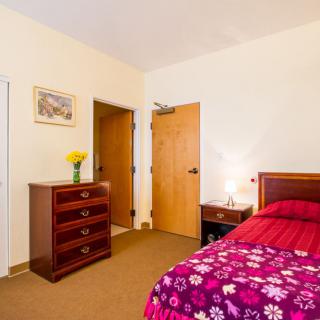
    • Fully furnished Fully furnishedFully furnished senior living communities are important for seniors because they provide convenience, comfort, and a hassle-free moving experience. Seniors can easily settle into their new living space without the stress of having to buy and move furniture. This allows them to focus on enjoying their new home and community.
    • Garden GardenGardens are important for seniors as they provide a peaceful and therapeutic environment for relaxation, physical activity, and socialization. Being in nature has been shown to reduce stress, improve mood, and promote overall well-being. Gardens also offer opportunities for seniors to engage in gardening activities, which can improve mobility, flexibility, and cognitive function. Additionally, gardens create a sense of community and connection with others who share a passion for plants and outdoor spaces.
    • Housekeeping services Housekeeping servicesHousekeeping services are important for seniors because they help maintain a clean and safe living environment, promote independence, and reduce the risk of accidents or illnesses. Additionally, having assistance with household chores can alleviate physical strain and allow seniors to focus on other aspects of their well-being.
    • Move-in coordination Move-in coordinationMove-in coordination is important for seniors because it helps ease the transition into their new living environment. It ensures that all logistics, such as packing, organizing movers, and setting up utilities are taken care of, allowing seniors to focus on settling in and adjusting to their new home. Having a smooth move-in process can alleviate stress and anxiety, making the transition smoother and more enjoyable for seniors.
    • Outdoor space Outdoor spaceOutdoor spaces are important for seniors as they provide opportunities for physical activity, social interaction, exposure to natural light and fresh air, and a sense of connection to nature. Having access to outdoor spaces can improve overall well-being and quality of life for older adults living in senior communities.
    • Private PrivatePrivacy is important for seniors as it allows them to maintain their independence, dignity, and sense of control over their own lives. It also gives them the space and freedom to relax, reflect, and engage in activities that bring them joy and fulfillment. Creating private spaces within senior living facilities is crucial for promoting overall well-being and quality of life.
    • Telephone TelephoneTelephones are important for seniors as they provide a lifeline for communication with loved ones, emergency services, and healthcare providers. They offer a sense of security and independence, enabling seniors to stay connected and access assistance when needed.
    • Wheelchair accessible showers Wheelchair accessible showersWheelchair accessible showers are crucial for seniors as they provide a safe and independent bathing option for those with mobility challenges. These showers help prevent falls and allow seniors to maintain their dignity and autonomy while ensuring they can bathe comfortably.
    • Wi-Fi/high-speed internet available Wi-Fi/high-speed internet availableWi-Fi/high-speed internet is important for seniors to stay connected with loved ones, access online resources, and participate in virtual activities to combat feelings of loneliness and isolation. It also allows them to easily manage healthcare needs, access entertainment, and engage in lifelong learning opportunities.

    Transportation

    • San Francisco International (2 miles away) San Francisco International (2 miles away)
    • Metropolitan Oakland International (13 miles away) Metropolitan Oakland International (13 miles away)

    Care Services

    • 24-hour supervision 24-hour supervision24-hour supervision is important for seniors to ensure their safety, well-being, and access to immediate assistance in case of emergencies or health issues. This constant support provides peace of mind for both seniors and their loved ones, allowing them to age in place with dignity and security.
    • Activities of daily living assistance Activities of daily living assistanceActivities of daily living assistance are important for seniors because they provide essential support with tasks such as eating, bathing, dressing, and mobility. This assistance helps seniors maintain their independence, dignity, and overall quality of life as they age.
    • Assistance with bathing Assistance with bathingAssistance with bathing is crucial for seniors as it helps maintain personal hygiene, prevents infections, and ensures their overall well-being and comfort. It also provides a sense of dignity and independence for seniors who may struggle with this task on their own.
    • Assistance with dressing Assistance with dressingAssistance with dressing is important for seniors because it helps maintain their independence, promotes personal hygiene, prevents accidents and injuries, and improves overall quality of life. This service ensures that seniors can continue to dress comfortably and confidently, despite any physical limitations they may have.
    • Assistance with transfers Assistance with transfersAssistance with transfers is crucial for seniors as it helps prevent falls and injuries, maintains their independence, and ensures they can safely navigate their living environment. It also provides peace of mind for both seniors and their loved ones.
    • Coordination with health care providers Coordination with health care providersCoordination with health care providers is crucial for seniors to ensure proper medical care, medication management, and overall well-being. This collaboration helps prevent overlapping treatments, track progress more effectively, and provide comprehensive support tailored to individual needs.
    • Diabetes diet Diabetes dietA diabetes diet is crucial for seniors as it helps manage blood sugar levels, reduce risks of complications, and improve overall health and well-being. By following a balanced and nutritious diet tailored to their specific needs, seniors can better control their diabetes and enhance their quality of life.
    • High acuity care High acuity careHigh acuity care is important for seniors because it provides specialized medical attention and support for individuals with complex medical needs. This level of care ensures that seniors receive the appropriate treatment and assistance to maintain their health and quality of life as they age.
    • Incontinence care Incontinence careIncontinence care is essential for seniors to maintain their dignity, hygiene, and overall quality of life. By addressing incontinence issues promptly and effectively, seniors can enjoy a sense of independence and comfort in their daily activities.
    • Meal preparation and service Meal preparation and serviceMeal preparation and service are crucial for seniors as they may have limited mobility or energy to cook nutritious meals. Having access to healthy and convenient food options can ensure they are getting the proper nutrition needed to maintain their overall health and well-being.
    • Medication management Medication managementMedication management is crucial for seniors to ensure they are taking the right medications at the correct dosages and times. This helps prevent adverse drug interactions, reduces the risk of medication errors, and promotes overall health and well-being. Proactive management also allows for adjustments as needed based on changing health conditions or new prescriptions.
    • Special dietary restrictions Special dietary restrictionsSpecial dietary restrictions are important for seniors because age-related changes in metabolism and health conditions can make it difficult for their bodies to process certain foods. By following a diet tailored to their specific needs, seniors can maintain their overall health and well-being, manage chronic conditions, and reduce the risk of complications such as malnutrition or food interactions with medications.
    • Transportation arrangement (medical) Transportation arrangement (medical)Transportation arrangements for medical purposes are essential for seniors as they may have difficulty driving themselves to appointments or accessing public transportation. Having reliable and safe transportation options ensures that seniors can receive timely medical care and maintain their health and well-being.
    • Transportation to doctors appointments Transportation to doctors appointmentsTransportation to doctors' appointments is crucial for seniors as it ensures they have access to necessary medical care and support for their health needs. Without reliable transportation, seniors may struggle to attend important appointments, leading to potential delays in treatment and health complications. Providing transportation services helps seniors maintain their overall well-being and quality of life.
    Dining

    • Diabetes diet Diabetes dietA diabetes diet is crucial for seniors as it helps manage blood sugar levels, reduce risks of complications, and improve overall health and well-being. By following a balanced and nutritious diet tailored to their specific needs, seniors can better control their diabetes and enhance their quality of life.
    • Meals provided Meals provided"Meals provided" are crucial for seniors in assisted living communities as it ensures they have access to nutritious, balanced meals without the stress of meal planning and preparation. This can help promote overall health and well-being for seniors who may have limited mobility or cognitive abilities.
    • Special dietary restrictions Special dietary restrictionsSpecial dietary restrictions are important for seniors because age-related changes in metabolism and health conditions can make it difficult for their bodies to process certain foods. By following a diet tailored to their specific needs, seniors can maintain their overall health and well-being, manage chronic conditions, and reduce the risk of complications such as malnutrition or food interactions with medications.

    Activities

    • Community-sponsored activities Community-sponsored activitiesCommunity-sponsored activities are important for seniors as they provide opportunities for social interaction, mental stimulation, and physical activity. These activities can help improve overall well-being, combat loneliness and isolation, and promote a sense of belonging and purpose among older adults.
    • Scheduled daily activities Scheduled daily activitiesScheduled daily activities are important for seniors because they provide structure, socialization, mental stimulation, and physical activity. Engaging in regular activities can improve overall well-being and quality of life for seniors living in a community setting.

    Description

    The Advent Residential Home II in Millbrae, CA is a well-equipped and comfortable assisted living community that provides both Board and Care Home and Memory Care services. The residents can enjoy a variety of amenities including cable or satellite TV, fully furnished rooms, a beautiful garden area, housekeeping services, and access to outdoor space. They can stay connected with loved ones through the availability of private telephone lines and Wi-Fi/high-speed internet.

    The dedicated staff at Advent Residential Home II provides assistance with activities of daily living such as bathing, dressing, and transfers. They also coordinate with healthcare providers to ensure that the residents receive the necessary medical attention. Special attention is given to those who require high acuity care or have specific dietary needs such as diabetes diet or special dietary restrictions.

    Residents can indulge in delicious meals prepared by the facility's skilled kitchen staff while adhering to any special dietary restrictions they may have. Scheduled daily activities keep the residents engaged and entertained throughout their stay.

    Advent Residential Home II is conveniently located near various amenities including cafes, parks, pharmacies, physicians' offices, restaurants, transportation options, and hospitals. This ensures that residents have easy access to essential services and recreational opportunities.

    Overall, Advent Residential Home II offers a caring environment where seniors receive personalized care while enjoying a range of amenities and convenience provided by its location in Millbrae, CA.

    Nearby Places of Interest

    This part of Millbrae, California, offers convenient access to essential services such as pharmacies and hospitals, with multiple options within a short distance. The transportation options are also easily accessible with the nearby Caltrain station and airport terminals. There is a variety of dining choices ranging from fast food to sit-down restaurants, catering to different preferences. The presence of cafes provides opportunities for socializing and relaxation. The proximity to parks allows for outdoor activities and leisurely walks. Additionally, there are medical facilities and physicians in the vicinity for any healthcare needs. Overall, this area provides a well-rounded environment that may be suitable for seniors looking for convenience and amenities in their living location.

    Pharmacies

    • CVS Pharmacy (0.4 miles)
    • Walgreens (0.4 miles)
    • Walgreens (0.8 miles)
    • Walgreens (1.6 miles)
    • Walgreens (2.2 miles)
    • Walgreens (2.6 miles)
    • CVS Pharmacy (3 miles)

    Hospitals

    • Mills-Peninsula Health Services (0.5 miles)
    • A & C Convalescent Hospital (0.9 miles)
    • Mills-Peninsula Radiology (4.1 miles)
    • San Mateo Medical Center (6.6 miles)

    Transportation

    • Millbrae Caltrain Station (0.6 miles)
    • International Terminal A (1.4 miles)
    • SFO AirTrain Station - International Terminal A (1.5 miles)
    • Air France-KLM Lounge (1.5 miles)
    • TSA Security Checkpoint (1.6 miles)
    • Harvey Milk Terminal 1 (1.6 miles)
    • International Terminal (1.6 miles)

    Restaurants

    • In-N-Out Burger (0.8 miles)
    • New England Lobster Market & Eatery (1.2 miles)
    • Mustards (1.7 miles)
    • Yankee Pier (1.8 miles)
    • Lark Creek Grill (1.8 miles)
    • McDonald's (4.9 miles)
    • Taco Bell (6.1 miles)

    Cafes

    • San Francisco Giants Clubhouse (1.9 miles)
    • Starbucks (6.4 miles)

    Parks

    • Washington Park (2.8 miles)
    • Coyote Point County Park (3.6 miles)
    • Central Park (4.4 miles)
    • Laurelwood Park (6 miles)
    • Leo J Ryan Memorial Park (7 miles)
    • Marlin Park (8.9 miles)
    • Highlands Park (9.4 miles)

    Physicians

    • California Skin Institute (3.8 miles)
    • Bundy Opticians (4.2 miles)
    • Urology: San Carlos Center: Palo Alto Medical Foundation (9 miles)
    • Coastside Clinic (9.1 miles)

    Theaters

    • Cinepolis San Mateo (6.2 miles)
    • Regal Stonestown Galleria Screenx, 4Dx, & RPX (10.5 miles)

    Places of Worship

    • Church of the Epiphany (8.8 miles)

    Frequently Asked Questions

    How much does it cost to live at Advent Residential Home II in Millbrae, CA?
    Where is Advent Residential Home II?
    Does Advent Residential Home II provide care for residents with dementia or Alzheimer's disease?

    Nearby Communities

    • Hawthorne Home

      Hawthorne Home

      Millbrae, CA

       
      $2,200 / month

      pro Affordable pricing with convenient nearby amenities.

    • Millbrae Board & Care Home

      Millbrae Board & Care Home

      Millbrae, CA

      2.9 from 22 reviews
      $5,500 to $7,500 / month

      pro Warm, home-like environment with attentive staff.

    • Elder Care Haven

      Elder Care Haven

      Burlingame, CA

       
      $2,900 to $4,500 / month

      pro Competitive semi-private pricing compared to local averages.

    • JAI Residential Care Home

      JAI Residential Care Home

      Millbrae, CA

      2.7 from 20 reviews
      $2,500 to $3,000 / month

      pro Spacious private rooms in a welcoming home with on-site activities.

    • Sunrise of Burlingame

      Sunrise of Burlingame

      Burlingame, CA

      4.7 from 78 reviews
      $5,700 to $9,000 / month

      pro Friendly, attentive staff in a clean, inviting community with multiple care levels and engaging activities.

    • Magnolia Of Millbrae

      Magnolia Of Millbrae

      Millbrae, CA

      4.7 from 50 reviews
       

      pro Friendly, caring staff in a well-maintained, upscale community with good dining.

    • The Trousdale

      The Trousdale

      Burlingame, CA

      4.4 from 24 reviews
      $5,125 to $8,725 / month

      pro Beautiful, well-maintained community with attentive staff and engaging amenities.

    • Cadence Millbrae

      Cadence Millbrae

      Millbrae, CA

      4.5 from 72 reviews
      $3,723 to $8,500 / month

      pro Friendly staff, clean and modern facility with engaging activities and good dining.

    • Burlingame Villa

      Burlingame Villa

      Burlingame, CA

      3.6 from 17 reviews
      $4,395 to $5,595 / month

      pro Caring, attentive staff in a home-like setting with a well-kept garden and engaging activities.

    Related Resources

    • end stage dementiaComprehensive Insights on the Late Stages of Dementia: What to Expect and How to Provide Care

      The article discusses the late stages of dementia, detailing the progression from mild to severe impairment and highlighting key characteristics such as profound cognitive decline and dependency in daily activities. It emphasizes care strategies focused on comfort and dignity, the importance of advance directives, and the emotional support needed for family caregivers facing this challenging journey.

    • list of drugs linked to dementiaMedications Associated with Dementia Risk: A Comprehensive Overview

      The article examines the link between certain medications and increased dementia risk, particularly in older adults, emphasizing that long-term or high-dose use of anticholinergics, benzodiazepines, and other drug classes can exacerbate cognitive impairment. It calls for careful medication evaluation and shared decision-making to mitigate these risks while managing treatment efficacy.

    • power of attorney for elderly parentGuiding Your Journey: Understanding Power of Attorney for Elderly Parents

      The article emphasizes the significance of establishing a power of attorney for elderly parents to enable an agent to make decisions on their behalf regarding health and finances, especially during cognitive or physical decline. It outlines various types of power of attorney, the importance of consulting legal professionals, and the responsibilities and challenges faced by agents, while also discussing alternatives and common misconceptions.


    Get Pricing Ask A Question Schedule A Tour Contact Senior Advisor