

1109 Murchison Drive, Millbrae, CA 94030
To contact a resident: (650) 652-4815
For more information about senior living options: (866) 208-4318
JAI Residential Care Home Costs & Pricing
JAI Residential Care Home offers competitive pricing for its services compared to the broader market in San Mateo County and across California. For a semi-private room, residents can expect to pay $2,500 per month, which is significantly lower than the county average of $3,830 and the state average of $3,333. Similarly, the cost for a private room at JAI Residential Care Home is set at $3,000, again offering a more affordable option compared to the higher county rate of $4,281 and the state's average of $3,939. This positioning not only reflects JAI's commitment to providing quality care at accessible rates but also highlights its value as an attractive choice for families seeking residential support within these regions.
| Floor plans | JAI Residential Care Home | San Mateo County | California |
|---|---|---|---|
| Semi-Private | $2,500 | $3,830 | $3,333 |
| Private | $3,000 | $4,281 | $3,939 |
Senior living communities with a similar price nearby
-
from +$200 / mo

Home Instead Senior Care
$2,700 to $3,400 / month11.3 miles away -
About the same

Ava Bella Care Home
$2,500 to $3,000 / month18.6 miles away -
About the same

San Carlos Elms
$2,500 to $5,880 / month9.6 miles away -
from -$200 / mo

Jla Healthcare Services
$2,300 to $3,200 / month2.0 miles away -
from -$278 / mo

The Forum At Rancho San Antonio
$2,222 / month24.4 miles away
Overall Review of JAI Residential Care Home
Pros
 The staff were very helpful, providing daily physical therapy that helped him walk again.
- The stay was pleasant and very helpful given the serious injury.
- Monica Rani is intelligent, humble, and genuinely cares for patients, going out of her way to fulfill requests.
- The nursing staff were patient and ensured the patient had everything he needed.
- The staff are friendly and positive, offering residents individualized attention.
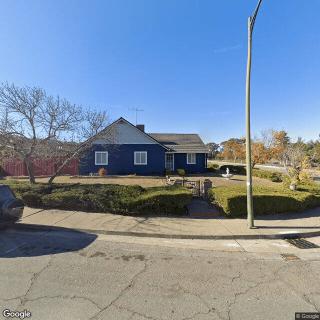
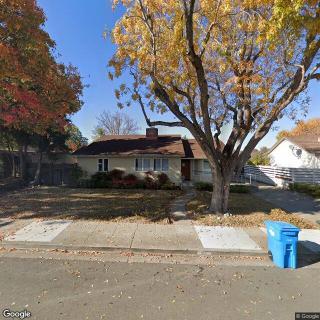
- The facility is warm and roomy with private rooms, creating a comfortable environment.
Cons
 The facility lacks bed rails to keep residents safe.
- It is described as one of the worst care facilities in the state, perhaps in the world, and should be shut down.
- The place is absolutely disgusting, with sticky floors and a strong odor of waste.
- The nurses and CNAs do not care for patients, resulting in severe neglect.
- CNAs fail to provide water to patients and do not change briefs due to staffing shortages.
- Staff are overworked and do not get breaks, with lunch clock-out expectations during patient care.
- Patients are not being showered or properly cared for.
- The facility is understaffed and poorly managed, raising the risk of harm to residents.
Review
JAI Residential Care Home in Millbrae is best suited for families with limited finances who still want a small, home‑like setting and the possibility of real, attentive care when staffing allows. Its one‑bedroom options and neighborhood feel appeal to residents who prefer a intimate, non‑institutional atmosphere over a large facility footprint. The most convincing cases come from families managing moderate rehab needs and who can actively participate in daily care, with the understanding that the quality of attention can swing based on who is on duty.
That said, this is not a facility to rely on for consistent, high‑quality care across all shifts. For anyone whose loved one requires steady medical oversight, rigorous hygiene standards, and predictable routines, alternatives deserve serious consideration. The repeated, credible concerns about under‑staffing, neglect, and cleanliness create substantial safety questions, and families should expect wide day‑to‑day variability. If a resident needs close hydration, timely medication administration, or regular, scheduled personal cares, this community is riskier than it appears on a single visit.
Pros emerge most clearly when staff are available and engaged. The care team can be genuinely helpful with daily assistance and rehabilitation, and physical therapy can play a meaningful role in recovery when sessions occur consistently. Individual caregivers, notably a few nurses, have been praised for going beyond prescribed duties to meet specific requests, which underscored the potential for high‑quality, person‑centered care. The facility’s warm, roomy environment and the option of private rooms support a homey feel that can reduce stress for some residents, making the setting more tolerable for those who favor autonomy and a less clinical atmosphere.
However, the major cons can overwhelm these positives. Reports repeatedly describe dirty floors, persistent odors, and a sense that basic safety and daily care are not reliably delivered. Core safety measures, such as bed rails or timely assistance with basic needs like hydration and personal hygiene, are frequently called into question. Understaffing appears to drive many of these failures, with staff overworked, taking no breaks, or needing to rush through tasks. Management responsiveness is another concern, with accusations that leadership does not address issues promptly, letting problems persist and escalating anxiety for families.
The available strengths do not consistently offset the risks. When reliable, compassionate staff are present, care quality can rise to meet expectations, and the home‑like setting can be beneficial for some residents. Yet the frequency and severity of the negative reports create a reliability gap that is hard to justify for anyone with significant health or safety needs. In practical terms, potential caregivers should view the favorable anecdotes as possible but not dependable outcomes; the overall experience points to a facility that often falls short of basic care standards.
Ultimately, a decision to pursue this community should be guided by a rigorous due diligence process. Schedule multiple visits at different times, and specifically request to meet front‑line staff, including the nurse manager, on days when challenges are most apparent. Ask for the current staffing schedule and ratios, and inspect common areas and resident rooms for cleanliness and safety features such as accessible hydration options and functioning bed rails. Review the latest state inspection reports and demand concrete action plans for any past deficiencies. If clear, concrete assurances cannot be documented, or if the ability to supervise daily operations feels uncertain, prioritize facilities with proven consistency, stronger oversight, and a track record of safe, respectful, and hygienic care.
 Board and Care Home
 Activities off-site
 Devotional services off-site
 Indoor common areas
 Outdoor common areas
 Private
 Respite or short term stays offered
 Wheelchair accessible showers
 San Francisco International (2 miles away)
 Ambulatory care
 Diabetic care
 High acuity care
 Incontinence care
 Kosher






 Comprehensive Guide to Medicare Coverage for Hospice Care
 Caring for Those Who Care: Recognizing, Understanding, and Overcoming Caregiver Burnout
 Caregiver Exhaustion: Recognizing the Signs and Restoring Your Well-Being