
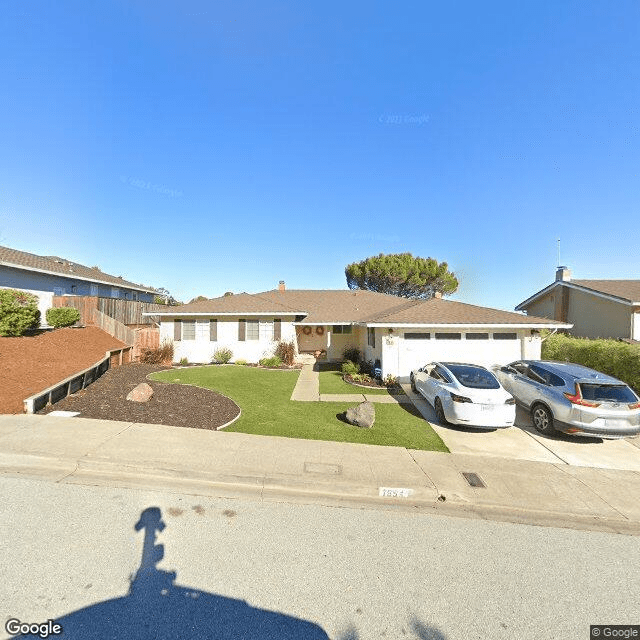
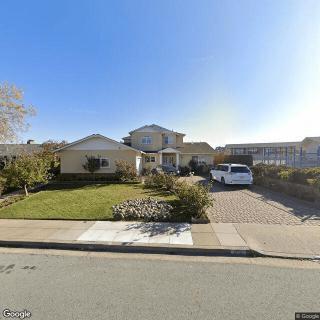
1654 Escalante Way, Burlingame, CA 94010
To contact a resident: (650) 630-3000
For more information about senior living options: (866) 208-4318
Burlingame Senior Care Costs & Pricing
Burlingame Senior Care offers competitive pricing for its residents, with costs reflecting the local market while providing quality care. The monthly rate for a semi-private room is $3,700, which is slightly lower than the average cost in San Mateo County at $3,830 and notably higher than the statewide average of $3,333. For private rooms, Burlingame charges $4,000 per month; this is also below the county average of $4,281 but higher than California's average of $3,939. These pricing structures suggest that Burlingame Senior Care positions itself as a desirable option within both the county and state markets, balancing affordability with the premium services expected in senior care.
| Floor plans | Burlingame Senior Care | San Mateo County | California |
|---|---|---|---|
| Semi-Private | $3,700 | $3,830 | $3,333 |
| Private | $4,000 | $4,281 | $3,939 |
Senior living communities with a similar price nearby
-
from -$200 / mo
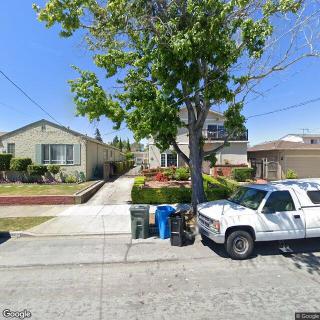
Apple Tree Home Care
$3,500 / month3.6 miles away -
from -$505 / mo
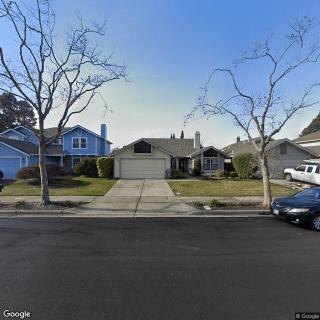
Harbor Bay Assisted Living
$3,195 to $5,000 / month14.1 miles away -
from +$300 / mo
Golden Age Of Channing Way
$4,000 to $5,000 / month14.1 miles away -
from -$200 / mo
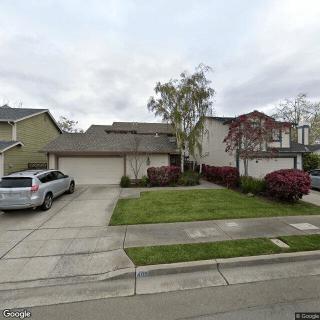
Angels Golden Care Assisted Living
$3,500 to $5,000 / month13.9 miles away -
from -$700 / mo

Eden Assisted Living
$3,000 / month18.7 miles away
Overall Review of Burlingame Senior Care
Pros
 They really liked the place.
- The staff seem friendly and knowledgeable.
- They arrange and take Mom to her appointments.
- The staff-to-resident ratio is good.
Review
Burlingame Senior Care is best suited for families seeking a small-scale, service-focused option where dependable staff closeness and practical help with medical logistics are the primary value. The community appears to prioritize real-time support, with staff described as friendly and knowledgeable, and a clear ability to coordinate care around appointments. The staff-to-resident ratio is cited as solid, which translates into more consistent attention and less drifting among caregivers. At a monthly rate of about $4,500, this option targets families who want reliable hands-on assistance without entering a high-cost, clinical-heavy setting. For seniors who value that combination of accessible caregiving and straightforward budgeting, Burlingame Senior Care offers a practical, no-surprise operating model.
Those who should consider alternatives are those whose loved ones require deeper clinical oversight or specialized care. If memory support, 24/7 medical supervision, or a wider menu of on-site medical services are non-negotiable, this community may fall short. Similarly, families seeking a livelier, more expansive amenities roster or a larger campus with extensive programming should compare options. In short, Burlingame Senior Care excels in dependable staffing and appointment coordination, but it’s less clearly positioned for high-acuity needs or highly varied social/comprehensive programming. Prospective residents with these priorities will want to evaluate other communities that foreground clinical depth and breadth of services.
The strongest pros, responsive staff, a favorable caregiver ratio, and hands-on help scheduling and attending medical appointments, form a coherent counterbalance to potential operational tradeoffs. For families juggling transport, doctor visits, and daily care tasks, the ability to rely on staff to manage logistics reduces family strain and keeps care consistent. In practice, that translates to fewer missed visits, smoother communication with clinicians, and a more predictable routine for the resident. The upshot is a tangible reduction in the day-to-day management burden on family members, which often weighs heavily in the decision process. Yet the lack of explicit information about medical acuity levels means caution for those whose loved one’s needs might outstrip routine assistance.
Nevertheless, the absence of clearly articulated cons in the available feedback does not equal a perfect fit for every situation. The critical gaps to probe during a visit are not sophisticated clinical offerings or memory-care options, but rather the exact care levels included in the monthly rate, nurse availability on site, and how quickly staff can respond to acute changes. Prospects should request a sample care plan, inquire about prescription management, and verify what is included in the $4,500 price tag versus what incurs additional charges. Observing staff interactions with residents and asking about turnover will illuminate whether the claimed ratio translates into consistent, personalized attention.
For families weighing options, Burlingame Senior Care presents a prudent, cost-conscious choice for those who prize dependable caregiving and efficient care coordination. In scenarios where the senior’s needs are well within a standard assisted-living framework and the priority is steady support rather than clinical intensity, this facility can deliver meaningful peace of mind. It is particularly well-suited for residents who value predictable scheduling, transportation assistance, and direct access to staff who can facilitate medical appointments without constant family involvement. Those evaluating this option against memory-care-focused or hospital-adjacent settings should measure the trade-offs between care depth, campus size, and daily interaction quality.
The practical verdict is clear: Burlingame Senior Care earns its keep by delivering reliable, friendly care with strong staff engagement and practical appointment support at a moderate price. It stands out for families who want a hands-on, approachable environment where caregivers actively shepherd medical logistics. For seniors needing higher medical acuity, expansive social programming, or specialized dementia care, alternatives that emphasize clinical resources and broader amenities will likely serve better. A well-timed visit, direct conversations about care plans, and a transparent cost breakdown will confirm whether this community aligns with the specific trajectory of care desired.
 Board and Care Home
 Activities on-site
 Devotional services on-site
 Indoor common areas
 Outdoor common areas
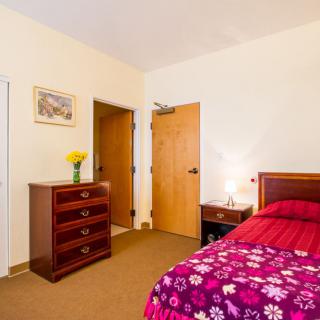
 Private
 Private bathrooms
 Respite or short term stays offered
 Wheelchair accessible showers
 San Francisco International (3 miles away)
 Diabetic care
 High acuity care
 Incontinence care
 Medication management
 Kosher

 Comprehensive Insights into Palliative Home Care: What It Is and What to Expect
 Skilled Nursing Facilities vs. Nursing Homes: Making Sense of the Differences
 A Detailed Examination of Nursing Home Costs Across the U.S.