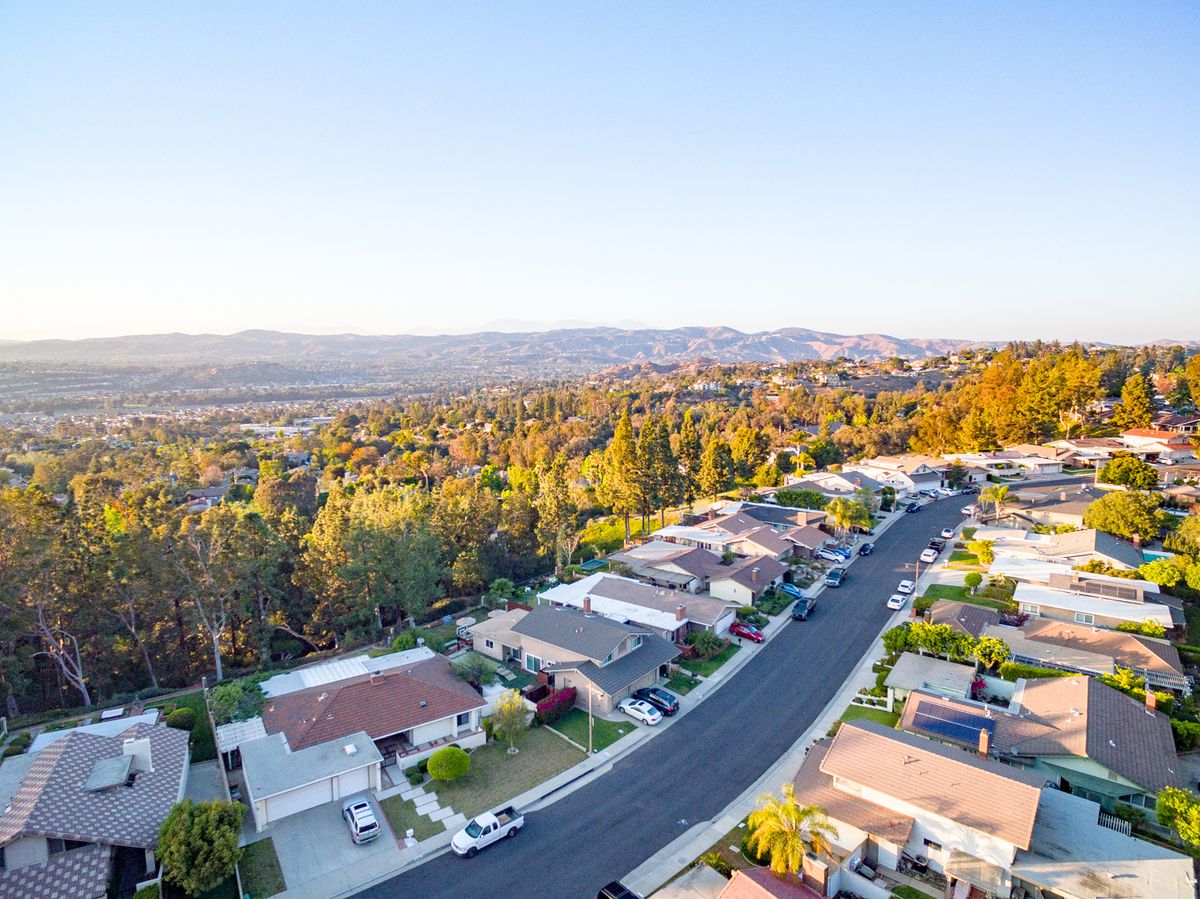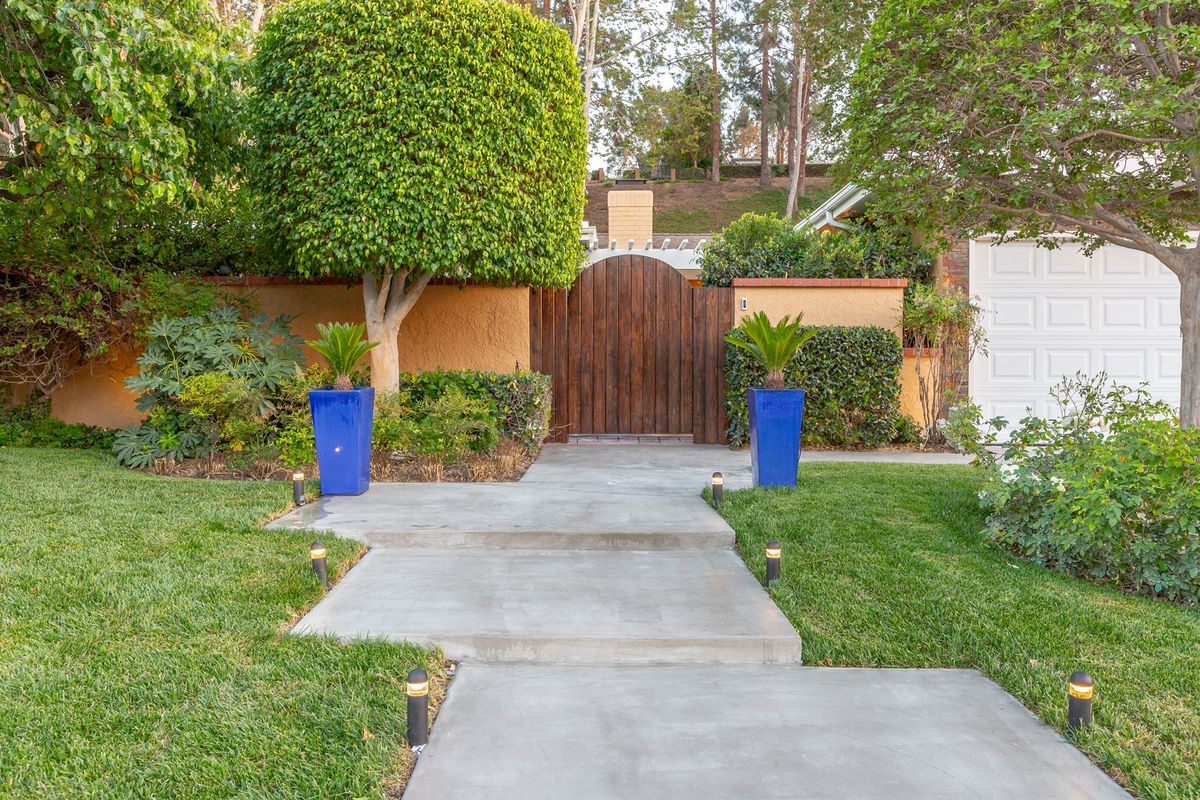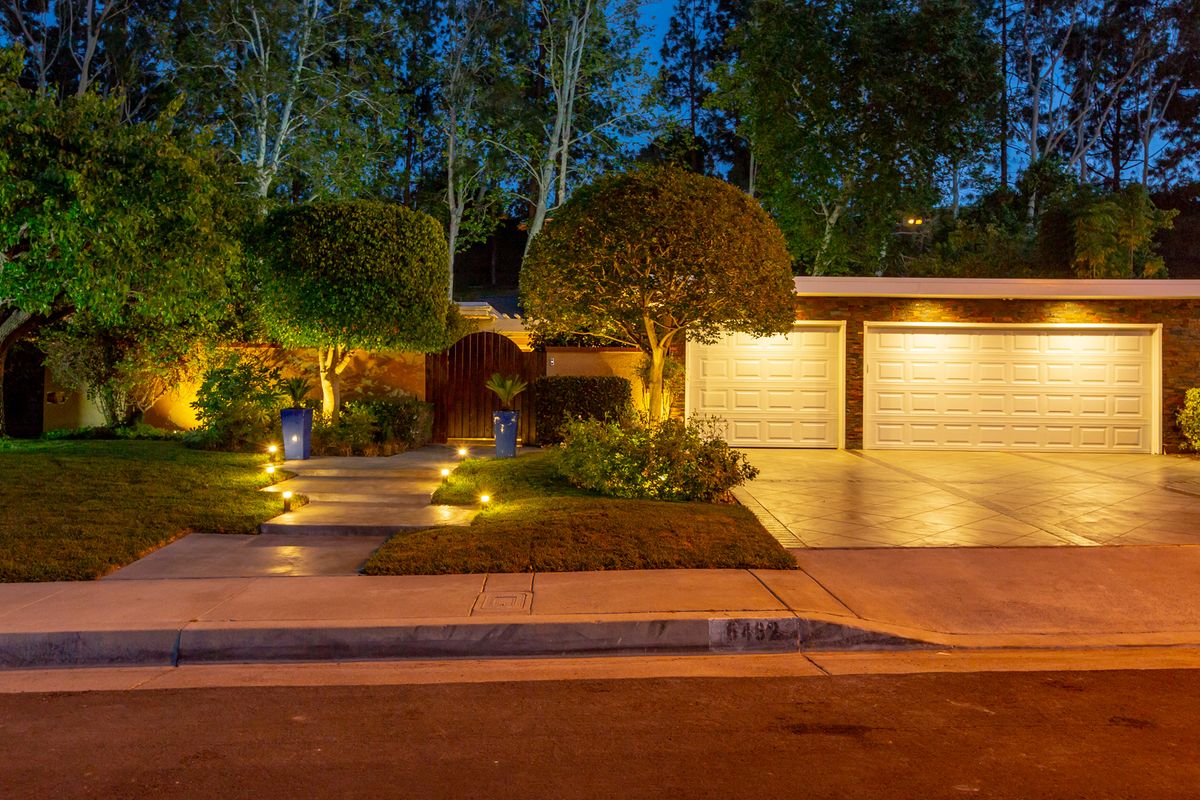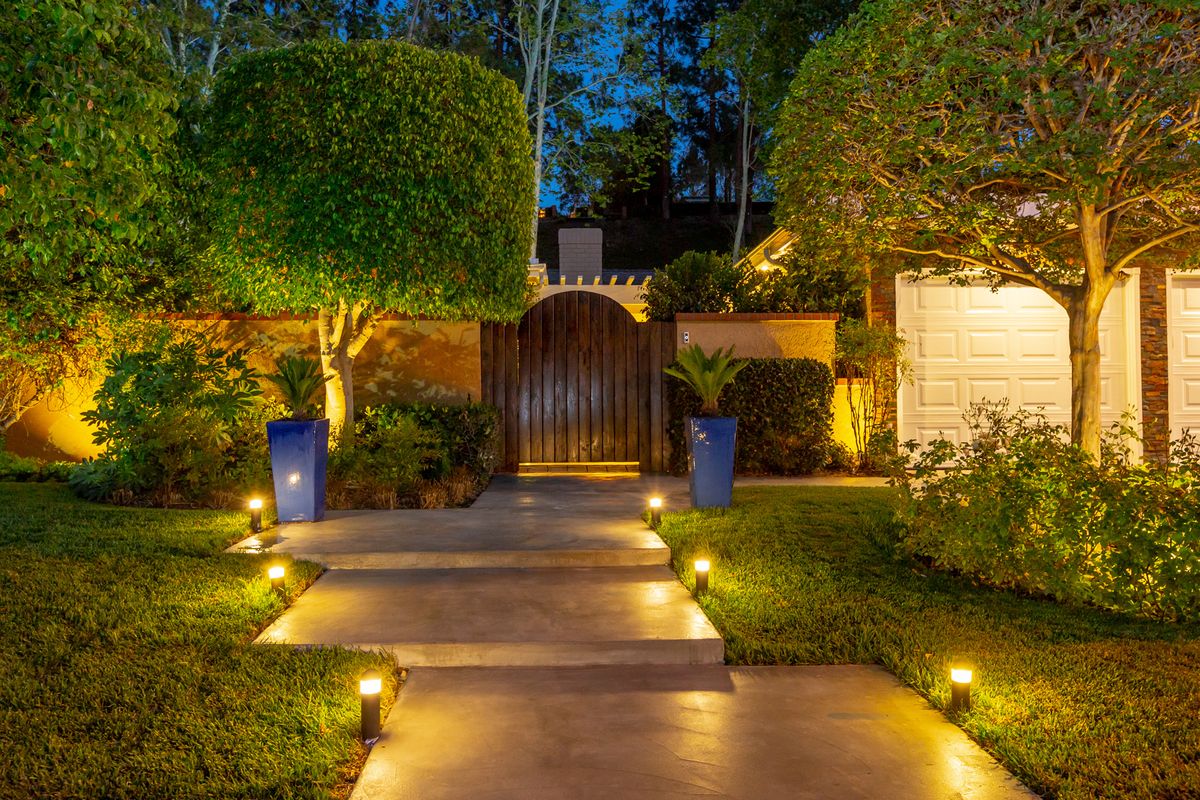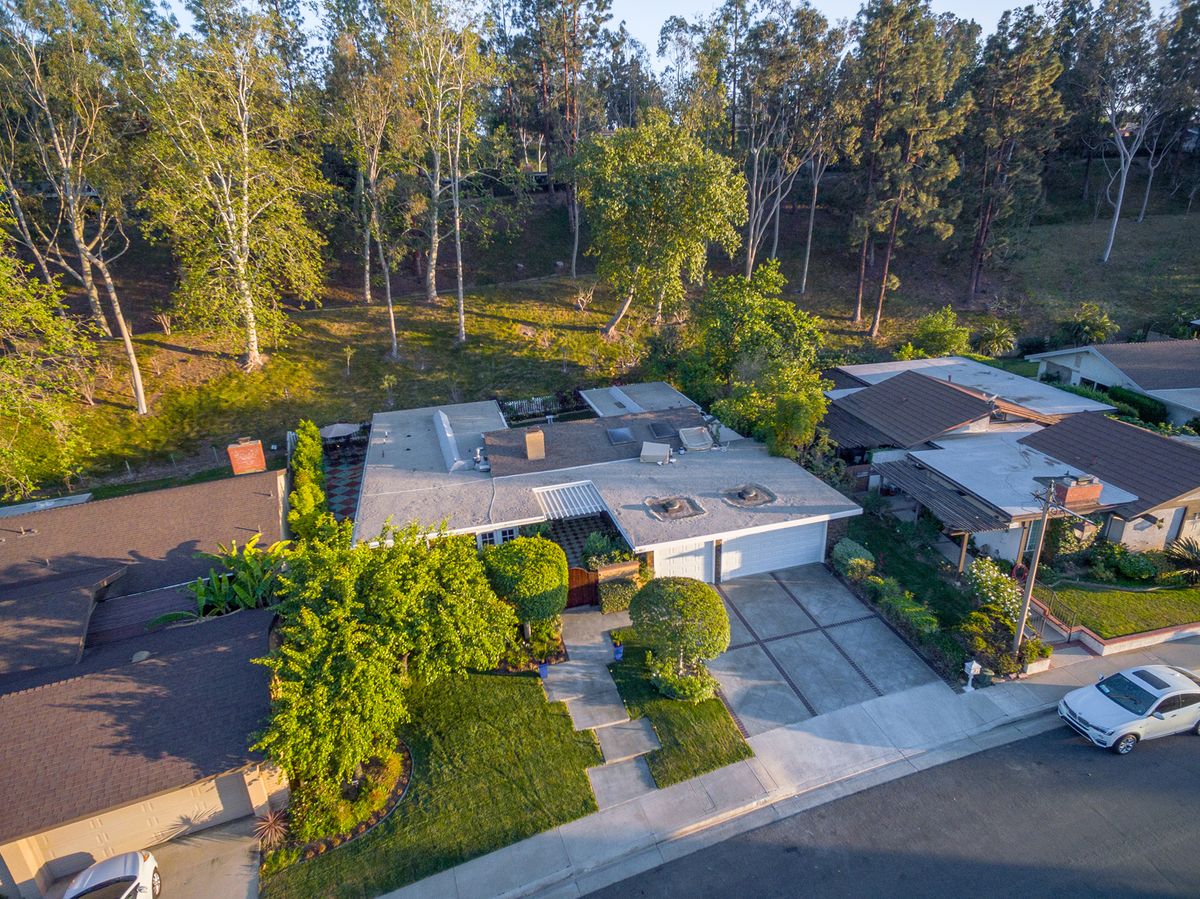
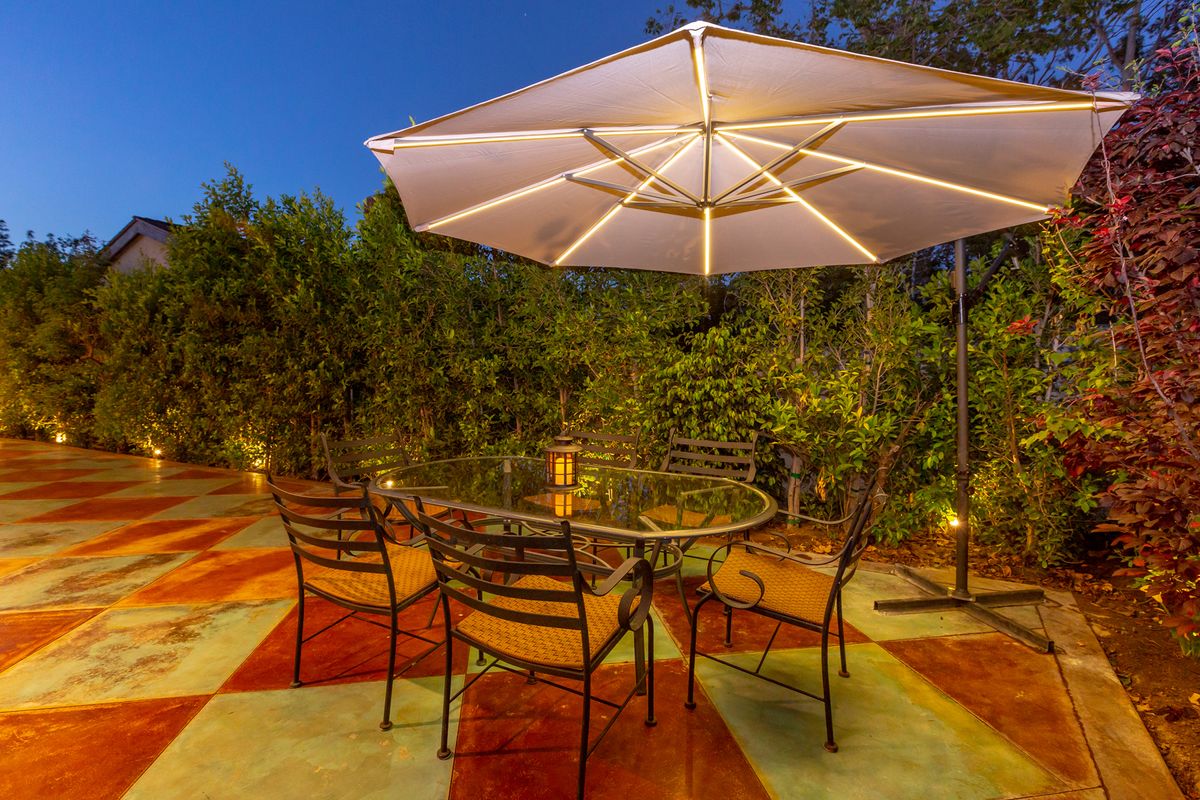
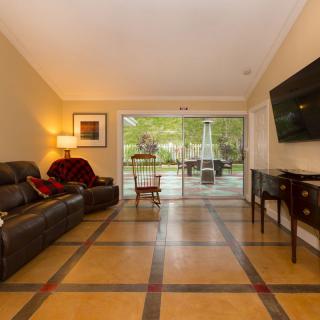
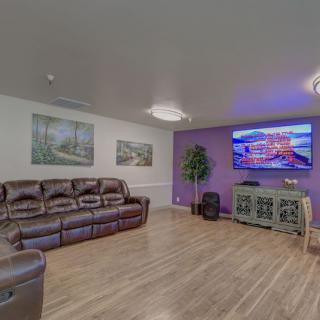
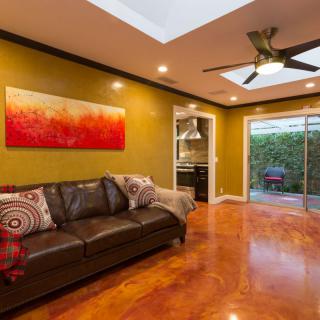
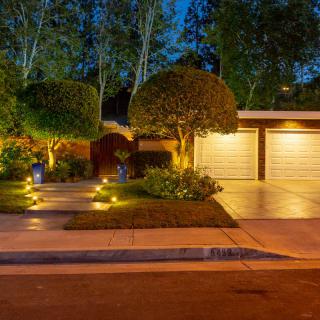
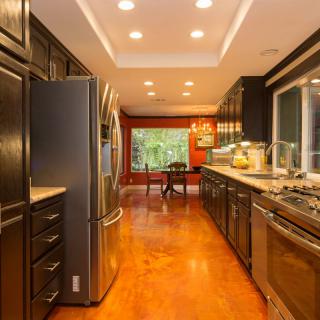
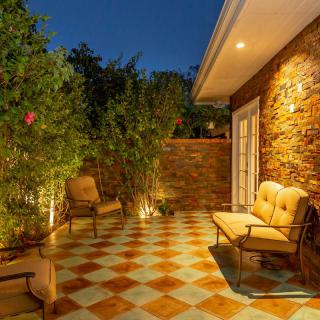
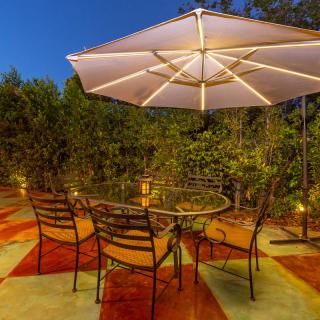
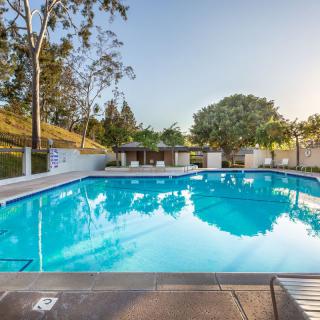
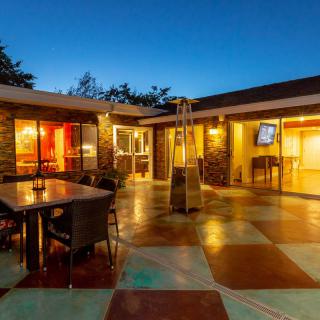
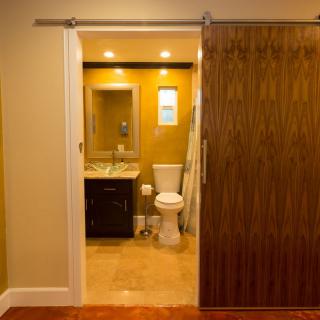
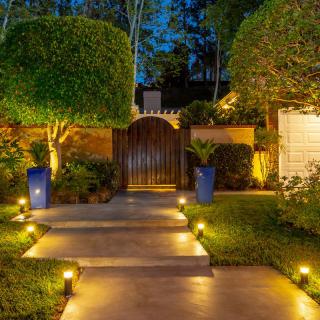
6482 Via Arboles, Anaheim Hills, CA 92807
For more information about senior living options: (866) 208-4318
Casa De Los Arboles Costs & Pricing
Casa De Los Arboles offers competitive pricing for its accommodations in comparison to both Orange County and the broader California market. For a private room, residents can expect to pay $4,500 per month, which positions it slightly higher than the average cost in Orange County at $4,104 but is still within reach of California's overall average of $3,939. Additionally, the one-bedroom option is priced at $5,000 per month - again surpassing Orange County's average of $4,380 and closely aligning with California's figure of $4,340. This pricing strategy reflects Casa De Los Arboles' commitment to providing quality living experiences while remaining mindful of regional market trends.
| Floor plans | Casa De Los Arboles | Orange County | California |
|---|---|---|---|
| Private | $4,500 | $4,104 | $3,939 |
| 1 Bedroom | $5,000 | $4,380 | $4,340 |
Memory care communities with a similar price nearby
-
from -$505 / mo
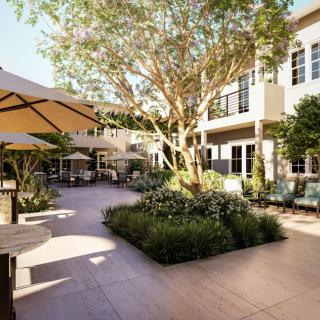
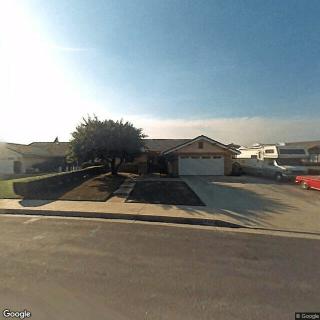
Cadence Brea
$3,995 to $5,500 / month8.5 miles away -
About the same
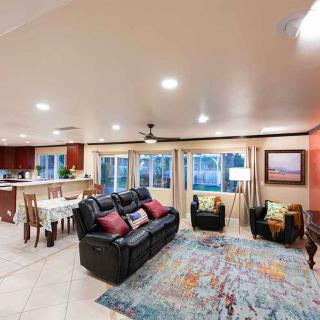
Heritage Senior Home Care
$4,500 to $4,800 / month18.3 miles away -
About the same
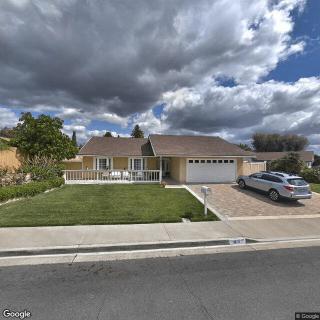
Casa Bella
$4,500 / month3.8 miles away -
from -$500 / mo
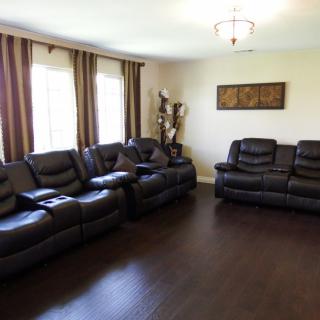
Active Senior Home Care
$4,000 to $5,000 / month16.8 miles away -
from -$500 / mo
Royal
$4,000 to $4,800 / month6.6 miles away
Overall Review of Casa De Los Arboles
Pros
 The staff were warm, friendly and professional.
- The facilities were immaculate.
- The father's room had every comfort one could ask for.
- The owner, Daniel, left a positive impression, reinforcing the belief that the father would be safe and cared for.
- Every possible measure was in place to protect residents during the pandemic.
- The father was happy and joking with the staff daily.
- CDLA provided the space and opportunity for the family to spend meaningful time together.
Review
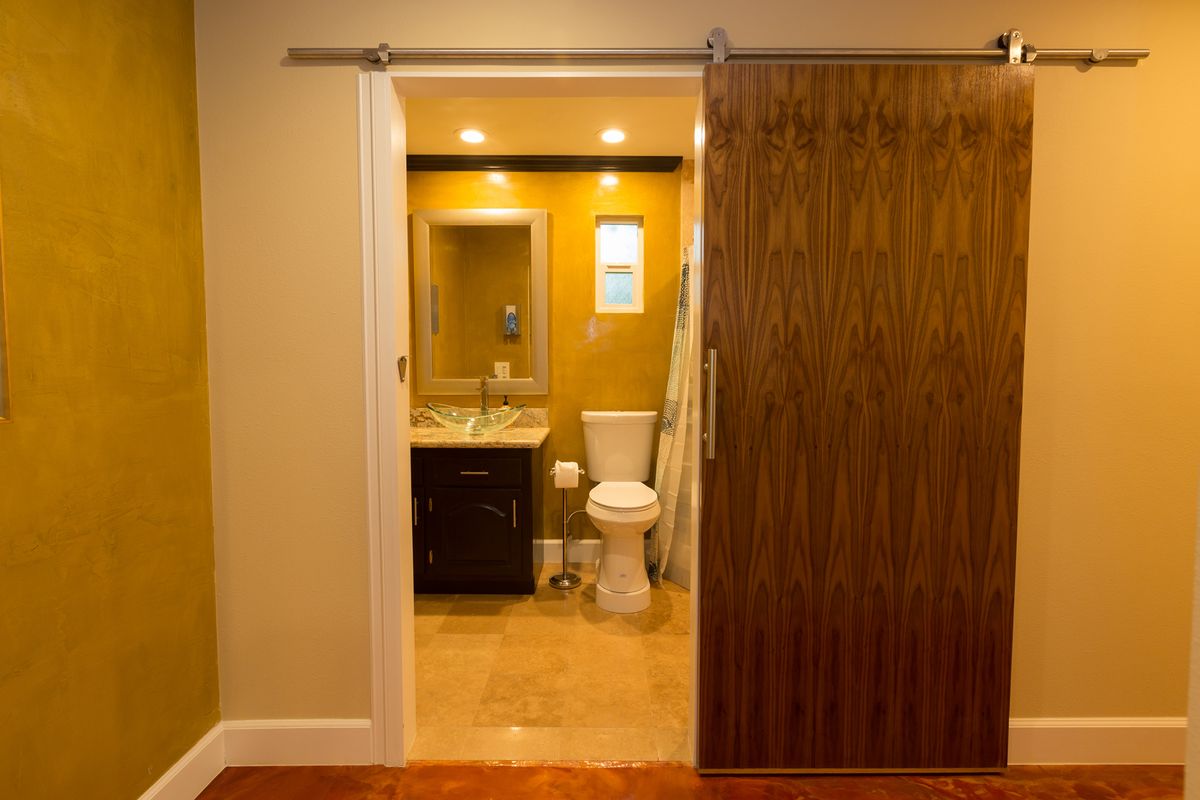
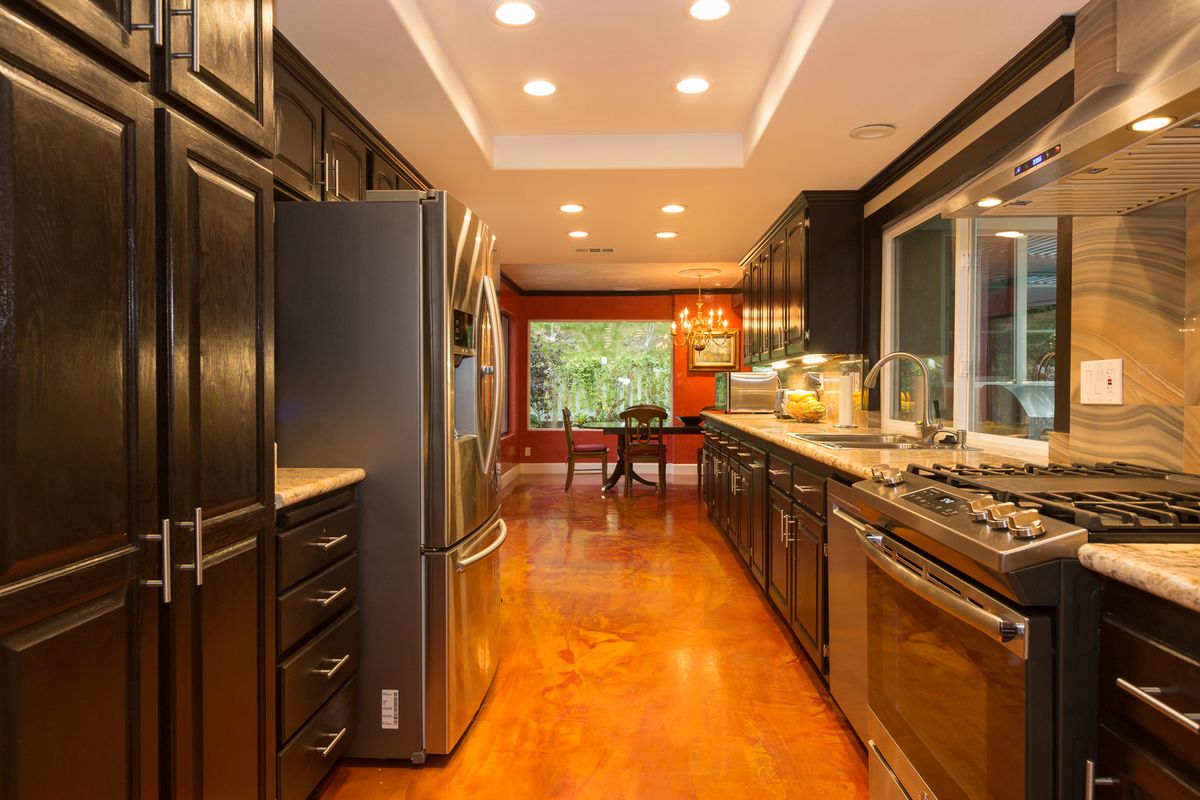
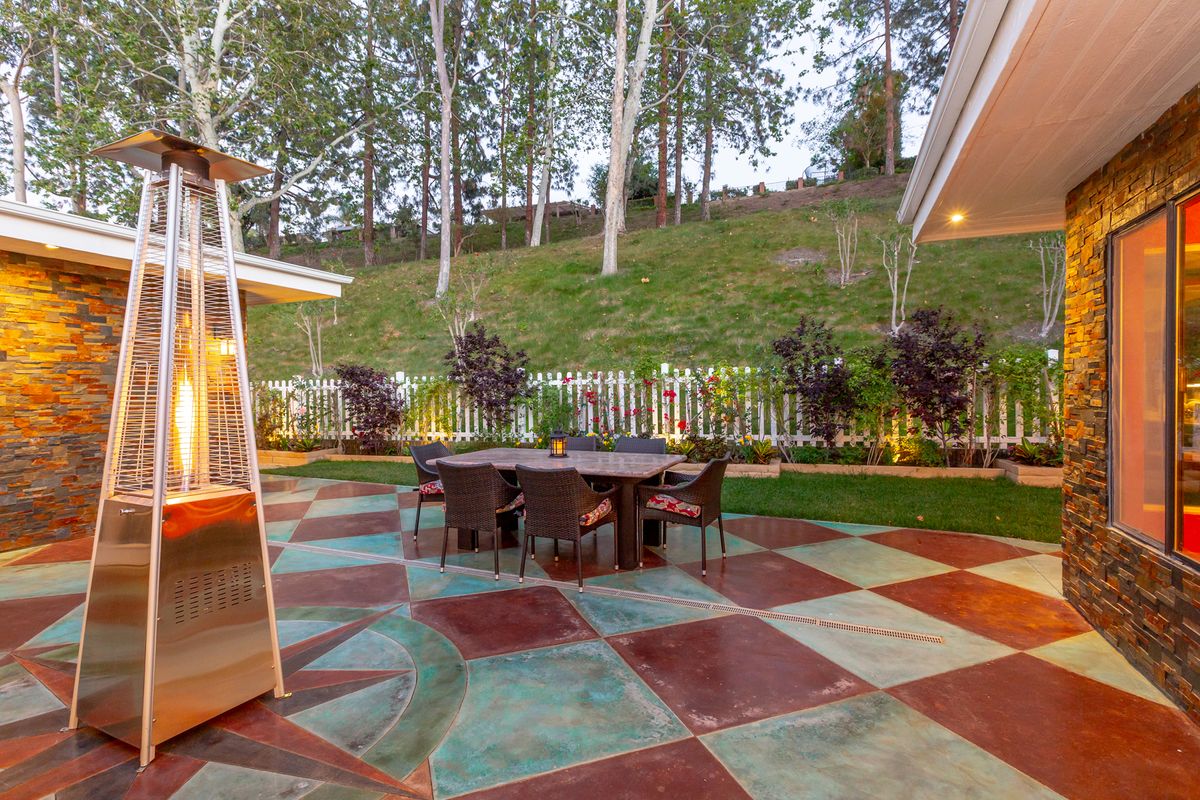
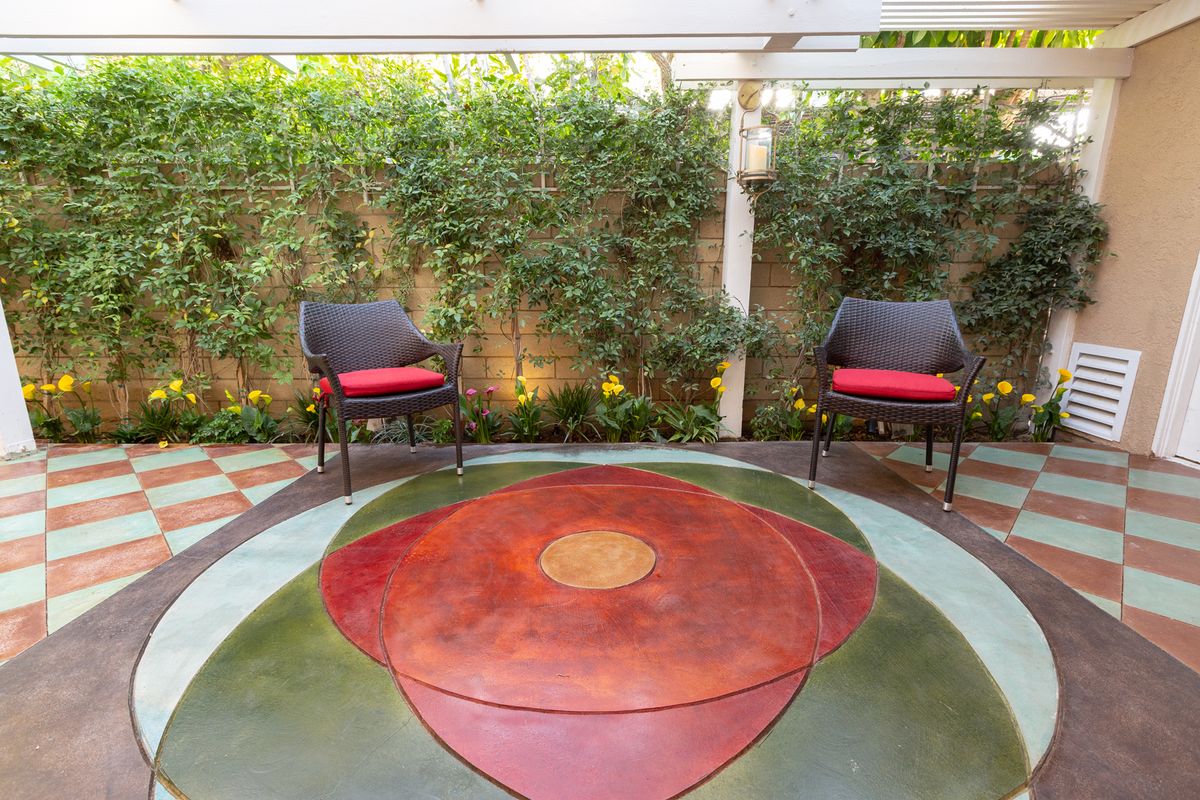
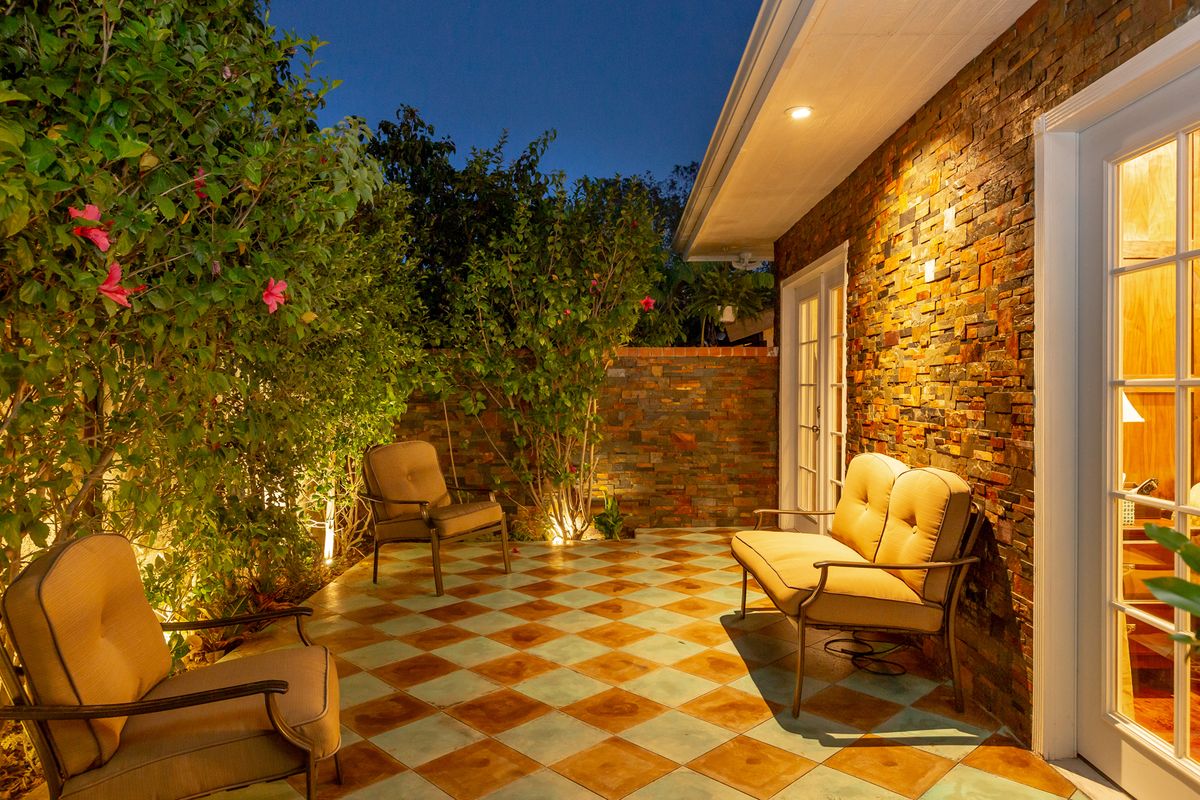
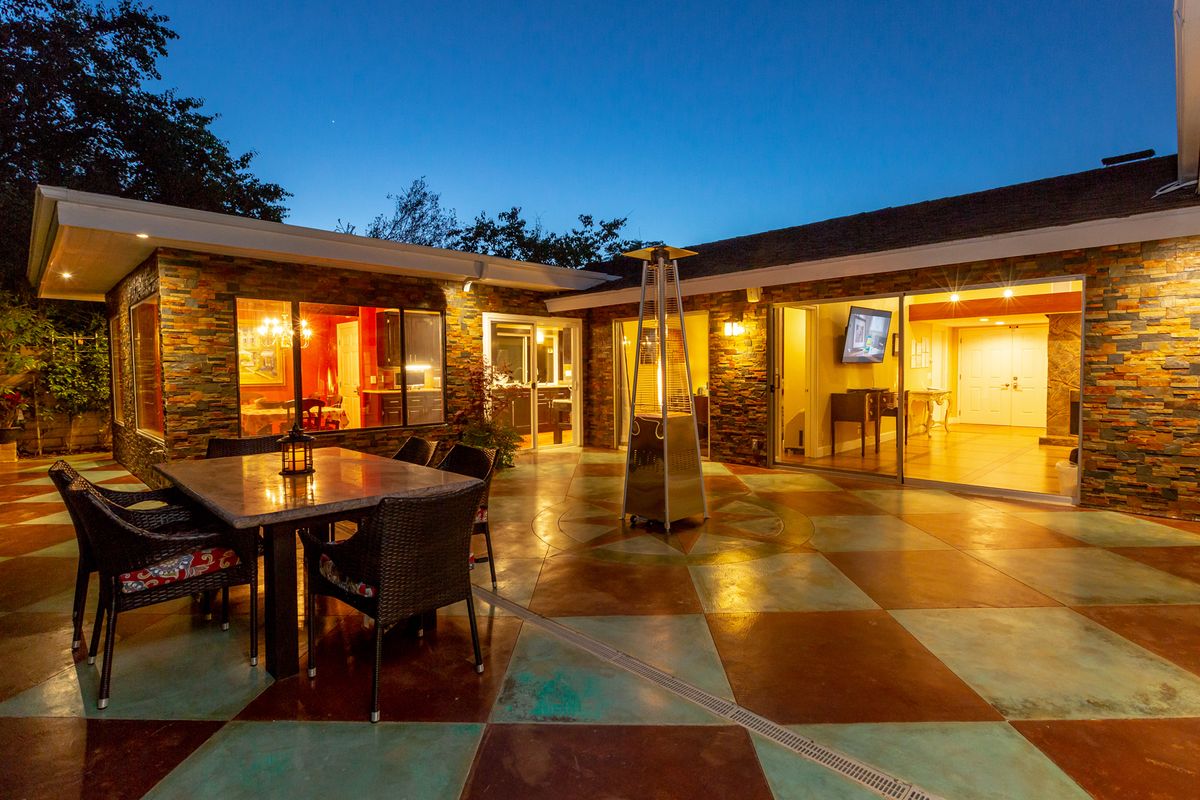
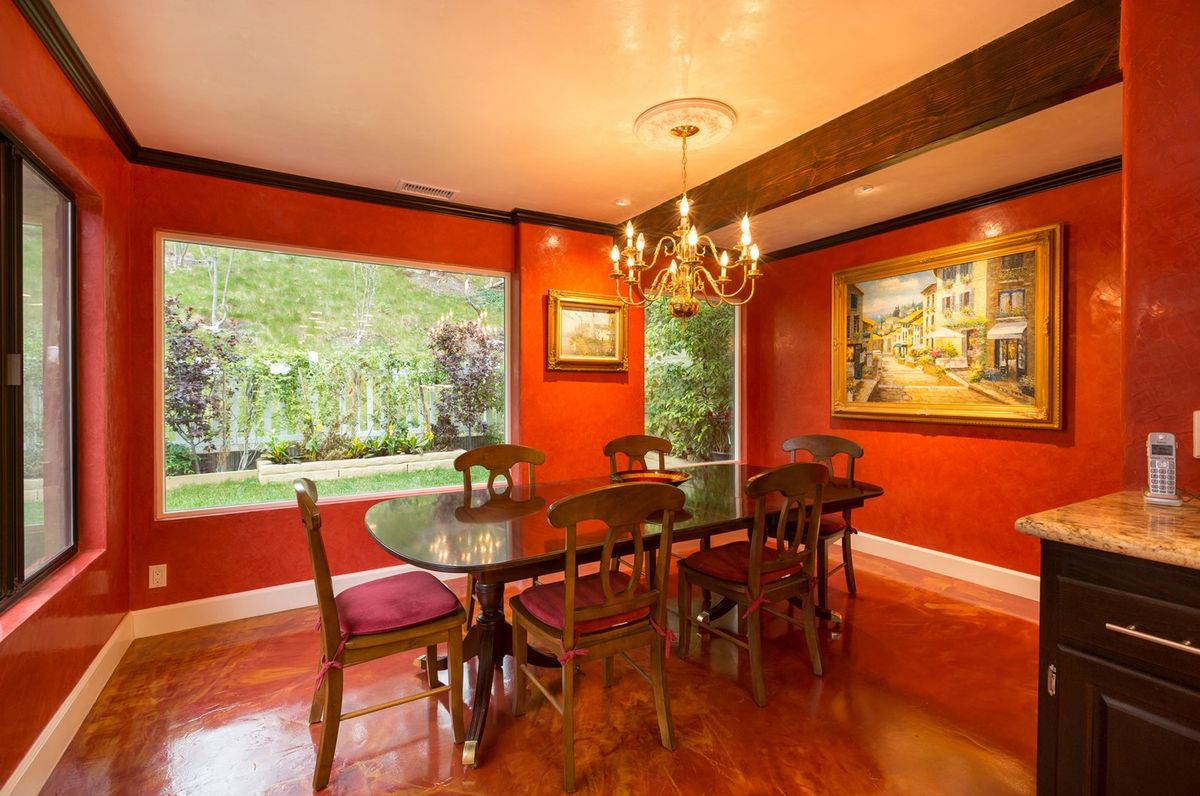
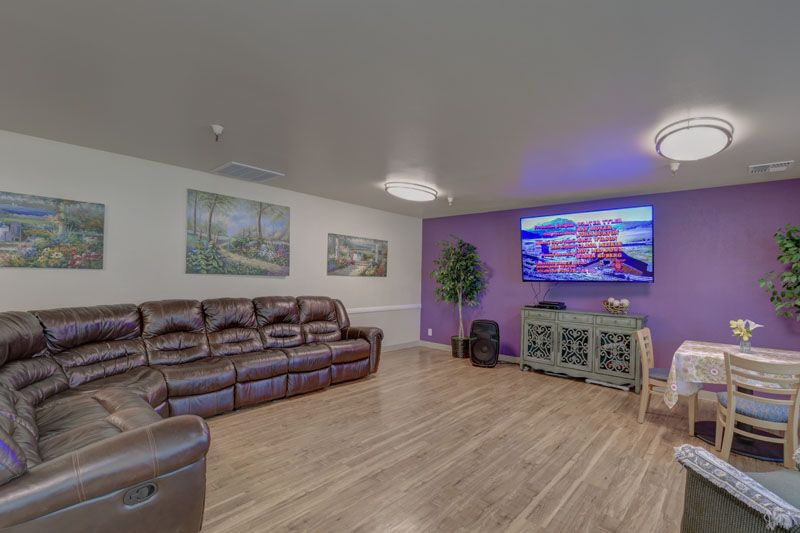
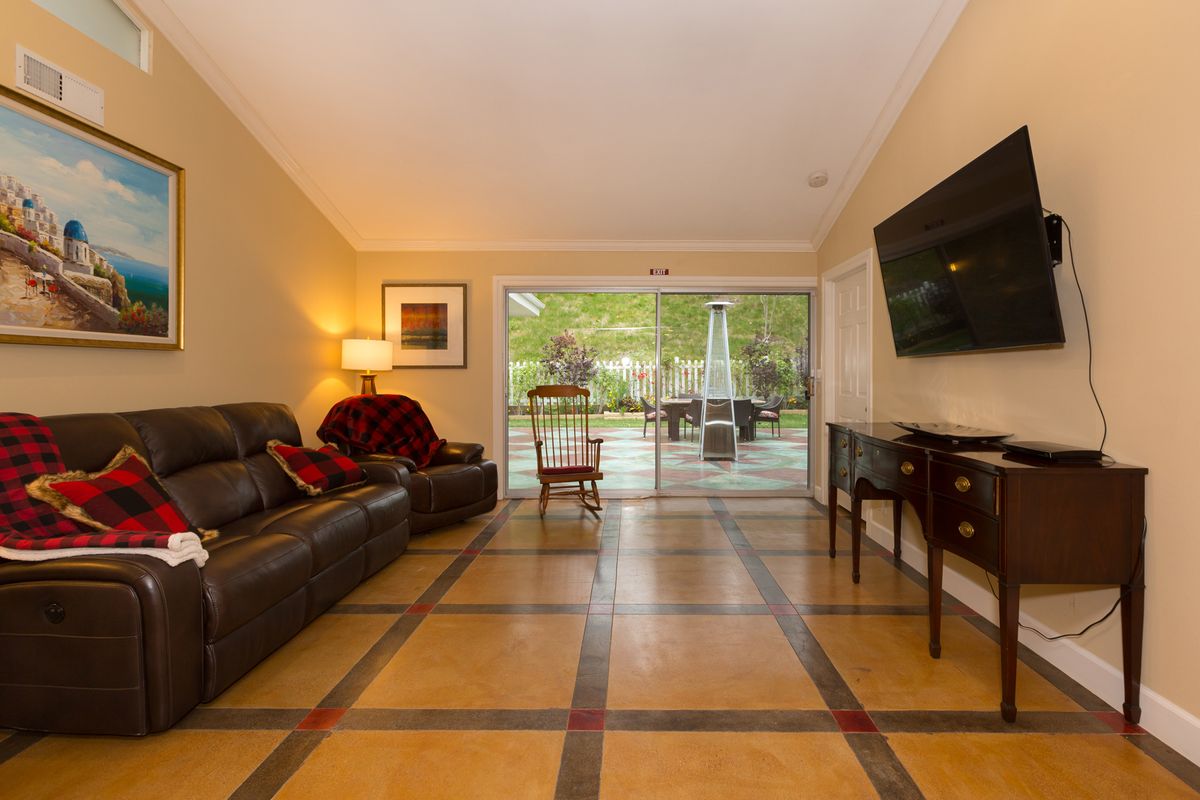
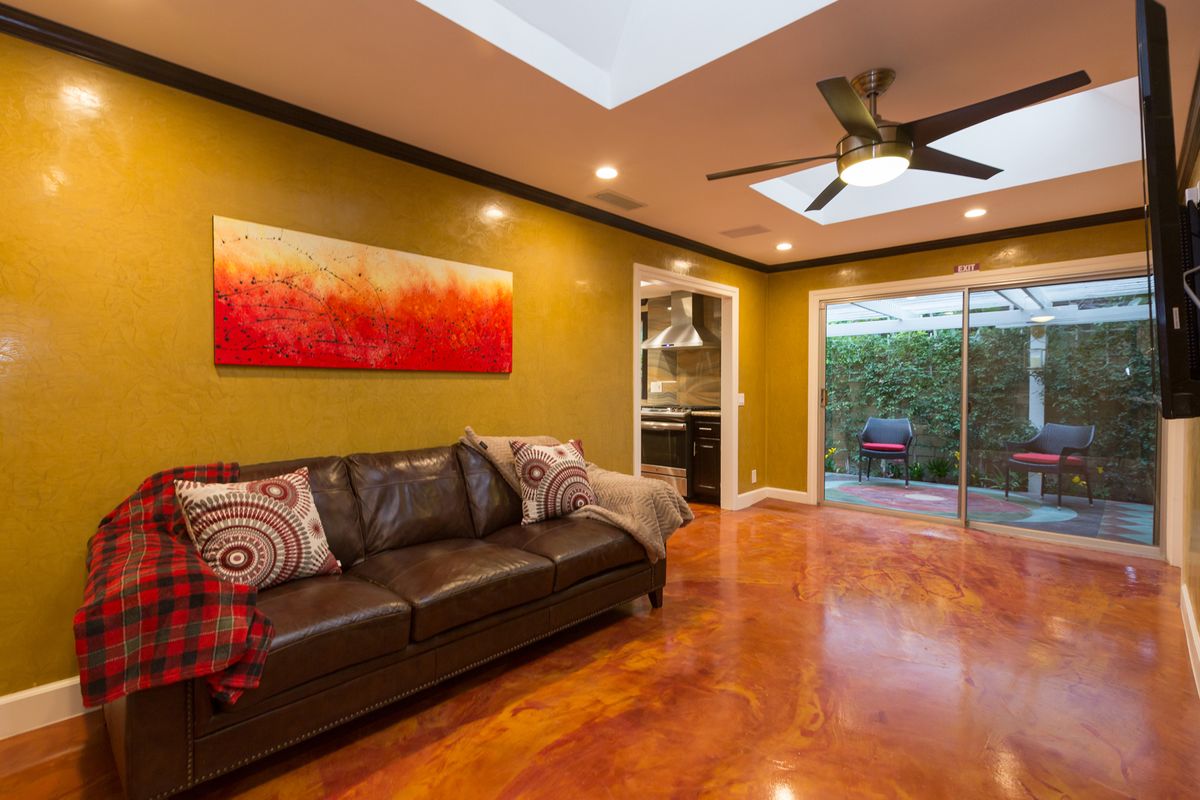
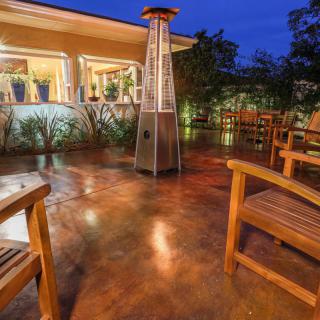
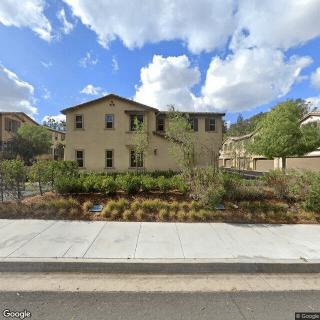
Casa De Los Arboles in Anaheim Hills is best suited for families seeking a small, home-like assisted living setting where a loved one can have a private room with a private bathroom and easy access to an outdoor patio. This community excels for seniors who no longer can be cared for at home but don’t want a large campus with impersonal routines. The intimate house-style environment supports daily life with individualized attention, a high degree of familiarity among residents and staff, and a sense that care is personalized rather than generalized.
Those who may want to consider alternatives are individuals requiring more formal nursing oversight, a wider range of medical services, or a robust, campus-scale activities calendar. For families prioritizing intensive clinical support, memory-care specialties, or a facility with a larger staff-to-resident ratio, a bigger operation could better meet those needs. Prospective residents should weigh the appeal of a cozy, hands-on setting against the potential trade-offs in program breadth and medical resources.
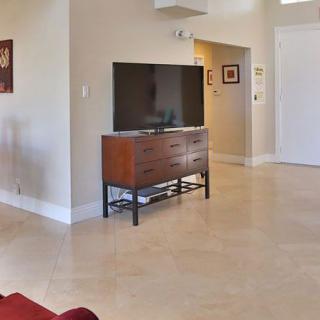
The core strengths lie in the intimate scale and the quality of relationships. The home-like setup, one house with six other residents, creates a tightly knit community where caregivers know daily routines, preferences, and histories. Private rooms with en-suite bathrooms and a patio offer dignity, privacy, and personal autonomy, which families repeatedly highlight as pivotal to quality of life in the final chapters. The staff is described as warm, friendly, and professional, with an owner-led framework that translates into consistent, attentive care. Cleanliness and a welcoming atmosphere reinforce a sense of safety and respect for residents’ comfort.
These advantages effectively offset potential drawbacks inherent in a smaller operation. While the limited size naturally curtails the breadth of programmed activities and the sheer scale of medical services, the flip side is a highly responsive caregiving team and a supervisor-strong environment that prioritizes individualized attention. With an owner who embodies hands-on involvement, families experience clear accountability, rapid responsiveness, and a cohesive care plan that can be adjusted to evolving needs. The result is a dignified, predictable daily life where loved ones are not just housed but genuinely cared for.
The narrative from families also underscores a meaningful emotional payoff: the ability to share meaningful time and create lasting memories in a setting that feels like a respected extension of home. Statements about the staff and facilities being immaculate, plus the evident happiness and humor displayed by residents in daily interactions, convey a level of everyday quality that matters to decision-makers weighing comfort, safety, and belonging over purely transactional care. For families seeking reassurance that a loved one will be cherished during their final years, this combination of intimate setting and heartfelt staffing proves persuasive.
In practical terms, Casa De Los Arboles stands out for those who want a small, intimate environment with private accommodations and sincere, attentive caregiving in a residential atmosphere. It is a compelling option when the priority is personal dignity, meaningful daily interaction, and a strong, family-connected care approach. However, if the goal is a facility with extensive medical staffing, a broad continuum of specialized memory care, or a wide array of on-site services and activities, exploration of larger communities is advisable. Prospective families should schedule a visit, assess how staff respond to individual routines, and verify that the care philosophy aligns with the loved one’s needs and the family’s expectations. This community is a confident choice for comfort-focused, relationship-driven care.
 6 resident community capacity
 Assisted Living
 Board and Care Home
 Memory Care
 Activities on-site
 Air-conditioning
 Cable or satellite TV
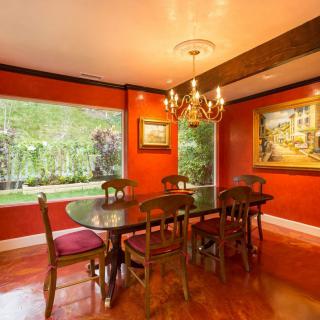
 Dining room
 Fully furnished
 Garden
 Ground floor units
 Handicap accessible
 Housekeeping services
 Indoor common areas
 Move-in coordination
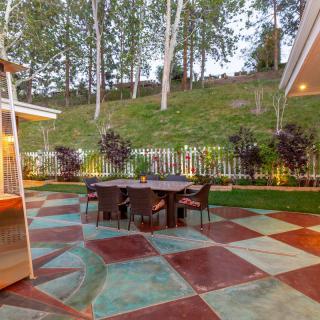
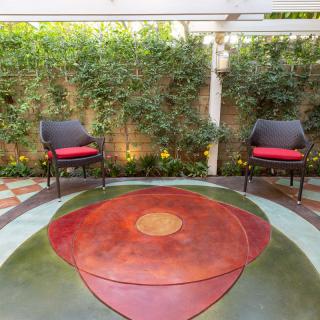
 Outdoor common areas
 Private
 Private bathrooms
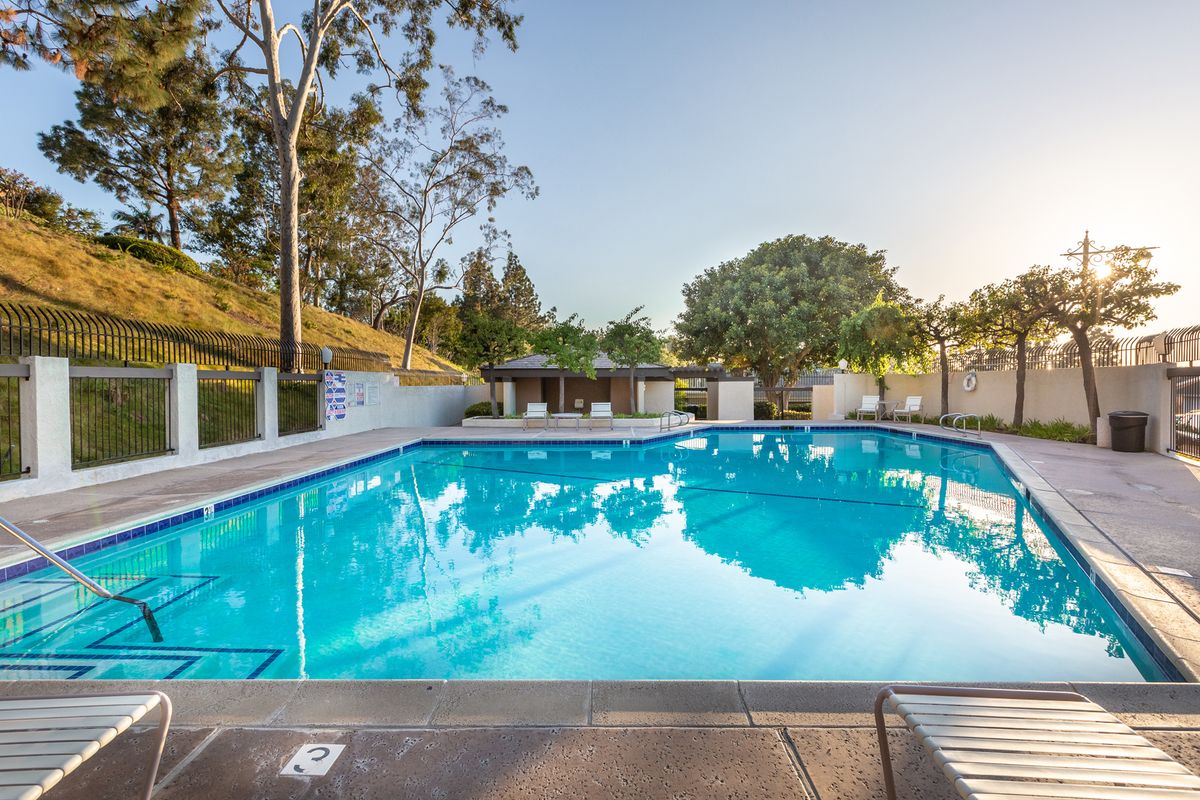
 Swimming pool / hot tub
 Telephone
 Wheelchair accessible showers
 Wi-Fi/high-speed internet available
 John Wayne Orange Co (13 miles away)
 24-hour supervision
 Assistance with bathing
 Assistance with dressing
 Assistance with transfers
 Diabetes diet
 Diabetic care
 High acuity care
 Incontinence care
 Meal preparation and service
 Medication management
 Special dietary restrictions
 Transportation arrangement (medical)
 Transportation to doctors appointments
 BBQs or picnics
 Birthday parties
 Live dance or theater performances
 Live musical performances
 Pet-focused programs
 Stretching classes
 Visiting chaplain or priest
 Wii bowling
 Wine tasting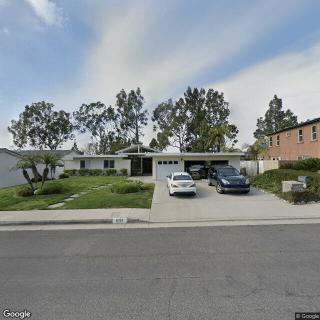


 5 Early Indicators of Dementia and What You Can Do
 8 Important Indicators That Memory Care May Be Necessary
 Delving into the Inner World of Dementia: Insights into Thoughts and Awareness