
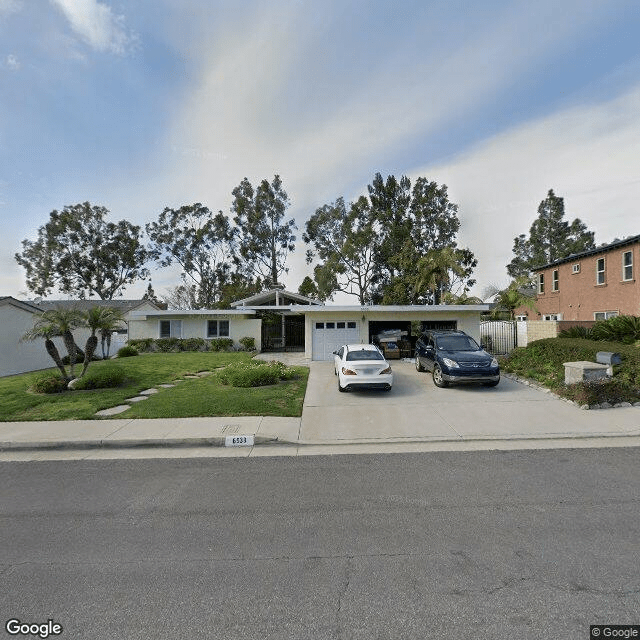
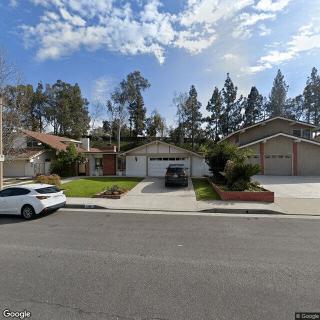
6533 Via Estrada, Anaheim Hills, CA 92807
To contact a resident: (714) 202-5075
For more information about senior living options: (866) 208-4318
Adelya Senior Home III Costs & Pricing
At Adelya Senior Home III, the monthly costs for senior care reflect a balance between competitive pricing and quality service. For a semi-private room, residents can expect to pay $3,500, which is slightly above the county average of $3,431 but remains within reach compared to the state average of $3,333. In terms of private accommodations, the home charges $4,000 per month - slightly below Orange County's average of $4,104 and somewhat higher than California's statewide average of $3,939. These price points highlight Adelya Senior Home III's commitment to offering personalized care in an environment that values both comfort and community while remaining mindful of regional market trends.
| Floor plans | Adelya Senior Home III | Orange County | California |
|---|---|---|---|
| Semi-Private | $3,500 | $3,431 | $3,333 |
| Private | $4,000 | $4,104 | $3,939 |
Senior living communities with a similar price nearby
-
from +$495 / mo
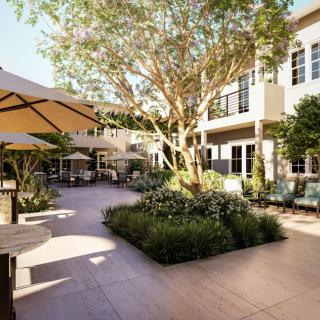
Cadence Brea
$3,995 to $5,500 / month8.5 miles away -
About the same
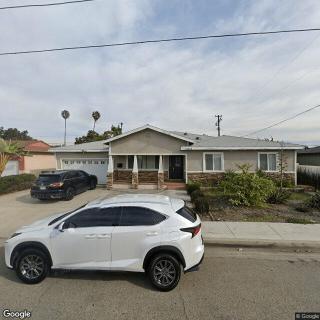
Loving Home Care
$3,500 to $4,500 / month14.4 miles away -
from -$200 / mo

Bella Manor II
$3,300 to $4,290 / month18.1 miles away -
About the same
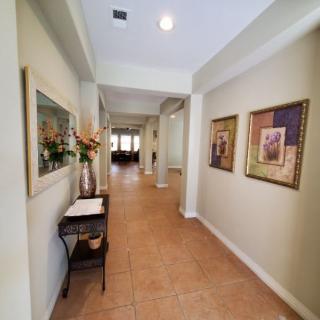
Aloha Residential Care
$3,500 to $6,500 / month23.8 miles away -
from +$500 / mo
Loving Care Facility for the Elderly
$4,000 to $5,975 / month11.0 miles away
Overall Review of Adelya Senior Home III
Pros
 The experience has been great.
- The staff are on top of things and super friendly.
- The meals look great.
- The care provided is worth the cost.
- The board and care comes highly recommended.
- There has been a lot of improvement in the loved one.
- The loved one is more vocal now.
- The communication with the staff is amazing.
Cons
 The board and care doesn't really provide activities.
Review
Adelya Senior Home III in Anaheim Hills is best suited for families seeking a warm, intimate board-and-care setting where attentive staff, solid meals, and steady daily care define the experience. This community shines for residents who thrive on frequent person-to-person interaction and clear, reliable communication with caregivers. The environment remains intimate enough to foster genuine relationships, and the care cadence is dependable, which reassures families during transitions from independent living or other levels of care.
Those who may want alternatives are families chasing a busier social calendar, more structured activity programming, or specialized memory-care services. If the priority is a robust, on-site activity roster, frequent outings, or formal program schedules, a larger assisted living campus or a facility with a dedicated memory-care wing may be a better fit. The board-and-care model here leans toward personal care and companionship rather than organized enrichment, so expectations should align with that reality.
Key pros are tangible and substantial: the staff consistently on top of needs, warmth in interactions, and upfront, dependable communication. Meals are described as attractive and satisfying, contributing to a compelling sense of value for the monthly cost. Families note that their loved ones show improvement in engagement and are more vocal, which speaks to the quality of daily attention and the way caregivers interact. The combination of dependable care and good food creates a practical value proposition for many families.
However, the main con, the limited activity structure, cannot be overlooked. The facility does not run a full activity program; residents may receive activities only if someone brings them or provides materials like coloring books or simple games. That gap matters most for families seeking ongoing mental stimulation, structured social opportunities, or reminiscence programming. Still, strong staff interaction often fills in some of the enrichment gaps through daily conversation, guided activities, and personalized attention.
Communication stands out as a durable strength. Staff consistently keep families updated on needs, changes, and progress, reducing uncertainty and facilitating timely decisions. The reported uptick in a resident’s vocal participation underscores how engaged caregivers can indirectly drive quality of life, even without a formal activity calendar. For many families, this level of transparency and responsiveness becomes the deciding factor when weighing a move, especially if the preferred balance is steady care with dependable updates over a busier but less predictable schedule.
Bottom line: Adelya Senior Home III delivers a practical, high-touch care option for seniors who prioritize compatibility with staff, appetizing meals, and clear communications, while they accept a lighter slate of organized activities. It’s a strong fit for families who can supplement enrichment externally or who value daily vigilance and relational care over a broad programming calendar. Those who cannot compromise on built-in activities or who require memory-care specialization should actively explore alternatives, ensuring alignment with the resident’s needs and the family’s expectations.
 Board and Care Home
 Private
 John Wayne Orange Co (13 miles away)
 Diabetic care
 High acuity care

 A Comprehensive Exploration of Common Misunderstandings about Powers of Attorney
 Senior Move Management: Understanding the Role, Value, and Associated Costs
 Weight Training for Seniors: Building Strength and Vitality