
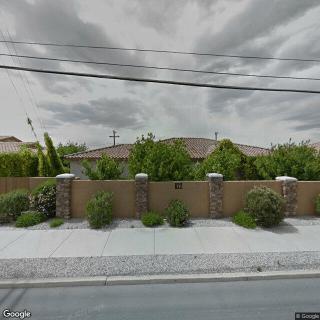
602 South Wilmot, Tucson, AZ 85711
For more information about senior living options: (866) 208-4318
Overall Review of Sycamore House At Infinity Wilmot
Pros
 The Villas at Wilmont is described as a five-star, highly rated facility where residents are well cared for.
- The staff are attentive, compassionate, and go the extra mile to look after loved ones.
- Families are kept updated on health issues, with nurses and doctors regularly evaluating residents.
- The campus provides a comfortable, at-home environment that feels safe and welcoming.
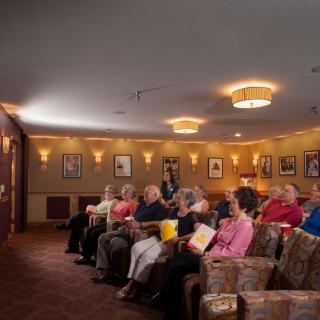
- The atmosphere is upbeat and engaging, with activities and pet therapy contributing to well-being.
- The staff, including Angela and Valerie, are recognized for their excellent care.
- Placement agencies often recommend The Villas, with Tanisha and her team described as kind and a godsend.
Cons
 The staff is very hit and miss.
- The situation with dad has been a struggle.
Review
Sycamore House at Infinity Wilmot is best suited for families seeking a warm, home-like assisted living environment in Tucson that emphasizes accessibility, regular family updates, and an active social scene for residents who need help with daily tasks but still crave personal connection and engaged staff. This community shines when families value open visitation, frequent health updates, and the reassurance of nurse and doctor evaluations on a regular basis. It works well for seniors who respond well to a lively campus atmosphere, where staff engagement and a personal, touch-heavy approach to care matter as much as medical specifics.
Those weighing other options should consider alternatives if the priority is absolute consistency in staffing or more specialized memory care. The reviews flag a risk of uneven staffing, described by one commenter as “hit and miss”, which can translate into variability in day-to-day experiences. For residents who require highly predictable staffing patterns, 24/7 specialized memory care, or a tightly standardized care regime, a community with firmer, more uniform coverage across shifts may be a better fit. Families should plan for variability and probe how the team manages shift changes and continuity of care before committing.
The strongest positives cluster around the human touch and the social, participatory culture. The facility is repeatedly described as beautiful and welcoming, with residents who are engaged and active, music outdoors, social gatherings, and pet therapy all cited as evidence of a vibrant daily life. The presence of a hands-on owner walking the halls and a culture of staff who are willing to go the extra mile are highlighted as standout features. Importantly, families are not shut out: the campus is portrayed as genuinely accessible, with staff who keep loved ones informed, making health concerns and daily transitions easier to navigate from afar.
These advantages do not erase the notable downside, but they do offset a significant portion of it when leveraged correctly. The dependable elements, transparent communication, visible attentiveness from caring staff, and a proactive medical oversight model, help families feel confident that urgent issues will be caught and discussed promptly. Even where staff consistency falters, the framework of updates, evaluations, and open channels provides a buffer that allows families to stay connected and make timely, informed decisions about care. In practice, the emotional and social benefits of the community can compensate for episodic lapses in staffing if the right care team is in place during key moments.
Bottom-line guidance: this community is a viable choice for families prioritizing a homelike setting, an active resident community, and clear, ongoing family engagement. It suits those who want to see their loved ones thrive in a lively environment with regular health oversight and open communication. However, families with heightened needs for uniform staffing discipline or advanced, highly structured memory-care programming should scrutinize staffing plans and care protocols closely, ideally by visiting at different times of day and speaking with the care director about shift coverage and resident-specific care plans. If the verdict leans toward “yes,” insist on confirming which staff members will be assigned to your loved one, and request a trial period to gauge consistency and fit.
 10 resident community capacity
 Assisted Living
 Board and Care Home
 Cable or satellite TV
 Dining room
 Fully furnished
 Garden
 Housekeeping services
 Move-in coordination
 Outdoor space
 Telephone
 Wi-Fi/high-speed internet available
 Tucson International (8 miles away)
 24-hour supervision
 Activities of daily living assistance
 Assistance with bathing
 Assistance with dressing
 Assistance with transfers
 Diabetes diet
 Meal preparation and service
 Medication management
 Special dietary restrictions
 Transportation arrangement (medical)
 Transportation to doctors appointments




 Social Security Benefits and Assisted Living: Navigating Options Across the U.S.
 An Extensive Exploration of the VA Aid and Attendance Benefit
 Senior Transition Services: Understanding Their Role, Cost, and Importance