
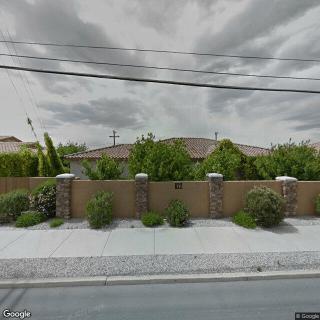
632 South Wilmot Road, Tucson, AZ 85711
For more information about senior living options: (866) 208-4318
Overall Review of Acacia House At Wilmot
Pros
 The Villas provide a comfortable, safe, “at home” environment for loved ones.
- The staff are compassionate, caring, and willing to go the extra mile.
- They keep families updated on health-related issues and welcome visits anytime.
- Angela and Valerie are specifically praised for their attentive care.
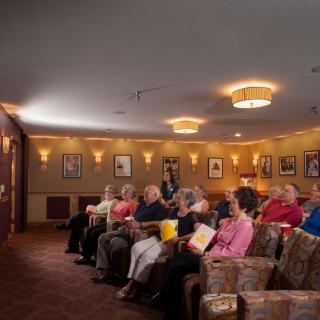
- The campus feels engaging and has a positive, upbeat atmosphere.
- Pet therapy, including a mini pony visit, adds a special, welcoming touch.
- The owner is approachable and personable, making the environment feel very personal.
- The Villas come highly recommended for senior care by those who have used them.
Cons
 The place is nice, but the staff are very hit and miss.
Review
Acacia House at Wilmot in Tucson is best suited for families seeking a warm, home-like assisted-living experience where daily life feels social, personal, and closely monitored. It works well for residents who thrive in an active campus atmosphere, where visiting is easy, communication with caregivers is emphasized, and health updates arrive regularly. For families prioritizing a welcoming environment with tangible acts of care, pet therapy, engaging activities, and staff who appear genuinely invested, this community offers a compelling match. It is particularly well-suited for residents who appreciate a personal touch from leadership and a culture that values daily happiness alongside safety.
The strongest positives lie in the quality of interpersonal care and the degree of family involvement that the community readily supports. Reviewers repeatedly highlight compassionate staff, attentive clinicians, and regular health evaluations by nurses and doctors. The atmosphere feels engaged and upbeat, with activities and social connection playing a central role in daily life. Stories of specific staff members going the extra mile and of ownership-level visibility around the campus underscore a commitment to accountability. The combination of accessible administration, open visitation policies, and proactive communication makes a meaningful difference for families navigating transitions.
That said, the experience is not uniformly consistent. One account notes that staff performance can be hit and miss, introducing a degree of unpredictability into routine caregiving. For families who rely on a steady, seamless cadence of care across shifts, especially for residents with memory challenges or complex medical needs, this variability can be disconcerting. The warmth and generosity evident in many interactions do not erase the reality that day-to-day reliability may fluctuate, which can complicate planning for long-term needs.
Even with that caveat, several structural strengths mitigate the main drawback. Open access for families to visit and call, coupled with timely updates on health concerns and routine clinical evaluations, creates a strong framework for oversight. The presence of pet therapy, engaging group activities, and a campus culture that feels personal, augmented by visible administrator involvement, helps sustain a high-quality living experience when staffing is aligned. In practice, that means residents can enjoy a genuine sense of home, safety, and community, with families feeling informed and connected, which goes a long way toward offsetting occasional staffing gaps.
Altogether, this community makes a robust case for families prioritizing warmth, accessibility, and personal connection, while recognizing the potential need for careful due diligence on staffing consistency. If a resident’s need is for very predictable day-to-day care with minimal variation in staffing or if the care plan calls for high-frequency clinical oversight across all shifts, alternatives with more standardized staffing models or more formalized memory-care programming may be preferable. Those weighing affordability against depth of clinical interaction should also compare options, as pricing structures and care levels can vary even among likeminded communities.
Practical next steps are clear and actionable. Schedule visits across different days and times to observe how caregivers interact with residents during routine tasks versus social activities. Ask blunt questions about staffing ratios, shift coverage, and what happens when the primary caregiver is off; request concrete examples of how families are kept informed, including sample care plans and documentation practices. Meet the administrator and frontline staff, and take notes on whether the personal tone is sustainable over time. If the responses align with expectations for consistent communication, genuine compassion, and a home-like daily rhythm, Acacia House at Wilmont stands as a well-considered, practical choice for a family navigating assisted living decisions.
 10 resident community capacity
 Assisted Living
 Board and Care Home
 Cable or satellite TV
 Dining room
 Fully furnished
 Garden
 Housekeeping services
 Move-in coordination
 Outdoor space
 Telephone
 Wi-Fi/high-speed internet available
 Tucson International (8 miles away)
 24-hour supervision
 Activities of daily living assistance
 Assistance with bathing
 Assistance with dressing
 Assistance with transfers
 Diabetes diet
 Meal preparation and service
 Medication management
 Special dietary restrictions
 Transportation arrangement (medical)
 Transportation to doctors appointments




 Comprehensive Residential Support and Assisted Living Solutions for Individuals with Disabilities
 Comprehensive Supportive Living Arrangements for Adults with Disabilities
 Funding and Affording Assisted Living: A Thorough Overview