For more information about senior living options: (866) 208-4318
4.6 from 95 reviews
5 stars
79
4 stars
8
3 stars
0
2 stars
1
1 stars
7
Sunriver Assisted Living I Costs & Pricing
Sunriver Assisted Living I offers competitive pricing for its services, with monthly costs significantly lower than both Pima County and the broader Arizona state averages. For semi-private rooms, residents pay $1,800, which is notably less than the county's average of $2,805 and the state average of $2,820. Similarly, private room accommodations are available at a rate of $2,200 - well below the Pima County average of $3,332 and the state average of $3,345. Such pricing positions Sunriver Assisted Living I as an attractive option for individuals seeking quality care without straining their budgets in comparison to surrounding alternatives.
Floor plans
Sunriver Assisted Living I
Pima County
Arizona
Semi-Private
$1,800
$2,805
$2,820
Private
$2,200
$3,332
$3,345
Senior living communities with a similar price nearby
About the same
Connie's Manor Home
5 from 9 reviews
$1,850 to $2,300 / month
15.2 miles away
from +$200 / mo
Casa de Sonshine
4.9 from 24 reviews
$2,000 to $2,800 / month
20.1 miles away
from +$200 / mo
1 Abbey Adult Care Home
4.8 from 42 reviews
$2,000 to $3,500 / month
5.8 miles away
from +$95 / mo
Echelon of Tucson
4.6 from 160 reviews
$1,895 to $2,695 / month
10.0 miles away
from -$250 / mo
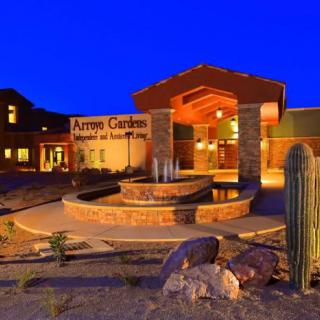
Arroyo Gardens
4.6 from 46 reviews
$1,550 to $5,330 / month
23.3 miles away
Overall Review of Sunriver Assisted Living I
common
Care team is consistently praised
Residents and families repeatedly describe the care team as kind and responsive.
Many reviewers focus on how attentive, caring, and professional the staff feels day to day, including how they treat residents with respect. Several mention that communication and follow-through reduce worry for families. A few reviews also raise concerns about specific medical or personal-care situations, but the dominant tone is positive about staff dedication.
common
Dining gets positive mentions overall
Meals are a frequent highlight, with residents and families calling the food satisfying.
Multiple reviews praise the quality of the food and describe it as a step above elsewhere they compared. Some reviewers mention menu choice and special occasions with family meals. There are also a few reservations about food, with at least one person suggesting it could improve, even while still enjoying meals like dinner.
common
Activities and engagement stand out
Reviews frequently mention activities that keep residents busy and engaged.
Several residents and families describe a steady schedule of daily activities, from social games to in-house events and outings. Reviewers also comment on how the community helps residents stay involved and connected, including for people living with dementia. One reviewer notes a preference for indoor activities, and another mentions a lack of certain outdoor amenities as a drawback at this price point.
differentiator
Medical support is a key draw
Residents in memory care are repeatedly described as supported with hands-on medical coordination.
A number of reviews specifically mention memory care and the reassurance families felt about safety and individualized attention. Some reviewers describe having a provider on call and medical services handled through the community, which helped during illness. There are also mentions of hospice involvement and communication during transitions or changing needs.
caveat
Pricing and add-on charges raise concerns
Some reviewers describe pricing surprises or add-on costs they found concerning.
A couple of reviews call out issues with costs, including cases where the final price or charges felt different from what was expected. One reviewer also says the community is more expensive than other options they considered. Separately, one review notes limitations in amenities like a pool or outdoor exercise space as a negative given the cost.
How we summarize
We summarize when many written reviews mention each theme; a review can touch several themes, and only frequently mentioned themes are displayed.
Features
Types of Care
Board and Care Home
Amenities
Private
Private bathrooms
Respite or short term stays offered
Wheelchair accessible showers
Transportation
Tucson International (8 miles away)
Care Services
Diabetic care
High acuity care
Nearby Places of Interest
This part of Tucson, Arizona offers a variety of amenities and services suitable for seniors. With multiple pharmacies in close proximity, accessing medications and healthcare essentials is convenient. There are also several dining options nearby, including fast food restaurants and a casual dining experience at Culver's or Hooters. For those looking to relax outdoors, parks like Palo Verde Park and Fantasy Island provide peaceful settings for leisurely strolls or picnics. Places of worship such as Christ Presbyterian Church offer spiritual support, while healthcare services at Tucson Occupational Medicine and Harmony Obgyn ensure access to quality medical care. Additionally, the presence of theaters like Century Park Place 20 And Xd provides entertainment options for seniors looking to enjoy movies or live performances. Overall, this area boasts a mix of essential services, recreational opportunities, and community amenities that cater to the needs and interests of older adults considering senior living in Tucson.
Pharmacies
Walgreens (0.7 miles)
CVS Pharmacy (1 miles)
Safeway Food & Drug (1.3 miles)
Walgreens (2.7 miles)
Walmart Pharmacy (2.7 miles)
Walgreens (2.8 miles)
CVS Pharmacy (2.9 miles)
Restaurants
McDonald's (1.6 miles)
McDonald's (2.4 miles)
Culver's (2.6 miles)
Hooters (2.6 miles)
Taco Bell (2.6 miles)
In-N-Out Burger (2.7 miles)
McDonald's (2.7 miles)
Cafes
The Human Bean (2.1 miles)
Dutch Bros Coffee (2.9 miles)
Panera Bread (3.1 miles)
Starbucks (4.6 miles)
Dutch Bros Coffee (4.6 miles)
Coffee X Change (4.7 miles)
Parks
Palo Verde Park (2.5 miles)
Fantasy Island (3.1 miles)
Julian Wash Greenway (4.7 miles)
Udall Park Soccer Fields (4.8 miles)
Places of Worship
Christ Presbyterian Church (2.8 miles)
Rincon Congregational Church (3.6 miles)
Grace To The Nations (4.4 miles)
Desert Valley Adventist Church (4.8 miles)
Vail Christian Church (5.1 miles)
Physicians
Tucson Occupational Medicine (3 miles)
Radiology (3.1 miles)
Harmony Obgyn (3.1 miles)
SoundPoint Audiology and Hearing (3.2 miles)
Tmj Disorders Orofacial Pain Center PC (3.4 miles)
Sunriver Assisted Living I offers competitive pricing for its services, with monthly costs significantly lower than both Pima County and the broader Arizona state averages. For semi-private rooms, residents pay $1,800, which is notably less than the county's average of $2,805 and the state average of $2,820. Similarly, private room accommodations are available at a rate of $2,200 - well below the Pima County average of $3,332 and the state average of $3,345. Such pricing positions Sunriver Assisted Living I as an attractive option for individuals seeking quality care without straining their budgets in comparison to surrounding alternatives.
Palliative care enhances the quality of life for seriously ill patients by providing comprehensive support at home through a multidisciplinary team, addressing various needs and prioritizing comfort over curative treatments. While it offers personalized care and involves family in decision-making, challenges like caregiver stress and logistical issues persist, with growing demand prompting advancements in technology and healthcare policies to improve access.
Palliative home care focuses on improving the quality of life for individuals with serious illnesses by providing comfort, symptom management, and emotional support in their own homes. This approach includes personalized care plans, regular assessments, and resources for family caregivers, all while prioritizing person-centered treatment that aligns with patients' goals.
Skilled nursing facilities (SNFs) provide high-level medical care and rehabilitation for short-term recovery, typically covered by Medicare after hospitalization, while nursing homes focus on ongoing custodial care for chronic conditions, mainly funded by Medicaid or private payments. The staffing and regulatory structures differ significantly between the two, necessitating clarity for families in choosing appropriate long-term care options.
Get PricingAsk A QuestionSchedule A TourContact Senior Advisor
By clicking submit, you agree to our Partner's Terms of Use. You
also consent to receive calls and texts, which may be autodialed, from our Partner. Your consent is not a condition to
using our Partner's service. Please visit our Partner's Privacy Policy for information about their privacy practices.


 Board and Care Home
 Private
 Private bathrooms
 Respite or short term stays offered
 Wheelchair accessible showers
 Tucson International (8 miles away)
 Diabetic care
 High acuity care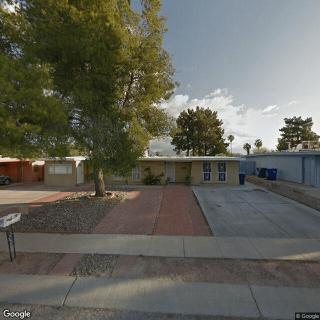
 Competitive pricing with specialized incontinence care.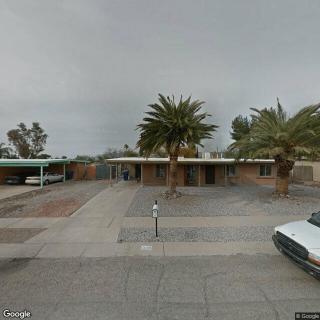
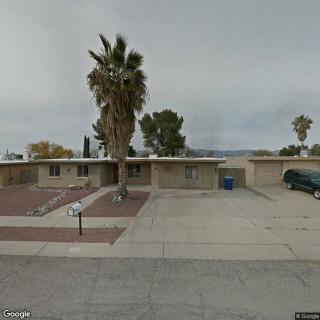

 Exploring Palliative Care in the Home: A Comprehensive Overview
 Comprehensive Insights into Palliative Home Care: What It Is and What to Expect
 Skilled Nursing Facilities vs. Nursing Homes: Making Sense of the Differences