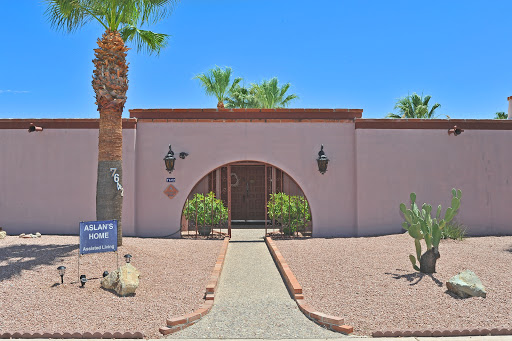
7642 East 38Th Street, Tucson, AZ 85730
For more information about senior living options: (866) 208-4318
Aslan's Home Costs & Pricing
Aslan's Home offers a private room at a monthly rate of $3,700, which reflects a premium over the average costs in both Pima County and the broader state of Arizona. In comparison, Pima County reports an average cost of $3,332 for similar accommodations, while the state average stands slightly higher at $3,345. This positioning suggests that Aslan's Home may provide enhanced services or amenities that justify the additional expense. Prospective residents should consider these factors alongside their budgetary constraints to determine if the unique offerings at Aslan's Home align with their needs and expectations.
| Floor plans | Aslan's Home | Pima County | Arizona |
|---|---|---|---|
| Private | $3,700 | $3,332 | $3,345 |
Assisted Living communities with a similar price nearby
-
from -$550 / mo

Casa De Buena Vida
$3,150 to $3,450 / month13.1 miles away -
from -$500 / mo
Academy Villas
$3,200 to $7,000 / month9.4 miles away -
About the same
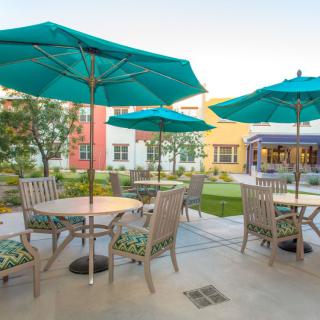
The Ranch Estates of Tucson
$3,600 to $4,840 / month14.3 miles away -
from -$700 / mo
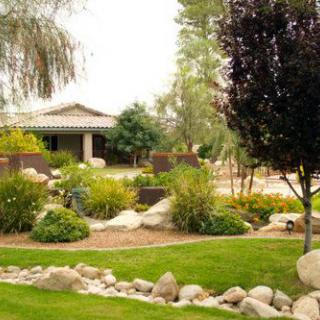
Crossroads Adult Care Homes
$3,000 to $3,600 / month11.5 miles away -
from -$555 / mo
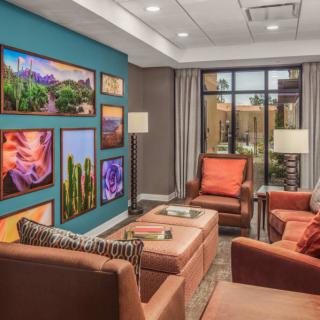
The Watermark at Oro Valley
$3,145 to $4,995 / month14.9 miles away
Overall Review of Aslan's Home
Pros
 Marie Whittle was wonderfully cared for at Aslan's Home, both physically and emotionally.
- She felt safe and loved there.
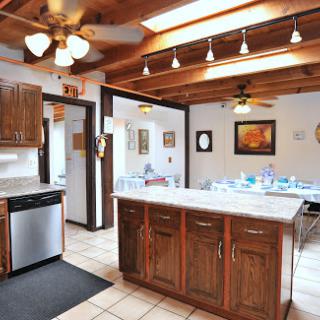
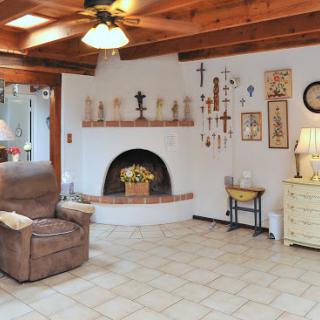
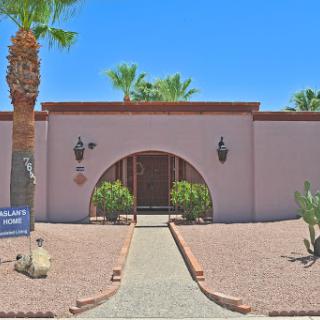
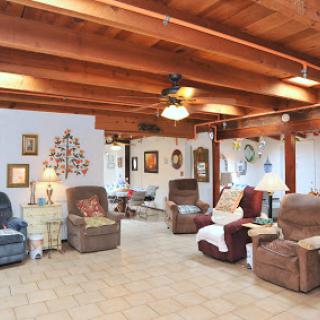
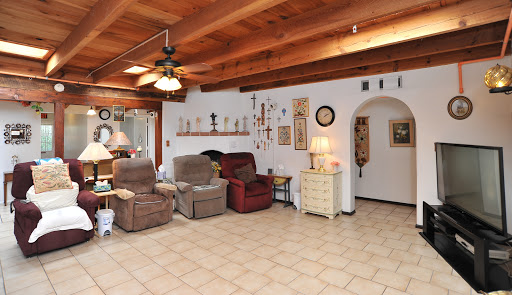
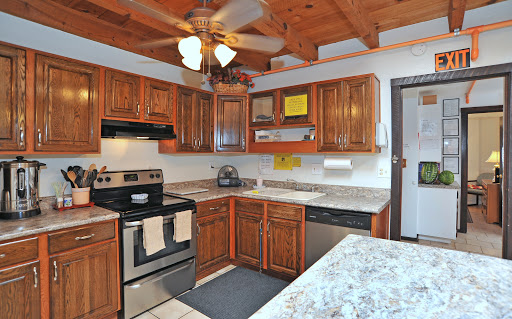
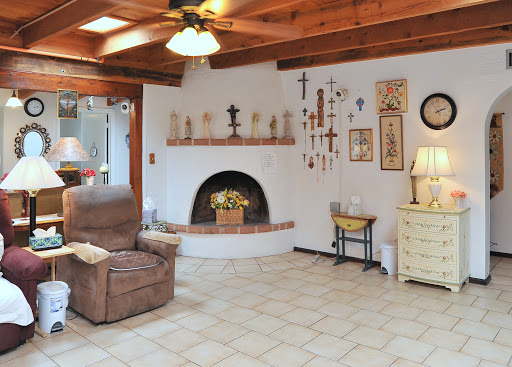
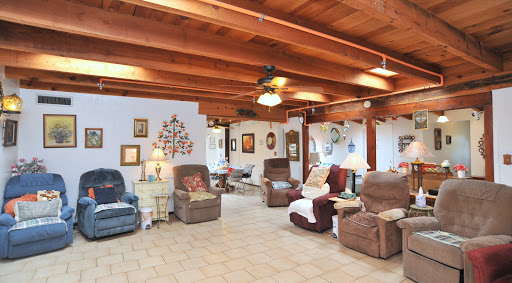
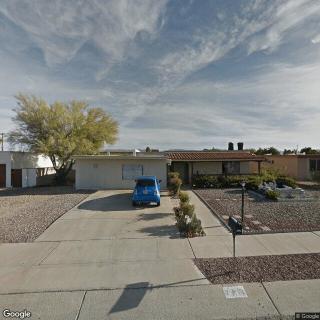
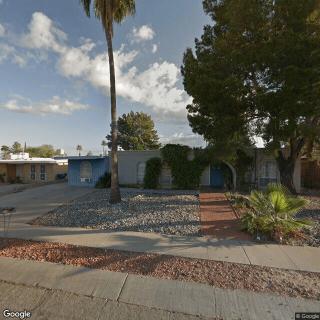
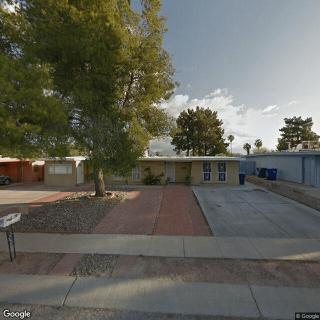
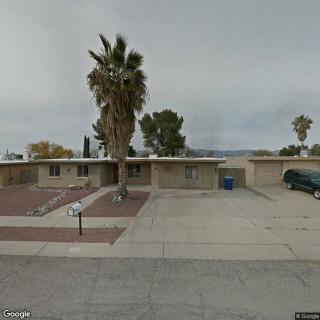
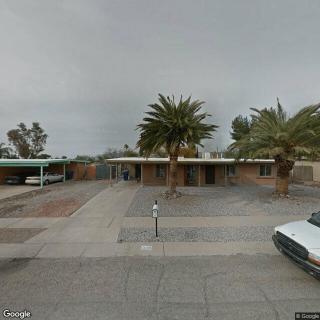
- The home is a beautiful hacienda-style private residence with private rooms.
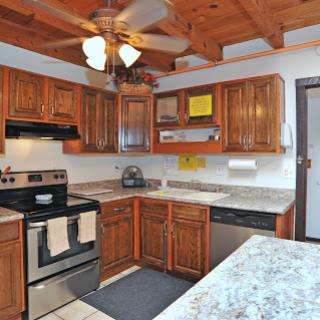
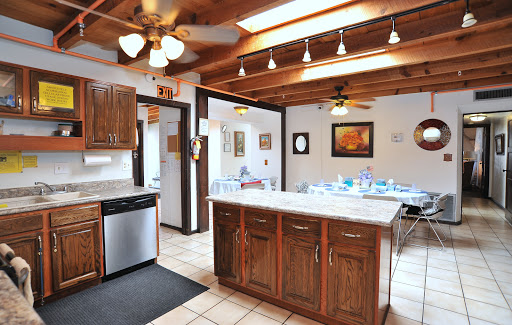
- The house is very clean and well furnished.
- Housekeeping and laundry are provided.
- The food is home cooked by a chef and is very good.
- The home has an in-house doctor on call with labs, pharmacy, and X-rays available at the house.
- The owner is a nurse and all caregivers are certified.
- They have a hairdresser and a very good reputation in the community.
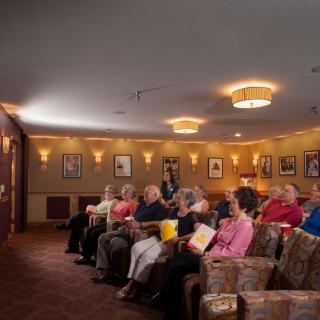
- They offer numerous activities and outings for residents.
Cons
 They warn to beware of this place and want to get their mom out of there.
- They say there will be no thanks to the staff once she leaves the hospital.
Review
Aslan’s Home in Tucson is best suited for families seeking an intimate, memory-care oriented setting where daily life remains personal and predictable. The 10-resident private-home model delivers private rooms, a homelike atmosphere, and a strong clinical backbone, anchored by an owner who is a nurse and an on-call in-house doctor who coordinates labs, pharmacy, and X‑rays. This combination creates a calm, controllable environment where caregivers can form real relationships with both residents and families, supporting safety, routine, and a sense of belonging for seniors who need assistance with daily activities and dementia-related challenges.
Those considering alternatives should note who may not be the best fit. If a resident requires continuous, hospital-level medical intensity, a broader therapy menu, or care for non-dementia needs, the private-home model may feel undersized compared with larger campuses that offer more on-site specialists and expansive programming. Families who place a premium on formal discharge planning from hospital to home, or who want a facility with more standardized transition protocols and documented care plans, may wish to compare options with more robust transition systems. In short, this setting excels on intimacy and continuity, but its scale invites trade-offs for those chasing broader clinical depth.
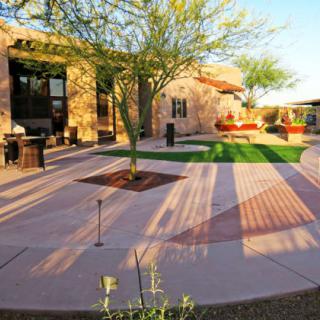
The most compelling positives lie in privacy, hands-on care, and consistent daily life. All residents have private rooms, and the home emphasizes cleanliness and thoughtful furnishings. Housekeeping and laundry are included, while meals come from a home-style kitchen prepared by a chef with available alternatives. Clinically, the model is reinforced by a nurse-owner and certified caregivers, with an in-house doctor who can manage labs, pharmacy, and imaging, plus transportation for appointments. Socially, the property offers a welcoming outdoor patio, a courtyard with a tropical garden and fountain, walking paths, and multiple in-house activities, crafts, and outings when residents are able. The overall impression is that of a well-run, caring environment where staff know residents well and routines stay stable, which is a meaningful advantage for dementia care.
Yet one negative experience stands out as a cautionary anchor. A one-star review raises concerns about how hospital discharges are handled, suggesting there may be gaps in transition management at times. This lone experience does not erase the numerous positives, but it does highlight a crucial risk area: the need for clear, proactive communication and a well-documented, family-accessible discharge and follow-up process. Prospective families should press for specifics on who coordinates post-hospital care, how quickly changes in health are reflected in care plans, and what information is shared with families during transitions. The subtle message is that even in a strong, small setting, transition quality matters just as much as daily care quality.
In balancing the pros and cons, it becomes clear what this home does exceptionally well and where vigilance is warranted. The intimate staff-to-resident dynamic, the nurse-led clinical oversight, and the warm, private-residence ambiance are powerful offsets to the limitations of a small-scale operation. Families should demand concrete details about staffing coverage, on-site availability after hours, and the exact flow of information during medical events. Insist on a sample daily schedule, a written care plan updated after any health change, and opportunities to meet the doctor and direct caregivers. Doing so ensures that Aslan’s Home can deliver its strengths, stability, personalized attention, and a comforting, home-like day-to-day life, while minimizing the friction that can accompany hospital-to-home transitions.
 10 resident community capacity
 Assisted Living
 Board and Care Home
 Activities on-site
 Bath tubs
 Beautician on-site
 Cable or satellite TV
 Devotional services off-site
 Dining room
 Fully furnished
 Garden
 Housekeeping services
 Indoor common areas
 Move-in coordination
 Outdoor common areas
 Private
 Private bathrooms
 Respite or short term stays offered
 Telephone
 Wheelchair accessible showers
 Wi-Fi/high-speed internet available
 Tucson International (8 miles away)
 24-hour supervision
 Ambulatory care
 Assistance with bathing
 Assistance with dressing
 Assistance with transfers
 Diabetes diet
 Diabetic care
 High acuity care
 Meal preparation and service
 Medication management
 Special dietary restrictions
 Transportation arrangement (medical)
 Transportation to doctors appointments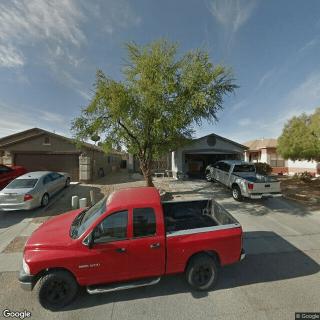

 Comprehensive Residential Support and Assisted Living Solutions for Individuals with Disabilities
 Comprehensive Supportive Living Arrangements for Adults with Disabilities
 Funding and Affording Assisted Living: A Thorough Overview