
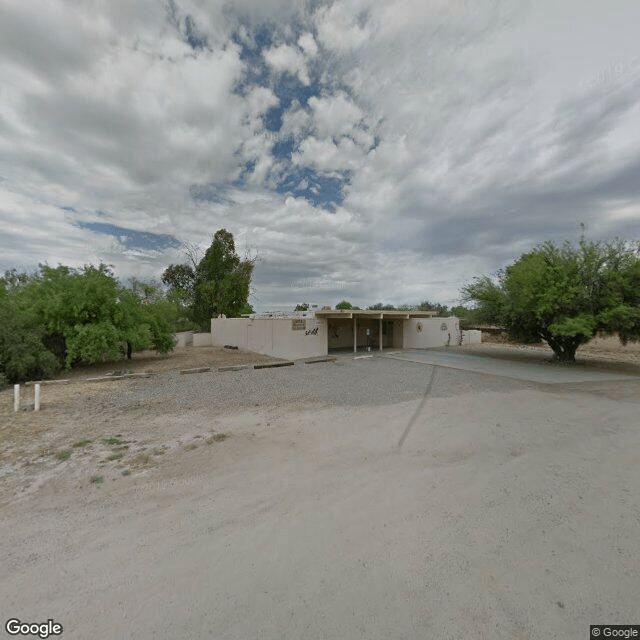
5323 N Oracle Jayne Station Road, Tucson, AZ 85704
To contact a resident: (520) 575-5567
For more information about senior living options: (866) 208-4318
Overall Review of Ridgecrest II
Pros
 Paul and the staff are true caregivers who provided exceptional care for her.
- Their attention and kindness far exceeded the level of care she had received at previous places.
- She is very happy there.
- Her family enjoys visiting her.
- The place is great for dementia patients.
Cons
 She can be very hard to handle sometimes.
Review
Ridgecrest II in Tucson, AZ is best suited for families seeking memory-care focused support where compassion and individualized attention are non-negotiable. The community earns traction from a caregiving-first approach, with staff described as true caregivers who deliver exceptional, attentive care for residents with dementia. It is a setting where family involvement is welcomed and visits feel natural, not disruptive. For households navigating the complexities of memory loss, Ridgecrest II offers a reassuring combination of humane day-to-day care and a familiar, resident-centered atmosphere that makes a difficult transition feel manageable rather than daunting.
That said, families with higher medical acuity or broader rehabilitation expectations may want to explore alternatives. Ridgecrest II’s strengths lie in dementia-specific care and personal interaction rather than a broad, hospital-level or multi-discipline medical program. If essential medical oversight, such as on-site clinicians, robust skilled-nursing coverage, intensive therapy services, or highly structured clinical programs, drives the decision, then a facility with a wider medical footprint could better match those needs. Similarly, households seeking a wide array of social activities beyond dementia care or a more comprehensive continuum of care might prefer other options.
The most salient pros are the staff dynamics and the resident-first philosophy. Reviews highlight staff members who genuinely invest in residents’ well-being, with kindness and steadiness that often surpass what families have experienced elsewhere. This caregiving ethos translates into calmer, safer days for memory-impaired residents, where behaviors can be managed with patience and non-pharmacological strategies rather than reflexive sedation. The environment also aligns with families’ wishes to keep loved ones in a setting that values dignity and consistent, respectful treatment, making everyday life more predictable and comfortable for both residents and visitors.
However, there is a cautionary note tied to the limited public feedback. With only four reviews and one negative rating, the full spectrum of experience is understandably narrow, and a single outlier can skew impressions. Potential residents should recognize that some concerns may exist behind the scenes, especially regarding how the facility handles transitions, communicates care plans, or scales services for different levels of dementia progression. Prospective families should verify staffing stability, care coordination, and transparency during tours, and ask for recent, concrete examples of how care plans are customized.
The positive care dynamic effectively offsets many of the potential gaps, but not all. The standout dementia-focused approach, combined with a home-like atmosphere and frequent family engagement, addresses core anxieties around safety, dignity, and personalized attention. For families prioritizing compassionate, resident-centered care with trustworthy caregivers, Ridgecrest II delivers tangible value: a place where a loved one with memory challenges can receive steady, respectful support that honors individuality and privacy. Still, the absence of a broad medical suite means the facility should be paired with regular external medical oversight when complex clinical needs arise.
In decision terms, Ridgecrest II is a strong match for families prioritizing dementia care delivered with warmth, respect, and real caregiver-to-resident connection. It is less ideal for those whose criteria center on aggressive medical management, intensive rehabilitation, or a wide-ranging activity calendar beyond memory care. The prudent next steps are clear: schedule a thorough tour, request a sample care plan and daily schedule, and inquire about staff-to-resident ratios and on-site medical resources. Compare Ridgecrest II against alternatives that offer more robust clinical oversight to confirm which setting best aligns with the resident’s current needs and the family’s risk tolerance.
 Assisted Living
 Activities on-site
 Devotional services off-site
 Indoor common areas
 Tucson International (13 miles away)
 Ambulatory care
 Diabetic care
 Meals provided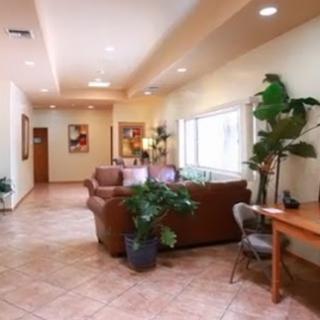


 Social Security Benefits and Assisted Living: Navigating Options Across the U.S.
 An Extensive Exploration of the VA Aid and Attendance Benefit
 Senior Transition Services: Understanding Their Role, Cost, and Importance