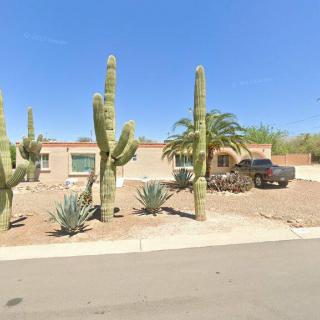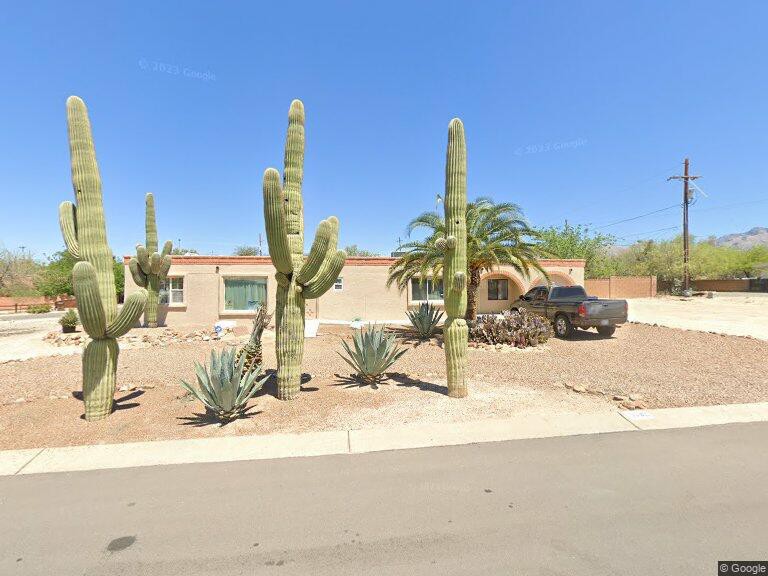
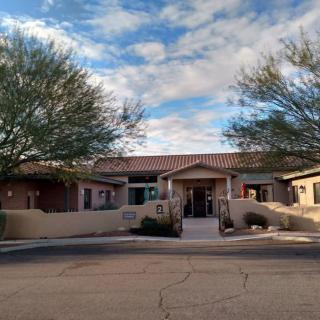
5332 North Flint Avenue, Tucson, AZ 85704
For more information about senior living options: (866) 208-4318
Las Palmas Assisted Living Home Costs & Pricing
Las Palmas Assisted Living Home presents a premium option for those seeking assisted living services, with monthly costs notably higher than both Pima County and the broader state of Arizona. The price for a one-bedroom suite at Las Palmas is $6,750, significantly exceeding the county's average of $3,660 and the state's average of $3,532. Similarly, the studio option at Las Palmas is priced at $7,350, which surpasses Pima County's average of $3,786 and Arizona's average of $3,829. This disparity suggests that Las Palmas likely offers enhanced amenities or specialized care services that contribute to its higher costs, making it an appealing choice for families prioritizing quality and comprehensive care in a comfortable environment.
| Floor plans | Las Palmas Assisted Living Home | Pima County | Arizona |
|---|---|---|---|
| 1 Bedroom | $6,750 | $3,660 | $3,532 |
| Studio | $7,350 | $3,786 | $3,829 |
Overall Review of Las Palmas Assisted Living Home
Pros
 The place is wonderful.
- The staff are beautiful people.
- It is highly recommended.
- It is very clean.
- Everyone is very nice.
- They take excellent care of moms there.
- Maria, the owner, is the best; she is very caring, knowledgeable, and on top of things.
Review
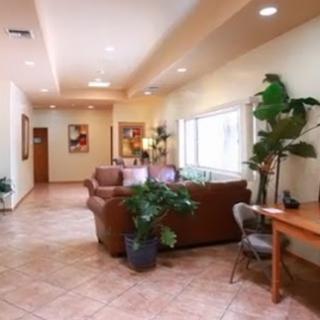
Las Palmas Assisted Living Home in Tucson, AZ is best suited for families seeking a small, home-like setting where residents receive highly personalized attention from an owner-operated environment. The strongest fit emerges for seniors who value direct, hands-on involvement from leadership, a warm and welcoming staff, and a clean, inviting living space. In this context, the owner’s hands-on approach and the emphasis on genuine, respectful care stand out as core strengths that align with families looking for reassurance, continuity, and a semblance of “home” rather than a large institutional atmosphere.
Those considering alternatives should note that Las Palmas may not be the right match for every resident. For seniors requiring intensive medical oversight, complex wound care, or a full continuum of memory-care services, a larger community with greater on-site medical staffing and specialized dementia programs could prove more suitable. Families prioritizing robust activity programming across many hours, on-site therapy options, and a wide array of service levels may also prefer a bigger campus with more infrastructure. In short, this setting excels on intimacy and responsiveness, but less so on medical breadth and volume of services.
The most compelling pros are easy to verify during a visit: a remarkably clean environment, a welcoming, friendly staff, and a sense of genuine care from the owner that translates into trusted day-to-day interactions. The owner, described as caring, knowledgeable, and consistently on top of things, provides a leadership tone that can translate into rapid problem resolution and clear accountability. For families, those qualities translate into peace of mind: a resident is likely to receive attentive monitoring, prompt responses to concerns, and a environment where staff know routines, preferences, and important medical details.
Those advantages must be weighed against the reality that comes with small homes and mixed reviews. With ratings that span from high praise to a low score, questions about consistency inevitably arise. The absence of broad-scale services in a cottage-like setting can mean variability in staff availability, limited on-site medical resources, and fewer structured programs than larger communities. This reality isn’t a verdict on quality, but a practical reason to verify what matters most: how care transitions are managed, how quickly needs escalate, and whether the daily rhythm aligns with a resident’s preferences.
For families evaluating Las Palmas, a disciplined due-diligence checklist will yield the clearest picture. During tours, request direct time with caregiving staff to understand shift patterns, training, and turnover. Review sample care plans, medication management processes, and emergency protocols. Examine meal quality, dining flexibility, and the cadence of daily activities to assess engagement opportunities. Inquire about pricing transparency, contractual obligations, and what happens if levels of care must shift. Speaking with current residents and relatives can reveal consistency of experience beyond a single glowing testimonial or a lone critical remark.
In the end, Las Palmas Assisted Living Home stands out as a practical choice for families prioritizing warmth, cleanliness, and a highly involved owner who can deliver reliable, personable care in a compact community. It is a particularly strong fit for seniors who thrive on predictability, direct access to leadership, and a setting that feels like a comfortable home rather than a hospital wing. For those who require extensive medical oversight, dementia-focused programming, or a larger service ecosystem, alternatives that offer broader clinical resources should be explored. The right decision hinges on aligning care needs, desired daily structure, and risk tolerance with the realities of a small, personally led home.
 10 resident community capacity
 Assisted Living
 Board and Care Home
 Activities on-site
 Cable or satellite TV
 Devotional services off-site
 Dining room
 Fully furnished
 Garden
 Housekeeping services
 Indoor common areas
 Move-in coordination
 Outdoor space
 Telephone
 Wi-Fi/high-speed internet available
 Tucson International (13 miles away)
 24-hour supervision
 Ambulatory care
 Assistance with bathing
 Assistance with dressing
 Assistance with transfers
 Diabetes diet
 Diabetic care
 Meal preparation and service
 Medication management
 Special dietary restrictions
 Transportation arrangement (medical)
 Transportation to doctors appointments

 Choosing the Right Senior Care: A Detailed Exploration of Assisted Living and Nursing Homes
 Understanding the True Cost of Assisted Living in 2025: A Comprehensive Guide
 Understanding Medicaid Coverage for Assisted Living: A Comprehensive Guide