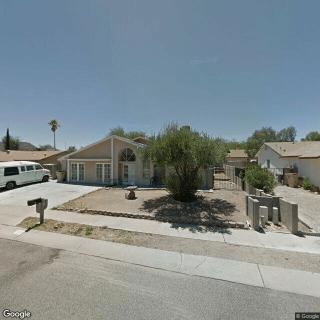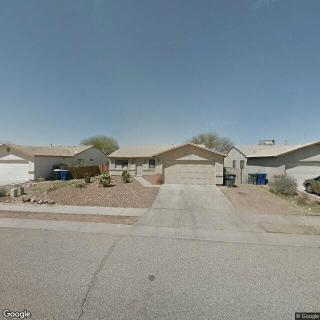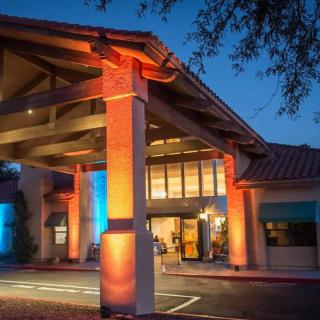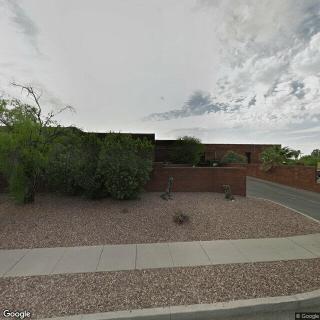
Maria's Adult Foster Care in Tucson, AZ

Save
Maria's Adult Foster Care

Maria's Adult Foster Care in Tucson, AZ

3272 W Avenida Luna, Tucson, AZ 85746

For more information about senior living options: (844) 490-3973

3 from 2 reviews
Board and Care Home

Maria's Adult Foster Care Costs & Pricing

Maria's Adult Foster Care offers a competitive pricing structure that stands out in both Pima County and the broader Arizona market. For a private room, residents enjoy an affordable rate of $2,000 per month, significantly lower than the averages of $3,332 in Pima County and $3,345 statewide. The semi-private accommodations also reflect an attractive price point at $2,000 monthly, compared to $2,805 in Pima County and $2,820 across Arizona. This cost-effective approach not only highlights Maria's commitment to providing quality care at accessible rates but also positions her facility as a compelling choice for families seeking supportive living arrangements for their loved ones.

Floor plansMaria's Adult Foster CarePima CountyArizona
Private$2,000$3,332$3,345
Semi-Private$2,000$2,805$2,820

Overall Review of Maria's Adult Foster Care

Pros

  • pro Her mother is very happy with Maria's.
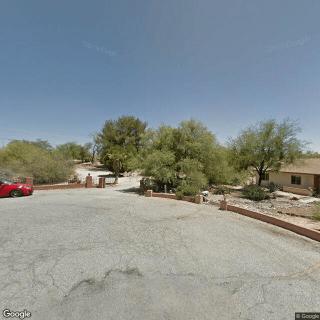
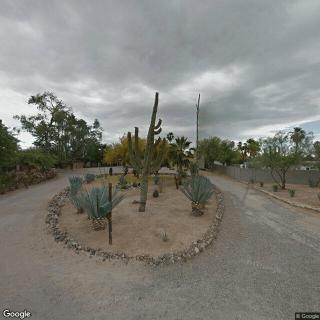
  • pro Maria's is a cozy home with a great fruit garden and a peaceful atmosphere.
  • pro A nurse visits once a month if needed.

Cons

  • pro They were not expecting us since they rented out the room.
  • pro It was dark inside and the dining table was half covered with papers and such.
  • pro Their private room had one lady in a wheelchair staring at a wall.
  • pro The ladies were sitting on the beds doing nothing.
  • pro There wasn't much respect for the people in her care.

Review

Maria's Adult Foster Care in Tucson is best suited for families seeking a small, home-like environment for seniors who do not require intensive medical care or constant supervision. The setting is intimate, with a cozy atmosphere that can feel more like a private residence than a traditional facility. A peaceful, garden-centered vibe can offer a gentler rhythm and easier social pacing than larger communities. For the right resident, this can translate into a stronger sense of belonging, fewer transfers, and a simpler, more familiar daily routine. This is a space where personal touches and direct caregiver contact can feel more accessible than in bigger operations.

However, this type of community is not a fit for everyone. Families with concerns about reliable staffing, regular nursing oversight, or a robust activity calendar should consider alternatives. One reviewer described a chaotic arrival and a room that seemed mismanaged, with the dining table half covered in papers and a dark interior. The impression was of inconsistent expectations and limited supervision, with nursing visits reportedly limited to once a month if needed. For residents who require steady daily assistance, medication management, or meaningful, structured engagement, the small-home model typically cannot deliver the level of care and routine that many families expect.

The positive thread centers on a warm, homey ambiance. A reviewer's mother reportedly thrived in a cozy setting with a fruit garden and a peaceful atmosphere, underscoring how a smaller space can foster comfort, easier communication, and a slower pace. When those conditions align with a resident's preferences - preferring privacy, individualized attention, and a residence that feels less clinical - the charm of a home-like atmosphere can compensate for some organizational rough edges. The garden and intimate common spaces can support light activities, mobility, and a sense of normalcy, contributing to wellbeing for residents who do not require heavy medical intervention.

Yet the downsides must be weighed seriously. The described experiences suggest a potential mismatch between promises and day-to-day delivery. Residents may encounter inconsistent attention, with staff stretched thin or unavailable at times. Observations of residents sitting on beds with limited stimulation raise questions about engagement and purposeful activity. A mixed-occupancy room arrangement in one report hints at management and space-allocation challenges. When care needs escalate - mobility support, meal service, or medication oversight - the gaps become more noticeable and harder to bridge within a small, home-based setting.

For families evaluating a stay here, a disciplined due-diligence process matters. Observe how staff interact with residents and whether routines feel predictable and respectful. Inquire about nurse hours, medication handling, care planning, and after-hours emergency management. A guided tour should cover resident rooms, common areas, and the kitchen; check licensing status and recent inspection results. Speak with current residents or their families about daily engagement and activity options. Outline what a trial period would look like and what happens if care needs rise beyond what the setting can sustain. Clarity on these points prevents misaligned expectations.

Bottom line: Maria's Adult Foster Care can be a strong fit for families prioritizing a warm, intimate, garden-focused home where independence and a gentle pace matter more than formal oversight. It is not ideal for those who require steady nursing contact, robust daily programming, or reliable, consistent staffing. Alternatives - larger, licensed assisted living facilities with dedicated staff or other adult foster homes with proven daily engagement - should be explored when care needs threaten to outgrow what a tiny, home-based model can sustain. The mixed reviews - a glowing note about coziness and a harsher account of disorganization - reflect real variance in experience. A careful, procedural pre-move evaluation, transparent staffing discussions, and a well-negotiated trial period are essential before committing.

Features

Types of Care

  • Board and Care Home Board and Care HomeBoard and care homes provide a smaller, more intimate setting for seniors who require assistance with daily tasks but do not need the level of care offered by a nursing home. They offer personalized care, meals, and social activities in a homelike environment, ensuring that seniors receive individualized attention and support in their golden years.

Amenities

  • Activities off-site Activities off-siteEngaging in off-site activities is crucial for seniors to maintain social connections, stay active, and stimulate their minds. It promotes overall well-being and helps combat feelings of isolation and loneliness.
  • Activities on-site Activities on-siteActivities on-site are important for seniors because they provide opportunities for socialization, mental stimulation, physical activity, and overall well-being. Engaging in activities can help seniors stay active, maintain their independence, and improve their quality of life.
  • Air-conditioning Air-conditioningAir conditioning is important for seniors as they are more vulnerable to heat-related illnesses and may have underlying health conditions that make it difficult for them to regulate their body temperature. It helps to keep them comfortable, safe, and healthy in hot weather.
  • Beautician on-site Beautician on-siteHaving a beautician on-site at a senior living community is important for seniors as it allows them to easily access grooming and personal care services, boosting their self-esteem and overall well-being. It also provides convenience and helps seniors maintain their sense of independence and personal style.
  • Cable or satellite TV Cable or satellite TVCable or satellite TV is important for seniors because it provides entertainment, news, and companionship, helping to combat loneliness and boredom. It also offers a wide range of programming options tailored to different interests and preferences.
  • Devotional services off-site Devotional services off-siteDevotional services off-site are important for seniors as they provide spiritual nourishment, social engagement, and a sense of community outside of the senior living facility. This can enhance overall well-being and help combat feelings of isolation and loneliness often experienced by older adults.
  • Full kitchen Full kitchenHaving a full kitchen in a senior living facility is important for seniors because it allows them to maintain their independence and prepare their own meals. This promotes healthy eating habits, saves money on dining out, and provides a sense of familiarity and comfort for residents.
  • Garden view Garden viewGarden views are important for seniors as they provide natural beauty and tranquility, promoting relaxation and overall well-being. Access to green spaces can also encourage outdoor activity and socialization, enhancing physical and mental health.
  • Ground floor units Ground floor unitsGround floor units are important for seniors because they provide easy accessibility, reduced risk of falls and injuries, and convenience for those with mobility issues. Seniors can avoid climbing stairs or using elevators, making daily tasks and activities more manageable and enjoyable.
  • Handicap accessible Handicap accessible"Handicap accessible" amenities are crucial for seniors to ensure they can easily navigate and access facilities, services, and activities without barriers or limitations due to physical impairments. This promotes independence, safety, and inclusivity for seniors in senior living communities.
  • Indoor common areas Indoor common areasIndoor common areas are crucial for seniors as they provide a space for socialization, recreation, and community engagement, promoting overall well-being and reducing feelings of isolation and loneliness.
  • Outdoor common areas Outdoor common areasOutdoor common areas are important for seniors as they provide a space for socialization, physical activity, and relaxation. Being outside in nature can improve mood and overall well-being, while also encouraging movement and engagement with others. These spaces can help combat feelings of isolation and promote a sense of community among residents.
  • Private PrivatePrivacy is important for seniors as it allows them to maintain their independence, dignity, and sense of control over their own lives. It also gives them the space and freedom to relax, reflect, and engage in activities that bring them joy and fulfillment. Creating private spaces within senior living facilities is crucial for promoting overall well-being and quality of life.
  • Respite or short term stays offered Respite or short term stays offeredRespite or short term stays provide seniors with a temporary solution when their regular caregiver is unavailable, offering them the opportunity to receive additional care and support during times of need, while also giving caregivers a chance to rest and recharge.
  • Wheelchair accessible showers Wheelchair accessible showersWheelchair accessible showers are crucial for seniors as they provide a safe and independent bathing option for those with mobility challenges. These showers help prevent falls and allow seniors to maintain their dignity and autonomy while ensuring they can bathe comfortably.

Transportation

  • Tucson International (6 miles away) Tucson International (6 miles away)

Care Services

  • Diabetic care Diabetic careDiabetic care is crucial for seniors as they are more susceptible to developing diabetes due to aging and other health conditions. Proper management of diabetes can help prevent complications such as heart disease, vision loss, and nerve damage, improving the overall quality of life for seniors in senior living communities.
  • Incontinence care Incontinence careIncontinence care is essential for seniors to maintain their dignity, hygiene, and overall quality of life. By addressing incontinence issues promptly and effectively, seniors can enjoy a sense of independence and comfort in their daily activities.

Dining

  • Guest meals Guest mealsGuest meals are important for seniors living in senior living communities because they provide an opportunity for socialization and companionship. Sharing a meal with friends, family, or new acquaintances can help combat feelings of loneliness and isolation, promote a sense of community, and enhance overall well-being. Additionally, guest meals allow seniors to enjoy delicious food in a comfortable setting without the hassle of cooking or cleaning up, making dining a pleasurable and stress-free experience.
  • International cuisine International cuisineInternational cuisine is important for seniors because it offers a variety of flavors, ingredients, and cultural experiences that can help keep their meals interesting and enjoyable. Trying new dishes can also stimulate the senses and provide different nutrients that contribute to overall health and well-being. Additionally, exploring international cuisine can bring back fond memories of travels or childhood experiences, making mealtime more nostalgic and fulfilling for seniors.
  • Low / no sodium Low / no sodiumLow/no sodium options are important for seniors because excessive sodium intake can lead to high blood pressure, heart disease, and other health issues commonly experienced by older adults. By choosing low/no sodium foods, seniors can better manage their health and reduce their risk of developing these conditions.
  • Meals provided Meals provided"Meals provided" are crucial for seniors in assisted living communities as it ensures they have access to nutritious, balanced meals without the stress of meal planning and preparation. This can help promote overall health and well-being for seniors who may have limited mobility or cognitive abilities.
  • No Sugar No SugarNo sugar diets are important for seniors because they can help prevent or manage chronic conditions such as diabetes, heart disease, and obesity. Sugar can also contribute to cognitive decline and inflammation in the body, so reducing sugar intake can lead to overall improved health and well-being in older adults.
  • Vegetarian VegetarianA vegetarian diet is important for seniors because it can help lower the risk of chronic diseases, maintain a healthy weight, and provide essential nutrients needed for aging bodies. Additionally, plant-based diets are often easier on digestive systems and can contribute to overall well-being in older adults.

Activities

  • Activities off-site Activities off-siteEngaging in off-site activities is crucial for seniors to maintain social connections, stay active, and stimulate their minds. It promotes overall well-being and helps combat feelings of isolation and loneliness.
  • Activities on-site Activities on-siteActivities on-site are important for seniors because they provide opportunities for socialization, mental stimulation, physical activity, and overall well-being. Engaging in activities can help seniors stay active, maintain their independence, and improve their quality of life.
  • BBQs or picnics BBQs or picnicsBBQs or picnics provide seniors with social interaction, enjoyment of the outdoors, and a sense of community, contributing to their overall well-being and quality of life.
  • Birthday parties Birthday partiesBirthday parties are important for seniors as they provide an opportunity for celebration, socialization, and joy. They allow seniors to feel special and appreciated, boosting their mood and overall well-being. Additionally, birthday parties can help combat feelings of isolation and loneliness by fostering connections with friends, family, and community members.
  • Devotional activities offsite Devotional activities offsiteDevotional activities offsite are important for seniors because they provide social engagement, spiritual growth, and a sense of community outside of their living environment. This can improve overall well-being, mental health, and combat feelings of isolation or loneliness.
  • Holiday parties Holiday partiesHoliday parties are important for seniors because they provide opportunities for socialization, community involvement, and mental stimulation. These festive events offer a sense of belonging and connection during a time that can be lonely for many older adults. Additionally, participating in holiday celebrations can boost mood and overall well-being for seniors living in senior living communities.

Description

Maria's Adult Foster Care in Tucson, AZ, offers a welcoming and comfortable environment for residents seeking assisted living services. This community is designed to cater to the individual needs of its residents while fostering a sense of connection and belonging.

One of the standout features of Maria's Adult Foster Care is its array of amenities that promote an engaging lifestyle. Residents can enjoy various activities on-site, participate in holiday parties, birthday celebrations, and BBQs or picnics that enhance their social interactions. The community also provides devotional activities offsite for those who wish to maintain their spiritual practices.

Accommodations at Maria's include ground-floor units that are air-conditioned and handicap accessible, ensuring comfort and convenience for all residents. Each unit features a garden view that allows residents to enjoy the beauty of nature right from their homes. The community also boasts both indoor and outdoor common areas where residents can gather, socialize, or simply relax in a serene setting.

Dining is a highlight at Maria's Adult Foster Care, with meals prepared to accommodate various dietary preferences, including international cuisine options as well as vegetarian and low- or no-sodium meals. For those with specific health concerns, no sugar options are available to ensure every resident enjoys nutritious yet delicious food.

Care services at this facility include specialized incontinence care, allowing staff to provide discreet support tailored to individual needs. Additionally, respite or short-term stays are offered for families needing temporary solutions for their loved ones.

Conveniently located near several essential services, Maria’s Adult Foster Care is surrounded by 3 cafes, 9 restaurants, 5 pharmacies, and even a hospital nearby, making it easy for residents to access everything they need within close proximity. Furthermore, with multiple places of worship and parks nearby, there are plenty of opportunities for relaxation and spiritual engagement.

Overall, Maria's Adult Foster Care in Tucson stands out as a dedicated community focused on providing quality care while enriching the lives of its residents through diverse activities and personalized support.

Nearby Places of Interest

This part of Tucson, Arizona offers a variety of amenities for senior living. With multiple parks nearby such as Cardinal Neighborhood Park and Joaquin Murrieta Park, residents can enjoy outdoor activities and scenic surroundings. There are also several pharmacies in close proximity for convenient access to medication and healthcare needs. A range of dining options including Sun Flower Cafe, Tiny's Saloon & Steakhouse, and In-N-Out Burger provide a diverse selection of cuisine. In terms of healthcare, there are reputable hospitals like St Mary's Hospital and the University of Arizona Healthcare Hospital within a reasonable distance. Additionally, cafes like Starbucks and Dutch Bros Coffee offer cozy spaces for socializing or enjoying a cup of coffee. For transportation needs, the Tucson Airport is conveniently located nearby providing easy access to travel options. Overall, this area provides a mix of recreational opportunities, healthcare services, dining choices, and transportation convenience suitable for seniors looking to settle in Tucson.

Parks

  • Cardinal Neighborhood Park (0.5 miles)
  • Joaquin Murrieta Park (8.4 miles)
  • Reid Park (9 miles)

Pharmacies

  • Walgreens (0.8 miles)
  • CVS Pharmacy (1.9 miles)
  • Fry's Pharmacy (2 miles)
  • Walgreens (3.5 miles)
  • Fry's Pharmacy (4.3 miles)
  • Walgreens (6.1 miles)
  • Safeway Pharmacy (7.6 miles)

Restaurants

  • Sun Flower Cafe (1.7 miles)
  • IHOP (1.8 miles)
  • Burger King (2.2 miles)
  • McDonald's (2.3 miles)
  • Blake's Lotaburger (2.3 miles)
  • Tiny's Saloon & Steakhouse (3.9 miles)
  • In-N-Out Burger (4.1 miles)

Hospitals

  • Davita Kidney Care (1.7 miles)
  • VA Medical Center (5.8 miles)
  • VA Hospital Building 80/Lab (5.9 miles)
  • University of Arizona Healthcare Hospital (7.2 miles)
  • St Mary's Hospital (7.5 miles)
  • Arizona Cancer Center (9.1 miles)

Cafes

  • Dutch Bros Coffee (1.7 miles)
  • Starbucks (2 miles)
  • The Diamond Cafe (4.3 miles)
  • Starbucks (6.6 miles)
  • Dutch Bros Coffee (7 miles)
  • Exo Roast Co. (7.4 miles)
  • Cartel Coffee Lab (7.9 miles)

Places of Worship

  • Franciscan Friars (2 miles)
  • Mission San Xavier del Bac (2 miles)
  • Apostolic Bethel Temple (3.7 miles)
  • St Augustine Cathedral (7.7 miles)
  • Islamic Center Tucson (9 miles)

Physicians

  • Children's Medical Center of Tucson (2.2 miles)
  • Midvale Medical Center (2.5 miles)
  • Savahcs Saguaro Clinic (5.8 miles)
  • Clinica Del Alma (6.1 miles)
  • Behavioral Awareness Center (7.2 miles)
  • UAMC South Campus Outpatient Clinics (7.2 miles)
  • Tucson Vascular Specialists (7.4 miles)

Transportation

  • Ascent Aviation Services (4.5 miles)
  • Skywest (5.2 miles)
  • Lazar Enterprises (5.5 miles)
  • Tucson Airport Executive Terminal - TIA Tower (5.6 miles)
  • Concourse B (5.7 miles)
  • Delta Airlines (5.8 miles)
  • Main Terminal (5.8 miles)

Theaters

  • Century Theaters at Tucson Marketplace (6.5 miles)

Frequently Asked Questions

How much does it cost to live at Maria's Adult Foster Care in Tucson, AZ?
Where is Maria's Adult Foster Care?

Nearby Communities

  • Joyful Home I

    Joyful Home I

    Tucson, AZ

     
    $2,500 to $2,800 / month

    pro Affordable private/semi-private rooms with diabetic care and great access to healthcare and nearby amenities.

  • Rancho Verde Care Home Los Reales

    Rancho Verde Care Home Los Reales

    Tucson, AZ


    pro Personalized, home-like care with 24/7 supervision, diabetes-friendly meals, fully furnished rooms, and close access to healthcare and amenities.

  • Amor De Madre Adult Care Home

    Amor De Madre Adult Care Home

    Tucson, AZ

    3.9 from 7 reviews
     

    pro Homelike setting with comprehensive in-house care.

  • Casa De Carino

    Casa De Carino

    Tucson, AZ

    4.2 from 100 reviews
    $3,400 / month

    pro Memory-care focused with trained staff and competitive local pricing.

  • Hummingbird Assisted Living Home

    Hummingbird Assisted Living Home

    Tucson, AZ

    4.7 from 6 reviews
     

    pro Cozy, home-like setting with personalized, 24/7 care from an experienced owner.

  • Echelon of Tucson

    Echelon of Tucson

    Tucson, AZ

    4.6 from 145 reviews
    $1,895 to $2,695 / month

    pro Responsive management and friendly, attentive staff in a clean, pleasant living environment.

  • Marshall Home For Men

    Marshall Home For Men

    Tucson, AZ

    4.2 from 6 reviews
    $1,500 to $2,150 / month

    pro Friendly staff and good meals; supports low-income men, including veterans.

  • Park Avenue Health & Rehab Center

    Park Avenue Health & Rehab Center

    Tucson, AZ

     
    $4,020 to $4,770 / month

    pro Private rooms and strong rehab-focused care in a well-located Tucson setting.

  • Swan Lake Estates

    Swan Lake Estates

    Tucson, AZ

    4.3 from 100 reviews
     

    pro Serene setting with extensive nearby amenities (cafes, parks, pharmacies, healthcare, dining, and entertainment).

Assisted Living in Nearby Cities

Related Resources

  • palliative care at homeComprehensive Insights into Palliative Home Care: What It Is and What to Expect

    Palliative home care focuses on improving the quality of life for individuals with serious illnesses by providing comfort, symptom management, and emotional support in their own homes. This approach includes personalized care plans, regular assessments, and resources for family caregivers, all while prioritizing person-centered treatment that aligns with patients' goals.

  • skilled nursing facility vs nursing homeSkilled Nursing Facilities vs. Nursing Homes: Making Sense of the Differences

    Skilled nursing facilities (SNFs) provide high-level medical care and rehabilitation for short-term recovery, typically covered by Medicare after hospitalization, while nursing homes focus on ongoing custodial care for chronic conditions, mainly funded by Medicaid or private payments. The staffing and regulatory structures differ significantly between the two, necessitating clarity for families in choosing appropriate long-term care options.

  • nursing home costsA Detailed Examination of Nursing Home Costs Across the U.S.

    Nursing home care costs in the U.S. vary significantly based on location, level of care, and amenities, with private room prices ranging from approximately $6,700 to over $30,000 monthly. Families need to explore various payment options and conduct thorough research to manage these expenses effectively.