
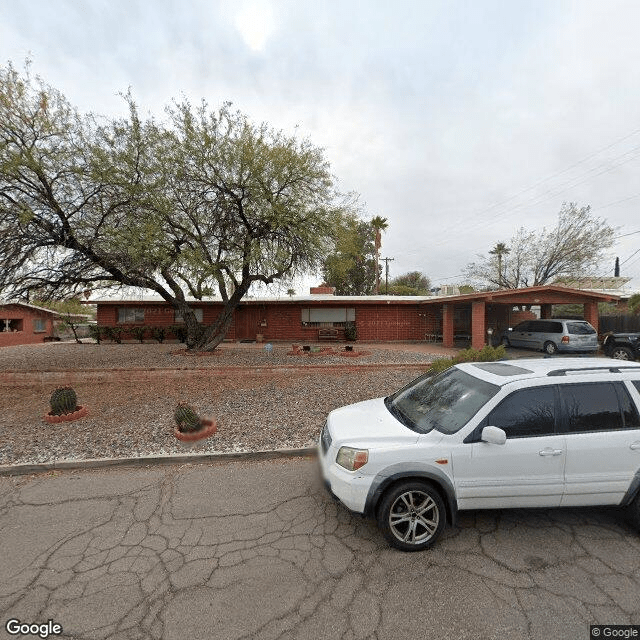
5602 E Holmes St, Tucson, AZ 85711
To contact a resident: (520) 747-2801
For more information about senior living options: (866) 208-4318
Hummingbird Manor Costs & Pricing
Hummingbird Manor offers competitive pricing for its residents, with semi-private rooms available at $2,500 per month, which is notably lower than the average rates of $2,805 in Pima County and $2,820 across Arizona. For those seeking more privacy, the private rooms at Hummingbird Manor are priced at $2,800, again providing a more appealing option compared to the county's average of $3,332 and the state's average of $3,345. These cost advantages highlight Hummingbird Manor as an attractive choice for individuals looking for quality care without overextending their budgets.
| Floor plans | Hummingbird Manor | Pima County | Arizona |
|---|---|---|---|
| Semi-Private | $2,500 | $2,805 | $2,820 |
| Private | $2,800 | $3,332 | $3,345 |
Senior living communities with a similar price nearby
-
from +$300 / mo
Abella Manor Senior Care, LLC
$2,800 to $3,200 / month4.2 miles away -
from -$300 / mo
Abuelos At La Canada
$2,200 to $2,800 / month9.4 miles away -
from -$200 / mo
Northwest Assisted Living
$2,300 to $2,500 / month10.8 miles away -
from -$300 / mo

Gentlemen's Inn I
$2,200 / month3.2 miles away -
About the same
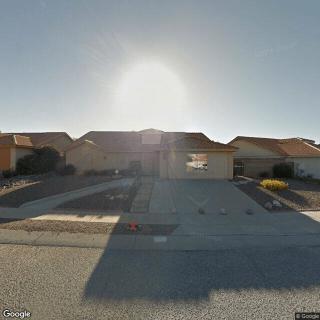
Grace Home I
$2,500 to $3,200 / month4.2 miles away
Overall Review of Hummingbird Manor
Pros
 It was the best place for a loved one to be.
- It was an amazing experience for the loved one and their family.
- The staff cared for the loved one in the final weeks of life.
- Vivian received excellent care during her final months.
- The care team is improving and providing the father with a better experience.
Review
Hummingbird Manor in Tucson, with the Alamo location highlighted by families, is best suited for seniors whose primary need is compassionate end-of-life care delivered with dignity and steady, attentive support. This community excels when a loved one is in the final chapters and requires consistent comfort, symptom management, and emotional reassurance for both resident and family. The overall impression comes from a strong sense that skilled caregivers are reliably tending to daily needs, while coordinating care in a manner that preserves comfort and personal respect during a difficult transition.
Across the reflections, the tone is unmistakable: this is one of the places families feel confident in during the most challenging period. Multiple voices describe experiences as among the best available, stressing that their loved ones received excellent care in their last weeks. Families consistently frame the setting as a haven where compassionate staff provide not only practical help but a humane, patient-centered approach that feels restorative in what can be an exhausting process. Gratitude from relatives underscores a clear sense of relief and trust in the care trajectory.
Another thread that stands out is responsiveness and improvement over time. One reviewer notes tangible progress in how care is delivered, “getting better,” which translates into a better experience for a father and greater peace of mind for the family. That trend matters in practice: it signals an organization that listens, adjusts plans, and refines routines to reduce discomfort and align with evolving preferences. When a team demonstrates such adaptability, it makes a meaningful difference in daily life, routines, and the overall emotional climate surrounding care.
Nevertheless, the emphasis on end-of-life care creates a practical caveat. For families seeking more active programming, a highly independent lifestyle, or broader ongoing medical oversight outside a palliative frame, alternatives may be worth evaluating. The strongest value proposition here is comfort-focused, dignified care during a difficult time; those prioritizing robust social calendars or non-end-of-life services should compare other communities to ensure alignment with longer-term preferences and activity needs. In short, Hummingbird Manor delivers exceptional end-of-life care, not necessarily a broad spectrum of life-enrichment options.
To determine fit, prospective families should engage directly with the staff about care philosophy, care team continuity, and how evolving needs are managed day to day. Observing routines, asking about staff-to-resident interactions, and understanding how pain, comfort, and personal preferences are addressed can clarify whether the environment matches expectations. The positive, appreciative feedback offered by families suggests a high-quality caregiving culture and a responsive team, but validating whether this aligns with individual expectations remains essential.
Bottom line: Hummingbird Manor stands out as a compassionate, high-quality option for end-of-life support in Tucson. Its most compelling value lies in how staff deliver humane, attentive care in a setting that respects residents and supports families during a difficult transition. For families prioritizing dignified, gentle end-of-life care, the Manor is a compelling and trustworthy choice. Those seeking more active programming, independence-based living, or broader non-palliative services should seriously compare alternatives to avoid compromising long-term satisfaction.
 Board and Care Home
 Private
 Tucson International (9 miles away)
 Diabetic care


 Exploring the World of Home Health Nurses: Qualifications, Roles, and Hiring Tips
 Navigating Medicare Coverage for In-Home Care Services
 In-Home Care Costs in 2025: A Detailed State-by-State Exploration