
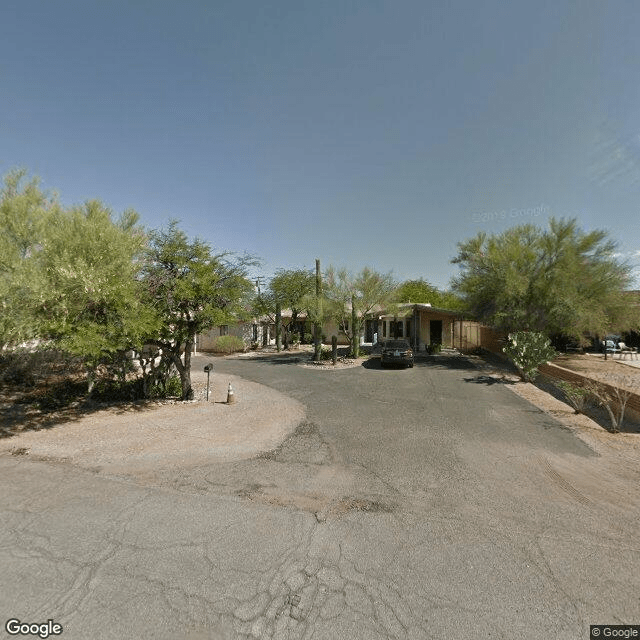
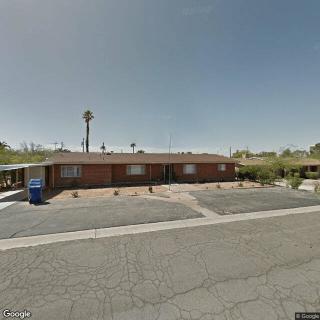
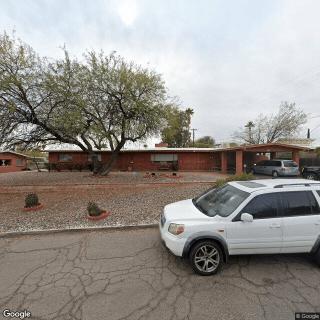
5601 E 10th St, Tucson, AZ 85711
To contact a resident: (520) 570-7158
For more information about senior living options: (866) 208-4318
Serenity Heights Adult Living LLC Costs & Pricing
Serenity Heights Adult Living LLC offers competitive pricing for its residents compared to both Pima County and the broader state of Arizona. For a semi-private room, residents are charged $2,100 per month, significantly lower than the county average of $2,805 and the state average of $2,820. Those seeking more privacy can opt for a private room at Serenity Heights for $3,500 per month, which remains slightly above the county's average rate of $3,332 but is still below the state average of $3,345. This positioning highlights Serenity Heights as an attractive option for individuals seeking quality adult living accommodations without compromising their budget.
| Floor plans | Serenity Heights Adult Living LLC | Pima County | Arizona |
|---|---|---|---|
| Semi-Private | $2,100 | $2,805 | $2,820 |
| Private | $3,500 | $3,332 | $3,345 |
Memory care communities with a similar price nearby
-
from +$400 / mo
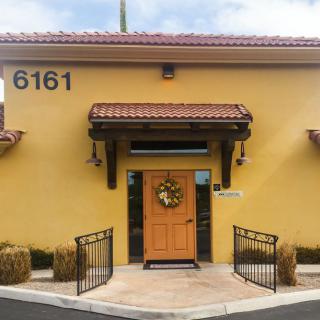
Fairmount Assisted Living
$2,500 to $3,500 / month1.4 miles away -
About the same
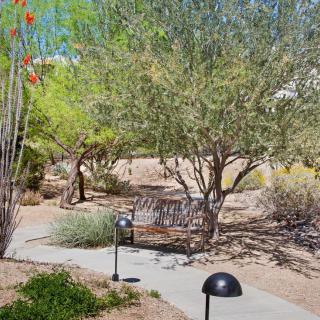
Sunrise at River Road
$2,128 to $3,530 / month7.3 miles away -
from +$400 / mo
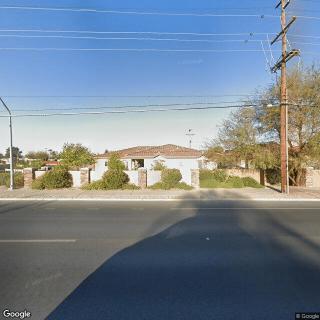
Ocotillo House At Infinity Wilmot
$2,500 to $3,000 / month1.1 miles away -
from +$400 / mo
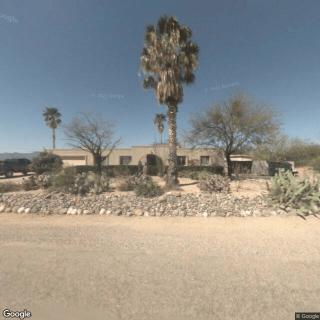
Mary & Pete's Assisted Living
$2,500 / month11.0 miles away -
from +$400 / mo
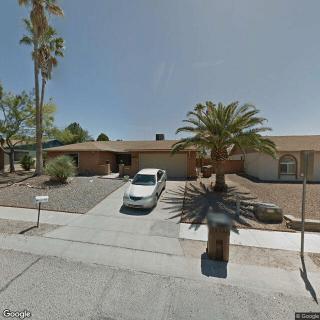
Adobe Adult Care Home
$2,500 to $3,200 / month13.7 miles away
Overall Review of Serenity Heights Adult Living LLC
Pros
 Serenity Place cared for her mother, especially through her last days.
- The staff accommodated the family on the day of her passing and followed CDC guidelines.
- The care team provided great food, was kind, and kept the facility very clean.
- They maintained her mother's appearance, including nails and hair.
- The staff took pride in their work.
Review
Serenity Heights is best suited for families seeking a warm, intimate senior living setting where compassionate, hands-on care shines in daily life and in end-of-life moments. The community described by families as especially attentive to dignity and personal grooming, with consistently good meals and a spotless environment, will resonate with households prioritizing a home-like atmosphere over a clinical or crowded campus feel. Residents who value staff pride, meaningful touchpoints with caregivers, and a setting where appearances, hair, nails, and neatness, are tended to with care will find Serenity Heights aligns with those priorities. In short, this is a strong match for elders who want a respectful, engaged caregiving team in a tidy, well-maintained home.
Those considering alternatives should account for needs that extend beyond what a smaller, purposefully intimate setting typically provides. If medical complexity requires robust, on-site nursing oversight, access to extensive memory-care programming, or a continuum of care that includes higher-acuity services, a larger community or a facility with dedicated dementia wings and hospital partnerships may be a better fit. Families pursuing aggressive rehabilitation, frequent on-call physician rounds, or comprehensive clinical management will want to compare options with more expansive clinical resources. Serenity Heights excels in personal care and quality-of-life touches, but it may not be the right match for residents who require heavy medical intervention or highly structured cognitive-care programs.
The most persuasive advantages in Serenity Heights lie in the everyday lived experience: excellent food, kind and engaged caregivers, a consistently clean and orderly environment, and a level of pride in the work that translates into reliable routines and a respectful atmosphere. The ability to accommodate family during difficult times, demonstrated by flexible visitation and support, adds a crucial layer of comfort for families facing end-of-life moments. The combination of good meals, attentive service, and attention to grooming signals a culture of respect and dignity, which often translates into less stress for residents and families during delicate transitions.
Because the review presents no concrete downsides, the main practical tension to acknowledge is the balance between intimate staffing and broader medical capabilities. The strengths at Serenity Heights effectively offset concerns about warmth, cleanliness, and personal care by delivering consistency, attentiveness, and a sense of home. Still, prospective residents should openly verify the extent of medical supervision, the availability of on-site nursing, and the facility’s approach to cognitive care planning. If those elements are non-negotiable, the family should supplement this check with direct conversations about care coordination, emergency protocols, and the exact scope of services included in the monthly rate.
For families evaluating options, a purposeful visit is essential. Ask to observe mealtime dynamics and ask staff to walk through a typical day to gauge how routines, grooming, and social interaction are facilitated. Inquire about care planning documents, caregiver-to-resident ratios at various shifts, and how end-of-life wishes are honored within the care plan. Clarify whether there are optional add-ons for enhanced memory care or medical monitoring, and request testimonials or references from families who recently navigated similar transitions. Serenity Heights rewards those who prioritize dignity, cleanliness, and personal touches with a reassuring, steady caregiving presence.
Bottom line: Serenity Heights stands out as a practical, compassionate choice for families seeking a dignified, home-like setting where care teams take pride in feeding, grooming, and maintaining a clean, respectful environment. It is especially compelling for elders who value consistent attentiveness, tasteful meals, and a setting that feels like a trusted home rather than a clinical facility. For those whose priorities include extensive medical oversight or specialized dementia programming, it is wise to explore options with more robust clinical resources. When the goal is humane, individualized care delivered with pride, Serenity Heights earns strong consideration.
 Board and Care Home
 Memory Care
 Private
 Respite or short term stays offered
 Tucson International (8 miles away)
 Comprehensive Insights on the Late Stages of Dementia: What to Expect and How to Provide Care
 Medications Associated with Dementia Risk: A Comprehensive Overview
 Guiding Your Journey: Understanding Power of Attorney for Elderly Parents