Overall Review of Hacienda De Luna Assisted Living
common
21 reviews mention this
Caregivers show real compassion
Caregivers and management consistently show compassion and patience.
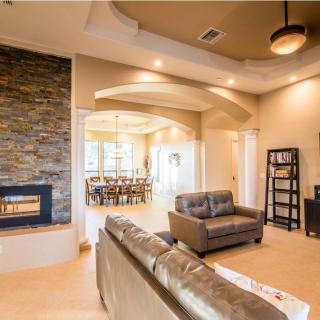
Multiple reviews describe caregivers who feel genuinely caring, respectful, and patient, including when residents are dealing with complex needs. Several families also mention support for them—like clear updates, welcoming visits, and extra time—alongside day-to-day care. Owners and managers are repeatedly credited with maintaining a calm, home-like environment and following through on day-to-day needs.
common
5 reviews mention this
Homes stay spotless and neat
Residents and families repeatedly call out how clean the homes are.
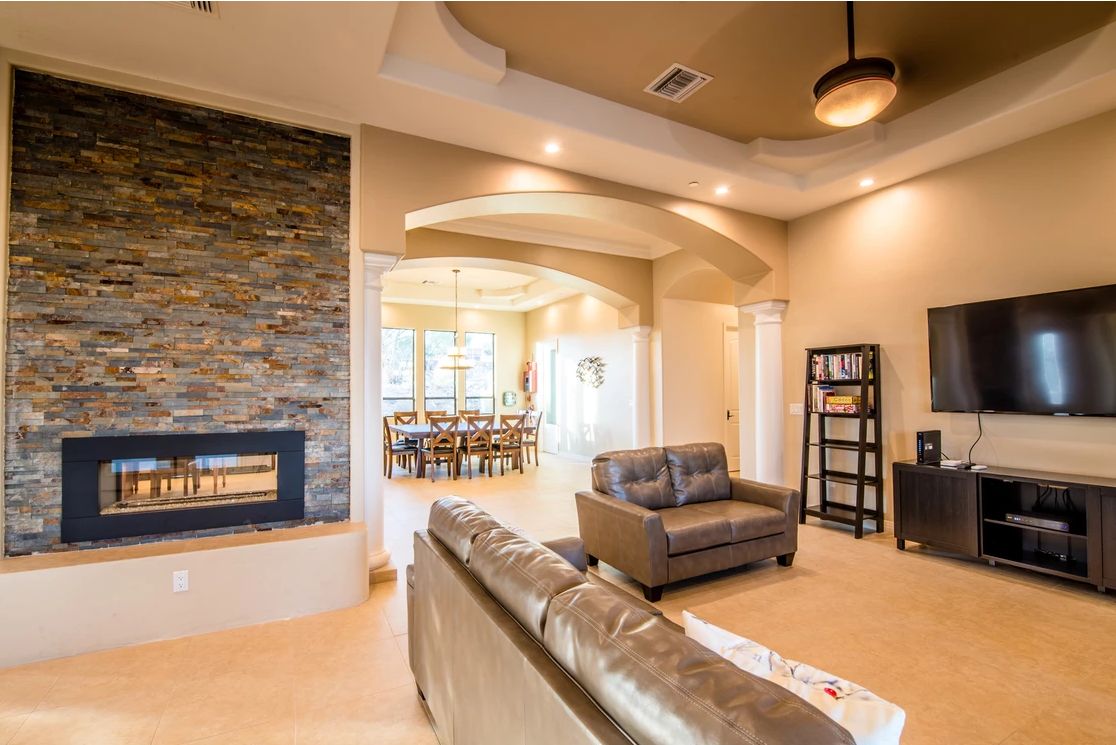
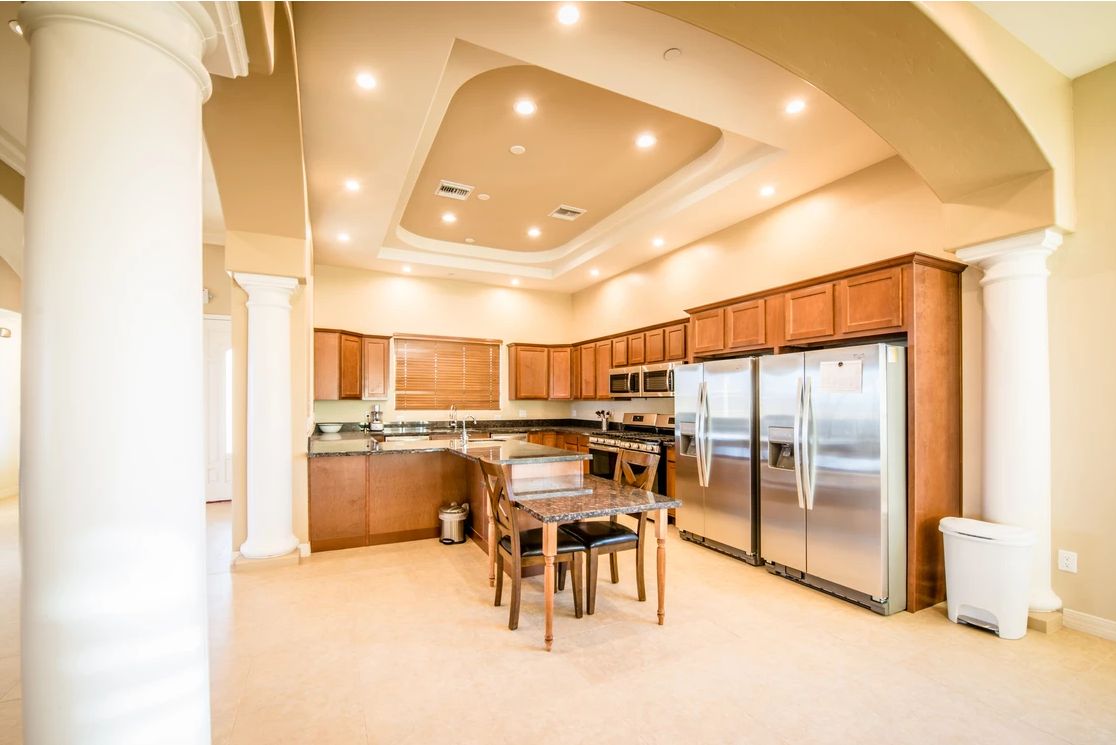
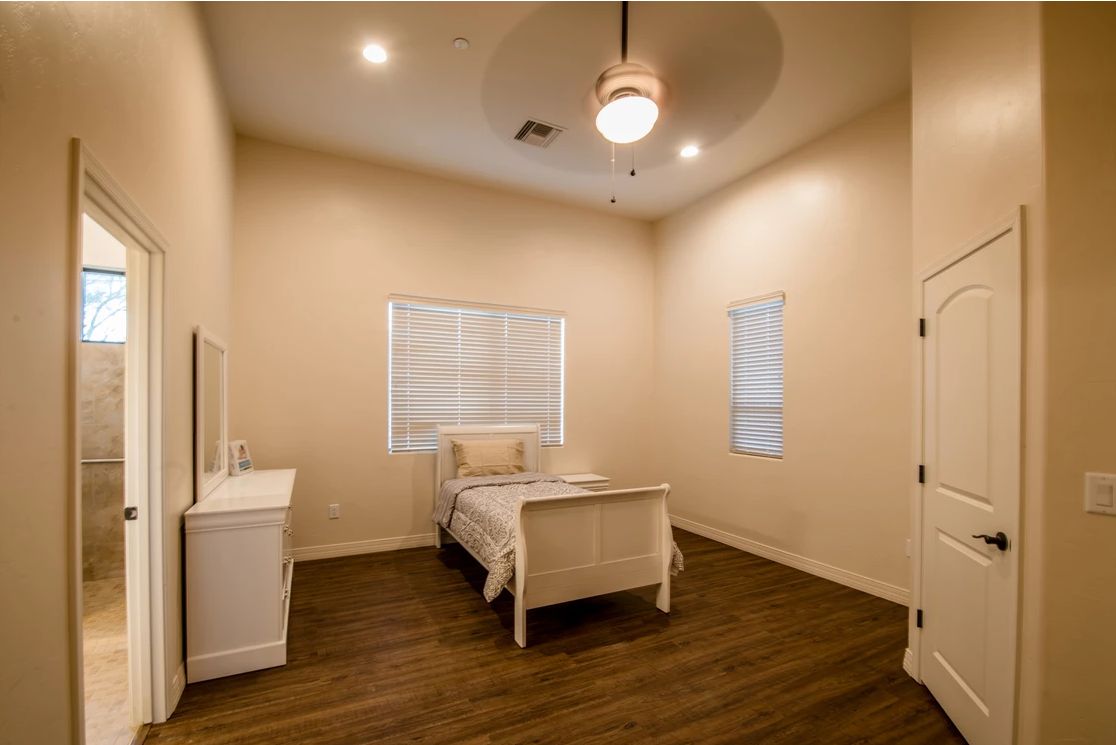
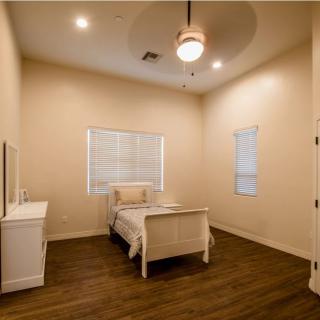
Reviews frequently note that the facility is kept spotless, clean, and well maintained. Families also describe rooms and common spaces as consistently neat, and one review contrasts the care setting with other experiences where adequate care wasn’t happening. Cleanliness is part of the overall sense of comfort and trust described across visits.
differentiator
4 reviews mention this
Meals are home-cooked
Home-cooked meals stand out as part of daily life.
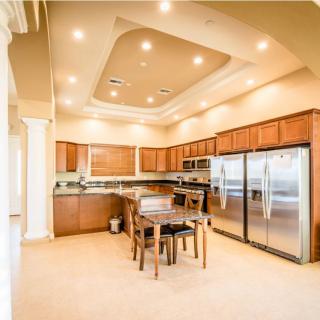
Several residents and families describe meals that are prepared like home cooking, with staff making food directly in the kitchen. Reviews also mention accommodating dietary requests and preferences, including changing needs over time. Along with the dining experience, the community is described as supportive around nutrition and hydration.
common
6 reviews mention this
Small, family-like setting
Many families like the small, family-like feel.
Reviews describe the community as smaller and more family-like than other settings, with a home environment that helps residents adjust. Several mention a peaceful, calm atmosphere, and families describe forming connections with other residents over time. The setting is also discussed in terms of comfort for difficult transitions, including moving from larger facilities.
caveat
2 reviews mention this
Higher cost may be worth it
Some families describe cost as a key decision factor.
One review notes that another community’s cost was prohibitive while this option was viewed as a more cost-effective path for care. Another family says they increased their budget to choose this community after observing how stressed or tense caregivers seemed elsewhere. Taken together, reviews suggest pricing matters, even when families feel the care experience justifies it.
How we summarize
Counts show how many written reviews mention each theme; a review can touch several themes, and only frequently mentioned themes are displayed.

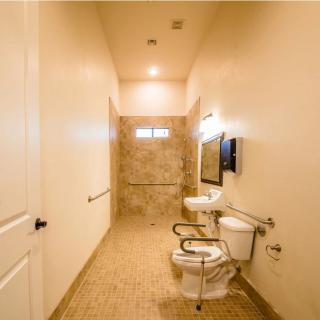
 52 resident community capacity
 Assisted Living
 Activities on-site
 Air-conditioning
 Beauty salon
 Cable or satellite TV
 Computer center
 Devotional services off-site
 Fitness room
 Fully furnished
 Gaming room
 Garden
 Housekeeping services
 Indoor common areas
 Kitchenette
 Move-in coordination
 Outdoor space
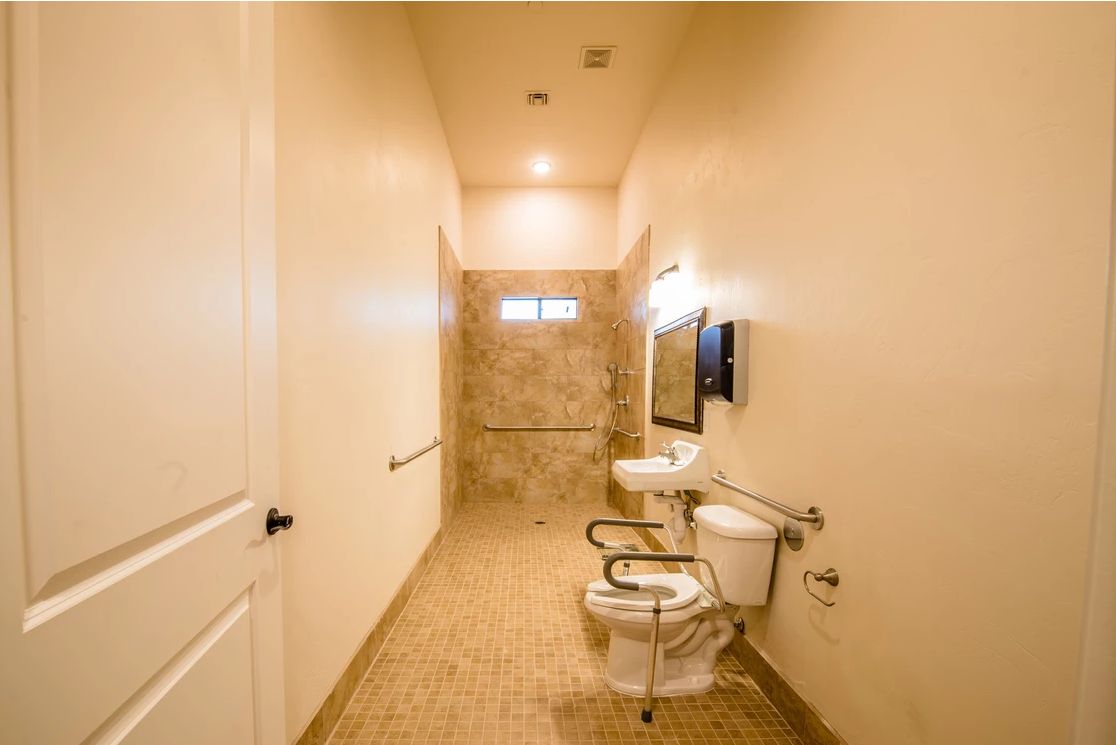
 Private bathrooms
 Restaurant-style dining
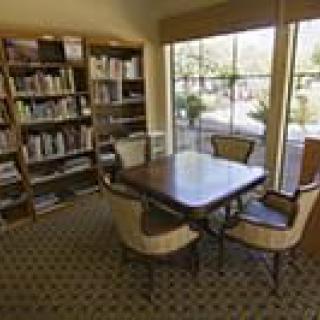
 Small library
 Telephone
 Wellness center
 Wi-Fi/high-speed internet available
 Tucson International (15 miles away)
 Community operated transportation
 24-hour call system
 Ambulatory care
 Assistance with bathing
 Assistance with dressing
 Assistance with transfers
 Diabetes diet
 Diabetic care
 Medication management
 Special dietary restrictions
 Concierge services
 Planned day trips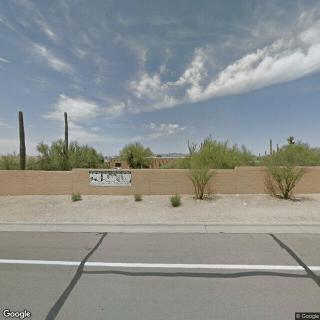
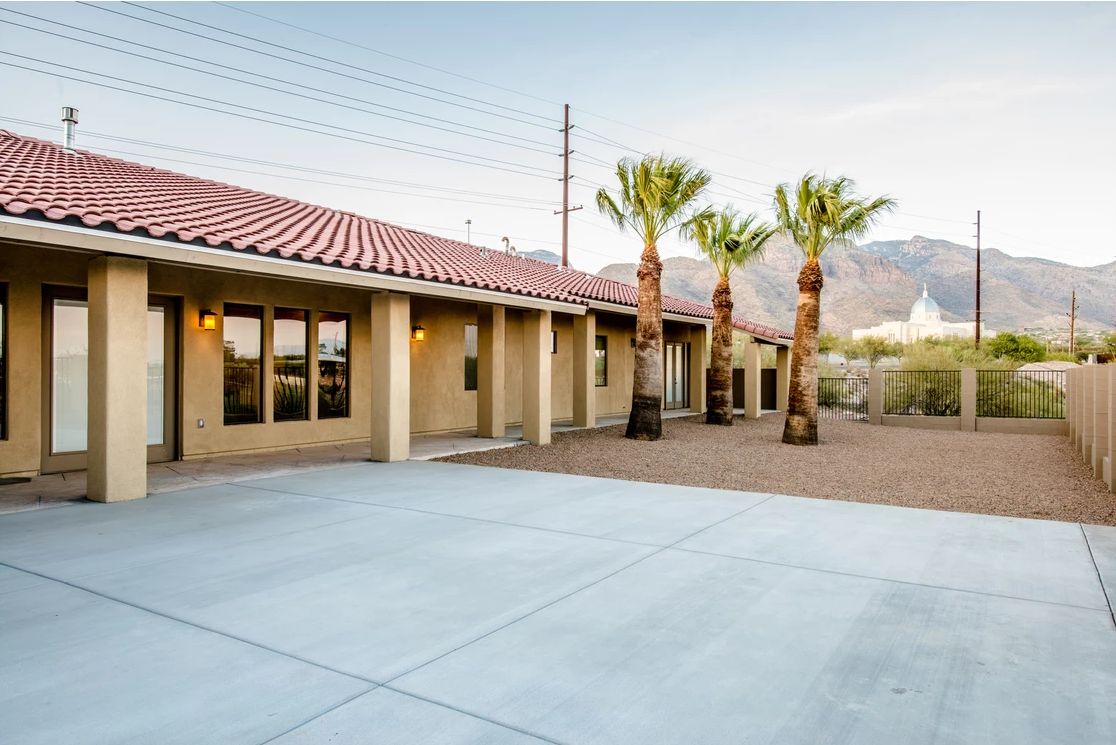
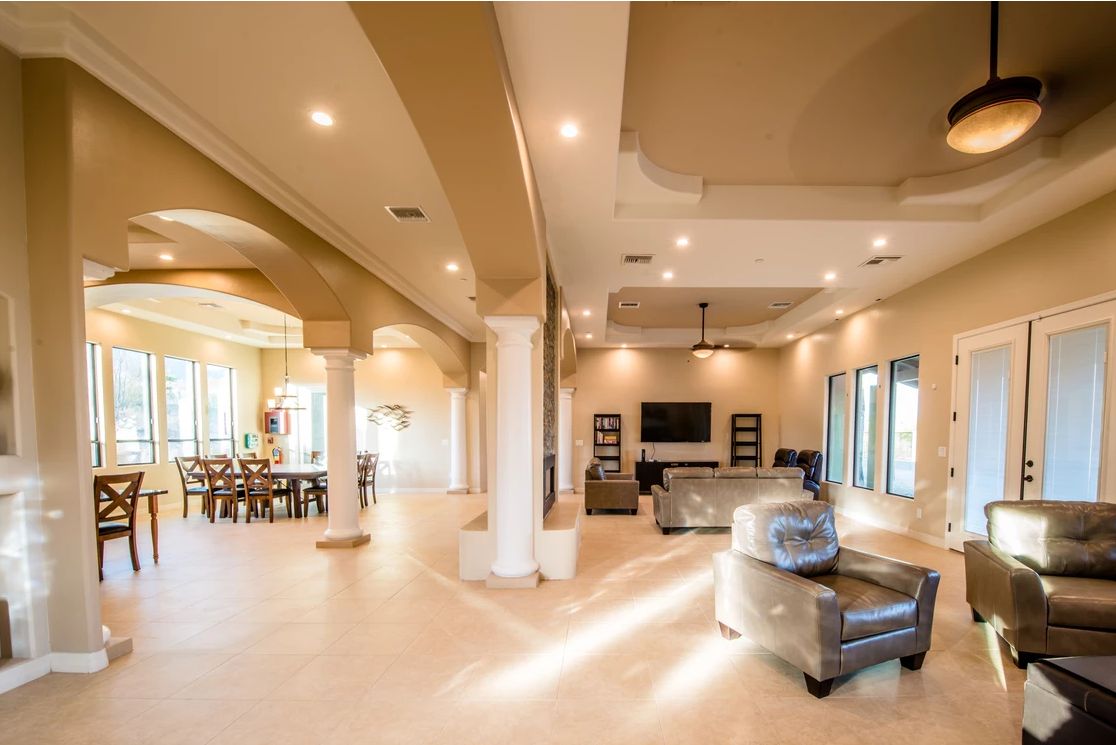
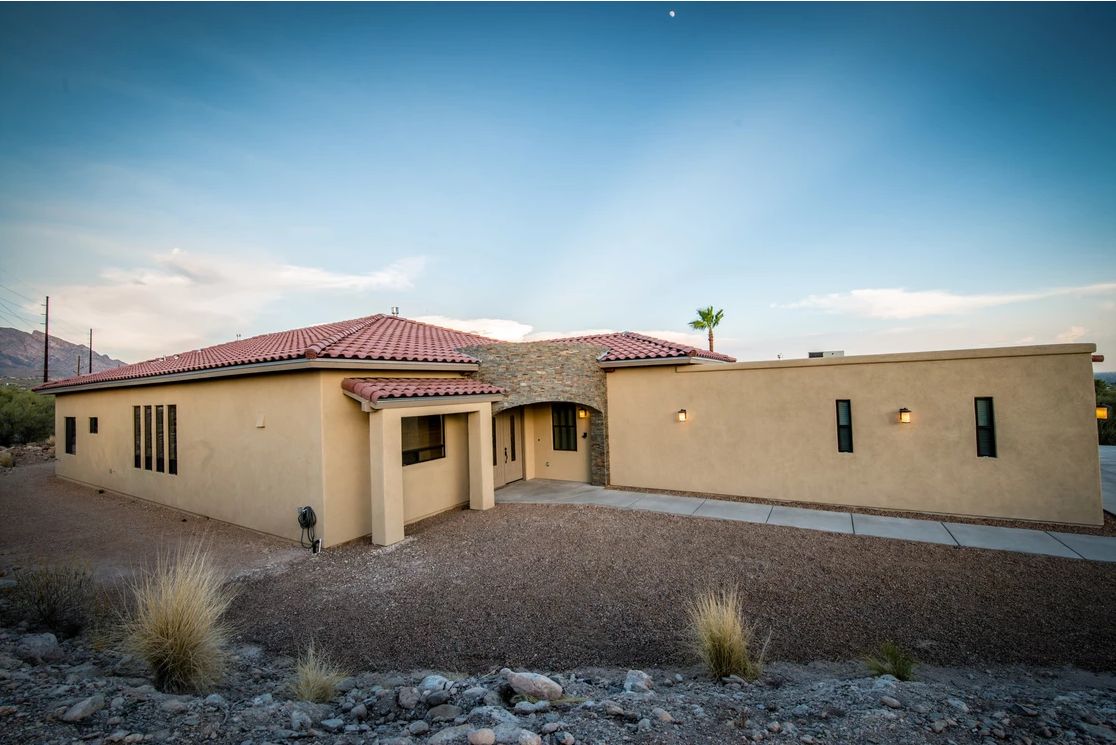
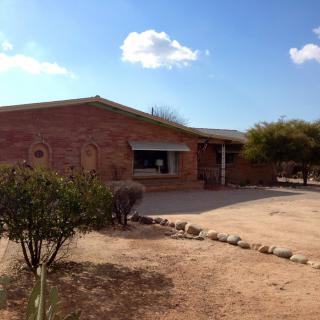
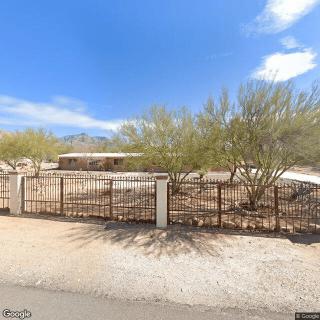
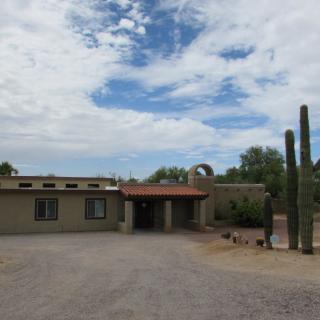
 Small, intimate board-and-care setting with personalized care and engaging amenities.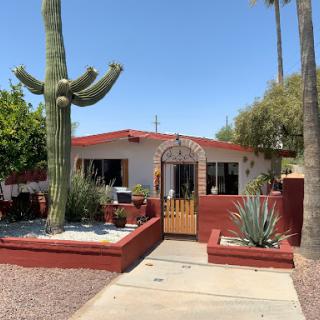


 When to Transition from Assisted Living to Memory Care: Key Indicators, Steps, and Finding the Right Community
 Assisted Living and Memory Care: Understanding Their Core Differences
 Beyond the Bingo Hall: 50+ Enriching Activities for Seniors in Assisted Living