

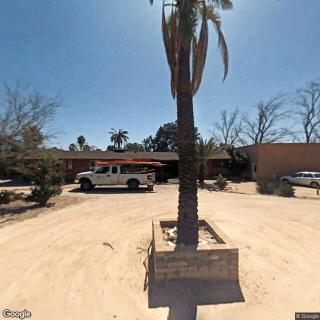
6740 N Nanini Dr, Tucson, AZ 85704
To contact a resident: (520) 797-3588
For more information about senior living options: (866) 208-4318
Overall Review of Casa De Rose Adult Care Home
Pros
 They highly recommend Casa de Rosa as the best place to go.
- Guests are treated like family at Casa de Rosa.
- The staff at Casa de Rosa is great.
- They feel blessed by the care they receive at Casa de Rosa.
Review
Casa De Rosa Adult Care Home in Tucson, AZ is best suited for seniors who prize a warm, family-style atmosphere and highly personal attention over institutional formality. This is a small, home-like setting where caregivers are clearly present to offer steady, compassionate support, and where daily routines feel familiar rather than scripted. Families seeking an environment that emphasizes genuine connection, respectful communication, and a sense of being cared for as part of a family will find this community aligns with those values. For residents who require a high level of medical intervention, specialized memory care, or a rigid daily schedule with extensive programming, this is not the first choice.
Those who may want to consider alternatives include individuals needing robust skilled nursing care on a 24/7 basis, or families pursuing comprehensive memory-care services with structured cognitive therapies. A larger facility with a broader calendar of activities and on-site specialists can better support residents with complex rehab needs or advanced dementia care. In short, if the priority is a more clinical, hospital-like environment, or if a resident demands intensive therapy and medical oversight, it is prudent to look at other options that offer fuller medical services and a wider range of clinical amenities.
The strongest attribute driving a positive impression is the staff and the care culture. Residents and families repeatedly describe the team as “great” and note that care feels personal, attentive, and consistently compassionate. The impression is of caregivers who know residents by name, anticipate needs, and respond quickly to requests. That relational warmth translates into a sense of safety and dignity, with caregivers who strive to preserve independence where possible while offering discreet, respectful assistance. In a setting this intimate, the quality of daily interactions becomes the core measure of value, and it shows in the testimonials of those who feel truly looked after.
Because the setting is small, the care experience tends to be highly individualized. The personal attention that comes from a close-knit staff count against a backdrop of more limited resources than larger facilities. The positive impact is that changes in health or mood are noticed promptly, hydration, nutrition, and medication management can be monitored with less bureaucracy, and residents maintain a sense of continuity and belonging. When this balance works, it offsets potential drawbacks such as a narrower activity calendar or fewer on-site specialists. Families can leverage the home atmosphere to foster a steady routine and meaningful, one-on-one engagement.
However, the tighter structure and smaller footprint do present practical trade-offs. On-site medical resources are not as expansive as those found in bigger communities, which means that residents with complex clinical needs may require external services or regular off-site appointments. The activity lineup may be less diversified, with fewer on-site therapists, fitness programs, or outings than larger facilities. For families prioritizing frequent rehab, cognitive therapies, or highly specialized care programs, these gaps matter. Prospective residents should verify the availability of nurse coverage, physician access, and emergency procedures, and inquire about how medication oversight is handled to avoid any lapses.
In the end, Casa De Rosa delivers a compelling proposition for families seeking a warm, home-like environment with consistently attentive staff and a culture that treats residents like family. This community shines where personal connection, respectful care, and daily companionship matter most. The decision hinges on balancing the value of intimate, individualized attention against the realities of limited medical capabilities and activity breadth. For those who value trust, relational warmth, and predictable, compassionate care, the choice is clear. For others who require more formal medical oversight or expansive programming, it would be prudent to explore alternatives before committing.
 Board and Care Home
 Tucson International (15 miles away)





 Understanding Home Health Care: A Comprehensive Guide
 Home Health Care Demystified: A Comprehensive Guide for Families and Caregivers
 Seniors and Modern Transportation: Exploring Uber, Lyft, and Other Ride-Hailing Options