
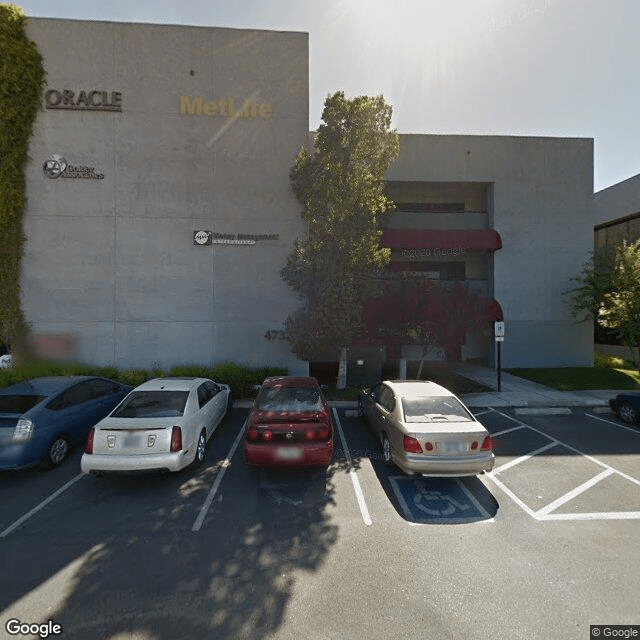
4732 N Oracle Rd., Suite 315, Tucson, AZ 85705
To contact a resident: (520) 330-3241
For more information about senior living options: (866) 208-4318
Overall Review of FirstLight Home Care of Tucson, AZ
Pros
 The personnel are very attentive and kind.
- The caregiver was wonderful for the time they were needed.
- The caregivers are highly recommended.
- Katharine and Sarah have made the transition smooth and easy for the family.
- Tito has become like a son and helps with bathing, mobility, and household tasks.
- In five months of FirstLight care, there has not been a single moment of regret.
- FirstLight caregivers are attentive, friendly, and go above and beyond.
- The staff are very professional and compassionate, treating clients with dignity.
Cons
 The process was not easy to go through, and navigating all of the unknowns was hard.
Review
FirstLight Home Care of Tucson is best suited for families seeking reliable, non-medical in-home support that keeps an aging loved one safely at home while preserving independence, dignity, and social connection. This service works well for individuals who need help with daily tasks, mobility support, light personal care, transportation, medication reminders, and companionship. It is especially fitting for recovery after illness or injury, memory challenges where cognitive engagement matters, and anyone who values a hands-on, responsive caregiving team that can become a familiar presence in the home.
Those considering alternatives should keep in mind that this is home care, not a medical or facility-based solution. If 24/7 on-site nursing supervision, skilled medical procedures, wound care that requires a licensed nurse, or a more institutional environment are priorities, a traditional assisted living or skilled nursing option may be necessary. Families with complex medical needs or tight budget constraints may also want to compare other providers or models to ensure the level of clinical oversight and staffing aligns with expectations.
The strongest upside is the staff: exceptionally attentive, kind, and professional personnel who show up ready to help and stay for as long as needed. Caregivers are described as a joy to encounter, with multiple accounts of consistent aides who form a rapport and sense of trust. In practical terms, they assist with bathing, mobility, and daily routines, while also handling household chores, errands, and meal preparation, often before being asked. The result is not merely practical support but a meaningful boost to the loved one’s sense of autonomy and daily structure.
Another clear strength is proactive caregiving and seamless coordination. Families highlight prompt communication from the leadership team, especially Katharine and Sarah, who guide planning, scheduling, and updates about medical appointments. The presence of a caregiver who “treats her like family” and the ability to tailor care to evolving needs translate into fewer caregiving gaps and less stress for relatives. The team’s approach to social engagement and cognitive stimulation also stands out, with caregivers not only providing companionship but actively keeping memory and mood engaged, which is a meaningful dividend for residents with memory concerns or depression.
Cost and reliability emerge as compelling pros that offset potential downsides. Care at home often comes with flexibility and a personal touch that larger facilities struggle to match, and reviewers consistently note competitive pricing alongside high-quality service. The occasional need for four-hour shifts and the possibility of overnight coverage in special circumstances are the practical trade-offs for the tangible benefits of home life, independence, and tailored routines. When a caregiver becomes a trusted daily presence, the value of personalized attention and continuity frequently overrides the friction of scheduling logistics.
In deciding, families should weigh the at-home option against the desire for a structured, 24/7 care environment. If the goal is to keep a loved one safely at home with capable assistance, social interaction, and coordinated care that respects dignity, FirstLight presents a compelling, well-regarded option. If the expectation is round-the-clock medical oversight or a facility setting with built-in nursing staff, alternatives should be explored. Regardless, prospective clients can expect a team that demonstrates commitment, practical competence, and a transparent, supportive partnership.
To move forward, engage directly with Katharine and Sarah to craft a care plan that anticipates daily routines, mobility goals, and critical medical or administrative tasks (such as VA benefits navigation). Verify coverage for overnight needs, confirm caregiver consistency, and establish a clear protocol for updating family members after appointments or changes in condition. With a thoughtful setup, FirstLight can deliver the stability, companionship, and practical assistance essential to aging in place, while minimizing caregiver burnout and preserving quality of life.
 Tucson International (11 miles away)


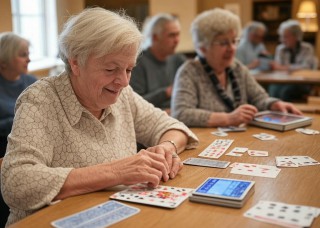 Effective Strategies for Keeping Seniors' Minds Active: A Deep Dive into Brain Games and Apps
 In-Depth Look at the VA Aid and Attendance Program
 Nurturing Our Loved Ones: A Daughter's Journey in Caring for Her Mother