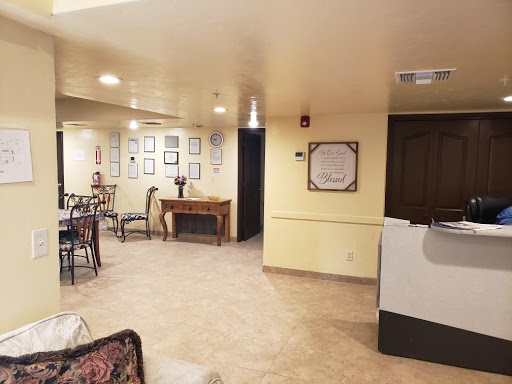
First Adult Care Home

Save
First Adult Care Home

First Adult Care Home

3925 North 1St Avenue, Tucson, AZ 85719

For more information about senior living options: (844) 490-3973

3.9 from 7 reviews
5 stars
5
4 stars
0
3 stars
0
2 stars
0
1 stars
2

Assisted Living

Overall Review of First Adult Care Home

Pros

  • pro The staff, including Stephanie, Priscilla, Samantha, Nico, and Freddie, are praised for being very good to their seniors.
  • pro All residents are described as very happy with the care.
  • pro Residents are served great home-cooked meals, and the home is kept very clean.
  • pro The facility provides a warm, home-like environment.
  • pro The manager communicates with families and helps with paperwork to make things easier.
  • pro The staff goes above and beyond to make residents comfortable, including hosting birthday parties.
  • pro The atmosphere is gentle, welcoming, and well-organized, and families feel cared for.

Cons

  • pro Stephanie is rude and controlling.
  • pro She is oblivious to obvious signs of distress and unaware of how to properly care for someone who has mobility issues.
  • pro She is quick to make your loved one a zombie so they don't cause her any "trouble."
  • pro There was very poor customer service; Stephanie was rude and not professional when inquiring about placement for a grandmother.
  • pro One reviewer would not place a loved one in this facility and would not recommend it.

Review

First Care/First Adult Care Home is depicted in a range of experiences that together paint a picture of a place many families consider warm and well-run, while also sparking concerns from some visitors. Several reviewers emphasize a home-like atmosphere where residents are treated with care and kindness. They note that staff such as Stephanie, Priscilla, Samantha, Nico, and Freddie are attentive to the people living there, and that the residents appear happy. From visits described as weekly over years, there's repeated praise for the "home cooked meals," the cleanliness of the facility, and the overall feel of a safe, homelike environment. One reviewer sums it up by saying the place "truly is a home like environment," and encourages continued good work from the care team.

In a particularly positive note, one family member shares a heartfelt affirmation of Stephanie's care for their mom. They say, "My mom has been here for over a year. I do not find Stephanie to be rude at all! I completely trust her with my mom's care! She loves my mom and her residents and has their best intentions at heart. She does run a tight ship but she does it to make sure her residents are well taken care of!" This account emphasizes trust, warmth, and a strong sense of duty - compliments that highlight the balance between firm management and heartfelt caregiving.

Yet the picture isn't uniform. A contrasting voice insists that "Stephanie is rude and controlling. Oblivious to obvious signs of distress and unaware of how to properly care for someone who has mobility issues." This reviewer adds that Stephanie is "quick to make your loved one a zombie so they don't cause her any ?trouble' (work)," portraying a caregiver who prioritizes efficiency over the visible comfort and needs of residents. The tension between a structured, safety-focused approach and perceived insensitivity is a recurring theme in the mixed feedback, illustrating how experiences can diverge based on personal interactions and expectations.

The intensity of opinion is further underscored by a strongly negative post that starts with "BRWARE VERY POOR CUSTOMER SERVICE!!!!" and continues with accusations that Stephanie was "RUDE and was NOT Professional when inquiring information for placement for my grandmother." This account insists they would not place a loved one there and questions the competence of both Stephanie and the ownership regarding the level of care. The reviewer urges others to avoid the facility, arguing that even with "30 years of experience," Stephanie should reconsider how families' concerns are addressed and how individuals feel under her care. The message ends with a blunt recommendation against the facility and a call to spread the word about how they were treated.

Against this backdrop of mixed reviews, there are other narratives that portray exemplary end-of-life and ongoing care. One reviewer writes, "I can't recommend First Adult Care Home highly enough," recounting the final two weeks of a father-in-law's life. They describe a "gentle and welcoming" atmosphere, noting that the staff kept the patient comfortable, managed pain, adjusted positions regularly, and allowed family members to come and go as needed. The warmth extended to everyone present - staff offered food and water to the family, and the overall experience felt like a peaceful, gentle passing. This narrative emphasizes the clinic's ability to provide compassionate, patient-centered care at a critical time.

Another glowing testimonial focuses on a mom resident who has been there since January 2022. The writer highlights proactive communication from Stephanie (the manager), who "calls me to let me know everything that goes on with mom." The review also praises the facility's practical support, including assistance with paperwork, and even lighthearted elements like birthday parties for residents. The reviewer explicitly states, "I would 100% recommend this place," adding a concrete endorsement that reflects satisfaction with both care quality and the administrative support surrounding a family's needs.

The collection of reviews also includes a mention of an open house event, reflecting ongoing community engagement. The notice reads, "Open House Scheduled for the community Tomorrow 3/6/2020 Friday 3pm-6pm Come join us Meet the staff Food." This snippet of outreach suggests that the facility seeks to foster a transparent, welcoming image and invites prospective residents' families to experience the environment firsthand.

Taken together, these diverse accounts depict a facility that many families feel offers a genuinely caring, home-like setting with attentive staff and well-run daily operations. Positive testimonials emphasize loving care, clear communication, organized environments, and comforting end-of-life support, as well as family-friendly touches like parties and open houses. On the other hand, several reviewers raise concerns about perceived rigidity, communication gaps, and the potential for staff to come across as brusque or unsympathetic, especially for families navigating sensitive care decisions or mobility-related needs. The variety in experience underscores the importance of individual interactions and expectations when assessing a caregiver environment.

Features

Housing

  • 10 resident community capacity 10 resident community capacity

Types of Care

  • Assisted Living Assisted LivingAssisted living facilities provide crucial support and care for seniors who may need help with daily tasks such as medication management, bathing, and meal preparation. These communities offer a safe and comfortable environment where seniors can maintain their independence while receiving the assistance they need to thrive in their golden years.

Amenities

  • Cable or satellite TV Cable or satellite TVCable or satellite TV is important for seniors because it provides entertainment, news, and companionship, helping to combat loneliness and boredom. It also offers a wide range of programming options tailored to different interests and preferences.
  • Dining room Dining roomDining rooms are important for seniors as they provide a space for socialization, connection, and nutritious meals. They offer opportunities for residents to bond over shared meals, foster a sense of community, and promote healthy eating habits. Dining rooms also ensure that seniors have access to well-balanced meals tailored to their dietary needs and preferences.
  • Fully furnished Fully furnishedFully furnished senior living communities are important for seniors because they provide convenience, comfort, and a hassle-free moving experience. Seniors can easily settle into their new living space without the stress of having to buy and move furniture. This allows them to focus on enjoying their new home and community.
  • Garden GardenGardens are important for seniors as they provide a peaceful and therapeutic environment for relaxation, physical activity, and socialization. Being in nature has been shown to reduce stress, improve mood, and promote overall well-being. Gardens also offer opportunities for seniors to engage in gardening activities, which can improve mobility, flexibility, and cognitive function. Additionally, gardens create a sense of community and connection with others who share a passion for plants and outdoor spaces.
  • Housekeeping services Housekeeping servicesHousekeeping services are important for seniors because they help maintain a clean and safe living environment, promote independence, and reduce the risk of accidents or illnesses. Additionally, having assistance with household chores can alleviate physical strain and allow seniors to focus on other aspects of their well-being.
  • Move-in coordination Move-in coordinationMove-in coordination is important for seniors because it helps ease the transition into their new living environment. It ensures that all logistics, such as packing, organizing movers, and setting up utilities are taken care of, allowing seniors to focus on settling in and adjusting to their new home. Having a smooth move-in process can alleviate stress and anxiety, making the transition smoother and more enjoyable for seniors.
  • Outdoor space Outdoor spaceOutdoor spaces are important for seniors as they provide opportunities for physical activity, social interaction, exposure to natural light and fresh air, and a sense of connection to nature. Having access to outdoor spaces can improve overall well-being and quality of life for older adults living in senior communities.
  • Telephone TelephoneTelephones are important for seniors as they provide a lifeline for communication with loved ones, emergency services, and healthcare providers. They offer a sense of security and independence, enabling seniors to stay connected and access assistance when needed.
  • Wi-Fi/high-speed internet available Wi-Fi/high-speed internet availableWi-Fi/high-speed internet is important for seniors to stay connected with loved ones, access online resources, and participate in virtual activities to combat feelings of loneliness and isolation. It also allows them to easily manage healthcare needs, access entertainment, and engage in lifelong learning opportunities.

Transportation

  • Tucson International (11 miles away) Tucson International (11 miles away)

Care Services

  • 24-hour supervision 24-hour supervision24-hour supervision is important for seniors to ensure their safety, well-being, and access to immediate assistance in case of emergencies or health issues. This constant support provides peace of mind for both seniors and their loved ones, allowing them to age in place with dignity and security.
  • Activities of daily living assistance Activities of daily living assistanceActivities of daily living assistance are important for seniors because they provide essential support with tasks such as eating, bathing, dressing, and mobility. This assistance helps seniors maintain their independence, dignity, and overall quality of life as they age.
  • Assistance with bathing Assistance with bathingAssistance with bathing is crucial for seniors as it helps maintain personal hygiene, prevents infections, and ensures their overall well-being and comfort. It also provides a sense of dignity and independence for seniors who may struggle with this task on their own.
  • Assistance with dressing Assistance with dressingAssistance with dressing is important for seniors because it helps maintain their independence, promotes personal hygiene, prevents accidents and injuries, and improves overall quality of life. This service ensures that seniors can continue to dress comfortably and confidently, despite any physical limitations they may have.
  • Assistance with transfers Assistance with transfersAssistance with transfers is crucial for seniors as it helps prevent falls and injuries, maintains their independence, and ensures they can safely navigate their living environment. It also provides peace of mind for both seniors and their loved ones.
  • Coordination with health care providers Coordination with health care providersCoordination with health care providers is crucial for seniors to ensure proper medical care, medication management, and overall well-being. This collaboration helps prevent overlapping treatments, track progress more effectively, and provide comprehensive support tailored to individual needs.
  • Diabetes diet Diabetes dietA diabetes diet is crucial for seniors as it helps manage blood sugar levels, reduce risks of complications, and improve overall health and well-being. By following a balanced and nutritious diet tailored to their specific needs, seniors can better control their diabetes and enhance their quality of life.
  • Meal preparation and service Meal preparation and serviceMeal preparation and service are crucial for seniors as they may have limited mobility or energy to cook nutritious meals. Having access to healthy and convenient food options can ensure they are getting the proper nutrition needed to maintain their overall health and well-being.
  • Medication management Medication managementMedication management is crucial for seniors to ensure they are taking the right medications at the correct dosages and times. This helps prevent adverse drug interactions, reduces the risk of medication errors, and promotes overall health and well-being. Proactive management also allows for adjustments as needed based on changing health conditions or new prescriptions.
  • Special dietary restrictions Special dietary restrictionsSpecial dietary restrictions are important for seniors because age-related changes in metabolism and health conditions can make it difficult for their bodies to process certain foods. By following a diet tailored to their specific needs, seniors can maintain their overall health and well-being, manage chronic conditions, and reduce the risk of complications such as malnutrition or food interactions with medications.
  • Transportation arrangement (medical) Transportation arrangement (medical)Transportation arrangements for medical purposes are essential for seniors as they may have difficulty driving themselves to appointments or accessing public transportation. Having reliable and safe transportation options ensures that seniors can receive timely medical care and maintain their health and well-being.
  • Transportation to doctors appointments Transportation to doctors appointmentsTransportation to doctors' appointments is crucial for seniors as it ensures they have access to necessary medical care and support for their health needs. Without reliable transportation, seniors may struggle to attend important appointments, leading to potential delays in treatment and health complications. Providing transportation services helps seniors maintain their overall well-being and quality of life.

Dining

  • Diabetes diet Diabetes dietA diabetes diet is crucial for seniors as it helps manage blood sugar levels, reduce risks of complications, and improve overall health and well-being. By following a balanced and nutritious diet tailored to their specific needs, seniors can better control their diabetes and enhance their quality of life.
  • Special dietary restrictions Special dietary restrictionsSpecial dietary restrictions are important for seniors because age-related changes in metabolism and health conditions can make it difficult for their bodies to process certain foods. By following a diet tailored to their specific needs, seniors can maintain their overall health and well-being, manage chronic conditions, and reduce the risk of complications such as malnutrition or food interactions with medications.

Activities

  • Community-sponsored activities Community-sponsored activitiesCommunity-sponsored activities are important for seniors as they provide opportunities for social interaction, mental stimulation, and physical activity. These activities can help improve overall well-being, combat loneliness and isolation, and promote a sense of belonging and purpose among older adults.
  • Scheduled daily activities Scheduled daily activitiesScheduled daily activities are important for seniors because they provide structure, socialization, mental stimulation, and physical activity. Engaging in regular activities can improve overall well-being and quality of life for seniors living in a community setting.

Description

Welcome to the first adult care home in Tucson, AZ. Our community is designed to provide a comfortable and supportive environment for seniors who require assistance with daily activities.

Our fully furnished rooms offer a cozy and inviting space for residents to call home. The dining room provides a communal setting for meals, where our skilled kitchen staff prepares delicious and nutritious dishes that cater to special dietary restrictions.

For those who enjoy spending time outdoors, our garden and outdoor spaces provide a peaceful retreat where residents can relax and enjoy the sunshine. Housekeeping services are provided to ensure that each living space remains clean and tidy.

We understand the importance of maintaining connections with healthcare providers, which is why we offer coordination services to assist residents in scheduling appointments and arranging transportation to doctors' offices. Our dedicated staff also helps manage medications, ensuring that each resident receives their prescribed medication on time.

Engaging in daily activities is an essential part of promoting overall well-being. Therefore, we organize scheduled activities tailored to meet the interests and abilities of our residents. From social gatherings to physical exercises, there is always something enjoyable happening within our community.

Located conveniently near numerous amenities, our community offers easy access to cafes, parks, pharmacies, physicians' offices, restaurants, transportation options, places of worship, theaters, and hospitals. This ensures that residents have everything they need within close proximity.

Come join us at our assisted living community in Tucson, AZ – where compassionate care meets comfortable living.

Nearby Places of Interest

Physicians

  • Dermatology & Plastic Surgery of Arizona (0.5 miles)
  • Arizona Women's Imaging (0.8 miles)
  • Tucson Mall Family Eye Care (1 miles)
  • Banner - University Medicine Breast Imaging Center (1 miles)
  • North Campbell Ear Nose & Thrt (1.1 miles)
  • Arizona Cancer Center (1.1 miles)
  • Arizona Oncology (1.1 miles)

Cafes

  • Starbucks (0.6 miles)
  • Ren Coffeehouse (1.2 miles)
  • Starbucks (1.7 miles)
  • Cartel Coffee Lab (2.1 miles)
  • Starbucks (2.9 miles)
  • Starbucks (3.2 miles)
  • Starbucks (3.4 miles)

Restaurants

  • Taco Bell (0.6 miles)
  • The Cheesecake Factory (0.9 miles)
  • BJ's Restaurant & Brewhouse (1 miles)
  • Culver's (1.1 miles)
  • P.F. Chang's China Bistro (1.2 miles)
  • Union Public House (1.2 miles)
  • In-N-Out Burger (1.3 miles)

Pharmacies

  • Walgreens (1 miles)
  • CVS Pharmacy (1.1 miles)
  • Walgreens (1.2 miles)
  • Walgreens (1.4 miles)
  • Albertsons Pharmacy (1.8 miles)
  • Walgreens (2 miles)
  • Genoa-QOL Healthcare Co. (2 miles)

Parks

  • Children's Memorial Park (1.8 miles)
  • Rilito River Park (2.5 miles)
  • Joaquin Murrieta Park (3.6 miles)

Hospitals

  • UMC Radiologic (2.6 miles)
  • UMC Emergency Room (2.6 miles)
  • The University of Arizona Medical Center - Medicine Clinic Physician Offices (2.7 miles)
  • Arizona Cancer Center (3.2 miles)

Places of Worship

  • Our Saviour's Lutheran Church (3 miles)
  • Islamic Center Tucson (3 miles)
  • Benedictine Sanctuary (3.7 miles)

Theaters

  • The Loft Cinema (3.6 miles)

Transportation

  • U-Haul Moving & Storage (3.7 miles)

Frequently Asked Questions

Where is First Adult Care Home?

Nearby Communities

Assisted Living in Nearby Cities

Related Resources

  • assisted living for disabled adultsComprehensive Residential Support and Assisted Living Solutions for Individuals with Disabilities

    The article examines the complexities of assisted living for individuals with disabilities, emphasizing the need for tailored care solutions that enhance quality of life and social inclusion, while addressing financial challenges and advocating for community integration. It discusses various housing options, the importance of financial assistance through public benefits, and highlights trends towards integrated and technology-driven solutions in disability-focused housing.

  • assisted living for disabled adultsComprehensive Supportive Living Arrangements for Adults with Disabilities

    Assisted living for adults with disabilities has transformed to provide personalized care and support services aimed at improving residents' quality of life while balancing independence and assistance. However, low-income individuals often face challenges in affording these services, requiring navigation of various financial resources and advocacy for better policies and solutions.

  • how to pay for assisted livingFunding and Affording Assisted Living: A Thorough Overview
    Assisted living facilities provide support for older adults needing help with daily activities without extensive medical care, but their costs can be high and vary by location and services offered. Families often seek various funding options and financial strategies to manage these expenses effectively while considering future needs and potential price increases.