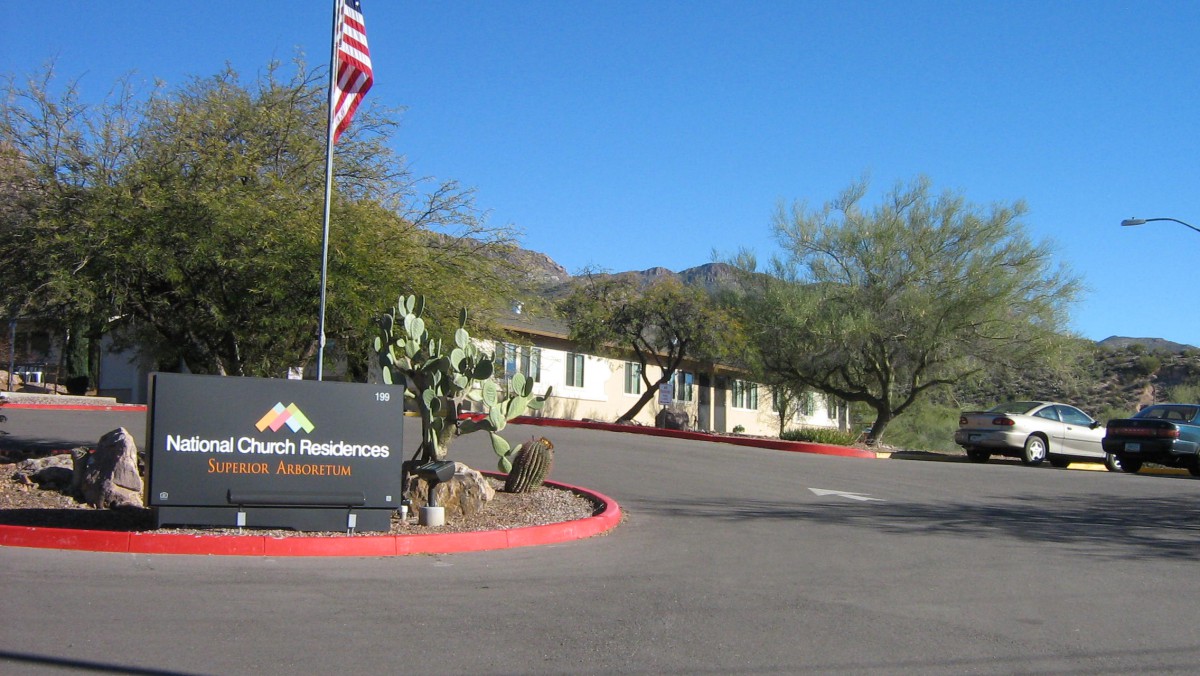
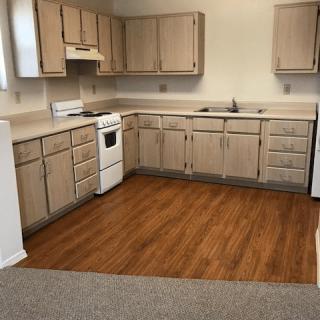
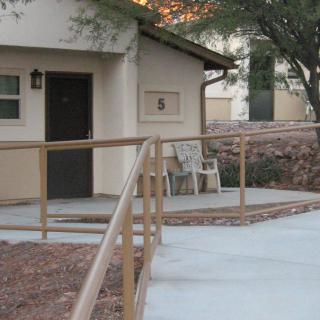
199 W Gray Dr, Superior, AZ 85173
To contact a resident: (520) 689-2112
For more information about senior living options: (866) 208-4318
Superior Arboretum Costs & Pricing
At Superior Arboretum, the monthly cost for a one-bedroom unit stands at an affordable $500. This rate is significantly lower than the average costs in both Pinal County and the broader state of Arizona, where typical expenses for similar accommodations reach approximately $3,659 and $3,532, respectively. Such a stark contrast not only underscores the value offered at Superior Arboretum but also highlights its commitment to providing an accessible living environment amidst escalating housing costs in the region. This makes it an attractive option for individuals seeking quality living without compromising their financial stability.
| Floor plans | Superior Arboretum | Pinal County | Arizona |
|---|---|---|---|
| 1 Bedroom | $500 | $3,659 | $3,532 |
Senior living communities with a similar price nearby
-
from +$55 / mo

Madera Peak Vista
$555 / month21.1 miles away
Overall Review of Superior Arboretum
Pros
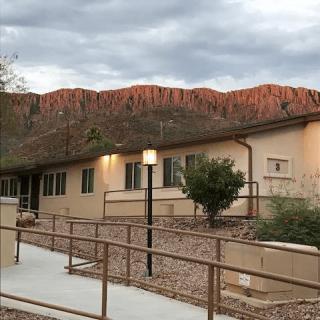
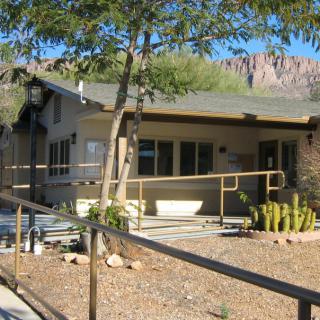
 There is a lot of wildlife, and it is pretty quiet.
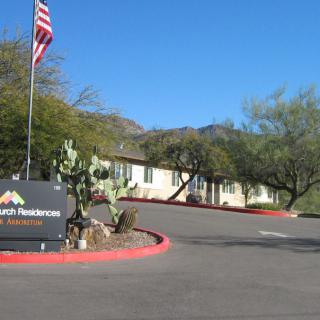
- The roundabout is liked, though the sign now has a different name.
- The manager is wonderful.
Review
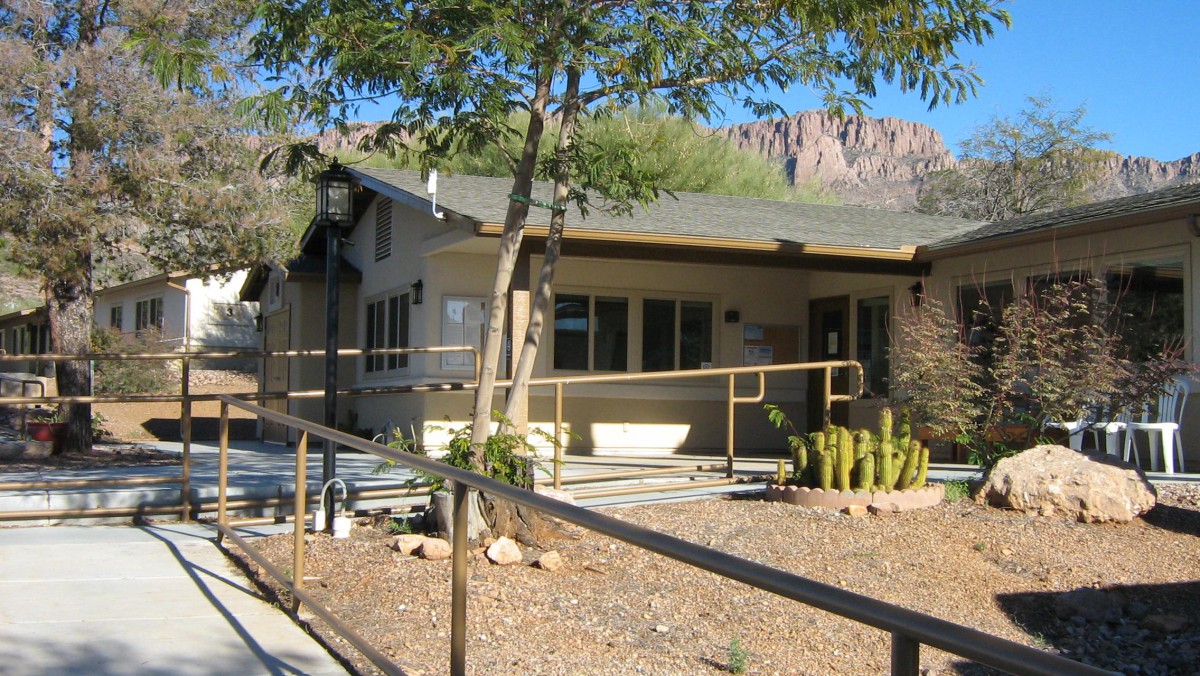
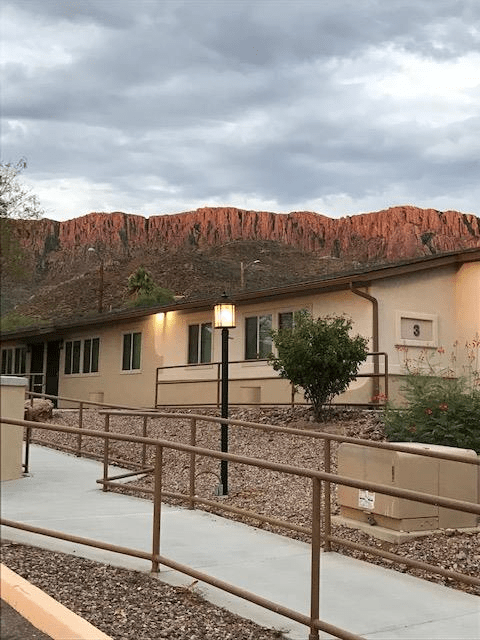
Superior Arboretum in Superior, AZ is best suited for seniors who want a quiet, nature-forward setting with a hands-on management presence. The property’s appeal centers on a peaceful, wildlife-rich environment that offers a respite from busier retirement landscapes. This community rewards residents who value daily life that unfolds at a slower pace, where outdoor ambience and a calmer atmosphere can support a sense of security and routine. The repeatedly cited “wonderful manager” at the helm signals a leadership style that tends to resident needs with attention and responsiveness, an important consideration for families seeking dependable day-to-day oversight.
Those weighing options should explicitly consider who may want to look elsewhere. If the priority is robust, highly structured programming, extensive social activities, or advanced medical and memory-care services, alternatives with broader staffing, more varied care offerings, or larger campuses may be a better fit. The limited public-facing details in the available observations leave a critical question mark about the depth of care, the range of services, and the transparency of pricing. With only six reviews contributing to a 4.8 rating and scant specifics about daily programming, families should proceed with targeted questions to validate fit before committing.
On the positive side, the most tangible benefits are the environment and leadership. The setting’s quietude and abundant wildlife create a backdrop conducive to low-stress living, which can be a meaningful attribute for residents sensitive to noise, crowds, or constant stimulation. The mention of a roundabout and a name change on a sign, while small, hints at an ongoing attention to property upkeep and branding, signaling that the community isn’t stagnant but actively managing its curb appeal and identity. Most notably, the repeated praise for the manager suggests that residents experience reliable, responsive communication and a sense of being well cared for in daily operations.
These strengths, however, must be weighed against the absence of concrete, publicly available details about care levels, staffing ratios, meal programs, activity calendars, transportation, or pricing. The lack of explicit information about what services are included or the level of assistance available leaves open questions for families evaluating long-term needs. For instance, it is unclear how the community handles medication management, ADL assistance, or specialized support for memory care if needed. The high rating is encouraging, but the small sample size and minimal content mean that the positives may reflect a favorable snapshot rather than a comprehensive view of consistent performance across scenarios.
A practical decision framework follows. Prospective residents or families should confirm exact care offerings: what levels of care are available on-site, how staff-to-resident ratios are managed across shifts, and what the care plans look like for changing needs. Inquire about daily life specifics: meal quality and dining flexibility, activity programming, opportunities for socialization, and how transportation is arranged for appointments or errands. Probe the management approach: what role the manager plays in day-to-day operations, how feedback is handled, and what the escalation process looks like when concerns arise. Finally, obtain a transparent view of costs, contracts, and any hidden fees to ensure alignment with budget and expectations.
The bottom-line recommendation is clear. For families prioritizing a tranquil, nature-infused environment backed by a responsive manager, Superior Arboretum presents a compelling option worth a serious look. It appears well-suited to residents who value calma, predictable routines, and a leadership presence that can translate into consistent problem-solving and oversight. For those who demand broader care capabilities, richer programming, or more defined details about services and pricing, it is prudent to compare with alternatives that offer explicit memory-care provisions, larger staffing structures, or deeper activity portfolios. In short, Superior Arboretum is a prudent match for calm-lifestyle seniors plus families who trust a strong on-site manager to guide care decisions; for other needs, explore options that spell out care levels and programmatic certainty more fully.
 Active Adult Communities (55+)
 Cats allowed
 Dogs allowed
 Activities off-site
 Bath tubs
 Indoor common areas
 Outdoor common areas


 Recognizing the Journey: Understanding and Navigating Anticipatory Grief
 Encouraging Participation in Adult Day Care: A Guide to Supporting a Hesitant Parent
 Comprehensive Exploration of Living Wills and Other Advance Directives