
1039 East Saguaro Drive, Globe, AZ 85501
To contact a resident: (928) 425-2779
For more information about senior living options: (866) 208-4318
Madera Peak Vista Costs & Pricing
Madera Peak Vista offers an exceptionally affordable option for residents seeking two-bedroom accommodations, with a monthly cost of just $555. This stands in stark contrast to the average rates in Gila County, which are approximately four and a half times higher at around $2,525, and even more so when compared to the state average of $4,106 for similar housing. Such competitive pricing emphasizes Madera Peak Vista's appeal as a budget-friendly alternative without sacrificing quality or comfort, making it an attractive choice for individuals and families alike looking to settle in Arizona.
| Floor plans | Madera Peak Vista | Gila County | Arizona |
|---|---|---|---|
| 2 Bedrooms | $555 | $2,525 | $4,106 |
Senior living communities with a similar price nearby
-
from -$55 / mo
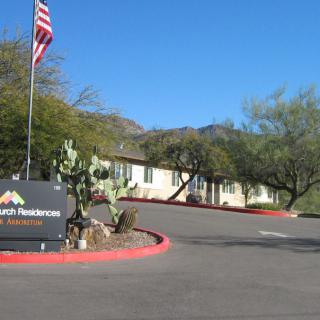
Superior Arboretum
$500 / month21.1 miles away
Overall Review of Madera Peak Vista
Pros
 The property is pretty quiet with not a lot of traffic.
- The apartments are nice for qualifying applicants.
- Parking is very accommodating for each apartment resident, including handicapped parking and ramps.
- The manager is understanding and easy to work with.
- The apartment complex is great.
Cons
 The tenants with children don't control them, and they let them run wild.
- Management can't do anything to relieve the problem because upper management won't let them, calling the tenants endangered and refusing to get involved.
Review
Madera Peak Vista in Globe, AZ is best suited for older adults who want a quiet, low-traffic living environment with straightforward, accessible apartment living and a manager who can be relied on for a cooperative leasing process. It works well for seniors who prize independent living, minimal daily upkeep, and the convenience of ramps and designated handicapped parking. The setting and unit design appear to support mobility and ease of access, making it a practical option for residents who don’t require daily on-site care but still value a community that accommodates aging-in-place.
The standout positives are concrete and meaningful. The location is notably quiet, with little through-traffic that can disrupt a peaceful routine. Leasing and qualifying processes are described as accommodating, and the parking setup, every apartment gets parking with accessible options, reduces the everyday stress of getting in and out of a vehicle. The apartments themselves are described as attractive, suggesting a pleasant living space that can adapt to a senior resident’s needs. The property’s on-site management is highlighted as easy to work with, with a manager who is perceived as reasonable and cooperative, which matters when navigating leases, maintenance requests, and move-in steps.
Yet the core tension in these reviews centers on a housing mix and policy constraints that can erode the otherwise appealing package. The presence of tenants’ children and a policy framework that limits what on-site staff can do to manage behavioral or safety concerns creates a potential for disruption and unpredictability. The feedback notes that staff cannot control this dynamic because upper management restricts action by the property manager, and the phrasing used to describe the policy reflects frustration with perceived constraints on safety and order. For a senior considering predictable quiet and safety, this gap can feel significant, especially in shared spaces, parking lots, or near common areas where young families might be present.
Those tensions do not negate the practical advantages, but they do require weighing trade-offs. The pros, quiet surroundings, accessible design, easy leasing, and a cooperative manager, address daily living and independence in a meaningful way. The cons underscore a real risk: if a resident prioritizes a consistently calm environment and requires stronger, independent enforcement of rules, the current policy structure may complicate that goal. In other words, the positive features can offset some concerns for residents who are self-sufficient and value a hassle-free rental experience, but they do not fully eliminate the risk of noise or safety discomfort brought on by a mixed resident population and restrictive governance.
Families should consider alternatives if the priority is a true senior-focused care model or a more tightly controlled community where daily oversight, stricter age-only policies, or on-site care services are guaranteed. If on-site care coordination, daily check-ins, or structured meals are essential, a dedicated assisted-living setting with a formal care program will likely serve better than an apartment community where care is not part of the package. Additionally, if quiet, predictable routines and a single-age environment are non-negotiable, exploring other senior living options that enforce stronger quiet-hour rules and family-free zones may yield a more consistent experience.
In the end, Madera Peak Vista is a practical choice for independent seniors who can live with a degree of policy-driven constraint in exchange for a quiet setting and accessible, well-maintained apartments. It is less suitable for those who require reliable enforcement of conduct, a fully care-enabled environment, or a homogeneous resident mix with strict age-related expectations. Prospective residents should schedule a thorough in-person tour, speak directly with the on-site manager about policy limits and what they can reasonably enforce, and, ideally, observe a few hours around common areas and parking to assess noise and traffic if a serene environment is non-negotiable. Above all, confirm the specifics of the lease, the exact level of assistance available (if any), and how concerns are escalated to regional leadership before making a commitment.
 Active Adult Communities (55+)
 Cats allowed
 Dogs allowed
 Activities off-site
 Swimming pool / hot tub
 Wheelchair accessible showers

 A Closer Look at Private Pay Home Care
 Comprehensive Approaches for Arthritis: A Detailed Guide to Symptoms, Causes, and Care
 Comprehensive Insights and Practical Strategies to Help Older Adults Avoid Falls