
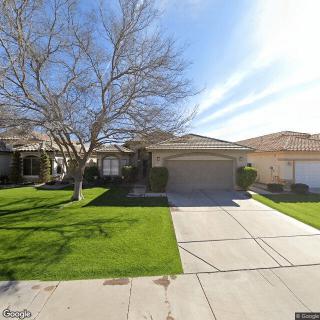
3414 North 81St Street, Scottsdale, AZ 85251
For more information about senior living options: (866) 208-4318
Overall Review of Aloha Assisted Living
Pros
 The management is good.
- The staff are very friendly.
Cons
 They treat their patients terribly.
- They kick patients out illegally without notice.
- The place should not be recommended and people should stay away.
Review
Aloha Assisted Living in Scottsdale is best suited for families that prize approachable staff and steady daily management. The setting tends to work for residents who want a welcoming, low-key environment where communication feels direct and predictable. When management is described as good and the aides as friendly, that typically translates into smoother routines, clearer expectations, and calmer visits for loved ones. This community can be a practical fit for seniors who don’t require constant clinical oversight but still benefit from a structured, resident-centered approach. The combination of a warm team and organized operations offers a sense of reliability that many families actively seek during transitions from home care to assisted living.
Yet the picture is not without serious red flags. On the downside, a negative report claims residents are treated poorly and that some are kicked out illegally without notice. That kind of allegation instantly shifts decision-making from “nice-to-have” to “must-know,” because it touches fundamental protections and the trust placed in the facility’s discharge processes. A 3.0 overall rating from two reviews, one high, one low, signals real variation in experiences, suggesting that outcomes may hinge on individual staff, shifts, or administrative responses. In practical terms, this means potential residents must assume a heightened need for due diligence and active oversight, rather than assuming a stable, trouble-free stay.
The key pros, friendly staff and competent management, can offset some daily frictions, but they do not erase the gravity of the main concern. Pleasant interactions and well-run day-to-day operations improve meal experiences, activity engagement, and the tone of visits, which in turn supports emotional well-being and consistent communication with families. However, the specter of mistreatment and illegal eviction, if borne out, erodes trust, disrupts continuity of care, and creates financial and emotional risk that can overwhelm any short-term convenience. To balance this, families should insist on explicit, written discharge policies, clear resident rights, and accessible avenues for reporting concerns, ensuring there is real accountability beyond personal impressions of the staff.
For families evaluating a path forward, practical diligence is non-negotiable. Request copies of all discharge or eviction policies, resident rights, and the facility’s complaint-resolution procedures. Ask to review recent state licensing records and any corrective-action notes, and interview current residents or their families with appropriate permission to gauge consistency across shifts. Observe how staff interact with residents, how quickly concerns are acknowledged, and whether there is transparent communication about changes in care or policy. Inquire about care coordination, how medical needs are monitored, how emergencies are handled, and who oversees day-to-day care plans. These steps help separate a warm, well-managed environment from one where rights might be compromised.
Price and policy transparency should also shape the decision. If there is any ambiguity about notice periods, charges, or what triggers a discharge, that ambiguity translates into risk. Families should push for a straightforward fee schedule, a written notice protocol, and assurances that resident welfare is prioritized over occupancy metrics. The potential consequence of abrupt removal is not only emotional distress but also a real financial exposure, including prepaid services or deposits that may be difficult to recover. Enforceable protections, documented policies, third-party oversight, and a clear escalation path, are essential before committing.
Ultimately, the choice comes down to priorities and diligence. If warmth from a stable team, reliable daily routines, and a governance framework that feels accountable are non-negotiables, and thorough verification confirms those elements, Aloha Assisted Living can be a workable fit. If, instead, resident safety hinges on enforced, transparent rights and predictable, properly managed discharges, and if any doubt remains about how those protections are enacted, alternatives with stronger track records should be explored. The prudent course is a rigorous tour, targeted questions, and a thorough review of licensing and resident-rights documents before making a commitment that could hinge on trust and long-term stability.
 10 resident community capacity
 Assisted Living
 Cable or satellite TV
 Dining room
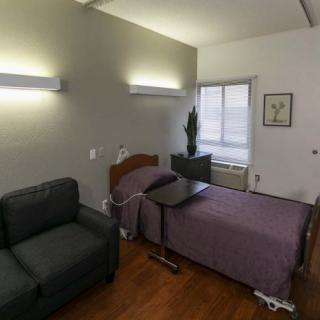
 Fully furnished
 Garden
 Housekeeping services
 Move-in coordination
 Outdoor space
 Telephone
 Wi-Fi/high-speed internet available
 Phoenix Sky Harbor International (7 miles away)
 24-hour supervision
 Activities of daily living assistance
 Assistance with bathing
 Assistance with dressing
 Assistance with transfers
 Diabetes diet
 Meal preparation and service
 Medication management
 Special dietary restrictions
 Transportation arrangement (medical)
 Transportation to doctors appointments




 Senior Transition Services: Understanding Their Role, Cost, and Importance
 Exploring the Path to Senior Living: A Comprehensive Look at Independent Living and Assisted Living
 Is Assisted Living Deductible on Your Taxes? Understanding the Complexities of Assisted Living Expenses and Deductions