
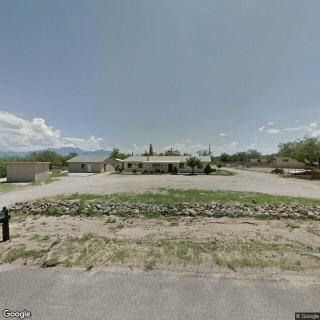
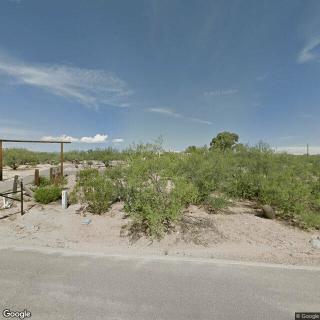
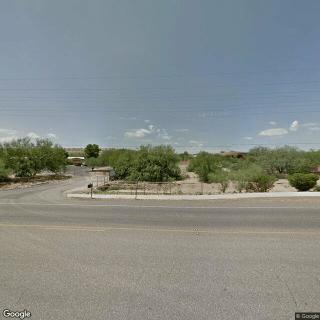
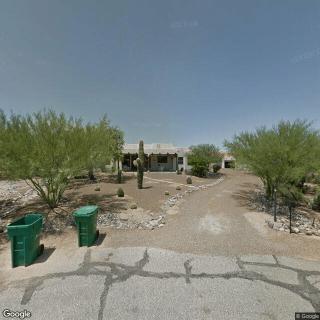
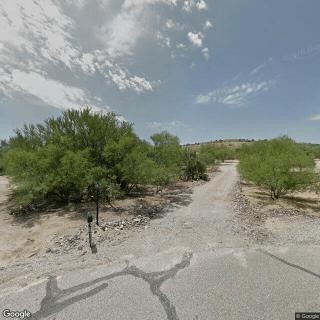
17240 Camino Cartegena, Sahuarita, AZ 85629
For more information about senior living options: (866) 208-4318
Nan's Hacienda Costs & Pricing
At Nan's Hacienda, the monthly cost for a private room is competitively priced at $2,000, which is significantly lower than the average costs in Pima County and throughout Arizona. Specifically, Pima County sees an average monthly rate of approximately $3,332, while the state average stands even higher at around $3,345. This disparity highlights Nan's Hacienda as an attractive option for individuals seeking quality accommodations without the burden of excessive expenses. The value offered not only encompasses affordability but also reflects a commitment to providing residents with comfortable living arrangements tailored to their needs.
| Floor plans | Nan's Hacienda | Pima County | Arizona |
|---|---|---|---|
| Private | $2,000 | $3,332 | $3,345 |
Assisted Living communities with a similar price nearby
-
from +$200 / mo

Gentlemen's Inn I
$2,200 / month22.2 miles away -
from +$200 / mo
The Villa Rosa
$2,200 to $2,500 / month1.5 miles away -
from +$275 / mo
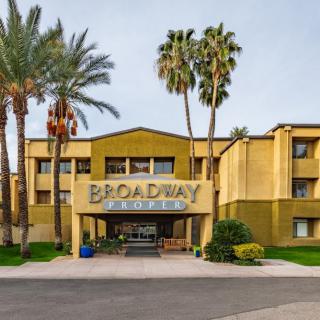
Broadway Proper Senior Living
$2,275 to $3,075 / month21.4 miles away -
from +$128 / mo
Sunrise at River Road
$2,128 to $3,530 / month24.9 miles away -
from -$355 / mo

Fellowship Square at Tucson
$1,645 to $2,235 / month22.0 miles away
Overall Review of Nan's Hacienda
Pros
 Great!
- A kind, loving environment in a clean, comfortable home for loved ones to be cared for by people that actually give a damb
Cons
 The reviewer claims the facility is deadly for residents, suggesting it’s a place you wouldn’t want for a loved one.
- The reviewer criticizes the cost and restrictive policies, noting residents are not allowed air conditioning, wifi, or computer access.
- The reviewer complains there is no signal at the location unless wifi or Internet is used, and that residents must pay for that service in addition to their room rates.
- The reviewer states meals consist of Campbell's soup nearly every night.
- The reviewer reports that two residents aspirated and died at the dinner table in less than a year.
- The reviewer alleges a death from aspiration pneumonia due to staff giving medications and fluids while the resident was lying down.
- The reviewer describes bruises on the resident and alleges the bruising was caused by abuse, not a fall.
- The reviewer accuses the lead caregiver, who is the owner’s daughter, of borrowing money from residents daily.
- The reviewer notes residents are sometimes left without anyone at all while the lead caregiver throws parties nearby or misses shifts.
- The reviewer states the facility has been reported to APS and other state departments multiple times, yet remains in business partly due to the lead caregiver’s connections.
- The reviewer warns others not to take loved ones to this place.
- The reviewer suggests the mother chose the place because she believed she was friends with the owner.
- The reviewer claims the owner is too ill to leave her house and relies on oxygen, while her daughter runs the facility into the ground.
- The reviewer notes the mother went six days without her fentanyl patch being replaced and questions where the medication went.
Review
Nan’s Hacienda in Sahuarita, AZ is best suited for families seeking a small, home-like setting where caregivers appear warm, personal, and focused on providing a comfortable daily life. The strongest positive threads come from reviews that describe a kind, loving environment and a clean, comfortable home atmosphere. For loved ones who value direct, neighborly care and a non-clinical feel over industrial-grade amenities, this community can deliver genuine, day-to-day comfort and companionship. The upside is a setting that feels more intimate than a larger facility, with staff who seem invested in residents’ well-being. That said, this calm veneer can obscure significant safety and governance concerns that merit serious scrutiny before choosing this path.
Those weighing alternatives should be mindful of strong caveats. Families needing rigorous medical oversight, consistent 24/7 supervision, or highly structured care plans may want to look elsewhere. The second, more troubling thread in the feedback points to potential safety gaps, with serious allegations of neglect, medication mismanagement, and even abuse. If essential protections, transparent accountability, and reliable emergency responsiveness are non-negotiable, it is prudent to consider facilities with documented regulatory histories and independent oversight. For residents requiring robust dementia care, wound management, or complex medical administration, the risks raised in the reviews argue for seeking a setting with proven, formal medical support and a clearer chain of command.
On the pro side, the home-like environment and evident care from staff can translate into meaningful daily quality of life. Cleanliness and a comfortable living space contribute to a sense of security and dignity, especially for residents who value personal touch and attentive, intimate caregiving. However, these strengths do not fully offset the darker notes raised by the negative feedback: reports of bruising, medication lapses, debates over who is responsible for administration, and accounts of staff gaps that left residents unsupervised. When a facility’s warmth meets frequent, alarming questions about safety and accountability, the practical impact on a resident’s well-being becomes the decisive factor.
Facility operations and daily life practices emerge as critical differentiators. The pricing, listed as roughly 2,700 to 3,500 per month per room, does not align with the absence of certain basics, such as air conditioning and on-site wifi without extra charges. The meals described as limited and repetitive signal nutritional care that may fall short for long-term health. More troubling are the claims of lapses in medication management, incidents of bruising, and the suggestion that staff turnover or misallocation of attention left residents unsupported at times. Even if some residents thrive in a quiet, homey routine, these structural gaps present real safety risks that cannot be dismissed, especially for aging bodies and vulnerable health conditions.
To make a well-founded decision, pursue a deliberate due diligence process. Insist on viewing recent, verifiable state inspections and licensing status, verifying caregiver qualifications and staffing ratios, and asking for written care protocols, medication administration procedures, and fall-prevention measures. Request to meet the on-site manager and the primary caregiver team, observe a meal service, and assess how emergencies are handled in real time. Talk to current residents or families about responses to medical concerns, consistency of staff, and how concerns are escalated. Above all, demand transparent answers about any past investigations, APS or regulatory findings, and the facility’s corrective actions.
Ultimately, Nan’s Hacienda may work for families prioritizing a warm, home-like setting and who are comfortable with a more informal governance structure and a willingness to closely monitor quality of care. For many, however, the serious safety concerns raised in reviews cannot be ignored. If safety, consistent medical oversight, and transparent accountability matter, and they usually do in senior living, an alternative that offers stronger regulatory compliance and clearer staffing protections will likely be the wiser long-term choice. A decisive step is to conduct multiple tours, ask for up-to-date inspector reports, and compare with other options that demonstrate stable leadership, rigorous care protocols, and a track record of safer, more predictable outcomes.
 10 resident community capacity
 Assisted Living
 Board and Care Home
 Cable or satellite TV
 Dining room
 Fully furnished
 Garden
 Housekeeping services
 Move-in coordination
 Outdoor space
 Private
 Telephone
 Wi-Fi/high-speed internet available
 Tucson International (13 miles away)
 24-hour supervision
 Activities of daily living assistance
 Assistance with bathing
 Assistance with dressing
 Assistance with transfers
 Diabetes diet
 Meal preparation and service
 Medication management
 Special dietary restrictions
 Transportation arrangement (medical)
 Transportation to doctors appointments



 Choosing the Right Senior Care: A Detailed Exploration of Assisted Living and Nursing Homes
 Understanding the True Cost of Assisted Living in 2025: A Comprehensive Guide
 Understanding Medicaid Coverage for Assisted Living: A Comprehensive Guide