
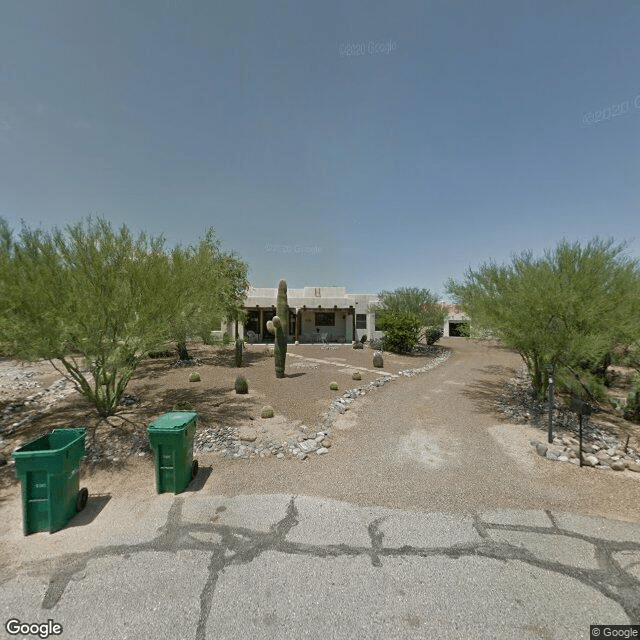
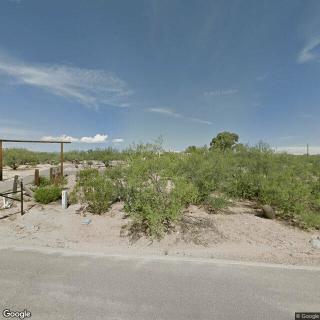
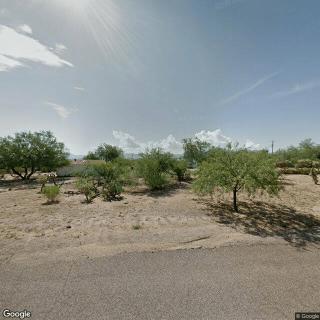
1680 West Placita Abreojos, Sahuarita, AZ 85629
For more information about senior living options: (866) 208-4318
Family Loving Kare S3 Costs & Pricing
Family Loving Kare S3 offers competitive pricing in the context of both Pima County and the broader state of Arizona. The monthly cost for a semi-private room is set at $3,000, which positions it slightly above the county average of $2,805 but remains attractive compared to the state average of $2,820. For those seeking more privacy, the price for a private room at Family Loving Kare S3 is $3,400; while this is higher than Pima County's average of $3,332 and Arizona's average of $3,345, it reflects the quality and personalized care provided by the facility. Additionally, one-bedroom accommodations are also priced at $3,400, which is lower than Pima County's average of $3,660 and aligns closely with Arizona's statewide average of $3,532. Overall, Family Loving Kare S3 balances its pricing against local and state trends while emphasizing its commitment to quality care.
| Floor plans | Family Loving Kare S3 | Pima County | Arizona |
|---|---|---|---|
| Semi-Private | $3,000 | $2,805 | $2,820 |
| Private | $3,400 | $3,332 | $3,345 |
| 1 Bedroom | $3,400 | $3,660 | $3,532 |
Memory care communities with a similar price nearby
-
from -$500 / mo
Fairmount Assisted Living
$2,500 to $3,500 / month22.7 miles away -
from +$335 / mo
Cascades of Tucson
$3,335 to $5,350 / month22.0 miles away -
from +$400 / mo
Groves Assisted Living - Pima
$3,400 to $5,500 / month22.1 miles away -
from -$405 / mo
Atria Campana Del Rio
$2,595 to $7,095 / month24.8 miles away -
from -$500 / mo
Ocotillo House At Infinity Wilmot
$2,500 to $3,000 / month21.0 miles away
Overall Review of Family Loving Kare S3
Pros
 The staff are friendly, attentive, and genuinely caring.
- The facility is clean, orderly, and has a warm, home-like atmosphere.
- The rooms offer private and shared options with televisions and internet.
- They provide comprehensive daily care, including bathing and feeding, with attentive staff.
- The meals are home-cooked with good variety and clear menus.
- Holiday decorations and thoughtful touches create a welcoming environment.
- The facility owner is present and engaged, contributing to a sense of security.
- They respond quickly to questions and honor promises.
- There are ample activities and one-on-one engagement, including arts, crafts, games, and outings.
- The staff work closely with doctors and nurses to deliver quality care.
Cons
 The reviewer claims the residents’ well-being is ignored and that only the money matters to the staff.
 - The reviewer states a sister’s POA led to confining the friend there, with no phone or visitors allowed.
- The reviewer notes there were no social activities planned for residents, which they found off-putting.
- The reviewer describes some rooms as very small, dark, and with peeling paint, calling them substandard.
- The reviewer says Life Sonoran Homes had rooms that were too small, making the experience sad and not suitable.
- The reviewer describes the husband as very unhappy, not eating, and suggests the staff misrepresented his ability to feed himself.
- The reviewer mentions the facility would not take him back after hospitalization, implying poor handling.
Review
Family Loving Kare S3 in Sahuarita is best suited for families seeking a truly intimate, home-like assisted living option where caregivers know residents well and routines feel predictable. The community operates as a small house with roughly ten residents, and the owner’s proximity and hands-on involvement translate into a warm, family-like atmosphere. For seniors who need daily help with bathing, meals, and grooming and who value a cozy living room, holiday décor, and easy family access, FLK S3 delivers a comforting, low-key environment that can feel far more personal than a larger campus.
That said, this community is less suitable for families chasing a bustling social calendar or aggressive rehab programming. If a resident thrives on structured activities, frequent group outings, or dementia-focused programming, larger facilities with dedicated activity staff will generally deliver more consistent engagement. There are also questions to consider about autonomy and family communication; at least one review describes restrictions around visits and a sense that wellbeing was deprioritized in favor of other concerns. For families where open, unimpeded contact and a strong emphasis on resident independence are priorities, alternatives should be explored.
On the strength side, the pros are concrete and meaningful. The facility is clean and orderly, with spaces that feel homey rather than clinical. Staff are repeatedly described as caring, attentive, and genuinely devoted to residents, and the owner’s visible presence is perceived as a guarantee of accountability and continuity of care. The small size facilitates frequent check-ins, easy access to meals, and a sense that residents are part of a close-knit household rather than anonymous occupants. Rooms vary, but several residents report well-kept private and shared spaces, and the everyday rhythm includes regular bathing, feeding, and personal care, with additional grooming services like hair appointments and manicures when available. The living areas are described as warm, with communal spaces large enough for family visits and casual social interaction, and the setting supports holiday decorating and quiet companionship.
There are caveats worth weighing against these positives. The same small footprint that fosters closeness also limits the breadth of activities and social programming; some reviewers note the absence of robust, scheduled engagement. Aesthetics can be uneven, with reports of smaller or darker rooms and occasional peeling paint in certain spaces, signaling that not all rooms meet the same standard of comfort. The tension between strong personal care and limited activity options means that residents who require constant stimulation or extensive community programming may feel the day-to-day there is too quiet. Finally, while most experiences are positive, at least one account highlights concerns about how autonomy and family input are handled, underscoring the importance of clear policies and diligent courting of the care plan.
In practical terms, the decision comes down to alignment of needs and expectations. For families prioritizing a warm, family-style setting with dependable daily care, reliable staff interactions, and a low-key, home-like environment, FLK S3 can be a solid, comforting choice. For those who require vigorous social activity, structured rehabilitation, or expansive autonomy and visiting flexibility, or for families who cannot tolerate even a single troubling report about restricted contact, this is a facility to examine cautiously and compare with other options. The best approach is a deliberate, in-person assessment that probes care plans, room options, and the policies governing family involvement.
Finally, the path to a confident choice should include practical checks and conversations. Schedule multiple visits to observe staff-resident interactions and to meet the person who would oversee daily care. Inspect several rooms to understand what is typical in terms space, lighting, and comfort, and confirm what is included in the rate for meals, bathing, grooming, and activities. Ask direct questions about visitation rights, POA processes, and how problems are escalated and resolved. Seek current resident or family references to triangulate experiences. If the answers align with a warm, hands-on, small-house culture and a proven caregiving ethos, Family Loving Kare S3 offers a credible, proven home-like option that families can trust to treat their loved ones with kindness and consistent attention.
 10 resident community capacity
 1-bedroom apartments
 Assisted Living
 Board and Care Home
 Memory Care
 Cable or satellite TV
 Dining room
 Fully furnished
 Garden
 Housekeeping services
 Move-in coordination
 Outdoor space
 Private
 Telephone
 Wi-Fi/high-speed internet available
 Tucson International (13 miles away)
 24-hour supervision
 Activities of daily living assistance
 Ambulatory care
 Assistance with bathing
 Assistance with dressing
 Assistance with transfers
 Diabetes diet
 High acuity care
 Incontinence care
 Meal preparation and service
 Medication management
 Special dietary restrictions
 Transportation arrangement (medical)
 Transportation to doctors appointments



 Nourishing the Mind: Essential Dietary Approaches for Dementia
 Understanding Dementia Behaviors: Practical Insights and Strategies for Caregivers
 When Dementia Sparks Anger and Aggression: Understanding the Connection and Ways to Cope