

17420 South La Canada Drive, Sahuarita, AZ 85629
For more information about senior living options: (866) 208-4318
Family Loving Kare Green Valley Costs & Pricing
Family Loving Kare Green Valley offers competitive pricing for its private room accommodations at $3,000 per month. This rate is notably lower than the average costs in Pima County, where similar private rooms are priced at approximately $3,332, as well as the broader Arizona state average of $3,345. This cost-effectiveness positions Family Loving Kare Green Valley as an appealing option for families seeking quality care without the financial strain often associated with assisted living facilities in the region. Overall, residents can expect not only a supportive environment but also a more manageable monthly expense.
| Floor plans | Family Loving Kare Green Valley | Pima County | Arizona |
|---|---|---|---|
| Private | $3,000 | $3,332 | $3,345 |
Assisted Living communities with a similar price nearby
-
from +$200 / mo

Academy Villas
$3,200 to $7,000 / month21.2 miles away -
from -$500 / mo
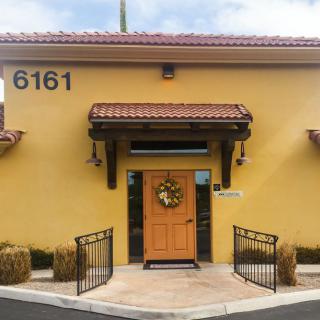
Fairmount Assisted Living
$2,500 to $3,500 / month22.6 miles away -
from +$335 / mo
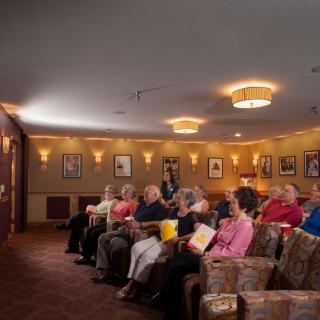
Cascades of Tucson
$3,335 to $5,350 / month21.8 miles away -
from +$400 / mo

Groves Assisted Living - Pima
$3,400 to $5,500 / month22.0 miles away -
from -$405 / mo
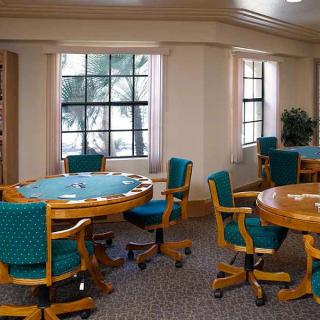
Atria Campana Del Rio
$2,595 to $7,095 / month24.8 miles away
Overall Review of Family Loving Kare Green Valley
Pros
 It runs very much like a house you would live in with a family member.
- The staff is good, caring, and loving towards their residents.
- The grounds were nice, trimmed, and nicely kept.
- The house was always clean and good.
- There were two beds to a room, and it was nicely accommodated with everything that residents would need.
Cons
 Her well-being is ignored by the facility.
- It is not an assisted living home; it is end of life.
- Her sister, who holds POA, has locked her up in this place.
- She has no phone and is allowed no visitors.
- Her well-being is immaterial to the folks who run this place.
- All that matters here is the check coming in.
- She would be better off in prison.
Review
Family Loving Kare Green Valley is best suited for seniors who want a warm, home-like, small-scale living experience and can thrive without intensive medical rehab or around-the-clock skilled nursing. The operation feels like a family home, with eight to ten residents per house and a family-owned governance style. For residents who value daily routines, personal attention, and a comfortable, non-clinical atmosphere, this setting can feel like a natural extension of home. The care team is described as affectionate and attentive, and the grounds are tidy, contributing to a domestic, low-key vibe. That approach works for those who prioritize companionship and a slower pace over formal rehabilitation services. It is not a one-size-fits-all option, and the intimate scale carries tradeoffs in medical resources and governance, which can clash with higher-acuity needs.
Families weighing options should explicitly consider alternatives if rehabilitation, robust clinical oversight, or guaranteed resident rights are priorities. Larger assisted living communities or skilled nursing facilities typically provide more structured medical services, clearer visitation policies, and formalized governance around power-of-attorney decisions. If a resident requires ongoing therapy, frequent medical monitoring, or transparent protections around medical decisions and privacy, a bigger operation may be the safer choice. In short, the best fit hinges on whether a homelike, intimate setting with flexible day-to-day care aligns with the resident’s medical needs and the family’s expectations for rights and oversight.
On the upside, the setting’s intimate, home-forward nature and the warmth of the staff stand out as meaningful benefits. A clean, well-kept house, pleasant grounds, and the perceived devotion of caregivers can significantly enhance daily comfort and mood. The eight-to-ten-resident configuration fosters closer relationships among residents and staff, which can reduce isolation and support meaningful social interaction. The family-owned model can translate into more personalized days, with staff willingness to accommodate preferences and routines. Taken together, these strengths can compensate for the absence of hospital-grade medical infrastructure when the primary goal is dignity, companionship, and a familiar living rhythm. Yet the gains depend on reliable staffing and consistent attention to each resident’s wellbeing.
The most troubling concerns from the available accounts center on potential neglect and restrictive practices that undermine trust. Claims that a resident’s wellbeing is not prioritized, with limited phone access and restricted visitors, raise serious questions about autonomy and safety. The suggestion that a sister with power-of-attorney controls access and that finances drive decisions is a red flag requiring clear documentation, independent verification, and a transparent care plan. While these allegations demand careful checking, they cannot be dismissed, because they strike at the core expectations families have for resident rights and responsive care. The home-conversion realities and shared rooms add privacy and privacy concerns, and they amplify the need for strong governance and open communication, especially for residents with injuries or rehabilitation needs that require timely oversight.
Prospective families should conduct targeted due diligence. Request a thorough tour, review the admission contract, resident-rights policy, and recent regulatory surveys. Ask for concrete details about therapy availability, care planning, and how emergencies are managed after hours. Speak with current residents or families about staffing responsiveness, daily routines, and the balance between privacy and supervision. Clarify visitation and phone access policies, and obtain written explanations of how POA decisions interact with day-to-day care. Verify the facility’s licensing status and any enforcement actions, then corroborate claims with multiple sources. Only with clear, verifiable policies and demonstrable attentiveness can the positives be trusted to outweigh the risks.
In the final analysis, the decision hinges on fit. If a resident thrives in a homey, intimate routine and can accept a lighter medical footprint with active family involvement, this community can be a comforting, workable option, provided governance, rights protections, and transparency are solid. If ongoing rehabilitation, rigorous clinical oversight, or a transparent rights framework are non-negotiable, serious consideration should be given to alternatives with stronger safeguards. A disciplined discovery process, site visits, candid conversations, policy reviews, and credential checks, will separate a genuinely compassionate, well-run small home from a setting where risk lies beneath the charm. The prudent path favors selecting a setting with proven balance between warmth and safeguards, then aligning it with the resident’s medical and social needs.
 10 resident community capacity
 1-bedroom apartments
 Assisted Living
 Board and Care Home
 Cats allowed
 Dogs allowed
 Cable or satellite TV
 Dining room
 Fully furnished
 Garden
 Housekeeping services
 Move-in coordination
 Outdoor space
 Private
 Telephone
 Wi-Fi/high-speed internet available
 Tucson International (13 miles away)
 24-hour supervision
 Activities of daily living assistance
 Assistance with bathing
 Assistance with dressing
 Assistance with transfers
 Diabetes diet
 Meal preparation and service
 Medication management
 Special dietary restrictions
 Transportation arrangement (medical)
 Transportation to doctors appointments





 Exploring the Path to Senior Living: A Comprehensive Look at Independent Living and Assisted Living
 Is Assisted Living Deductible on Your Taxes? Understanding the Complexities of Assisted Living Expenses and Deductions
 Assisted Living Support for Veterans: A Complete and Detailed Overview