
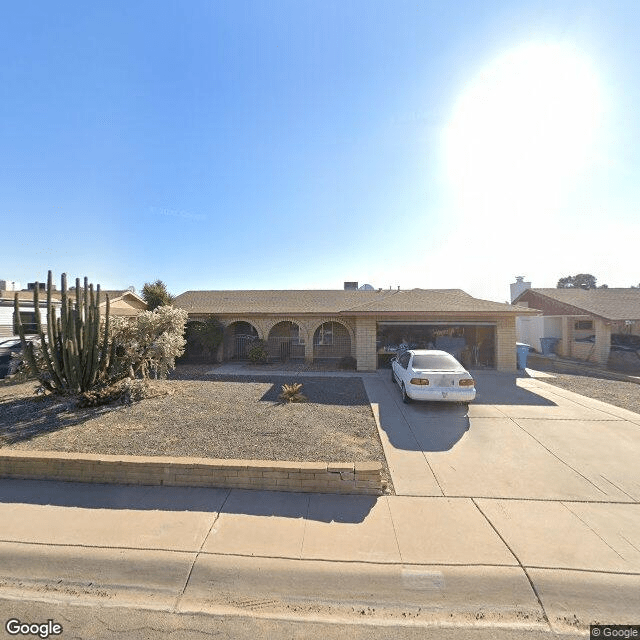
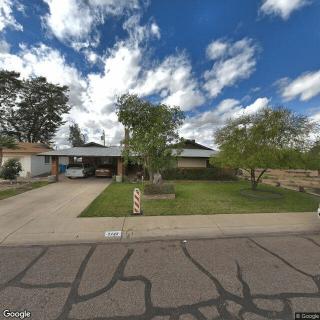
4113 West Hayward Avenue, Phoenix, AZ 85051
For more information about senior living options: (866) 208-4318
Tang Assisted Living Costs & Pricing
Tang Assisted Living offers competitive pricing for its services, particularly when compared to the broader market in Maricopa County and throughout Arizona. For a private room, residents can expect to pay $2,500 per month, significantly lower than the county average of $3,318 and the state average of $3,345. Similarly, the cost for a studio at Tang Assisted Living is $2,918, which is also more affordable than the county's average of $3,960 and the state's average of $3,829. This pricing structure not only highlights Tang Assisted Living's commitment to providing accessible care but also positions it as an attractive option for families seeking quality assistance without excessive financial burden.
| Floor plans | Tang Assisted Living | Maricopa County | Arizona |
|---|---|---|---|
| Private | $2,500 | $3,318 | $3,345 |
| Studio | $2,918 | $3,960 | $3,829 |
Assisted Living communities with a similar price nearby
-
from +$300 / mo

Pinnacle Peak Assisted Living
$2,800 to $3,100 / month17.0 miles away -
from +$125 / mo

The Eldercare Home Of Tempe
$2,625 to $3,412 / month18.5 miles away -
from +$400 / mo
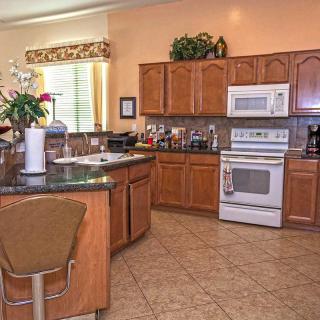
Royal Paradise Care
$2,900 to $3,800 / month12.7 miles away -
from +$350 / mo
Covenant Care Assisted Living Home
$2,850 to $3,705 / month15.4 miles away -
About the same
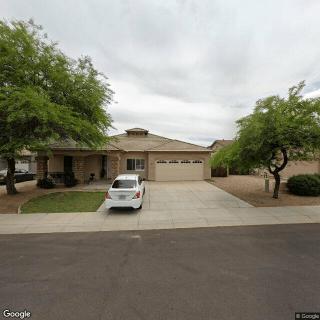
Anc Assisted Living Homes I
$2,500 to $3,500 / month18.5 miles away
Overall Review of Tang Assisted Living
Pros
 The owner is caring, compassionate, and a dedicated caregiver.
- The care home provides the very best care.
- The owner promptly recognizes problems and ensures timely hospital care.
- They do a great job, are very attentive, catch issues as they arise, and are proactive in care.
- They communicate well with families and keep them updated, even when the news is tough.
Review
Tang Assisted Living in Phoenix is best suited for seniors who want intensely personal, hands-on care delivered in a small, owner-operated setting. The community excels when families prioritize constant oversight, rapid responsiveness, and direct, ongoing communication with the person coordinating daily care. The owner doubles as the primary caregiver, bringing a level of attentiveness and instinct that translates into quick recognition of problems and timely decisions, like hospital transport when warranted. In practice, this creates a tightly woven routine where residents are observed closely, potential health changes are flagged early, and relatives are kept in the loop without chasing updates. This model works best for those who don’t need a large campus but do require acute, reliable monitoring.
Those who should consider alternatives are families seeking a traditional, larger campus with more activities and a formal nursing staff on site. If a transparent, standardized contract, pricing, and long-term planning matter, a bigger operator may provide more predictability. For residents who require intensive memory care, specialized therapies, or expansive social programming, the small-group home format may feel constrained. In short, Tang serves best as a selective choice for those who value close-knit, hands-on caregiving over the breadth of services offered by larger facilities.
Key strengths offset potential downsides. The standout benefits, proactive attention, quick recognition of subtle changes, and immediate escalation, translate into safer daily living and fewer surprises for families. The owner’s direct involvement means decisions are made without delay and with a clear line of accountability. Frequent updates to families, even when conversations are difficult, reduce anxiety and build trust. While staffing may be lean relative to larger communities, the compact model ensures staff are familiar with residents’ routines and preferences, often resulting in more consistent, personalized care that feels remarkably attentive and responsive.
When evaluating Tang, visitors should press for specifics: meet the owner in person and observe how the caregiving team interacts with residents. Review care plans, medication management, and how medical appointments are coordinated. Ask about on-call coverage, emergency protocols, and the process for escalating health concerns to a physician or hospital. Clarify what daily programming looks like, dining arrangements, and transportation options. Finally, verify licensing status and inquire about any specialized services that may be needed in the future, ensuring expectations align with what the home can sustain over time.
The practical verdict targets a particular caregiver profile. Tang Assisted Living is a compelling option for families who want unwavering attentiveness and a steady stream of transparent updates. It is especially attractive when the priority is a safety-forward, home-like atmosphere driven by a caregiver-led approach. The real-world gains, early problem-solving, rapid hospital transfer if needed, and solid family communication, often outweigh the limits inherent to a smaller operation, making Tang a trustworthy choice for residents who fit this niche.
Bottom line: Tang Assisted Living serves a focused niche very well. It suits seniors who thrive on highly personal, hands-on care delivered in a close-knit setting and families who demand direct access to the caregiver overseeing daily life. If the goal is a bigger array of activities, broader medical oversight, or specialized dementia programming, exploring larger assisted living campuses or dedicated memory care communities is prudent. For those who want a pragmatic blend of vigilant care and open, ongoing family communication, Tang stands out as a dependable, practical choice.
 5 resident community capacity
 Assisted Living
 Board and Care Home
 Activities on-site
 Cable or satellite TV
 Devotional services off-site
 Dining room
 Fully furnished
 Garden
 Housekeeping services
 Indoor common areas
 Move-in coordination
 Outdoor space
 Private
 Telephone
 Wi-Fi/high-speed internet available
 Phoenix Sky Harbor International (11 miles away)
 24-hour supervision
 Ambulatory care
 Assistance with bathing
 Assistance with dressing
 Assistance with transfers
 Diabetes diet
 Diabetic care
 Meal preparation and service
 Medication management
 Special dietary restrictions
 Transportation arrangement (medical)
 Transportation to doctors appointments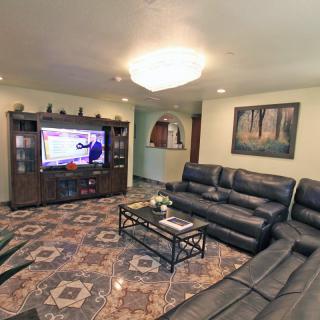



 Understanding the True Cost of Assisted Living in 2025: A Comprehensive Guide
 Understanding Medicaid Coverage for Assisted Living: A Comprehensive Guide
 How and When Medicaid May Cover Assisted Living Costs