
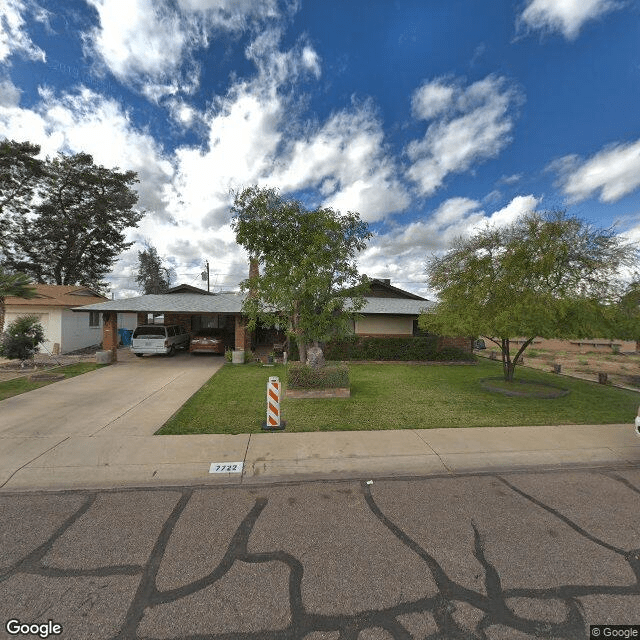
7722 North 38th Avenue, Phoenix, AZ 85051
For more information about senior living options: (866) 208-4318
Overall Review of Vita Amorosa Assisted Living
Pros
 Bella Vita Assisted Living Homes provide high-quality care and are run professionally.
- The environment is warm and feels like home, making families comfortable.
- The staff are kind, attentive, and genuinely care for residents.
- The facility is well maintained, modern, clean, and beautifully furnished.
- Meals are prepared on-site and tailored to residents' preferences.
- Activities and programs engage residents and encourage social interaction.
- Families describe Bella Vita as compassionate, reliable, and highly recommended.
Cons
 They misrepresented what they provide in terms of activities and prompt care for infections.
- The worse incident involved a caretaker punching a resident in the stomach while he was choking, witnessed by the resident’s daughter.
- The manager is on site only 3 to 5 hours a week and was rude on several occasions, lacking communication and management skills.
- Three staff members left during the four-month stay, and one fired employee appeared drunk or high on more than one occasion.
- The owner shows up for tours or to drop off groceries and is probably there less than an hour a week.
- At one point the manager told visitors to come less frequently and for shorter periods.
- The owner has little compassion for the elderly and does not foster friendships.
- They would not recommend this group home.
- They lost some of my Mom’s belongings, though they were found after moving out.
Review
Vita Amorosa Assisted Living in Phoenix is best suited for families seeking a small, home-like setting where caregivers know residents well and daily life feels personal. The strongest examples within this network come from Bella Vita-style homes: intimate, clean, well-maintained environments where meals are prepared on site, preferences are honored in weekly food orders, and programming is designed to foster real engagement. Residents are described as receiving attentive aides and nurses who are accessible, with leadership that can be responsive when needed. For seniors who thrive on routine, meaningful social interaction, and a setting that feels like a true extended family, this model offers genuine advantages that translate into calmer days and more predictable caregiving.
Those who may want to consider alternatives are primarily families prioritizing rock-solid safety culture and unwavering leadership presence. One review highlights alarming gaps: misrepresentation of activities, slow or incomplete care for infections, and, disturbingly, a serious incident where a caretaker allegedly punched a resident. Add to that a manager who appears infrequently on-site, turnover among staff, and an owner who is rarely present, with communication that can feel defensive or distant. The implication is a fragile operating rhythm when leadership is not consistently visible or accountable. For families who demand transparent governance, consistent supervision, and a robust, clearly articulated activities calendar, this facet warrants scrutiny and comparison against other options.
The core pros, staff dedication, warm environment, and a track record of specialized care, do offset many concerns when leadership is stable and communication is clear. Reviews consistently praise staff for going the extra mile, the presence of specialized training for Parkinson’s and dementia care, and a culture that treats residents with kindness and respect. The intimate size supports quick, personalized adjustments to care plans, and the embedded activity offerings, music, chair exercises, travel videos, and interactive programs, keep residents mentally and socially engaged. When management is present and responsive, issues are addressed promptly, meals reflect resident preferences, and families feel informed and connected. Those strengths matter a great deal for seniors who need daily assistance but want to remain actively engaged.
To evaluate properly, families should press for specifics about day-to-day operation and safety. Key questions include: on-site administrator hours and visibility; current caregiver-to-resident ratios and turnover rates; the facility’s process for reporting and resolving safety incidents; how activities are staffed and whether the calendar truly reflects resident interests; whether meals are tailored to dietary needs and flavor preferences; and how families are kept informed about changes in health status or care plans. Visiting at different times, speaking with current residents and their families, and requesting a representative day-in-the-life observation can uncover how consistently care is delivered and how well the environment supports engagement versus routine and supervision.
In the end, Vita Amorosa presents a compelling choice for families who prize a tight-knit, empathetic caregiving environment, strong clinical capability in dementia and movement disorders, and an atmosphere that feels like a welcoming home. The consistent, heartfelt praise in many reviews underscores real-life benefits: calm routines, responsive aides, and a sense of community that supports both residents and families. Yet the notable red flags cannot be dismissed. If safety leadership, accountability, and a reliably full activities schedule are non-negotiable, the risk is that variability across the network could undermine peace of mind. The decision hinges on whether intimate, personalized care outweighs concerns about leadership consistency and incident history.
Bottom line: Vita Amorosa is a viable, well-regarded option for families who want a homelike, attentive setting with staff who know residents and care deeply about daily quality of life. For those whose criteria include an uncompromising safety culture, transparent leadership, and a consistently robust activities roster, it is essential to visit, interrogate leadership presence, and compare with Bella Vita’s other Phoenix-area offerings. Seek candid feedback from current residents and families, demand clear explanations on management responsiveness, and verify that care plans align with specific medical needs. When these conditions align, the right community can deliver true peace of mind for families navigating senior care.
 5 resident community capacity
 Assisted Living
 Board and Care Home
 Cable or satellite TV
 Dining room
 Fully furnished
 Garden
 Housekeeping services
 Move-in coordination
 Outdoor space
 Telephone
 Wi-Fi/high-speed internet available
 Phoenix Sky Harbor International (11 miles away)
 24-hour supervision
 Activities of daily living assistance
 Assistance with bathing
 Assistance with dressing
 Assistance with transfers
 Diabetes diet
 Meal preparation and service
 Medication management
 Special dietary restrictions
 Transportation arrangement (medical)
 Transportation to doctors appointments



 Comprehensive Insights into Activities of Daily Living (ADLs) and Their Assessment
 Medicare Coverage for Assisted Living: An In-Depth Exploration
 Your Comprehensive Guide to Luxury Assisted Living: Elevated Facilities, Amenities, and Costs