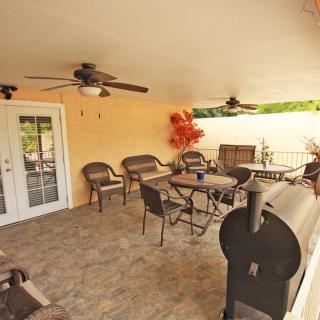
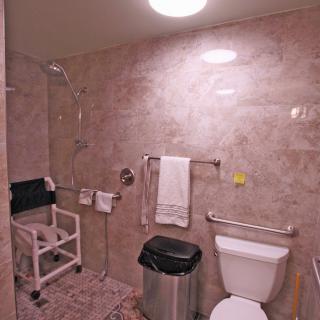
4130 West Northern Avenue, Phoenix, AZ 85051
For more information about senior living options: (866) 208-4318
Lovin Touch Assisted Living Costs & Pricing
Lovin Touch Assisted Living offers competitive pricing for its residents compared to the broader market in Maricopa County and Arizona as a whole. For semi-private rooms, Lovin Touch's cost of $2,800 per month is slightly below both county and state averages, which stand at $2,801 and $2,820 respectively. When it comes to private accommodations and studio options, Lovin Touch maintains an attractive rate of $3,000 per month for both room types. This pricing remains significantly lower than the county average of $3,318 and state average of $3,345 for private rooms, while also outperforming the higher average costs for studios at both levels - $3,960 in Maricopa County and $3,829 statewide. Overall, Lovin Touch not only provides a warm environment but does so with thoughtful financial consideration that supports residents' need for quality care without compromising their budget.
| Floor plans | Lovin Touch Assisted Living | Maricopa County | Arizona |
|---|---|---|---|
| Semi-Private | $2,800 | $2,801 | $2,820 |
| Private | $3,000 | $3,318 | $3,345 |
| Studio | $3,000 | $3,960 | $3,829 |
Memory care communities with a similar price nearby
-
from -$400 / mo
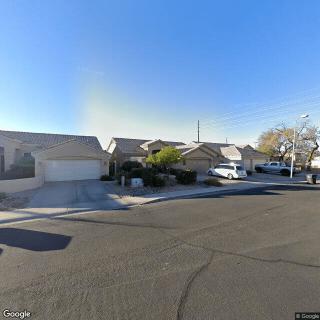
Golden Touch One Adult Care Home
$2,400 to $5,800 / month23.3 miles away -
from +$200 / mo

Desert Garden Senior Living
$3,000 to $3,500 / month13.5 miles away -
from -$300 / mo
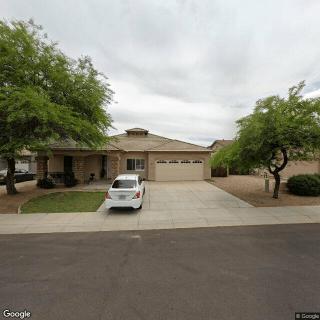
Anc Assisted Living Homes I
$2,500 to $3,500 / month18.3 miles away -
from -$100 / mo
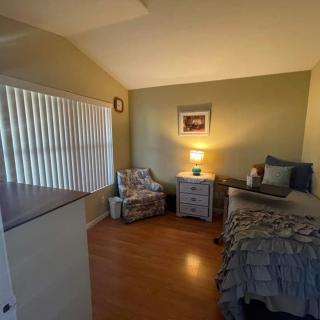
Caring Hearts Senior Care
$2,700 to $3,500 / month15.3 miles away -
from +$200 / mo
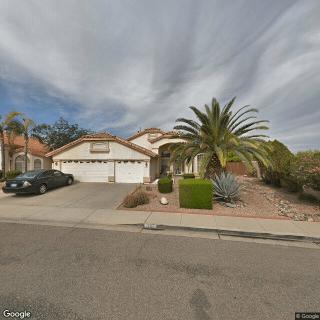
Horizon Assisted Living
$3,000 / month8.9 miles away
Overall Review of Lovin Touch Assisted Living
Pros
 Lovin Touch Assisted Living is a private facility where residents are outgoing, nice, and caring.
- The staff are highly aware of residents’ needs and very attentive.
- The food is homemade and consistently very good.
- The facility offers ongoing activities, including bingo and music.
- The owner is compassionate, responsible, and dedicated.
- The staff are professional and the home feels brand new inside.
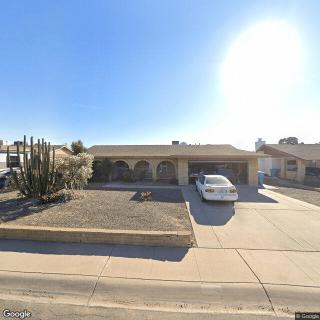
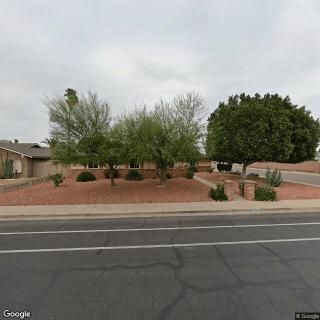
- The property is large and fully walled, which helps patients who wander.
- The care home comes highly recommended.
Review
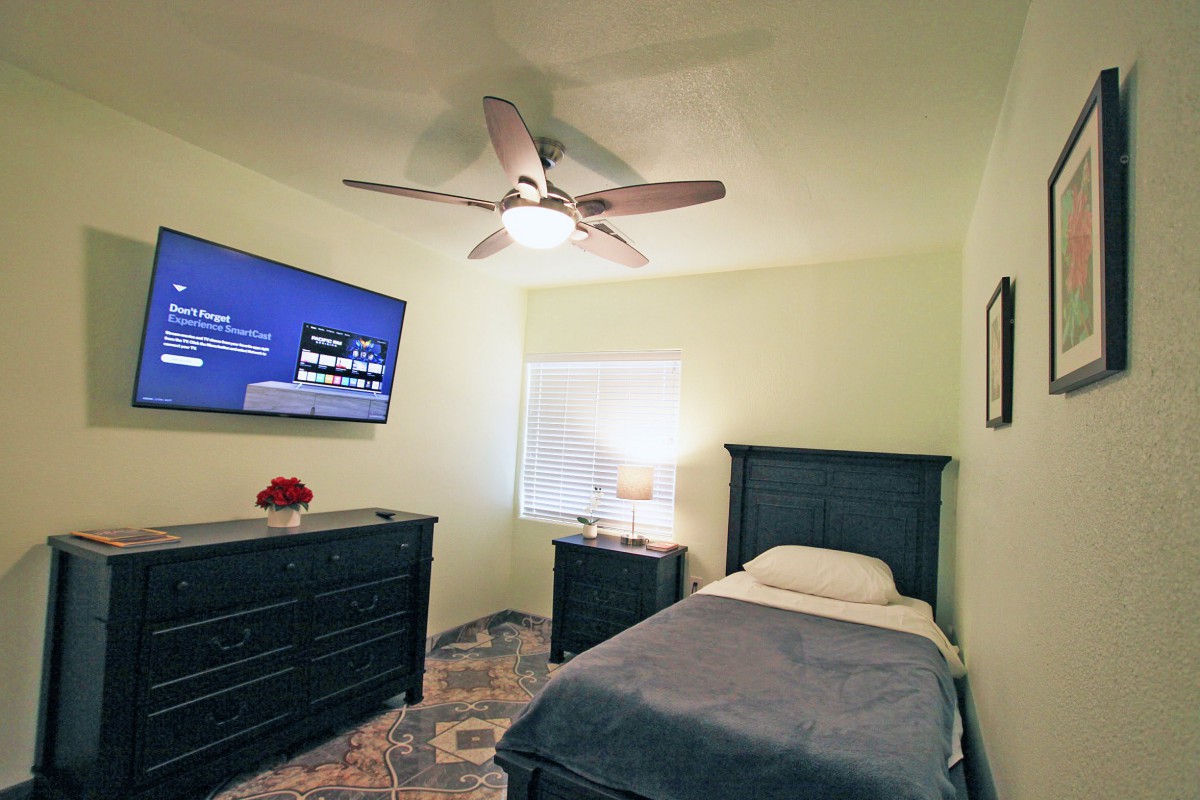
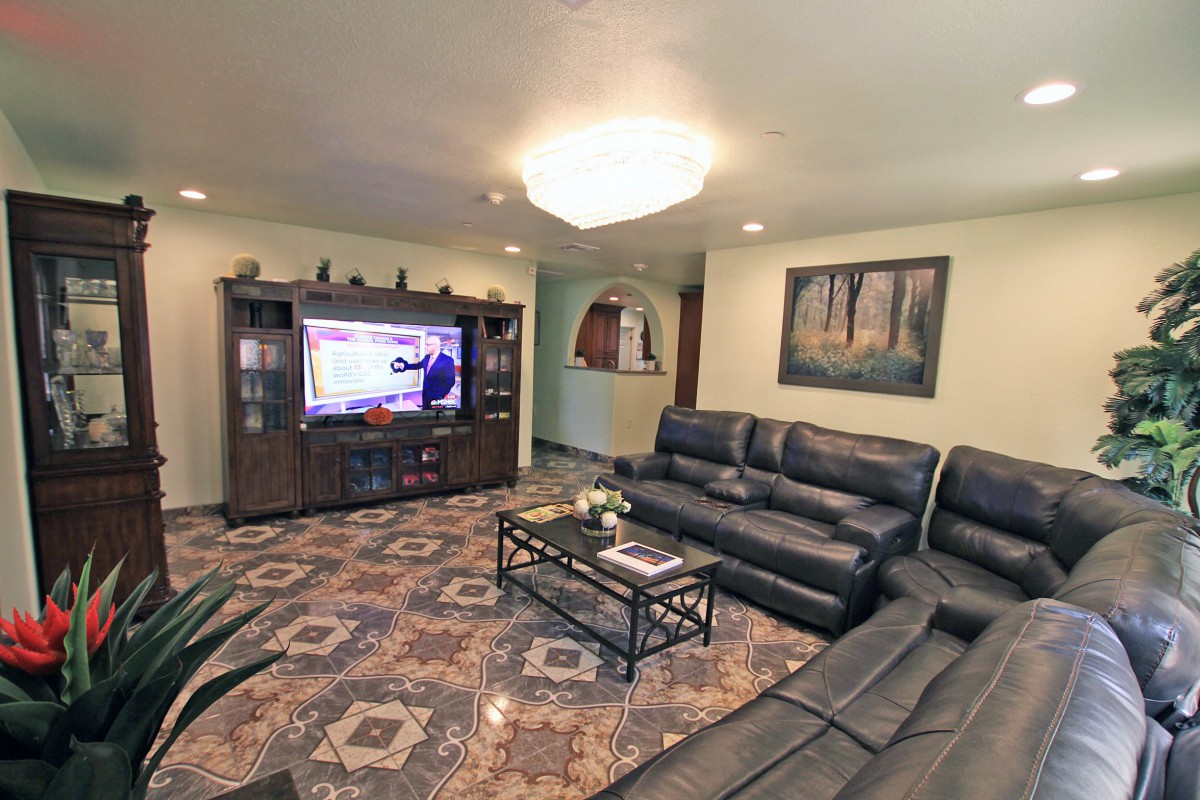
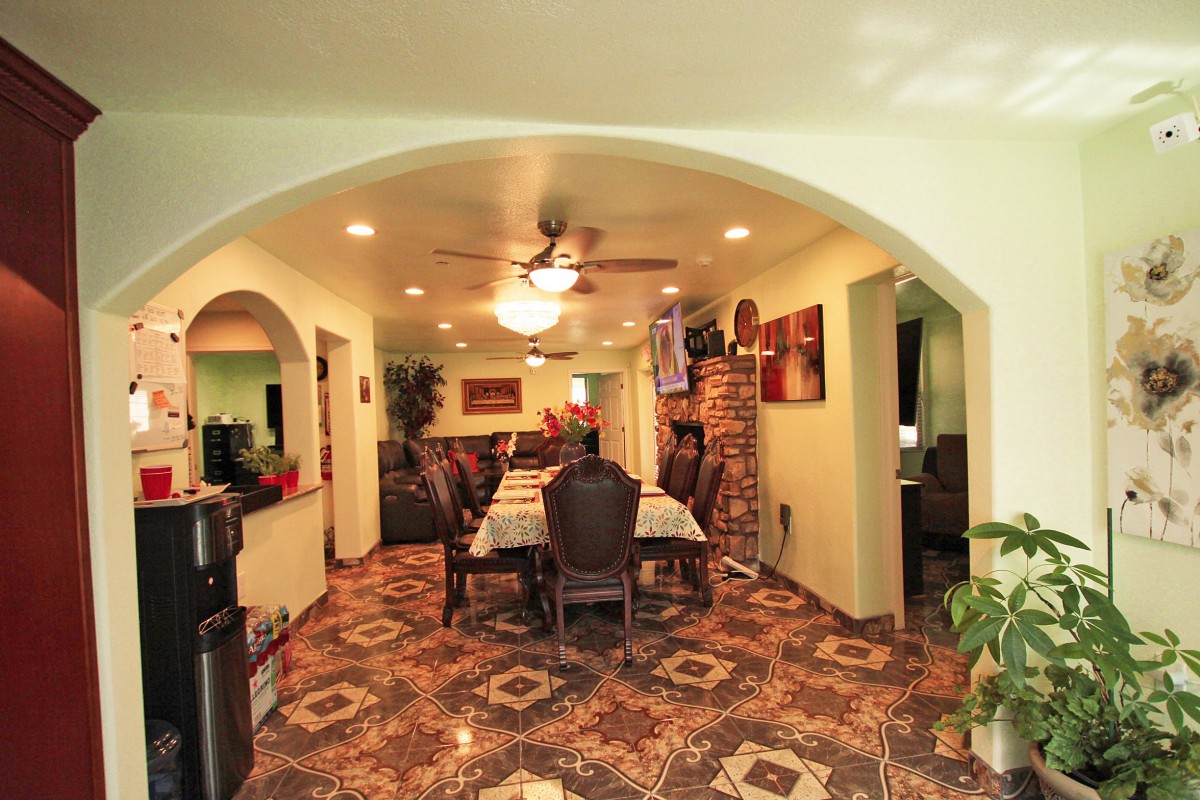
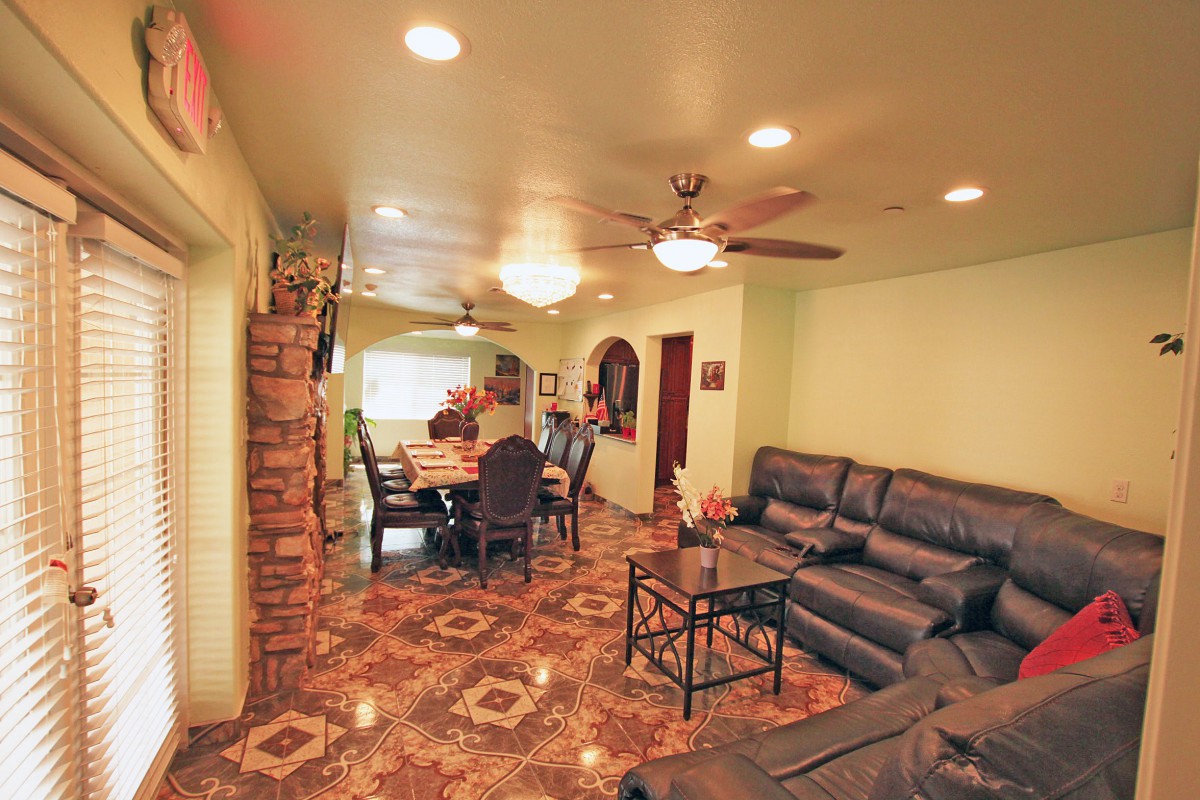
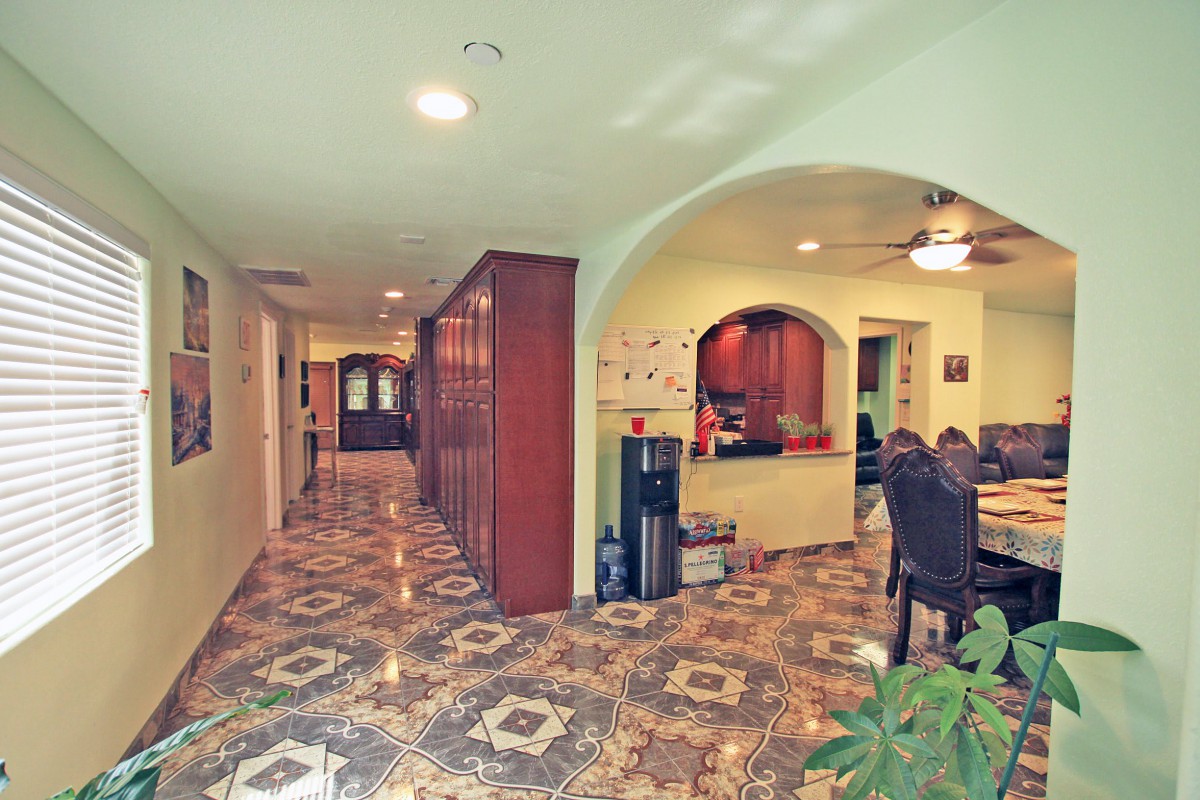
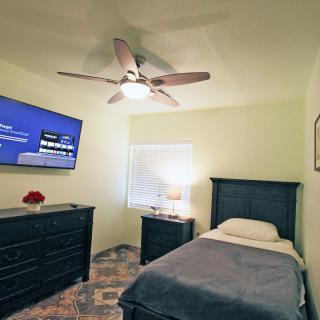
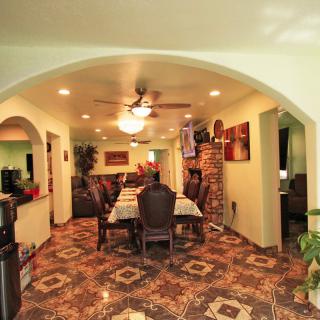
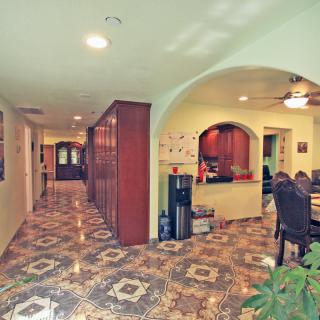
Lovin Touch Assisted Living in Phoenix is best suited for seniors who prize a small, intimate, home-like environment where care is highly personalized, and staff members are consistently attentive. The community attracts residents who value privacy but still want a warm, social atmosphere, with an outgoing resident mix and a culture of genuine kindness. The setting benefits from a neighborhood-friendly location, a brand-new interior, and thoughtful design choices that support safety and comfort. For families seeking a place where caregiving feels hands-on and partners an owner who is deeply invested in each resident’s well-being, this community stands out as a strong match.
Those who may want to consider alternatives are families with higher medical needs requiring on-site physician rounds, complex therapy programs, or a larger campus with broader medical services. If a corporate, multi-site operation with more formalized policies and a wider staff depth is important, or if pricing transparency and predictability are critical, exploring other assisted living options could be prudent. Additionally, households looking for a facility with extensive social infrastructure and a broad menu of highly structured activities might find larger communities offer more variety.
The key advantages are substantial and tightly aligned with practical senior living goals. The staff’s awareness and attentiveness translate into reliable daily support, while the owner’s background as a private caregiver informs a level of compassion, speed, and personalized judgment that is rare in larger operators. Residents benefit from high-quality, homemade meals and a schedule of engaging activities, bingo, music, and ongoing diversions, that help sustain routine and vitality. The environment is described as private yet welcoming, with a quiet sophistication that makes a big property feel comfortable rather than intimidating, and the interior’s fresh, modern finish reduces maintenance concerns and helps staff focus on caregiving.
A central strength is the owner’s direct involvement, which often accelerates problem-solving and reinforces trust with families. Reviews repeatedly highlight the caregiver-turned-operator’s dedication, compassion, and proactive care, including timely responses when medical issues arise and decisions made in the resident’s best interest. This hands-on leadership creates a sense of continuity that families value, especially when continuity translates into faster hospital transfers or prompt attention to changes in condition. Yet, this same model can raise questions about long-term continuity if ownership dynamics shift, families are wise to ask about contingency plans, staff leadership coverage, and how care would be sustained if the owner were unavailable.
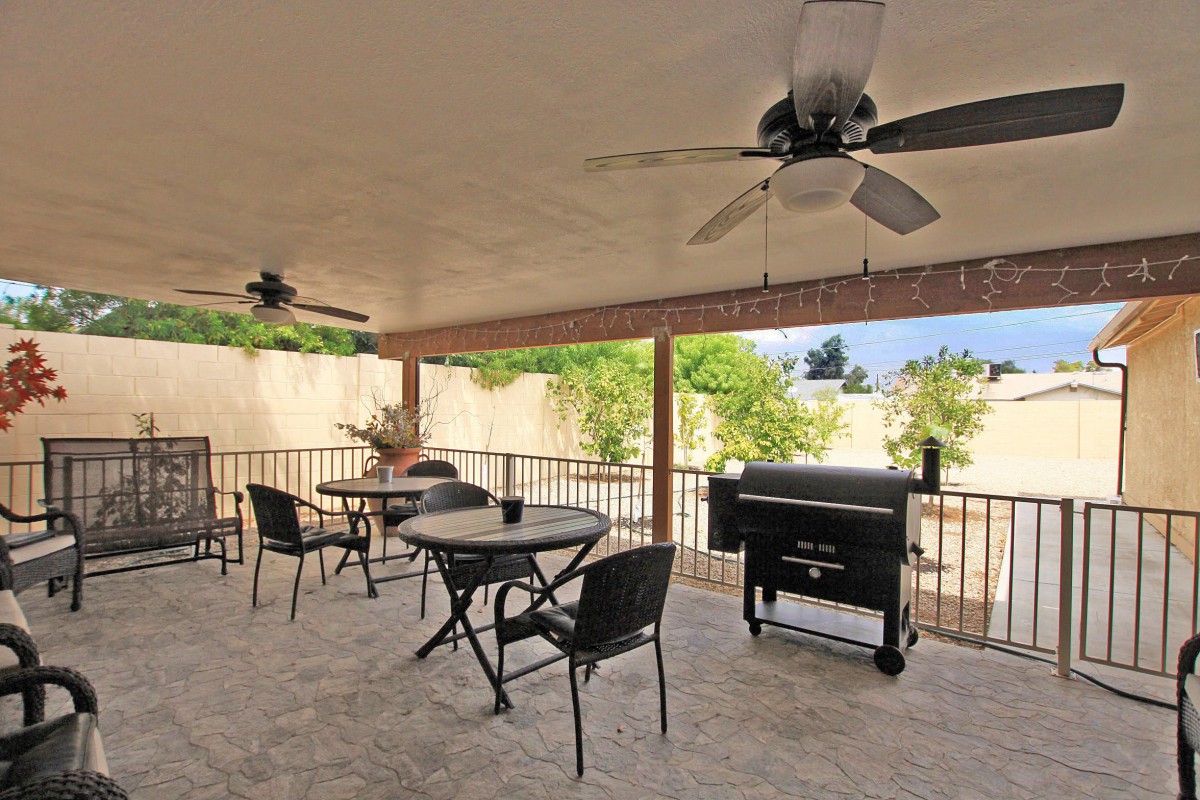
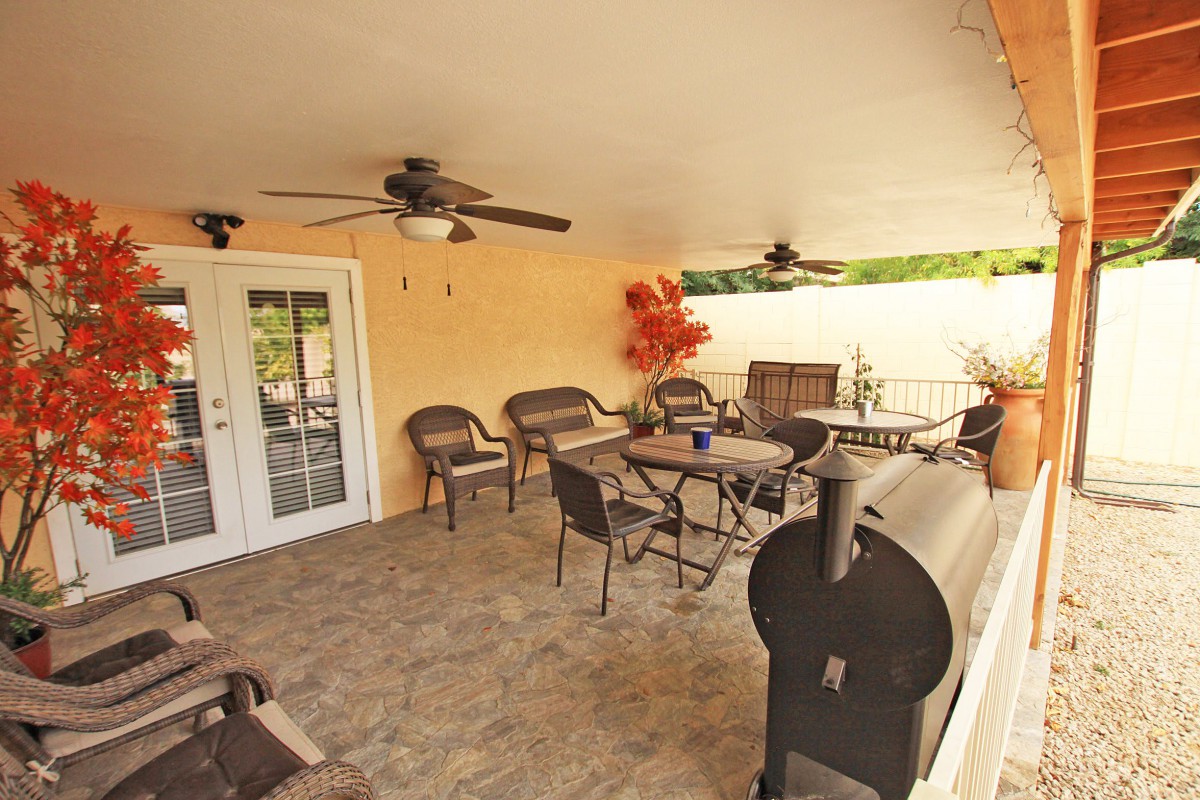
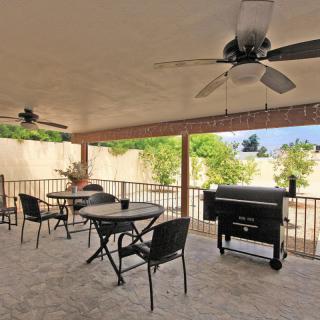
Safety and independence are well balanced at Lovin Touch. The home is fully walled, a practical feature for residents who wander, while the big property supports private spaces and outdoor time without sacrificing supervision. The blend of a secure, contained environment with opportunities for social interaction is particularly appealing to seniors who want meaningful engagement without feeling overwhelmed by a larger, noisier setting. In practice, this means a lifestyle that supports daily living with dignity, regular meals, routine activities, and a caregiving team that remains present and responsive. For families weighing options, the combination of home-like comfort and dependable supervision is a compelling counterweight to the lack of on-site hospital-grade resources.
In sum, Lovin Touch Assisted Living is a practical fit for seniors who value intimate, attentive care delivered in a private, quietly sophisticated setting, with a strong emphasis on family-style meals and a robust activity lineup. It’s especially well-suited for those who favor hands-on ownership and a caregiver’s philosophy applied day-to-day, and who can operate comfortably within a smaller community footprint. For families prioritizing expansive medical services, corporate governance, or highly structured clinical programming, alternatives may offer a more fitting match. Tours should probe staffing patterns, care-plans customization, wandering policies, meal variety, and the owner’s continuity plans to ensure alignment with the resident’s specific needs and the family’s expectations.
 9 resident community capacity
 Assisted Living
 Board and Care Home
 Memory Care
 Activities on-site
 Air-conditioning
 Beautician on-site
 Cable or satellite TV
 Devotional services off-site
 Dining room
 Fully furnished
 Garden
 Ground floor units
 Housekeeping services
 Indoor common areas
 Move-in coordination
 Outdoor common areas
 Private
 Respite or short term stays offered
 Telephone
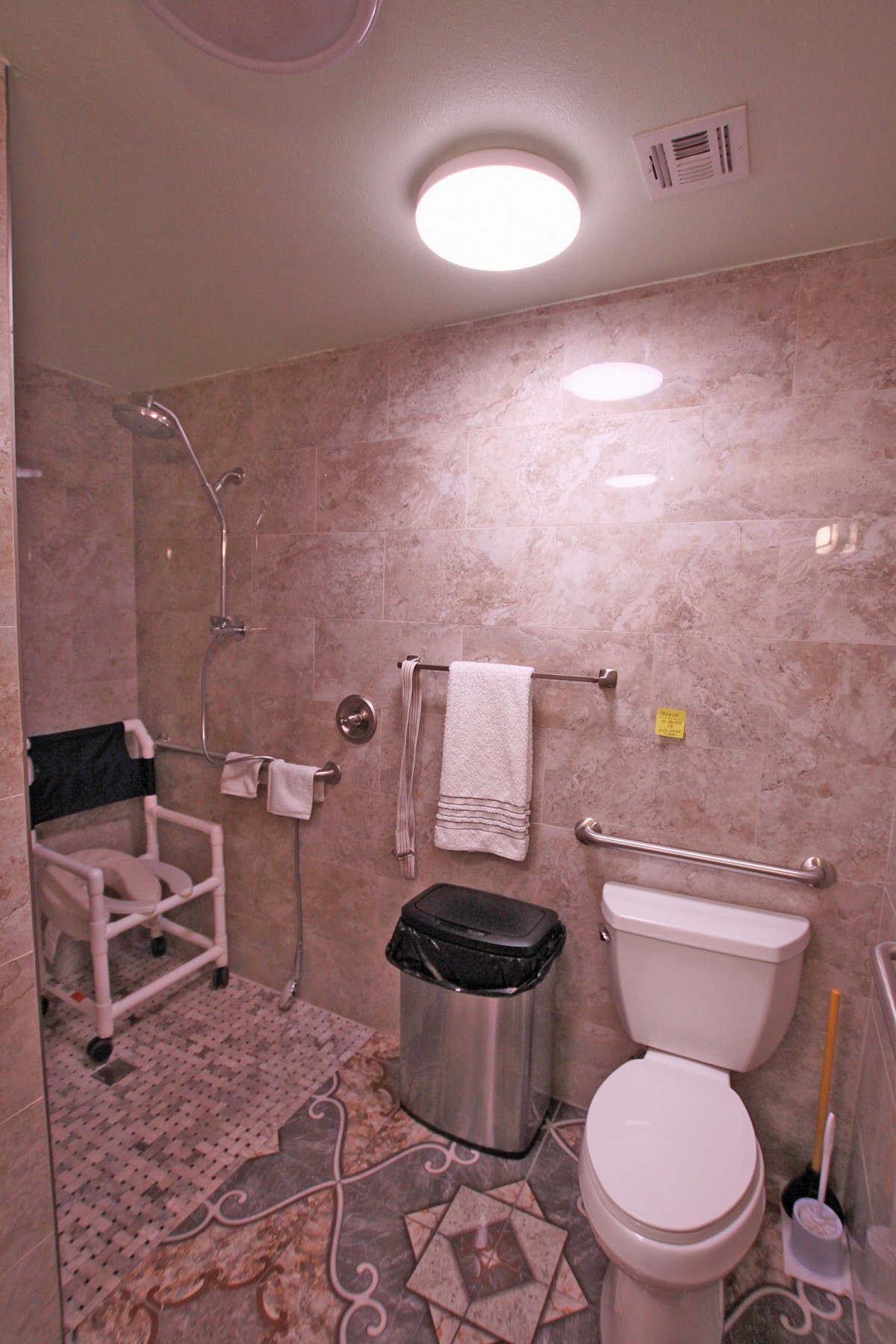
 Wheelchair accessible showers
 Wi-Fi/high-speed internet available
 Phoenix Sky Harbor International (12 miles away)
 24-hour supervision
 Ambulatory care
 Assistance with bathing
 Assistance with dressing
 Assistance with transfers
 Diabetes diet
 Diabetic care
 High acuity care
 Incontinence care
 Meal preparation and service
 Medication management
 Special dietary restrictions
 Transportation arrangement (medical)
 Transportation to doctors appointments
 Art classes
 Catholic services
 Cooking classes
 Jewish services
 Karaoke
 Live musical performances

 Illuminating Insights About Alzheimer's Disease: Ten Crucial Realities
 A Thorough Discussion of Medications Potentially Linked to Dementia Risk
 Why Do Dementia Patients Sleep So Much? Understanding Oversleeping, Stages, and Care Approaches