
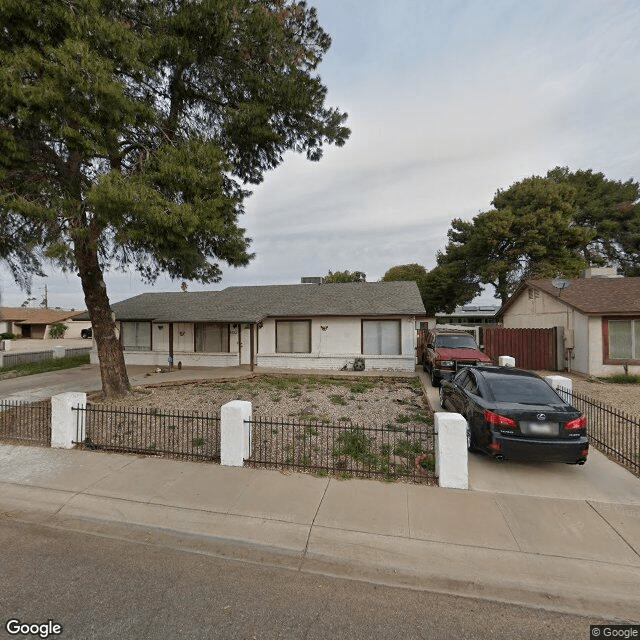
4232 W Royal Palm Road, Phoenix, AZ 85051
To contact a resident: (623) 435-9686
For more information about senior living options: (866) 208-4318
Royal Palm ALH #2 Costs & Pricing
Royal Palm ALH #2 offers competitive pricing for its room types, significantly lower than the average costs in Maricopa County and the broader Arizona state context. The semi-private room at Royal Palm is priced at $2,000 per month, which stands in stark contrast to the county's average of $2,801 and the state's average of $2,820. Similarly, the private room rate of $2,300 at Royal Palm ALH #2 is attractive compared to Maricopa County's average of $3,318 and Arizona's state average of $3,345. These cost advantages position Royal Palm ALH #2 as a more affordable option for individuals seeking quality assisted living care without compromising on comfort or service.
| Floor plans | Royal Palm ALH #2 | Maricopa County | Arizona |
|---|---|---|---|
| Semi-Private | $2,000 | $2,801 | $2,820 |
| Private | $2,300 | $3,318 | $3,345 |
Senior living communities with a similar price nearby
-
About the same

Home Instead - Fountain Hills, AZ
$1,945 to $3,525 / month24.5 miles away -
from -$139 / mo

Endeavor Senior In-Home - Mesa
$1,861 / month23.5 miles away -
About the same
Garcia's Assisted Living Home LLC
$2,000 / month12.6 miles away -
About the same
Martha Bonilla Care Loving Home
$2,000 to $2,200 / month21.6 miles away -
About the same
All Stars Assisted Living
$2,000 to $2,500 / month15.3 miles away
Overall Review of Royal Palm ALH #2
Pros
 The neighbors are nice, respectful, and quiet.
Cons
 There are homeless people who steal and the security is terrible, and living costs are high due to the lack of a secure entry.
- The place needs renovation.
- The residence is very costly to live in, with poor maintenance and poor management; most residents are rude, loud, and slobs.
- The area could be cleaner.
- There is nothing fun for children to do.
- The pool is closed.
- The place is old.
- There are not enough parking spaces for residents and guests.
- The reviewer does not recommend it.
- The living environment is inconvenient.
- The home failed to provide adequate personal care for a loved one, and meals were not served as promised; staff are overworked.
Review
Royal Palm ALH #2 in Phoenix is best suited for seniors who prize a quiet, older-campus atmosphere and can absorb limited amenities and variable care. The community presents as a low-stress option for residents who can live with an aging building, modest common areas, and a schedule that does not promise cutting-edge facilities. It is not the right choice for those who depend on reliable, high-touch caregiving, strong on-site security, or a modern, well-maintained environment.
Those who should consider alternatives include families seeking transparent, verifiable care guarantees and robust safety measures. Individuals with a loved one requiring consistent personal care, medication management, or round-the-clock supervision will likely encounter unfulfilled expectations here. The inconsistent staffing and ownership of care capabilities raise red flags for anyone prioritizing predictable service delivery and clear accountability.
On the upside, there are glimpses of a workable social environment. Several residents come across as nice, respectful, and quiet, which can contribute to a calm daily rhythm. The location and surrounding neighborhood may offer a sense of familiarity and community for some residents, and the property’s exterior keeps a neat appearance when viewed from the street. Yet these perceived positives are routinely undercut by more pressing drawbacks: the pool is routinely closed, parking is insufficient, and the overall infrastructure signals a facility that has not kept pace with modern expectations.
The core concerns are substantial and recurring. Security is a frequent alarm, with reports of unauthorized entry and theft, and a lack of a controlled entry system compounds these risks. The building is aging, and maintenance and management often feel reactive rather than proactive, leaving residents and families questioning what is truly being cared for. Reports indicate staff are overworked, and personal-care needs or menu commitments are not always met, which erodes trust in the ability to support residents with meaningful daily routines. The discrepancy between what is promised and what is delivered in terms of care capabilities further diminishes confidence for families weighing long-term residence.
Ultimately, the positives fail to offset the main drawbacks. A calm, neighborly vibe and the absence of flashy amenities do not compensate for safety gaps, inconsistent care, and an environment that appears to need major renovations. The price point, described as costly for what is offered, compounds the mismatch between expectations and experienced service. For families prioritizing dependable care, secure access, and a refreshed, well-maintained setting, this community’s liabilities outweigh the potential benefits.
Prospective movers should approach with sharp, action-oriented diligence. Visit at different times to gauge consistency, ask for current care plans and staffing ratios, and probe the extent of ongoing or planned renovations. Verify security arrangements, who controls entry, how breaches are handled, and what measures exist to deter theft. Scrutinize parking availability, meal service reliability, and the clarity of the contract regarding what level of care is guaranteed. Speak with current residents and families about response times, cleanliness, and how complaints are resolved. If these due-diligence steps reveal gaps or a lack of alignment with care expectations and safety standards, alternatives should be pursued without hesitation.
 Board and Care Home
 Cats allowed
 Dogs allowed
 Activities off-site
 Beautician on-site
 Devotional services off-site
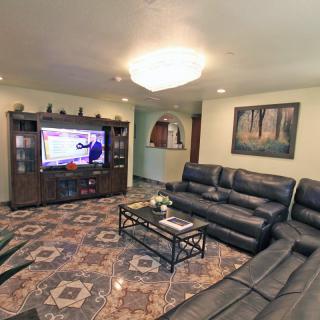
 Indoor common areas
 Outdoor common areas
 Private
 Respite or short term stays offered
 Wheelchair accessible showers
 Phoenix Sky Harbor International (12 miles away)
 Diabetic care
 High acuity care
 Incontinence care
 Meals provided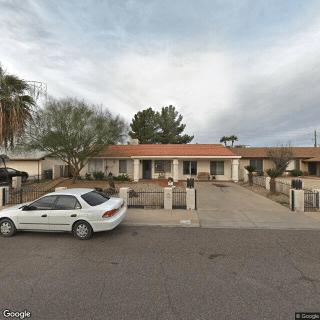
 Exploring Palliative Care in the Home: A Comprehensive Overview
 Comprehensive Insights into Palliative Home Care: What It Is and What to Expect
 Skilled Nursing Facilities vs. Nursing Homes: Making Sense of the Differences