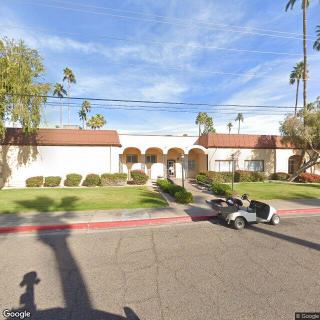
Spring Valley Assisted Living in Phoenix, AZ

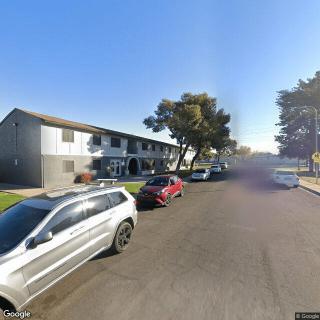
6313 North 40Th Drive, Phoenix, AZ 85019

For more information about senior living options: (844) 490-3973

5 from 3 reviews
5 stars
3
4 stars
0
3 stars
0
2 stars
0
1 stars
0

Assisted Living Board and Care Home Respite Care

Spring Valley Assisted Living Costs & Pricing

Spring Valley Assisted Living offers a range of pricing options that reflect the quality of care and services provided, which are notably higher than both Maricopa County and the broader state of Arizona. For a semi-private room, residents can expect to pay $6,000 per month, significantly above the county's average of $2,801 and the state's average of $2,820. Similarly, a private room at Spring Valley is priced at $6,500, compared to Maricopa County's average of $3,318 and Arizona's statewide average of $3,345. These costs suggest that Spring Valley provides specialized features or enhanced amenities that cater to those seeking a premium assisted living experience in a supportive environment.

Floor plansSpring Valley Assisted LivingMaricopa CountyArizona
Semi-Private$6,000$2,801$2,820
Private$6,500$3,318$3,345

Overall Review of Spring Valley Assisted Living

Pros

  • pro The care is phenomenal and the staff treat residents like family.
  • pro The staff-to-resident ratio is excellent.
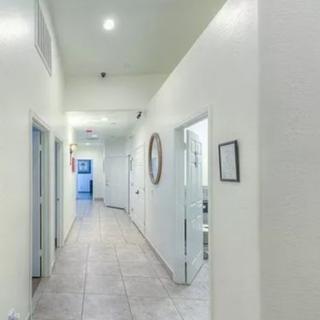
  • pro The environment feels like a family home, not a facility.
  • pro The meals are homemade and cooked fresh for residents on their schedule.
  • pro The facility is clean, well-organized, and residents are well cared-for.
  • pro A therapy dog provides joy and comfort to residents.
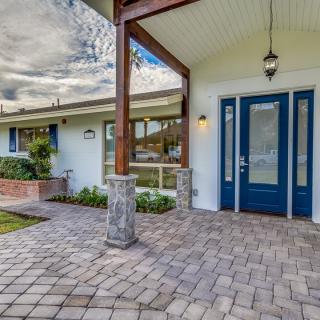
  • pro Private bedrooms are cozy and charming, with outdoor spaces for sunshine and fresh air.
  • pro Regular beauty services are included as part of the care.

Cons

  • pro The previous care facilities were always losing her clothes and putting other people's clothes on her, which was extremely frustrating.

Review

Spring Valley Assisted Living is best suited for seniors who need steady memory-care support and thrive within a warm, family-like setting where staff are consistently present and engaged. The strongest signals from the available feedback point to residents with dementia or neurodegenerative needs who benefit from high staff-to-resident contact, predictable routines, and daily engagements that feel personalized rather than perfunctory. Families seeking a home-like atmosphere where care feels collaborative and where residents are spoken to with respect - and where meals, clothing, and daily activities are managed with attention to dignity - will find this environment especially compatible. In short, this community serves as a practical, reassuring option for memory-care that prioritizes belonging, routine, and compassionate presence.

Alternatives become appealing when medical acuity or clinical oversight exceed what a smaller, family-style setting typically delivers. If a resident requires 24/7 skilled nursing, intensive wound care, complex medication management, or access to a broader range of therapeutic modalities, other facilities with larger medical staffs or more formal clinical programs may be better suited. Location and transportation logistics also matter; if visiting flexibility or a wider social calendar are non-negotiable, families should compare Spring Valley's offerings against larger campuses that might deliver more diversified services. In any case, the choice hinges on aligning the care environment with the resident's current medical needs and the family's capacity to participate in ongoing planning.

From the most emphatic reviews, the core advantages center on relationship, reliability, and daily quality of life. A consistent, attentive staff presence translates into more individualized attention and a sense that the resident is known and valued. Clean, orderly spaces set the tone for safety and trust, while meals described as homemade and nutritionally considerate underscore a commitment to dignity and appetite. The inclusion of private bedrooms, workable outdoor spaces, and routine grooming services further reinforces a life that preserves personal identity. An appealing culture of engagement - through activities and social interaction - helps maintain orientation and mood, which matters deeply in memory-care settings.

Despite the overwhelmingly positive tone, prudent families will probe for practical gaps that could influence day-to-day satisfaction. The reviews do not foreground high medical complexity, so it's wise to confirm on-site nursing availability, medication management protocols, and coordination with external medical providers. Specifics about memory-care programming - such as safety features, cognitive-stimulating activities, and crisis response - should be clarified. While the homey vibe is a strength, it may also mean a smaller scale than some families expect; ensure the community can scale its medical oversight and therapeutic offerings to evolving needs if the resident's condition changes.

Those dynamics still favorably offset potential gaps. A generous staff presence lowers the risk of delayed response and supports safer daily living, while a genuinely homelike atmosphere can reduce anxiety, confusion, and feelings of isolation common in memory-care journeys. Nutritious, fresh meals, regular access to grooming, and the luxury of outdoor time contribute to physical and emotional well-being, while in-house social and recreational options help sustain familiar routines. Taken together, these elements often translate into steadier mood, fewer disruptive incidents, and fewer transfers to higher levels of care - benefits that many families weigh heavily when evaluating options.

For families assessing Spring Valley Assisted Living, the practical course is clear: confirm the exact staffing ratios and how they fluctuate across shifts; drill into dementia-specific programming, behavior management strategies, and safety designs; and verify the extent of on-site medical support and care coordination. Seek precise details on meal customization, scheduling flexibility, and the availability of grooming and beauty services, as well as how outdoor time and transportation are handled. If memory care with a comforting, family-like atmosphere and reliable daily routines is the top criterion, this option warrants serious consideration and active engagement. If higher medical acuity, broader clinical resources, or different cost dynamics drive the decision, pursue alternatives with those priorities front and center, rather than assuming a good-feeling fit will automatically meet evolving needs.

Features

Housing

  • 8 resident community capacity 8 resident community capacity

Types of Care

  • Assisted Living Assisted LivingAssisted living facilities provide crucial support and care for seniors who may need help with daily tasks such as medication management, bathing, and meal preparation. These communities offer a safe and comfortable environment where seniors can maintain their independence while receiving the assistance they need to thrive in their golden years.
  • Board and Care Home Board and Care HomeBoard and care homes provide a smaller, more intimate setting for seniors who require assistance with daily tasks but do not need the level of care offered by a nursing home. They offer personalized care, meals, and social activities in a homelike environment, ensuring that seniors receive individualized attention and support in their golden years.
  • Respite Care Respite CareRespite care provides temporary relief for caregivers, allowing them to recharge and attend to their own needs. It also gives seniors the opportunity to socialize, receive professional care, and experience a change of scenery, promoting overall well-being and reducing feelings of isolation.

Amenities

  • Cable or satellite TV Cable or satellite TVCable or satellite TV is important for seniors because it provides entertainment, news, and companionship, helping to combat loneliness and boredom. It also offers a wide range of programming options tailored to different interests and preferences.
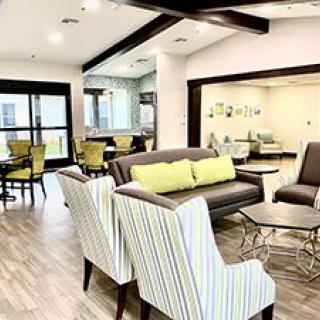
  • Dining room Dining roomDining rooms are important for seniors as they provide a space for socialization, connection, and nutritious meals. They offer opportunities for residents to bond over shared meals, foster a sense of community, and promote healthy eating habits. Dining rooms also ensure that seniors have access to well-balanced meals tailored to their dietary needs and preferences.
  • Fully furnished Fully furnishedFully furnished senior living communities are important for seniors because they provide convenience, comfort, and a hassle-free moving experience. Seniors can easily settle into their new living space without the stress of having to buy and move furniture. This allows them to focus on enjoying their new home and community.
  • Garden GardenGardens are important for seniors as they provide a peaceful and therapeutic environment for relaxation, physical activity, and socialization. Being in nature has been shown to reduce stress, improve mood, and promote overall well-being. Gardens also offer opportunities for seniors to engage in gardening activities, which can improve mobility, flexibility, and cognitive function. Additionally, gardens create a sense of community and connection with others who share a passion for plants and outdoor spaces.
  • Housekeeping services Housekeeping servicesHousekeeping services are important for seniors because they help maintain a clean and safe living environment, promote independence, and reduce the risk of accidents or illnesses. Additionally, having assistance with household chores can alleviate physical strain and allow seniors to focus on other aspects of their well-being.
  • Move-in coordination Move-in coordinationMove-in coordination is important for seniors because it helps ease the transition into their new living environment. It ensures that all logistics, such as packing, organizing movers, and setting up utilities are taken care of, allowing seniors to focus on settling in and adjusting to their new home. Having a smooth move-in process can alleviate stress and anxiety, making the transition smoother and more enjoyable for seniors.
  • Outdoor space Outdoor spaceOutdoor spaces are important for seniors as they provide opportunities for physical activity, social interaction, exposure to natural light and fresh air, and a sense of connection to nature. Having access to outdoor spaces can improve overall well-being and quality of life for older adults living in senior communities.
  • Telephone TelephoneTelephones are important for seniors as they provide a lifeline for communication with loved ones, emergency services, and healthcare providers. They offer a sense of security and independence, enabling seniors to stay connected and access assistance when needed.
  • Wi-Fi/high-speed internet available Wi-Fi/high-speed internet availableWi-Fi/high-speed internet is important for seniors to stay connected with loved ones, access online resources, and participate in virtual activities to combat feelings of loneliness and isolation. It also allows them to easily manage healthcare needs, access entertainment, and engage in lifelong learning opportunities.

Transportation

  • Phoenix Sky Harbor International (10 miles away) Phoenix Sky Harbor International (10 miles away)

Care Services

  • 24-hour supervision 24-hour supervision24-hour supervision is important for seniors to ensure their safety, well-being, and access to immediate assistance in case of emergencies or health issues. This constant support provides peace of mind for both seniors and their loved ones, allowing them to age in place with dignity and security.
  • Activities of daily living assistance Activities of daily living assistanceActivities of daily living assistance are important for seniors because they provide essential support with tasks such as eating, bathing, dressing, and mobility. This assistance helps seniors maintain their independence, dignity, and overall quality of life as they age.
  • Assistance with bathing Assistance with bathingAssistance with bathing is crucial for seniors as it helps maintain personal hygiene, prevents infections, and ensures their overall well-being and comfort. It also provides a sense of dignity and independence for seniors who may struggle with this task on their own.
  • Assistance with dressing Assistance with dressingAssistance with dressing is important for seniors because it helps maintain their independence, promotes personal hygiene, prevents accidents and injuries, and improves overall quality of life. This service ensures that seniors can continue to dress comfortably and confidently, despite any physical limitations they may have.
  • Assistance with transfers Assistance with transfersAssistance with transfers is crucial for seniors as it helps prevent falls and injuries, maintains their independence, and ensures they can safely navigate their living environment. It also provides peace of mind for both seniors and their loved ones.
  • Coordination with health care providers Coordination with health care providersCoordination with health care providers is crucial for seniors to ensure proper medical care, medication management, and overall well-being. This collaboration helps prevent overlapping treatments, track progress more effectively, and provide comprehensive support tailored to individual needs.
  • Diabetes diet Diabetes dietA diabetes diet is crucial for seniors as it helps manage blood sugar levels, reduce risks of complications, and improve overall health and well-being. By following a balanced and nutritious diet tailored to their specific needs, seniors can better control their diabetes and enhance their quality of life.
  • Meal preparation and service Meal preparation and serviceMeal preparation and service are crucial for seniors as they may have limited mobility or energy to cook nutritious meals. Having access to healthy and convenient food options can ensure they are getting the proper nutrition needed to maintain their overall health and well-being.
  • Medication management Medication managementMedication management is crucial for seniors to ensure they are taking the right medications at the correct dosages and times. This helps prevent adverse drug interactions, reduces the risk of medication errors, and promotes overall health and well-being. Proactive management also allows for adjustments as needed based on changing health conditions or new prescriptions.
  • Special dietary restrictions Special dietary restrictionsSpecial dietary restrictions are important for seniors because age-related changes in metabolism and health conditions can make it difficult for their bodies to process certain foods. By following a diet tailored to their specific needs, seniors can maintain their overall health and well-being, manage chronic conditions, and reduce the risk of complications such as malnutrition or food interactions with medications.
  • Transportation arrangement (medical) Transportation arrangement (medical)Transportation arrangements for medical purposes are essential for seniors as they may have difficulty driving themselves to appointments or accessing public transportation. Having reliable and safe transportation options ensures that seniors can receive timely medical care and maintain their health and well-being.
  • Transportation to doctors appointments Transportation to doctors appointmentsTransportation to doctors' appointments is crucial for seniors as it ensures they have access to necessary medical care and support for their health needs. Without reliable transportation, seniors may struggle to attend important appointments, leading to potential delays in treatment and health complications. Providing transportation services helps seniors maintain their overall well-being and quality of life.

Dining

  • Diabetes diet Diabetes dietA diabetes diet is crucial for seniors as it helps manage blood sugar levels, reduce risks of complications, and improve overall health and well-being. By following a balanced and nutritious diet tailored to their specific needs, seniors can better control their diabetes and enhance their quality of life.
  • Special dietary restrictions Special dietary restrictionsSpecial dietary restrictions are important for seniors because age-related changes in metabolism and health conditions can make it difficult for their bodies to process certain foods. By following a diet tailored to their specific needs, seniors can maintain their overall health and well-being, manage chronic conditions, and reduce the risk of complications such as malnutrition or food interactions with medications.

Activities

  • Community-sponsored activities Community-sponsored activitiesCommunity-sponsored activities are important for seniors as they provide opportunities for social interaction, mental stimulation, and physical activity. These activities can help improve overall well-being, combat loneliness and isolation, and promote a sense of belonging and purpose among older adults.
  • Scheduled daily activities Scheduled daily activitiesScheduled daily activities are important for seniors because they provide structure, socialization, mental stimulation, and physical activity. Engaging in regular activities can improve overall well-being and quality of life for seniors living in a community setting.

Description

Spring Valley Assisted Living in Phoenix, AZ offers a comfortable and welcoming environment for seniors in need of care. Our community provides various types of care such as board and care home services, as well as respite care for short-term stays.

Residents of Spring Valley Assisted Living can enjoy the convenience of our on-site amenities, including a dining room where nutritious meals are served, fully furnished accommodations for a stress-free move-in process, and a peaceful garden to enjoy the outdoors. Our dedicated housekeeping staff ensures that residents have a clean and tidy living space at all times.

We understand that transitioning to assisted living can be overwhelming, which is why we offer move-in coordination services to assist residents in settling into their new home seamlessly. For those who wish to stay connected with their loved ones or indulge in online activities, we provide telephone services and Wi-Fi/ high-speed internet access.

At Spring Valley Assisted Living, our highly trained caregivers provide assistance with Activities of Daily Living (ADLs), including bathing, dressing, and transfers. We also coordinate with health care providers to ensure that residents receive the necessary medical attention they require. Our dedicated staff members are experienced in managing diabetes diets and administering medications according to individual needs.

Dining is an important aspect of daily life at Spring Valley Assisted Living, and we cater to special dietary restrictions to ensure that all residents can enjoy delicious and healthful meals. Additionally, our community offers scheduled daily activities to keep residents engaged and entertained.

Located in Phoenix, AZ, our community benefits from its proximity to various amenities. With six cafes nearby, residents have plenty of options when it comes to enjoying coffee or catching up with friends. Three parks nearby provide opportunities for outdoor recreation and relaxation. Furthermore, 14 pharmacies ensure convenient access to medications while three physicians are located within close proximity for regular check-ups. Residents can also take advantage of the diverse culinary scene with 17 restaurants nearby for dining out. For spiritual nourishment, two places of worship are available in the vicinity. Lastly, three hospitals nearby provide peace of mind knowing that medical care is readily accessible.

At Spring Valley Assisted Living, we strive to provide a comfortable and supportive community where seniors can receive high-quality care while enjoying a fulfilling and engaging lifestyle.

Nearby Places of Interest

Physicians

  • Bethany Women’s Healthcare (0.5 miles)
  • Phoenix Skin Medical Surgical Group (4.3 miles)
  • Dignity Health Peppertree Family Medicine (4.9 miles)
  • Keystone Natural Family Medicine (5.2 miles)
  • Arizona Eye Specialists (5.3 miles)
  • SimonMed Imaging - Phoenix (5.7 miles)
  • Banner Thunderbird Surgery Center (5.8 miles)

Restaurants

  • Great Wall Cuisine (1.5 miles)
  • Lenny's Burger (1.9 miles)
  • McDonald's (2.2 miles)
  • Golden Corral (2.6 miles)
  • Chick-Fil-A (2.7 miles)
  • Filiberto's Mexican Food (2.9 miles)
  • Beatitudes Bistro (3.1 miles)

Pharmacies

  • Arizona Organix (1.7 miles)
  • Walgreens (2.1 miles)
  • Walmart Pharmacy (2.5 miles)
  • Walgreens (2.8 miles)
  • Walgreens (3.1 miles)
  • CVS Pharmacy (3.4 miles)
  • CVS Pharmacy (3.6 miles)

Hospitals

  • Abrazo Central Campus (2.5 miles)
  • Surgical Specialty Hospital Of Arizona (2.7 miles)
  • St Josephs Neurological ICU (5 miles)
  • St Joseph's Hospital & Med Center: Deguzman Brian J MD (5.1 miles)
  • Carl T Hayden VA Medical Center, Recreation Therapy (5.1 miles)

Parks

  • Granada Park (2.6 miles)
  • O'Neal Park (3.1 miles)
  • Royal Palm Park (3.8 miles)
  • Encanto Park (5.1 miles)
  • Pioneer Community Park (5.6 miles)
  • Grand Canal Linear Park (5.6 miles)
  • Pioneer Community Park Off-Leash Dog Park (5.6 miles)

Cafes

  • Starbucks (2.6 miles)
  • Starbucks (3.5 miles)
  • Starbucks (3.8 miles)
  • Starbucks (3.8 miles)
  • Lux Central (4.6 miles)
  • Dark Hall Coffee (4.7 miles)
  • Starbucks (6.1 miles)

Places of Worship

  • Open Door Fellowship Church (3.4 miles)
  • First United Methodist Church of Phoenix (4.2 miles)
  • Church of Jesus Christ of Latter Day Saints (5.8 miles)
  • Pure Heart Christian Fellowship (5.9 miles)
  • Roosevelt Community Church (6.5 miles)

Transportation

  • Thomas/Central Ave METRO (5.4 miles)
  • METRO McDowell/Central Ave (6.1 miles)

Frequently Asked Questions

How much does it cost to live at Spring Valley Assisted Living in Phoenix, AZ?
Where is Spring Valley Assisted Living?

Nearby Communities

  • Gifted Hands Assisted Living,  LLC

    Gifted Hands Assisted Living, LLC

    Phoenix, AZ

    4.3 from 3 reviews
    $1,700 to $2,500 / month

    pro Friendly, attentive staff with engaging activities and a clean, well-maintained environment.

  • Casa De Vida Living

    Casa De Vida Living

    Phoenix, AZ


    pro Fully furnished assisted living with 24-hour supervision, daily living assistance, medication management, and healthcare coordination, plus meals and social activities.

  • Maryland West Apartments

    Maryland West Apartments

    Glendale, AZ


    pro Extensive nearby amenities for seniors (cafes, parks, pharmacies, doctors, restaurants, places of worship, and hospitals).

  • Tanner Terrace For the Elderly

    Tanner Terrace For the Elderly

    Glendale, AZ

    4 from 74 reviews
     

    pro Abundant nearby amenities and healthcare access (cafes, parks, pharmacies, doctors, hospitals).

  • M D Quality Care Home

    M D Quality Care Home

    Phoenix, AZ

    5 from 2 reviews
     

    pro 24-hour supervision with daily living assistance and diabetes-friendly meals.

  • Oasis West Apartments

    Oasis West Apartments

    Phoenix, AZ

    3 from 81 reviews
     

    pro Excellent access to dining, parks, pharmacies, hospitals, and transport with supportive staff.

  • Ridge at The Stratford

    Ridge at The Stratford

    Phoenix, AZ

    4.2 from 122 reviews
    $3,266 to $4,305 / month

    pro Caring, approachable staff in a warm, home-like setting with active resident engagement.

  • Haven Health Phoenix

    Haven Health Phoenix

    Mesa, AZ

    4.5 from 111 reviews
     

    pro Friendly staff, clean environment, and some improvements under new ownership.

  • Park Lee Apartments

    Park Lee Apartments

    Phoenix, AZ

    2.8 from 97 reviews
     

    pro Vibrant, amenity-rich location with easy access to cafes, parks, pharmacies, restaurants, and healthcare.

Related Resources

  • va benefits for assisted livingAssisted Living Support for Veterans: A Complete and Detailed Overview

    The guide highlights the importance of assisted living facilities for aging veterans needing daily support, discusses unique challenges they face, and outlines available financial assistance from the VA, including the Aid and Attendance program. It emphasizes understanding eligibility criteria and navigating the VA system to access necessary benefits effectively.

  • assisted living vs skilled nursingExploring the Contrasts Between Assisted Living and Skilled Nursing

    The article compares assisted living and skilled nursing facilities, detailing their differing levels of assistance, medical support, cost structures, and day-to-day experiences. It emphasizes that assisted living is for those needing help with daily activities while maintaining independence, whereas skilled nursing facilities provide intensive medical care with 24-hour staff supervision.

  • when to move from assisted living to nursing home8 Key Indicators That Suggest It May Be Time to Transition from Assisted Living to Skilled Nursing Care

    The transition from assisted living to skilled nursing care is often prompted by complex medical needs that assisted living cannot meet, with key indicators including frequent health declines, increased falls, severe memory issues, and caregiver burnout. Families should recognize these signs early to discuss options with healthcare providers and prepare for the emotional and logistical aspects of moving to a facility that offers comprehensive medical support.