For more information about senior living options: (866) 208-4318
4.8 from 32 reviews
5 stars
30
4 stars
1
3 stars
0
2 stars
0
1 stars
1
Silver Star Assisted Living Costs & Pricing
Silver Star Assisted Living offers a range of cost options that reflect its commitment to quality care and comfortable living. For residents in semi-private rooms, the monthly fee is set at $3,500, which is notably higher than the average costs in Maricopa County ($2,801) and across Arizona ($2,820). This premium may be indicative of the enhanced services and amenities provided at Silver Star. For those seeking more privacy, private room rates are priced at $4,200 - again surpassing the county's average of $3,318 and the state average of $3,345. While these costs are above local averages, they underscore Silver Star's dedication to delivering superior care and an enriching environment tailored to residents' needs.
Floor plans
Silver Star Assisted Living
Maricopa County
Arizona
Semi-Private
$3,500
$2,801
$2,820
Private
$4,200
$3,318
$3,345
Senior living communities with a similar price nearby
from +$150 / mo
SeniorBridge - Scottsdale, AZ
5 from 57 reviews
$3,650 / month
12.9 miles away
About the same
A Paradise for Parents Campbell Avenue
5 from 44 reviews
$3,500 to $4,500 / month
20.0 miles away
from -$550 / mo
Endeavor AL I
5 from 34 reviews
$2,950 to $4,200 / month
7.2 miles away
from +$200 / mo
Endeavor AL III
5 from 34 reviews
$3,700 to $4,000 / month
8.1 miles away
About the same
Endeavor AL II
5 from 34 reviews
$3,500 to $4,000 / month
7.9 miles away
Overall Review of Silver Star Assisted Living
common30 reviews mention this
Staff care and compassion stand out
Staff members are repeatedly described as caring and attentive.
Many residents and families say the staff is compassionate, organized, and responsive to daily needs. Reviews also emphasize caregivers being patient and understanding during challenging moments, including recovery and ongoing conditions. Several commenters highlight communication and advocacy, describing that families stay informed as needs change.
common10 reviews mention this
Home cleanliness and upkeep get praise
The home’s cleanliness is a consistent point of praise.
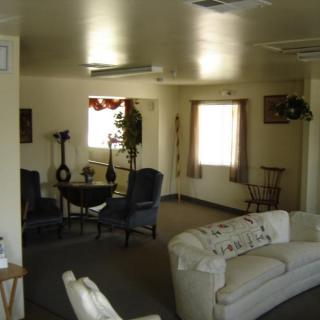
Multiple reviews describe the house as very clean, immaculate, and well kept. A few also note comfort and a fresh, clean indoor environment when visiting. Even the one dissatisfied review says the facility appears clean, while criticizing other aspects of resident life.
differentiator4 reviews mention this
Support through medical needs
Residents and families describe support during complex health situations.
Some reviews describe the community helping residents navigate major health events, including stroke recovery and Parkinson’s support. Others mention help coordinating medical needs, such as ordering supplies and assisting with hospice care. A nurse reviewer also describes high-quality care with individualized attention and families being updated as conditions change.
common2 reviews mention this
Meals and nutrition are mentioned
Meals are a recurring comfort point in reviews.
Two reviews specifically discuss meals, including eating three times a day and meals being nutritious and tasty. This aligns with the community offering meals and vegetarian options as part of dining support.
How we summarize
Counts show how many written reviews mention each theme; a review can touch several themes, and only frequently mentioned themes are displayed.
Features
Types of Care
Board and Care Home
Amenities
Activities off-site
Activities on-site
Bath tubs
Beautician on-site
Devotional services on-site
Indoor common areas
Outdoor common areas
Private
Private bathrooms
Swimming pool / hot tub
Wheelchair accessible showers
Transportation
Phoenix Sky Harbor International (17 miles away)
Care Services
Ambulatory care
Diabetic care
High acuity care
Incontinence care
Dining
Meals provided
Vegetarian
Activities
Activities off-site
Activities on-site
Christian services
Devotional activities on-site
Nearby Places of Interest
This part of Phoenix, Arizona offers a variety of amenities and services that cater to seniors looking for a convenient and comfortable living environment. With several physicians' offices in close proximity, seniors have easy access to medical care when needed. Additionally, there are pharmacies nearby for prescription needs. The area also offers a selection of cafes and restaurants for dining out or grabbing a quick bite to eat. For entertainment, there is a popular theater within a short drive. Parks provide opportunities for outdoor activities and leisurely walks. Several places of worship are also located nearby for those seeking spiritual fulfillment. Overall, this part of Phoenix is well-equipped to meet the needs and preferences of seniors looking for a vibrant community to call home.
Silver Star Assisted Living offers a range of cost options that reflect its commitment to quality care and comfortable living. For residents in semi-private rooms, the monthly fee is set at $3,500, which is notably higher than the average costs in Maricopa County ($2,801) and across Arizona ($2,820). This premium may be indicative of the enhanced services and amenities provided at Silver Star. For those seeking more privacy, private room rates are priced at $4,200 - again surpassing the county's average of $3,318 and the state average of $3,345. While these costs are above local averages, they underscore Silver Star's dedication to delivering superior care and an enriching environment tailored to residents' needs.
Home health care aides provide vital medical and non-medical support to individuals at home, assisting with daily living activities and promoting emotional well-being, while the demand for these services increases due to an aging population. Families benefit from in-home care's flexibility and cost-effectiveness but face challenges like scheduling consistency and caregiver turnover.
Older adults with urinary tract infections (UTIs) often present atypical symptoms, complicating diagnosis due to factors like incomplete bladder emptying and chronic health conditions that increase their susceptibility. Effective management involves prompt treatment with antibiotics, hydration, and preventive strategies while minimizing antibiotic resistance and focusing on holistic care approaches.
California's Form 602A is a vital tool for evaluating the health needs of seniors seeking residential care, detailing their medical conditions and daily living requirements to ensure proper service alignment. This standardized form enhances communication among physicians, families, and facilities, serving as a regulatory measure for admissions and ongoing care while adapting to changing healthcare practices.
Get PricingAsk A QuestionSchedule A TourContact Senior Advisor
By clicking submit, you agree to our Partner's Terms of Use. You
also consent to receive calls and texts, which may be autodialed, from our Partner. Your consent is not a condition to
using our Partner's service. Please visit our Partner's Privacy Policy for information about their privacy practices.

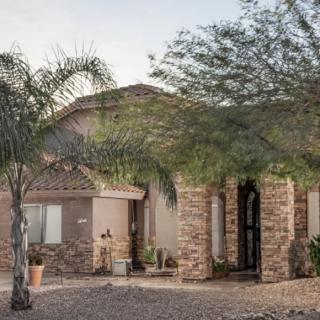
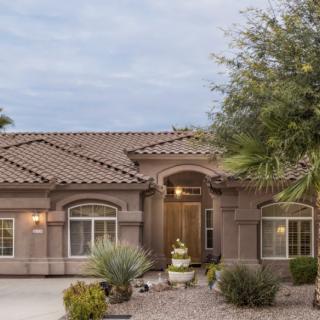
 Board and Care Home
 Activities off-site
 Bath tubs
 Beautician on-site
 Devotional services on-site
 Indoor common areas
 Outdoor common areas
 Private
 Private bathrooms
 Swimming pool / hot tub
 Wheelchair accessible showers
 Phoenix Sky Harbor International (17 miles away)
 Ambulatory care
 Diabetic care
 High acuity care
 Incontinence care
 Meals provided
 Christian services
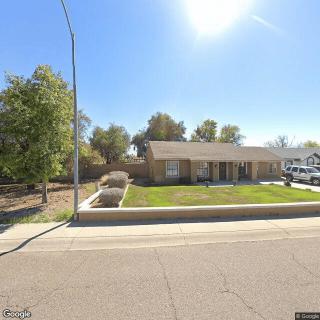
 Small, personalized care with comprehensive services and a home-like environment.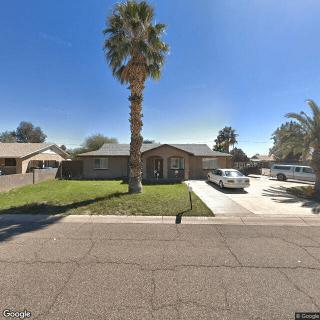


 Home Health Care Aides: Understanding Their Role and Supporting Your Family
 Urinary Tract Infections in Older Adults: Comprehensive Insights on Symptoms, Treatment, and Prevention
 California's Form 602A: An In-Depth Examination of Senior Care Assessment