
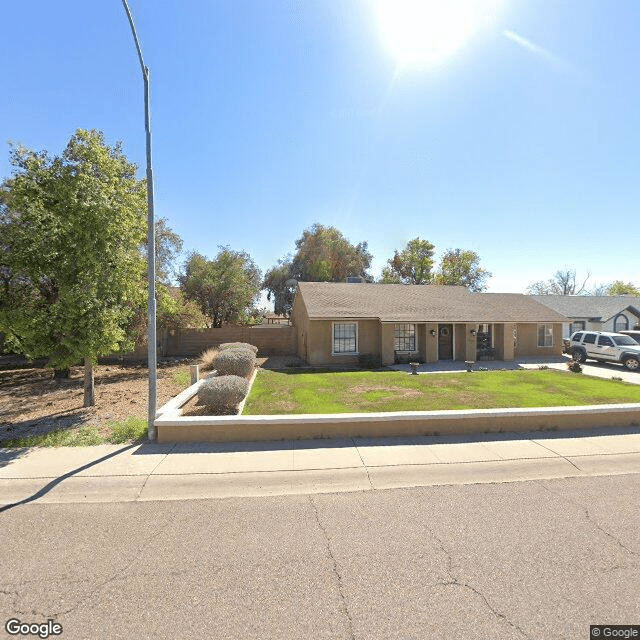
1007 West Mohawk Lane, Phoenix, AZ 85027
For more information about senior living options: (866) 208-4318
Gregoria Manor Costs & Pricing
At Gregoria Manor, the monthly costs for different room types reflect a premium experience compared to both Maricopa County and the broader state of Arizona. For instance, a semi-private room is priced at $4,257, significantly higher than the county average of $2,801 and the state average of $2,820. Similarly, private rooms at Gregoria Manor start at $5,108, in stark contrast to Maricopa County's $3,318 and Arizona's $3,345. The cost for studio accommodations also underscores this trend, with Gregoria Manor charging $5,534 as opposed to local averages of $3,960 and state averages of $3,829. This suggests that while residents may face higher costs at Gregoria Manor compared to surrounding options, they likely benefit from enhanced services and amenities that justify this investment in their care.
| Floor plans | Gregoria Manor | Maricopa County | Arizona |
|---|---|---|---|
| Semi-Private | $4,257 | $2,801 | $2,820 |
| Private | $5,108 | $3,318 | $3,345 |
| Studio | $5,534 | $3,960 | $3,829 |
Assisted Living communities with a similar price nearby
-
from +$743 / mo
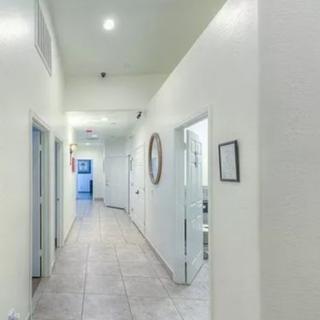
American Dream Home
$5,000 / month8.9 miles away -
from -$417 / mo

Elite Senior Living
$3,840 to $4,992 / month3.9 miles away -
from -$757 / mo
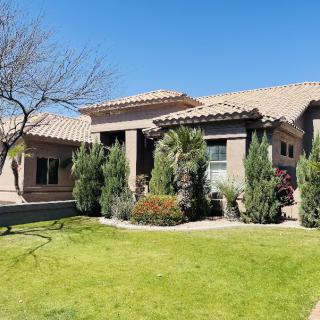
The Greenway Manor II
$3,500 to $4,000 / month8.2 miles away -
from -$757 / mo
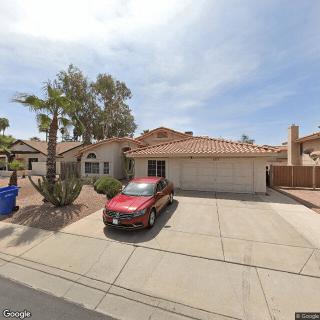
Diamond Quality Assisted Living Care Home
$3,500 to $4,500 / month8.7 miles away -
from -$257 / mo
Sunrise Assisted Living Facility
$4,000 to $5,000 / month21.9 miles away
Overall Review of Gregoria Manor
Pros
 The home stands out as outstanding in caring for individuals with skilled needs or those who can no longer care for themselves and require assistance.
- The staff care about their clients.
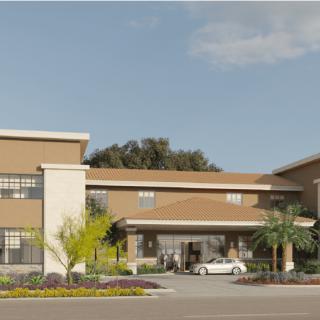
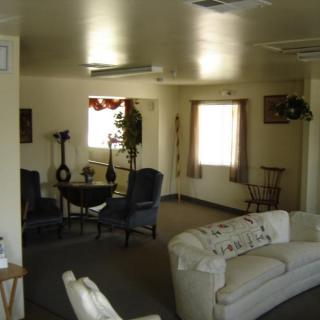
- The home is warm and inviting.
- Clients’ every need is met.
- A Home Health RN cannot say enough good things about this place.
Review
Gregoria Manor in Phoenix is best suited for seniors who need meaningful daily assistance and skilled nursing oversight, delivered in a warm, home-like setting. The facility earns its strongest marks from a professional care ethos that prioritizes the resident as an individual, with staff who appear genuinely invested in meeting each person’s needs. For families facing the question of whether to place a loved one who can no longer manage daily tasks but does not require hospital-level care, this community presents as a compelling option where attentiveness and consistency of care are the defaults, not the exceptions.
Those evaluating alternatives should consider two groups in particular. First, families seeking a more independent, social, or activity-forward environment may find Gregoria Manor’s strengths in skilled care overshadow opportunities for broader lifestyle programming. Second, anyone weighing budget, admission criteria, or the need for very specialized memory care should verify whether the setting aligns with those requirements. The small review base, while overwhelmingly positive, also contains at least one lower rating, signaling that experiences can vary and that prospective residents may want to corroborate consistency across shifts, programs, and timelines.
The principal advantages here revolve around the quality and warmth of care. A home health professional who has seen many assisted living settings describes Gregoria Manor as outstanding for those with skilled needs, noting that the staff truly cares about the client, the environment is inviting, and every need is met. That combination, competent clinical support paired with a nurturing atmosphere, translates into practical benefits: reliable assistance with activities of daily living, careful medication management, attentive supervision, and a sense that safety is a constant priority. For families, these factors reduce the burden of daily oversight and increase confidence that a loved one is being watched over with professionalism.
Where the expressed cons are most relevant, they center on data limitations and the potential for uneven experiences in a small facility. With only a handful of reviews, including a single two-star rating, the picture is not perfectly precise. That reality invites caution: prospective residents should seek firsthand confirmations on staffing levels, night coverage, response times, and how well the team coordinates with outside professionals such as home health agencies, therapists, and primary care physicians. Families may also want clarity on the breadth of services available on-site versus referrals, and how the community handles evolving care needs as health declines or circumstances change.
The strong points mitigate many of the plausible drawbacks. When care quality is consistently high and staff clearly values residents, the risk associated with limited public feedback is tempered. The warmth of the environment further enhances resilience against isolation or disengagement, which can otherwise undermine the well-being of seniors who require daily assistance. In practice, this means families can feel assured that a loved one who benefits from skilled monitoring, timely assistance, and respectful, personalized attention is less likely to experience gaps in care during routine days and during transitions between activities or care plans. The positive professional endorsement also signals alignment with clinical expectations, a factor that can be decisive for those juggling medical and caregiving responsibilities.
For families weighing options, Gregoria Manor offers a practical, decisive posture: it excels where skilled, compassionate care is non-negotiable and where a home-like feel matters as much as the care plan. The potential downsides, limited sample size, a rare lower rating, and questions about range of programming, are not negligible, but they are addressable through targeted due diligence. Prospective buyers should insist on a contemporary tour, request a live demonstration of staff responsiveness, and ask for a written outline of care plans, escalation procedures, and coordination with external health professionals. This approach converts the community’s strengths into tangible confidence about daily life for a loved one.
In the end, Gregoria Manor is a strong recommendation for families prioritizing skilled care delivered with genuine attentiveness within a comforting, domestic setting. It is less about breadth of amenities and more about depth of caregiving, an arrangement that can significantly ease the burden of ongoing support for residents who require reliable supervision and a compassionate, capable team. For those whose priorities include more expansive social programming, broader independence options, or highly specialized memory care, alternatives with a larger footprint or different service mixes should be explored. A careful visit, aligned questions, and a careful read of how care plans are executed will determine if Gregoria Manor becomes the trusted home that stabilizes daily life and sustains quality of life over the months and years ahead.
 5 resident community capacity
 Assisted Living
 Board and Care Home
 Respite Care
 Activities on-site
 Cable or satellite TV
 Devotional services off-site
 Dining room
 Fully furnished
 Garden
 Housekeeping services
 Indoor common areas
 Move-in coordination
 Outdoor space
 Telephone
 Wi-Fi/high-speed internet available
 Phoenix Sky Harbor International (17 miles away)
 24-hour supervision
 Ambulatory care
 Assistance with bathing
 Assistance with dressing
 Assistance with transfers
 Diabetes diet
 Diabetic care
 Meal preparation and service
 Medication management
 Special dietary restrictions
 Transportation arrangement (medical)
 Transportation to doctors appointments


 Choosing the Right Senior Care: A Detailed Exploration of Assisted Living and Nursing Homes
 Understanding the True Cost of Assisted Living in 2025: A Comprehensive Guide
 Understanding Medicaid Coverage for Assisted Living: A Comprehensive Guide