
1216 West Wahalla Lane, Phoenix, AZ 85027
For more information about senior living options: (866) 208-4318
Overall Review of Rachel's Assisted Living Home Care
Pros
 Kuba and Andrea provided individualized 24/7 care for Mom and were gentle and kind.
- They always stocked Mom’s favorite foods in the house.
- Kuba sang to Mom, even at 2 AM when she was restless.
- The house was always kept clean and odorless.
- Kuba’s calm and knowledgeable approach eased the dying process for the family.
- Their home felt like one family unit striving to keep Mom happy during the end-of-life stages.
- Rachel’s Care Home is highly recommended.
- It offers a wonderful alternative for 24/7 care in a home setting rather than a facility.
- The house exemplifies quality-of-life care, with 24/7 on-site staff who are respectful and dignified toward all loved ones’ needs.
Review
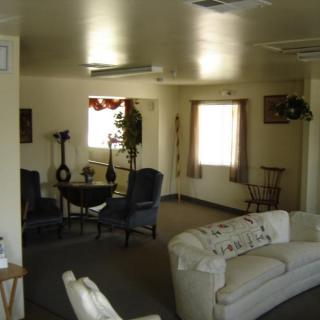
This community is best suited for families seeking a warm, home-like setting where a loved one can receive round-the-clock, individualized care from devoted caregivers in a small-house environment. It excels for seniors who prize consistent, on-site attention, familiar routines, and dignity in daily life. The caregivers clearly become part of the family’s support system, stocking favorite meals, honoring personal rituals, and providing companionship that feels intimate rather than institutional. The model is particularly compelling for those navigating the end-of-life phase, where emotional presence, gentle guidance, and a soothing atmosphere can make a hard journey more bearable for both the resident and their loved ones.
Those who may want to consider alternatives are families needing more formal medical oversight or a broader range of clinical services. If 24/7 nursing supervision, on-site therapy, complex wound care, or highly structured activity programs are essential, a larger assisted living campus or a skilled-nursing environment may be more appropriate. For residents with significant memory-care needs, or for families seeking a highly schedule-driven, academically oriented activity calendar, the intimate home setting can feel limiting. In short, this option shines in comfort and personal connection, while alternatives deliver greater clinical breadth and program breadth when those are top priorities.
The strongest pros center on availability, personalization, and emotional quality of care. Staff are present around the clock, and the continuity of caregivers, evidenced by the same compassionate team over time, means routines, preferences, and dietary quirks are respected without friction. The home atmosphere removes the sterility of larger facilities, reducing agitation and promoting calm, dignified interactions. Cleanliness and odor control reinforce the sense of a safe, cared-for space. The ability to customize daily life, from favorite foods to songs at odd hours, translates into meaningful reductions in anxiety for both resident and family, and this emotional resonance is a powerful offset to any lack of institutional polish.
End-of-life care stands out as a defining strength. The caregivers’ knowledge, gentleness, and willingness to guide families through expectations can transform what is often a stressful transition into a more peaceful process. Family involvement is normalized and welcomed, turning a private family moment into a supported collective experience. In these circumstances, the intimate setting not only supports practical needs but also provides spiritual and emotional sustenance that larger campuses struggle to match. The net effect is a higher quality of life for the resident and clearer, less burdensome communication for relatives.
Decision-making hinges on realistic assessment of needs. If a loved one thrives on predictability, personal touch, and ongoing availability of familiar rituals, plus meals crafted to meet individual tastes, this option delivers exceptional value. Pros offset most likely concerns, particularly around staffing reliability and the emotional climate. However, if medical complexity grows or if the care plan requires advanced therapies, it becomes prudent to compare costs, staffing models, and access to external medical partners at alternative sites. Families should verify emergency protocols, medication management, and the capacity to coordinate outside services as needs evolve.
In sum, this care home offers a compelling, practical solution for families prioritizing intimacy, dignity, and continuous 24/7 attention in a home setting. It is an excellent match for residents who value comforting routines, a nonclinical environment, and profound caregiver-resident relationships, especially during the end-of-life stage. Those seeking a more formalized facility experience with extensive medical programming or a broader social calendar should look toward larger, more medically equipped communities. For the right family, and the right level of medical need, this home stands out as a standout choice.
 5 resident community capacity
 Assisted Living
 Board and Care Home
 Cable or satellite TV
 Dining room
 Fully furnished
 Garden
 Housekeeping services
 Move-in coordination
 Outdoor space
 Telephone
 Wi-Fi/high-speed internet available
 Phoenix Sky Harbor International (17 miles away)
 24-hour supervision
 Activities of daily living assistance
 Assistance with bathing
 Assistance with dressing
 Assistance with transfers
 Diabetes diet
 Meal preparation and service
 Medication management
 Special dietary restrictions
 Transportation arrangement (medical)
 Transportation to doctors appointments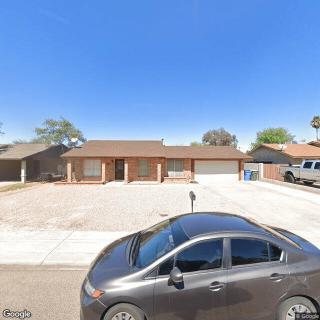




 Funding and Affording Assisted Living: A Thorough Overview
 Assisted Living Expenses and Long-Term Care Insurance: A Comprehensive Exploration
 Securing Financial Support for Assisted Living: A Comprehensive Overview