
5240 West Desert Hollow Drive, Phoenix, AZ 85083
For more information about senior living options: (866) 208-4318

Overall Review of Rose Villa Assisted Living Home II
Pros
 Monica provides exceptional care and is highly knowledgeable about resources.
- Rose Villa is a wonderful place with warm, attentive staff.
- The staff treat residents like family and become part of their lives.
- The caregivers love their patients and persevere through challenges.
- Monica coordinates a full range of services, including visiting doctors, podiatry, and beauty technicians, to maintain residents’ well-being.
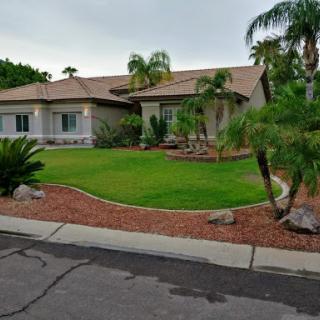
- The home is beautifully remodeled with attention to detail and feels like a supportive home.
- The smell of homemade banana bread greets visitors, signaling a welcoming atmosphere.
- Rose Villa Assisted Living is among the best in Phoenix, offering personalized care and modern amenities.
- The staff are sweet and hardworking, consistently going above and beyond to meet residents’ needs.
- The facility is immaculate, with well-designed spaces and engaging activities for residents.
Cons
 Lily and Adrian are described as cheap and awful.
- Lily cut the caregivers' compensation and threw away their personal belongings.
- The reviewer advises others to steer clear of the place.
Review
Rose Villa Assisted Living Home II in Phoenix is best suited for families seeking an intimate, boutique residential setting where care feels almost familial and every resident is treated with individualized attention. This community excels for seniors who want private rooms within a beautifully remodeled home, a warm dining and activity culture, and a front‑line manager who coordinates medical and supportive services on-site. It suits those who value a hands-on, relationship-based approach, with staff who genuinely treat residents like members of a close-knit family and who rely on a strong local network of mobile doctors, podiatry, labs, and beauty services to keep care seamless.
That said, the model may not be ideal for every situation. Families prioritizing robust, hospital-style medical oversight, specialized memory care programs, or the scale and predictability of larger facilities should consider alternatives. The most serious caveat voiced in recent feedback is a change in ownership that coincides with concerns about compensation and personal belongings for staff. Until stability and and long-term operational clarity are confirmed, it’s prudent to scrutinize current leadership, staff retention, and the consistency of care before placing a loved one here.
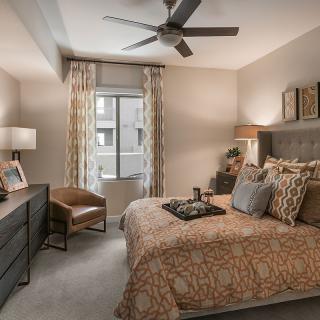
The strongest pros are hard to overlook. Monica’s leadership is repeatedly cited as a defining strength: a knowledgeable, compassionate presence who keeps the home clean, well maintained, and spiritually focused on residents’ comfort. Staff dedication runs through every review, with caregivers who “love their patients” and respond with remarkable effort even amid changes. The environment reinforces this, featuring private rooms, shared but well‑appointed spaces, and a décor that makes the home feel lived-in and welcoming. The residents’ psychosocial needs are deliberately attended to, with activities ranging from bingo and games to music therapy, and with medical coordination that brings a home doctor, podiatry, dentistry, and mobile labs into reach.
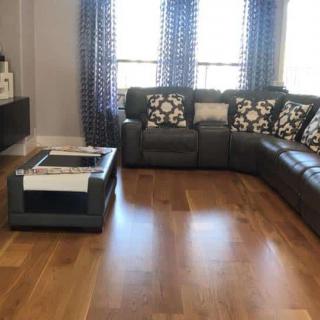
Considerable operational strengths also show up in the practical details. There is strong evidence of thorough, hands-on care management: individualized care plans, continuous attention to nutrition and social engagement, and an emphasis on ongoing coordination with external providers to minimize hospital trips. The facility’s remodeling, light-filled interiors, accessible bathrooms, and comfortable common areas, supports daily living with dignity. The emphasis on a home‑like routine, home baking, friendly interactions, and accessible staff, helps residents stay engaged and connected, which matters deeply for mood, appetite, and overall well‑being.
The concerns tied to ownership shifts cannot be dismissed. The most damaging note from a dissenter centers on a perceived reduction in caregiver compensation and the loss of personal belongings, paired with the assertion that the previous leadership pair (Monica and Rose Villa’s earlier model) delivered exceptional care. These are real risk factors: turnover, morale, and the consistency of daily routines can all shift with ownership changes. The offset here rests on whether current leadership has stabilized operations, retained a core caregiving team, and preserved Monica’s person-centered approach. Prospective families should demand a clear description of current ownership, staff retention rates, and a concrete plan to protect resident belongings and compensation.
In the end, the decision hinges on balancing extraordinary, individualized care against the potential fragility that can accompany ownership transitions. Rose Villa II is the right call for families who prize intimate, consistent, high-touch care delivered in a warm, home-like setting, with readily available on-site coordination and meaningful social programming. Those who require rock‑solid long-term stability, extensive medical infrastructure, or a larger, more programmatic environment may want to explore alternatives and compare how each option handles staff continuity and ownership clarity. A visit with the current administrator, conversations with multiple residents and families on-site, and a direct inquiry about staff turnover will provide the clearest read on whether this community will deliver the dependable, personalized care desired.
 8 resident community capacity
 Assisted Living
 Board and Care Home
 Cable or satellite TV
 Dining room
 Fully furnished
 Garden
 Housekeeping services
 Move-in coordination
 Outdoor space
 Telephone
 Wi-Fi/high-speed internet available
 Phoenix Sky Harbor International (22 miles away)
 24-hour supervision
 Activities of daily living assistance
 Assistance with bathing
 Assistance with dressing
 Assistance with transfers
 Diabetes diet
 Meal preparation and service
 Medication management
 Special dietary restrictions
 Transportation arrangement (medical)
 Transportation to doctors appointments



 Understanding the True Cost of Assisted Living in 2025: A Comprehensive Guide
 Understanding Medicaid Coverage for Assisted Living: A Comprehensive Guide
 How and When Medicaid May Cover Assisted Living Costs