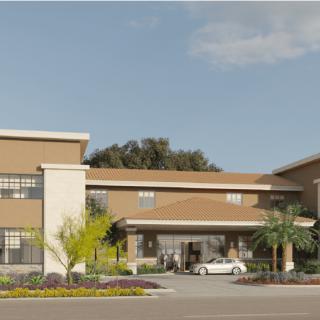
Happy Valley Assisted Living Home

4935 West Buckskin Trail, Phoenix, AZ 85083

For more information about senior living options: (844) 490-3973

5 from 2 reviews
Assisted Living Board and Care Home Respite Care

What level of care are you interested in?

Assisted Living

Memory Care

Independent Living

Skilled Nursing Facility

Continuing Care Retirement Community (CCRC)CCRC

Other


Request a tour at Happy Valley Assisted Living Home

    Overall Review of Happy Valley Assisted Living Home

    Pros

    • pro The staff genuinely cares for patients and treats them like family.
    • pro They meet and beat expectations.
    • pro The reviewer would give them ten stars if possible, highlighting exceptional care.

    Review

    In the world of patient care, there are experiences that stand out because they feel less like a routine interaction and more like a genuine commitment to someone's well-being. The message coming from this practice is one of extraordinary dedication: a feeling that goes beyond ordinary service and into the realm of true care. The sentiment expressed is so strong that it hints at an experience where the patient felt seen, heard, and valued in a way that resonates deeply with what care should feel like at its best.

    One remark captures a striking level of appreciation: if it were possible, the reviewer would award ten stars. That expression isn't just about praise for efficiency or skill; it signals a conviction that the team's approach to care goes beyond the standard standards. It suggests a relationship where the patient's needs and comfort are placed at the forefront, and the care team responds with a warmth and commitment that makes the patient feel like more than just a recipient of services. It's the kind of endorsement that implies trust, consistency, and a palpable sense of being cared for as a person.

    The heart of the praise lies in the belief that the staff genuinely care for the patient and treat them like family. This isn't described as a one-time act or a polite gesture; it's framed as a consistent approach to every encounter - an ethos of empathy, respect, and attentiveness. When patients are treated as part of the family, what often follows is a relationship built on open communication, patience, and the reassurance that someone is looking out for their best interests. It's the kind of care that can ease fear, reduce uncertainty, and make the journey through medical experiences feel collaborative rather than transactional.

    Alongside the warmth of a family-like atmosphere, the review highlights a performance that not only meets but exceeds expectations. To meet expectations is to deliver reliable, competent care; to beat them is to surprise and satisfy in ways that take patients beyond what they anticipated. This duality - consistently meeting the standard while also delivering unexpected excellence - speaks to a level of consistency and initiative. It suggests that the team anticipates needs, communicates clearly, and follows through with thoroughness and care that leave a lasting impression.

    In practice, such experiences often translate into tangible benefits for patients. Clear explanations about procedures, transparent discussion of options, and timely appointments can transform anxiety into confidence. A staff culture that emphasizes listening and empathy tends to foster trust, making it easier for patients to share concerns and participate actively in their own care. When care feels personal and attentive, patients are more likely to feel respected, valued, and hopeful about their health journey. The sentiment that care is like family can also contribute to a sense of loyalty and gratitude that extends beyond a single visit.

    Ultimately, the resonance of these reflections goes beyond individual praise. They underscore a core principle in healthcare: that compassionate, patient-centered care - where people feel seen, heard, and genuinely cared for - creates meaningful, positive experiences. When a clinic earns such strong approval, it invites not just current patients to feel reassured, but potential patients to trust that their needs will be treated with dedication and warmth. It's a reminder of how vital genuine human connection is to healing and to the confidence patients feel as they navigate their health journeys.

    Features

    Housing

    • 10 resident community capacity 10 resident community capacity

    Types of Care

    • Assisted Living Assisted LivingAssisted living facilities provide crucial support and care for seniors who may need help with daily tasks such as medication management, bathing, and meal preparation. These communities offer a safe and comfortable environment where seniors can maintain their independence while receiving the assistance they need to thrive in their golden years.
    • Board and Care Home Board and Care HomeBoard and care homes provide a smaller, more intimate setting for seniors who require assistance with daily tasks but do not need the level of care offered by a nursing home. They offer personalized care, meals, and social activities in a homelike environment, ensuring that seniors receive individualized attention and support in their golden years.
    • Respite Care Respite CareRespite care provides temporary relief for caregivers, allowing them to recharge and attend to their own needs. It also gives seniors the opportunity to socialize, receive professional care, and experience a change of scenery, promoting overall well-being and reducing feelings of isolation.

    Amenities

    • Cable or satellite TV Cable or satellite TVCable or satellite TV is important for seniors because it provides entertainment, news, and companionship, helping to combat loneliness and boredom. It also offers a wide range of programming options tailored to different interests and preferences.
    • Dining room Dining roomDining rooms are important for seniors as they provide a space for socialization, connection, and nutritious meals. They offer opportunities for residents to bond over shared meals, foster a sense of community, and promote healthy eating habits. Dining rooms also ensure that seniors have access to well-balanced meals tailored to their dietary needs and preferences.
    • Fully furnished Fully furnishedFully furnished senior living communities are important for seniors because they provide convenience, comfort, and a hassle-free moving experience. Seniors can easily settle into their new living space without the stress of having to buy and move furniture. This allows them to focus on enjoying their new home and community.
    • Garden GardenGardens are important for seniors as they provide a peaceful and therapeutic environment for relaxation, physical activity, and socialization. Being in nature has been shown to reduce stress, improve mood, and promote overall well-being. Gardens also offer opportunities for seniors to engage in gardening activities, which can improve mobility, flexibility, and cognitive function. Additionally, gardens create a sense of community and connection with others who share a passion for plants and outdoor spaces.
    • Housekeeping services Housekeeping servicesHousekeeping services are important for seniors because they help maintain a clean and safe living environment, promote independence, and reduce the risk of accidents or illnesses. Additionally, having assistance with household chores can alleviate physical strain and allow seniors to focus on other aspects of their well-being.
    • Move-in coordination Move-in coordinationMove-in coordination is important for seniors because it helps ease the transition into their new living environment. It ensures that all logistics, such as packing, organizing movers, and setting up utilities are taken care of, allowing seniors to focus on settling in and adjusting to their new home. Having a smooth move-in process can alleviate stress and anxiety, making the transition smoother and more enjoyable for seniors.
    • Outdoor space Outdoor spaceOutdoor spaces are important for seniors as they provide opportunities for physical activity, social interaction, exposure to natural light and fresh air, and a sense of connection to nature. Having access to outdoor spaces can improve overall well-being and quality of life for older adults living in senior communities.
    • Telephone TelephoneTelephones are important for seniors as they provide a lifeline for communication with loved ones, emergency services, and healthcare providers. They offer a sense of security and independence, enabling seniors to stay connected and access assistance when needed.
    • Wi-Fi/high-speed internet available Wi-Fi/high-speed internet availableWi-Fi/high-speed internet is important for seniors to stay connected with loved ones, access online resources, and participate in virtual activities to combat feelings of loneliness and isolation. It also allows them to easily manage healthcare needs, access entertainment, and engage in lifelong learning opportunities.

    Transportation

    • Phoenix Sky Harbor International (21 miles away) Phoenix Sky Harbor International (21 miles away)

    Care Services

    • 24-hour supervision 24-hour supervision24-hour supervision is important for seniors to ensure their safety, well-being, and access to immediate assistance in case of emergencies or health issues. This constant support provides peace of mind for both seniors and their loved ones, allowing them to age in place with dignity and security.
    • Activities of daily living assistance Activities of daily living assistanceActivities of daily living assistance are important for seniors because they provide essential support with tasks such as eating, bathing, dressing, and mobility. This assistance helps seniors maintain their independence, dignity, and overall quality of life as they age.
    • Assistance with bathing Assistance with bathingAssistance with bathing is crucial for seniors as it helps maintain personal hygiene, prevents infections, and ensures their overall well-being and comfort. It also provides a sense of dignity and independence for seniors who may struggle with this task on their own.
    • Assistance with dressing Assistance with dressingAssistance with dressing is important for seniors because it helps maintain their independence, promotes personal hygiene, prevents accidents and injuries, and improves overall quality of life. This service ensures that seniors can continue to dress comfortably and confidently, despite any physical limitations they may have.
    • Assistance with transfers Assistance with transfersAssistance with transfers is crucial for seniors as it helps prevent falls and injuries, maintains their independence, and ensures they can safely navigate their living environment. It also provides peace of mind for both seniors and their loved ones.
    • Coordination with health care providers Coordination with health care providersCoordination with health care providers is crucial for seniors to ensure proper medical care, medication management, and overall well-being. This collaboration helps prevent overlapping treatments, track progress more effectively, and provide comprehensive support tailored to individual needs.
    • Diabetes diet Diabetes dietA diabetes diet is crucial for seniors as it helps manage blood sugar levels, reduce risks of complications, and improve overall health and well-being. By following a balanced and nutritious diet tailored to their specific needs, seniors can better control their diabetes and enhance their quality of life.
    • Meal preparation and service Meal preparation and serviceMeal preparation and service are crucial for seniors as they may have limited mobility or energy to cook nutritious meals. Having access to healthy and convenient food options can ensure they are getting the proper nutrition needed to maintain their overall health and well-being.
    • Medication management Medication managementMedication management is crucial for seniors to ensure they are taking the right medications at the correct dosages and times. This helps prevent adverse drug interactions, reduces the risk of medication errors, and promotes overall health and well-being. Proactive management also allows for adjustments as needed based on changing health conditions or new prescriptions.
    • Special dietary restrictions Special dietary restrictionsSpecial dietary restrictions are important for seniors because age-related changes in metabolism and health conditions can make it difficult for their bodies to process certain foods. By following a diet tailored to their specific needs, seniors can maintain their overall health and well-being, manage chronic conditions, and reduce the risk of complications such as malnutrition or food interactions with medications.
    • Transportation arrangement (medical) Transportation arrangement (medical)Transportation arrangements for medical purposes are essential for seniors as they may have difficulty driving themselves to appointments or accessing public transportation. Having reliable and safe transportation options ensures that seniors can receive timely medical care and maintain their health and well-being.
    • Transportation to doctors appointments Transportation to doctors appointmentsTransportation to doctors' appointments is crucial for seniors as it ensures they have access to necessary medical care and support for their health needs. Without reliable transportation, seniors may struggle to attend important appointments, leading to potential delays in treatment and health complications. Providing transportation services helps seniors maintain their overall well-being and quality of life.

    Dining

    • Diabetes diet Diabetes dietA diabetes diet is crucial for seniors as it helps manage blood sugar levels, reduce risks of complications, and improve overall health and well-being. By following a balanced and nutritious diet tailored to their specific needs, seniors can better control their diabetes and enhance their quality of life.
    • Special dietary restrictions Special dietary restrictionsSpecial dietary restrictions are important for seniors because age-related changes in metabolism and health conditions can make it difficult for their bodies to process certain foods. By following a diet tailored to their specific needs, seniors can maintain their overall health and well-being, manage chronic conditions, and reduce the risk of complications such as malnutrition or food interactions with medications.

    Activities

    • Community-sponsored activities Community-sponsored activitiesCommunity-sponsored activities are important for seniors as they provide opportunities for social interaction, mental stimulation, and physical activity. These activities can help improve overall well-being, combat loneliness and isolation, and promote a sense of belonging and purpose among older adults.
    • Scheduled daily activities Scheduled daily activitiesScheduled daily activities are important for seniors because they provide structure, socialization, mental stimulation, and physical activity. Engaging in regular activities can improve overall well-being and quality of life for seniors living in a community setting.

    Description

    Happy Valley Assisted Living Home in Phoenix, AZ is a premier senior living community offering exceptional care and support for individuals seeking a comfortable and enriching retirement experience. Our dedicated staff provides personalized assistance with daily living activities, including bathing, dressing, and transfers, ensuring the highest level of comfort and well-being for our residents.

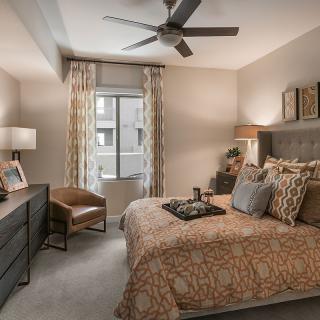
    Our fully furnished accommodations are designed to create a warm and inviting atmosphere where residents can feel at home. The dining room offers delicious meals prepared with special consideration for dietary restrictions, catering to individual needs and preferences. Additionally, our team manages medication schedules and coordinates with healthcare providers to ensure optimal health management.

    At Happy Valley Assisted Living Home, we believe in promoting an active lifestyle for our residents. We offer a variety of engaging activities tailored to individual interests, providing opportunities for socialization and personal growth. Whether it's participating in scheduled daily activities or exploring the outdoor spaces and gardens on-site, there are plenty of options to keep residents entertained.

    Convenience is another priority at Happy Valley Assisted Living Home. With transportation arrangements available for medical appointments and doctors' visits, residents can easily access necessary healthcare services. Additionally, our community is conveniently located near numerous cafes, parks, pharmacies, restaurants, places of worship, and theaters – offering ample opportunities for entertainment and leisure nearby.

    Join us at Happy Valley Assisted Living Home in Phoenix, AZ to experience exceptional care in a warm and welcoming environment. We prioritize the well-being of our residents through personalized care services and a range of amenities that enhance their quality of life.

    Nearby Places of Interest

    Parks

    • Green Belt (0.5 miles)
    • Mountain Ridge Park (0.6 miles)
    • Thunderbird Park (1.8 miles)
    • Paseo Highlands Park (2.3 miles)
    • Foothills Park (4.2 miles)
    • Fletcher Heights Park (4.5 miles)
    • Conocido Park (6 miles)

    Pharmacies

    • CVS Pharmacy (0.6 miles)
    • Fry's Pharmacy (2 miles)
    • Walgreens (2.1 miles)
    • Walgreens (2.7 miles)
    • CVS Pharmacy (4 miles)
    • Walgreens (4.1 miles)
    • CVS Pharmacy (4.2 miles)

    Restaurants

    • Biscuits Cafe (0.9 miles)
    • McDonald's (1.9 miles)
    • Mochilero Kitchen (2.2 miles)
    • The Cafe (2.4 miles)
    • Carlos O'Brien's Mexican Restaurant & Pub (3 miles)
    • Sauce (3.1 miles)
    • Burger King (3.7 miles)

    Places of Worship

    • Phoenix Arizona Temple (1 miles)
    • CCV Childrens Building (2.4 miles)
    • Christ's Church of the Valley (2.4 miles)
    • St Thomas More Parish (3.8 miles)
    • Copper Hills Church (4.6 miles)
    • The Church At Arrowhead (5.5 miles)

    Physicians

    • Agave Pediatrics (2.7 miles)
    • Phoenix Neurology & Sleep Medicine (3.2 miles)
    • Ewell, Allen B, DDS (3.5 miles)
    • Kevin Turner (3.7 miles)
    • Quail Run (3.9 miles)
    • Arrowhead Dermatology PC (4 miles)
    • Pulmonary Associates P (4.3 miles)

    Cafes

    • Elevate Coffee (3.1 miles)
    • Starbucks (4.1 miles)
    • Starbucks (4.3 miles)
    • The Human Bean (4.9 miles)
    • The Well Coffee Company (5.1 miles)
    • Dutch Bros Coffee (5.2 miles)
    • Starbucks (5.4 miles)

    Theaters

    • AMC Deer Valley 30 (4 miles)
    • AMC Arrowhead 14 (5.9 miles)

    Hospitals

    • HonorHealth Health Center (6.5 miles)

    Frequently Asked Questions

    Where is Happy Valley Assisted Living Home?

    Nearby Communities

    Related Resources

    • when to move from assisted living to nursing home8 Key Indicators That Suggest It May Be Time to Transition from Assisted Living to Skilled Nursing Care

      The transition from assisted living to skilled nursing care is often prompted by complex medical needs that assisted living cannot meet, with key indicators including frequent health declines, increased falls, severe memory issues, and caregiver burnout. Families should recognize these signs early to discuss options with healthcare providers and prepare for the emotional and logistical aspects of moving to a facility that offers comprehensive medical support.

    • active senior livingVibrant Senior Living: A Comprehensive Guide for Active Older Adults

      Vibrant Senior Living emphasizes active senior living communities that promote independence and engagement through diverse amenities and activities, fostering wellness and social interaction among older adults. These communities range from independent to assisted living, with a focus on personal growth, family involvement, financial planning, and leveraging technology to enhance residents' experiences.

    • when to move from assisted living to memory careWhen to Transition from Assisted Living to Memory Care: Key Indicators, Steps, and Finding the Right Community

      Transitioning from assisted living to memory care is driven by an individual's cognitive decline and specific needs, requiring careful evaluation of indicators like increased confusion and wandering. The process involves consulting medical professionals, researching suitable communities, considering financial and legal aspects, and ensuring effective communication for personalized care plans.


    Get Pricing Ask A Question Schedule A Tour Contact Senior Advisor