
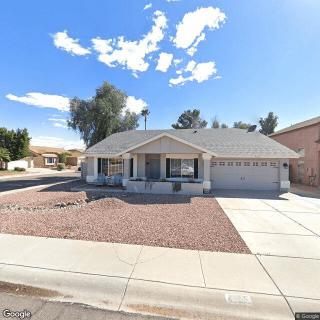
4618 West Villa Linda Drive, Glendale, AZ 85310
For more information about senior living options: (866) 208-4318
Happy Valley Care Home Costs & Pricing
Happy Valley Care Home offers a competitive pricing structure for its residents, with monthly costs for a private room set at $2,500. This rate is notably lower than the average costs in Maricopa County, which stands at approximately $3,318, and the state average for Arizona at around $3,345. By providing an affordable option without compromising on quality care, Happy Valley Care Home positions itself as a valuable choice for families seeking supportive living environments while being mindful of budget considerations.
| Floor plans | Happy Valley Care Home | Maricopa County | Arizona |
|---|---|---|---|
| Private | $2,500 | $3,318 | $3,345 |
Assisted Living communities with a similar price nearby
-
from +$300 / mo
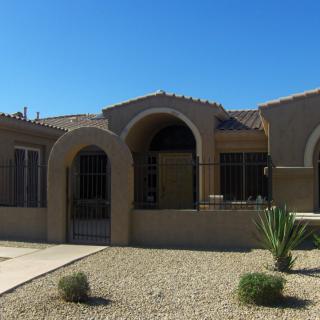
Pinnacle Peak Assisted Living
$2,800 to $3,100 / month14.3 miles away -
from +$400 / mo
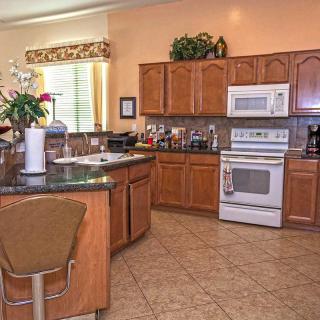
Royal Paradise Care
$2,900 to $3,800 / month12.7 miles away -
from +$350 / mo

Covenant Care Assisted Living Home
$2,850 to $3,705 / month16.6 miles away -
About the same
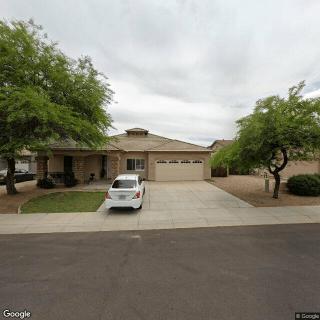
Anc Assisted Living Homes I
$2,500 to $3,500 / month18.2 miles away -
from -$100 / mo
Arabian Views Assisted Living One
$2,400 to $3,200 / month12.3 miles away
Overall Review of Happy Valley Care Home
Pros
 Happy Valley Care Home is a great place.
- The staff are great and always friendly.
- They bend over backwards to help.
- The meals are great and the food smells wonderful.
- The home is very clean.
- It is a wonderful community.
Cons
 The co-owner is described as one of the rudest people the reviewer has ever spoken to.
- He yelled at the reviewer during the discussion, claiming the reviewer had overstepped boundaries.
- The reviewer left the premises in tears after the confrontation.
- The reviewer believed that the workers and the co-owner's family would not provide the necessary care for her husband because of this incident.
- The reviewer feels the man should be fired and should never be allowed to deal with customer service again.
Review
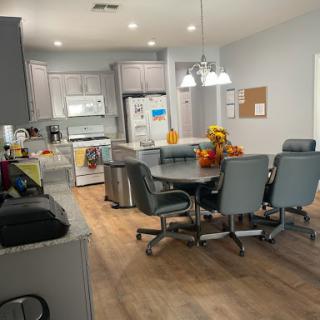
Happy Valley Care Home in Glendale is best suited for families seeking a warm, home-like assisted living experience where daily life centers on strong caregiver engagement, dependable routine, and appetizing, well-prepared meals. This community shines for seniors who respond well to a friendly, personal touch from staff, regular family updates, and a consistently clean, inviting environment. The daily rhythms, meals that smell appealing, a calm, residential atmosphere, and staff who are perceived as genuinely attentive, create a sense of stability that many families value when balancing safety, social connection, and independence. It is a fit for residents who thrive on soft, daily structure and for households that prioritize positive interpersonal interactions with frontline caregivers.
Those considering alternatives should note a clear caveat: a management dynamic that can feel volatile or unwelcoming may overshadow otherwise strong care. Prospective families who require steady, consistently professional administration or who cannot tolerate potential tension in ownership-level interactions should broaden the search. Specific concerns about pricing conversations and perceived dismissiveness from an owner indicate a potential risk point that could complicate ongoing expectations about service, transparency, and conflict resolution. In short, this option warrants careful vetting for those who prize administrative steadiness as much as on-site care.
The most compelling pros, compassionate, accessible staff; a willingness to bend over backward to assist; and regularly delicious meals, tend to counterbalance the drawbacks for many families. Reviews consistently highlight staff responsiveness, ongoing communication with families, and a clean, pleasant dining and living environment. When caregivers are engaged and residents appear well-supported, families experience tangible reassurance: the person they love is treated with warmth, meals feel nourishing, and daily routines offer predictability. Those strengths create a strong foundation that can outweigh concerns about governance, provided the care team remains consistent and attentive.
However, the single negative report about a co-owner’s confrontational interaction introduces a real, non-trivial risk. For families where calm, professional communication with leadership is non-negotiable, this is a red flag that deserves direct probing during tours. It is essential to observe how leadership handles pricing, policy questions, and family feedback firsthand. If encounters with administration feel adversarial or hurried, the long-term trust required to navigate changing care needs can erode quickly. The contrast between warm caregiver interactions and difficult ownership dynamics will shape the overall experience more than any single caregiver shift.
In practical terms, tours should be treated as business card moments plus clinical tests. Meet the direct care team on a typical shift and ask to see the care plans in action: how medications are managed, how daily activity and meals are scheduled, and how night-time routines are handled. Request a sample menu to verify meal variety and nutritional balance, and ask about how family updates are delivered, phone calls, portals, or in-person meetings. Clarify pricing structures up front, including what is included in base fees and what might incur اضافات; insist on a written, transparent policy for rate changes. Observe resident-resident and staff-resident interactions to gauge the everyday tone of the community.
Ultimately, Happy Valley Care Home offers a compelling blend of comfort and care for seniors who prize warmth and continuity in daily life. It stands out for cleanliness, sensory appeal of meals, and front-line staff dedication that families repeatedly praise. Yet the potential friction at the ownership level cannot be dismissed. For families with a low tolerance for any leadership friction, or those needing strict, consistently courteous administrative handling, alternative communities with more uniformly predictable governance will typically be preferable. The right decision hinges on aligning the resident’s care expectations with the administrator’s style and rigor.
 10 resident community capacity
 Assisted Living
 Board and Care Home
 Respite Care
 Cats allowed
 Dogs allowed
 Activities on-site
 Bath tubs
 Beautician on-site
 Cable or satellite TV
 Devotional services on-site
 Dining room
 Fully furnished
 Garden
 Housekeeping services
 Indoor common areas
 Move-in coordination
 Outdoor common areas
 Private
 Private bathrooms
 Telephone
 Wheelchair accessible showers
 Wi-Fi/high-speed internet available
 Phoenix Sky Harbor International (21 miles away)
 24-hour supervision
 Assistance with bathing
 Assistance with dressing
 Assistance with transfers
 Diabetes diet
 Diabetic care
 High acuity care
 Incontinence care
 Meal preparation and service
 Medication management
 Special dietary restrictions
 Transportation arrangement (medical)
 Transportation to doctors appointments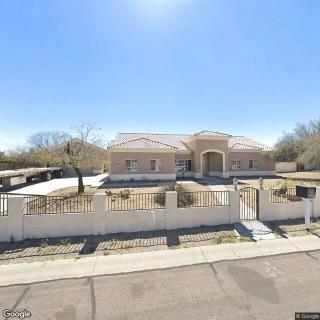
 Comprehensive Insights into Activities of Daily Living (ADLs) and Their Assessment
 Medicare Coverage for Assisted Living: An In-Depth Exploration
 Your Comprehensive Guide to Luxury Assisted Living: Elevated Facilities, Amenities, and Costs