4617 West Moon Blossum Lane, Phoenix, AZ 85083
For more information about senior living options: (866) 208-4318
Overall Review of Herman & Novella Clancy Assisted Living Home
Pros
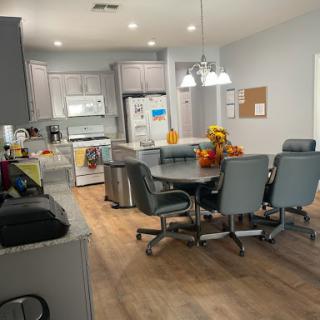
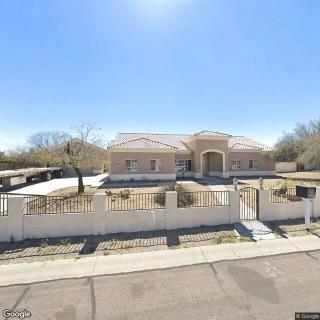
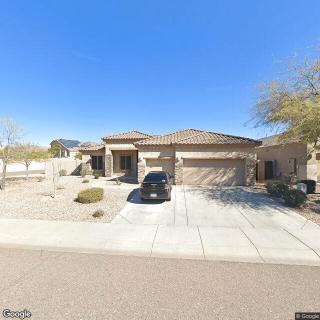
 The facility is well maintained and sits in a pleasant desert landscape with shrubs and greenery.
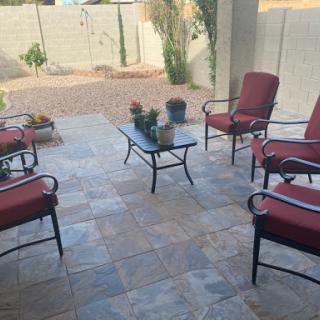
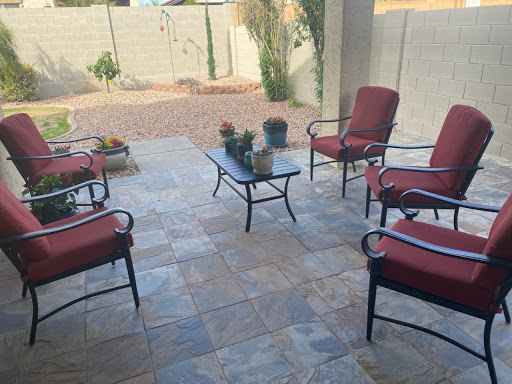
- It offers a secure fenced backyard and a patio for outdoor enjoyment.
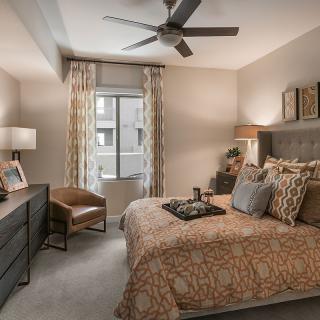
- It accommodates nine residents with private or semi-private rooms that are handicap-accessible and share bathrooms.
- Housekeeping and laundry services are provided.
- It serves home-cooked meals with three meals a day and snacks.
- It offers independent and assisted living, with memory care options, an on-call doctor, and certified caregivers.
- Transportation can be arranged for residents.
- In-house activities include exercises, bingo, games, movies, birthday parties, one-on-one time, and occasional outings.
Cons
 There is a lack of home atmosphere and family.
- The food is only ok.
- The staff, while competent, gives the impression of a lack of a home-like atmosphere.
- The emphasis on memory care and dementia may make the environment feel more clinical than homey.
Review
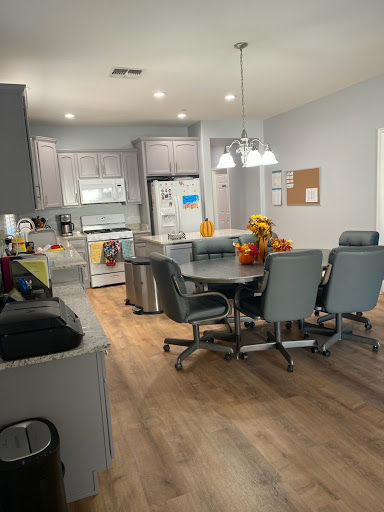
This community is best suited for families seeking a small, privately run living option in Phoenix that prioritizes practical daily care over grand amenities. With capacity for nine residents, Herman & Novella Clancy Assisted Living Home offers a tightly knit, manageable environment where residents can benefit from routine supervision, basic medical support, and predictable schedules without the hustle of a larger facility. The private or semi-private rooms, though sharing bathrooms, are designed for accessibility and safety, and the property’s layout, desert landscaping, a fenced backyard, and a sunlit patio, conveys a calm, contained setting. Staffing emphasizes a hands-on, on-site approach: housekeeping and laundry are handled in-house, meals are cooked on-site, and a physician can be consulted on-call. For families balancing cost with steady routine and memory-care needs, this arrangement checks many practical boxes.
Alternatives should be strongly considered by families prioritizing a more home-like atmosphere, greater privacy, or robust memory-care infrastructure. The reported lack of a "home atmosphere and family" suggests the warmth and daily family-style interaction that some seniors and relatives value may be missing. Those who want private bathrooms would be better off exploring larger assisted living options or private-pay homes that offer private baths. Additionally, if a resident requires intensive memory-care programming, aggressive monitoring, or richer social engagement, other communities with specialized dementia units and more expansive activity calendars may deliver more meaningful engagement. Prospective residents who want frequent, diverse outings or a sense of communal life alongside strong medical oversight may find this home less fulfilling.
On the upside, the small scale is a clear strength. A nine-resident house naturally supports more individualized attention, quicker response times, and a sense that staff know each resident’s routines and preferences. The combination of private or semi-private rooms, on-site housekeeping and laundry, and three meals a day with snacks provides reliable basic care without the complexity of larger campuses. The presence of a doctor on-call and certified caregivers adds a layer of safety, while in-house activities, from exercises to bingo to birthday parties, and occasional outings offer structured engagement. These features can offset some emotional drawbacks, delivering steadier daily life for residents who thrive in predictable surroundings and value direct access to caregivers and medical help.
Yet the same strengths illuminate the principal trade-off. The facility’s intimate size can undercut the emotional richness of a true home atmosphere. The review notes a lack of familial warmth, suggesting residents may miss that daily sense of belonging that larger communities sometimes foster. Shared bathrooms, while manageable, further limit privacy and convenience for residents who would prefer private facilities. Memory care is present, but the phrase "a lot of memory care and dementia" signals a broad, potentially challenging mix that may demand additional specialized programming and security measures not detailed in the description. For families with residents who require constant, highly specialized dementia care or who crave a more vibrant social scene, these gaps are meaningful considerations.
Operationally, the home delivers consistency: meals cooked on-site, regular housekeeping, and transportation possibilities when a resident can travel by car or arrangements can be made. The physical setting, desert landscaping with a secured yard, offers a serene backdrop that can be soothing for some seniors. However, the transportation option hinges on resident mobility and caregiver logistics, which may constrain outings for those with limited independence. The absence of private baths and the small resident pool can limit flexibility in scheduling activities and accommodating changing care needs. In short, the practical framework works for steady, moderate care; it may fall short for families seeking highly flexible, expansive social calendars or advanced medical supervision.
Decision guidance: use this community when value equals practicality, predictability, and close, hands-on oversight. It is not the best pick for families seeking a warm, familial atmosphere, private bathing, or advanced, dementia-focused programming. Before deciding, conduct a thorough visit: observe resident-staff interactions, confirm the presence and frequency of medical oversight, verify transport arrangements, and request a sample week of meals and activities to gauge warmth and engagement. Clarify how memory-care residents are grouped, supervised, and security-monitored, and ask about private-pay options if privacy is a priority. If these criteria align with the family’s goals and budget in Phoenix, Herman & Novella Clancy Assisted Living Home can be a solid, low-friction choice; if not, explore alternatives that foreground a more intimate home environment, stronger social ties, or more robust memory-care services.
 9 resident community capacity
 Assisted Living
 Board and Care Home
 Respite Care
 Cable or satellite TV
 Dining room
 Fully furnished
 Garden
 Housekeeping services
 Move-in coordination
 Outdoor space
 Telephone
 Wi-Fi/high-speed internet available
 Phoenix Sky Harbor International (22 miles away)
 24-hour supervision
 Activities of daily living assistance
 Assistance with bathing
 Assistance with dressing
 Assistance with transfers
 Diabetes diet
 Meal preparation and service
 Medication management
 Special dietary restrictions
 Transportation arrangement (medical)
 Transportation to doctors appointments
 An Extensive Exploration of the VA Aid and Attendance Benefit
 Senior Transition Services: Understanding Their Role, Cost, and Importance
 Exploring the Path to Senior Living: A Comprehensive Look at Independent Living and Assisted Living