
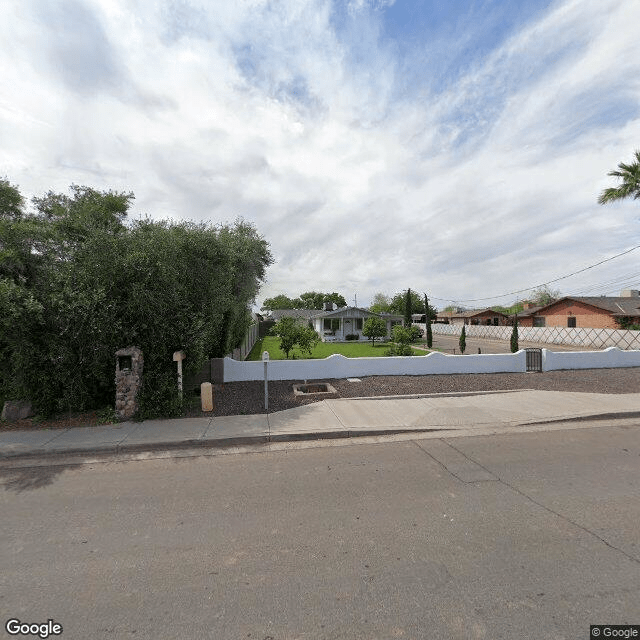
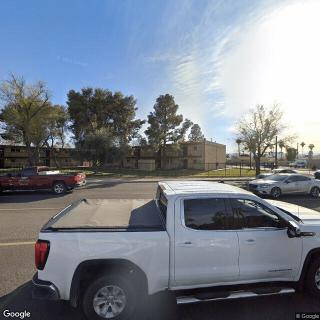
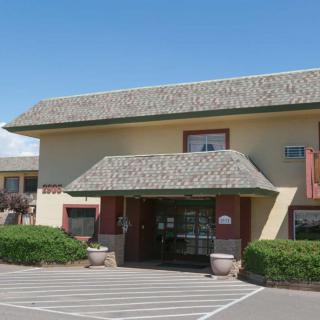
3806 S 9th St, Phoenix, AZ 85040
To contact a resident: (602) 276-5688
For more information about senior living options: (866) 208-4318
Overall Review of Palatrone Supervisory Care Hm
Cons
 The place never answers the phone and there’s no way to reach anyone.
 - There is a bed bug problem.
- The landlord is rude and allegedly tries to steal hospital beds from residents.
- The facility is filthy and infested with bed bugs, described as incredibly dirty.
- Staff are accused of abusing Black residents and beating a Black man for money, with surveillance in rooms.
- Residents are allegedly pressured into hospice for profit and coerced to become co‑payees on their SSI.
Review
Palatrone Supervisory Care Hm in Phoenix is best suited for seniors whose options are severely limited by cost, and for families who understand that placing a loved one here may come with significant safety and quality trade-offs. The community’s low overall rating and a chorus of negative experiences indicate it should be approached only as a last-resort option when there is no viable alternative available. Prospective residents in this category should brace for inconsistent communication, unstable day-to-day living conditions, and a facility that may struggle to meet even basic comfort and safety expectations. In practical terms, the decision to pursue this community rests on financial necessity rather than confidence in care quality.
The feedback centers on several serious red flags that demand careful consideration. Phone access is described as unreliable, with calls going unanswered and messages often left untreated. Bed bug infestations are repeatedly cited, undermining hygiene, comfort, and the sense of security necessary for aging in place. Additional concerns extend to the conduct of the landlord, including accusations of rude behavior and attempts to divert hospital equipment. Most troubling are allegations of abuse and coercive financial practices, claims of surveillance in resident rooms and pressure around SSI co-payees, creating an environment that many would deem unsafe and disempowering. Taken together, these factors cast doubt on basic safety, dignity, and resident autonomy.
On balance, the few positive signals present in higher-star ratings do not erase the dominant negatives. The few high ratings do not translate into verifiable benefits such as dependable medical oversight, consistent staffing, or transparent, ethical financial procedures. The prevailing narrative emphasizes inaction, persistent pest problems, and what appears to be disengaged management. When the daily reality described by residents and families involves infestations, poor responsiveness, and questionable staff conduct, any potential upside is overwhelmed by the tangible, ongoing risks to health, safety, and peace of mind. In practical terms, the care experience at this facility is not reliably dependable, which makes it unsuitable for most seniors.
Families that should look elsewhere are those requiring reliable medical attention, steady supervision for memory or mobility needs, and a respectful, transparent care culture. Anyone who values timely communication, a clean and safe living environment, and protection from coercive or abusive practices will find the current feedback deeply concerning. This is especially true for residents who keep valuable personal belongings on-site, depend on consistent daily routines, or rely on hospital-grade equipment that must be safeguarded. In short, the consensus here is that cost savings come at too high a price in dignity, safety, and trusted care.
To evaluate options with clarity, approach the decision with a disciplined checklist. Test how quickly calls are answered and whether there is an on-site administrator available around the clock. Investigate the facility’s pest-control history, current remediation steps, and guarantees against re-infestation. Probe staffing levels, turnover, and the training program for de-escalation, resident rights, and emergency response. Demand written policies on surveillance, room access, and consent for medical or financial decisions, and verify the existence of a transparent grievance process. Speak directly with current residents and families about day-to-day life, safety, and privacy, and insist on transparent pricing, including how SSI-related co-payees are handled and what protections exist if disputes arise.
The bottom line remains uncompromising: this community presents meaningful, well-documented concerns about safety, cleanliness, and treatment of residents that should steer most families toward alternatives. If budget constraints force consideration here, do so with an explicit remediation plan and a robust exit strategy in place. Engage an independent elder-care advisor to compare nearby options that demonstrate stronger records for cleanliness, responsive management, and ethical care. The overarching aim is to protect health, dignity, and everyday peace of mind, not to gamble on a setting where foundational expectations for safety and respect routinely fall short.
 Board and Care Home
 Phoenix Sky Harbor International (3 miles away)
 Premium, luxury-style setting with extensive nearby amenities.


 Comprehensive Guide to Blood Pressure Charts for Older Adults: Understanding Normal and High Readings by Age
 Financing Long-Term Nursing Home Care Through Social Security: A Thorough Exploration
 Essential Knowledge on Pneumonia in Older Adults