
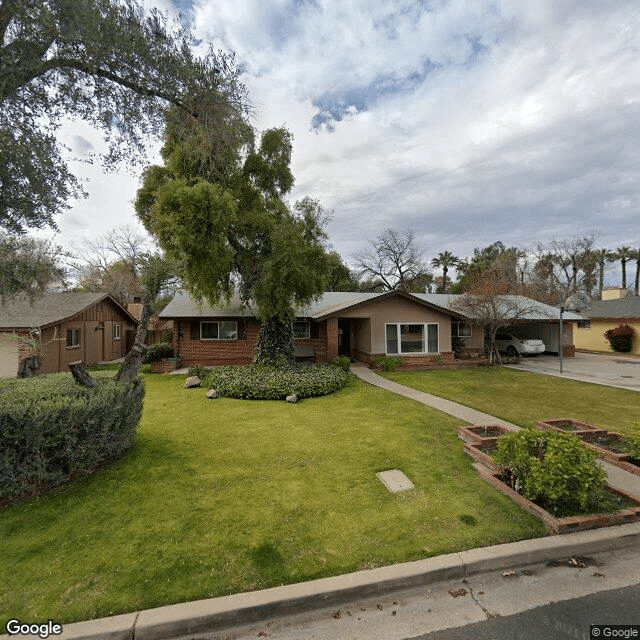
6846 N 4th Ave., Phoenix, AZ 85013
To contact a resident: (602) 758-5230
For more information about senior living options: (866) 208-4318
Mardon Assisted Living I Costs & Pricing
Mardon Assisted Living I offers competitive pricing for private room accommodations at $3,100 per month, which is notably lower than the average costs in Maricopa County ($3,318) and the broader state of Arizona ($3,345). This positions Mardon Assisted Living I as an attractive option for individuals seeking quality care in a supportive environment while also being mindful of their budget. The facility's rates reflect a commitment to providing accessible and affordable assisted living options without compromising on the quality of service or amenities.
| Floor plans | Mardon Assisted Living I | Maricopa County | Arizona |
|---|---|---|---|
| Private | $3,100 | $3,318 | $3,345 |
Senior living communities with a similar price nearby
-
from +$550 / mo

SeniorBridge - Scottsdale, AZ
$3,650 / month11.7 miles away -
from -$300 / mo
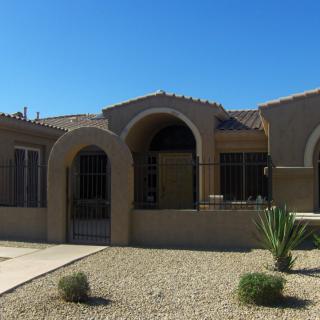
Pinnacle Peak Assisted Living
$2,800 to $3,100 / month14.7 miles away -
from +$400 / mo
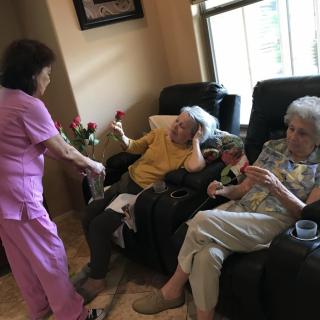
A Paradise for Parents Campbell Avenue
$3,500 to $4,500 / month17.8 miles away -
from -$475 / mo

The Eldercare Home Of Tempe
$2,625 to $3,412 / month15.1 miles away -
from -$150 / mo
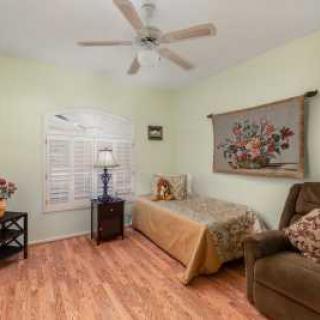
Endeavor AL I
$2,950 to $4,200 / month9.8 miles away
Overall Review of Mardon Assisted Living I
Pros
 Marian’s Adult Care is professional and attentive to residents’ individual needs.
- The staff meets medications and physical needs in a timely manner.
- Residents are placed first and treated with a caring, family-like approach.
- Akinyel is consistently available to answer questions and provide support.
- The home is clean, well-maintained, and offers a real home-like environment.
- The owner and staff are compassionate, attentive, professional, and genuinely care for residents.
- Individual care plans are prioritized, a sense of community is fostered, and residents’ well-being is cared for.
- The team provides attentive end-of-life care with clear communication, making residents comfortable.
- The care and support provided are exceptional and bring comfort to families.
- The facility is trustworthy, safe, and highly recommended by visitors.
Review
This community is best suited for families seeking near-home, intimate, person-centered care delivered in a warm, home-like setting. The reviews consistently describe professional, attentive staff who address medication and daily needs promptly, placing the resident at the center of care. Caregivers are noted for moving beyond mere duties to become trusted, family-like allies, with staff members who are available to answer questions and provide ongoing support. The environment is described as clean, well-maintained, and conducive to comfort and safety. For families who value dependable communication and a caregiving team that treats the resident with genuine respect and warmth, this model offers a compelling fit.
Those weighing alternatives should consider whether a loved one requires higher medical acuity or more specialized programs not emphasized in a small, home-forward setting. While the reviews highlight exceptional personal care, they do not indicate extensive on-site medical specialties, hospital-level nursing coverage, or a broad rehabilitation program. For residents needing around-the-clock clinical oversight, memory-care specialization, or a wider array of on-site therapies, a larger facility with deeper clinical resources may be more appropriate. In short, this option excels in intimate, individualized care, but families with demanding medical trajectories might prefer alternatives with greater clinical depth.
The core strengths, compassion, individualized planning, and strong family communication, offset the absence of expansive clinical services. Pros include a trustworthy, safe environment, a real home-like atmosphere, and a staff that demonstrates consistent professionalism and attentiveness. The ability to tailor care plans to each resident’s routines and preferences reduces stress for families and enhances quality of life for residents. The reviews consistently highlight how the team’s responsiveness and the stable, family-like dynamic contribute to peace of mind. In this light, the main trade-offs of a smaller operation are mitigated by the depth of personal attention and the reliability of daily support.
Communication emerges as a standout pillar. Families report frequent updates, clear explanations, and proactive involvement in care decisions, which lowers anxiety during transitions or challenging times. The care approach extends into end-of-life support, described as compassionate and thorough, with staff willing to go the extra mile to ensure comfort and to keep family members informed. The sense that caregivers know residents well and remember individual histories translates into smoother daily experiences and fewer misunderstandings. For families seeking ongoing, substantive engagement rather than generic check-ins, this level of transparency and relational care is a decisive advantage.
A practical decision framework helps families decide if this option aligns with their expectations. Proximity to home and the ability to visit easily are clear pluses, as are well-defined routines and the capacity to customize services to evolving needs. Prospective families should inquire about staffing ratios, the scope of on-site medical capabilities, and whether the facility can accommodate any specialized equipment or therapies required. Verification of licensing, safety measures, and end-of-life care protocols remains essential. Given the consistently high praise and a five-star rating, this option merits serious consideration when near-home, personalized care is the priority.
In sum, this community stands out for families who want a trustworthy, compassionate, near-home option where staff feel like a trusted extension of the family and care plans are truly personalized. It serves those who thrive in a smaller, intimate setting and do not demand extensive hospital-level medical resources on-site. Families whose priorities include robust clinical programming, large-scale activity calendars, or specialized memory-care protocols may wish to explore other paths. For those aligned with the described strengths, a thoughtful site visit, direct conversations about care plans, and a clear dialogue about staffing levels will confirm that this option aligns with long-term goals and daily caregiving realities.
 Board and Care Home
 Cats allowed
 Dogs allowed
 Private
 Phoenix Sky Harbor International (8 miles away)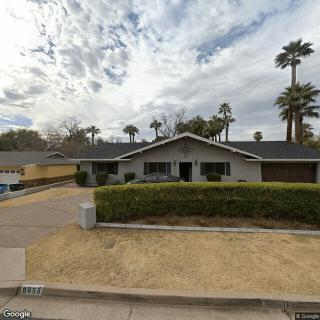


 Comprehensive Look at Senior Blood Pressure Charts: Normal and Elevated Levels by Age
 Top Canine Companions for Older Adults
 Comprehensive Guide to Blood Pressure Charts for Older Adults: Understanding Normal and High Readings by Age