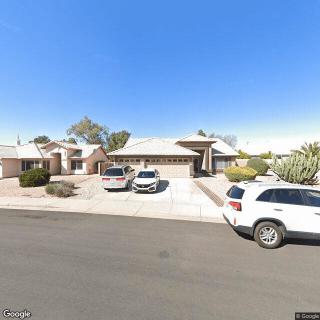
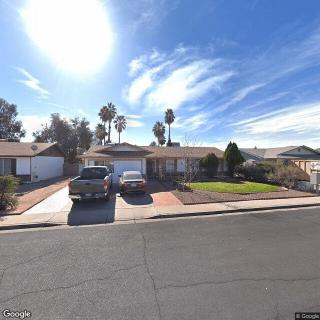
The Eldercare Home of Tempe offers competitive pricing for its services compared to the broader market in Maricopa County and the state of Arizona. For semi-private rooms, residents pay $2,625 per month, which is significantly lower than the county's average of $2,801 and the state's average of $2,820. Private rooms are available for $3,150, again providing a more economical option compared to the county's rate of $3,318 and the state's average of $3,345. Additionally, studio accommodations are priced at $3,412 - more affordable than both the county's average of $3,960 and the state's average of $3,829. Overall, The Eldercare Home of Tempe positions itself as a cost-effective choice without compromising quality care.
Floor plans
The Eldercare Home Of Tempe
Maricopa County
Arizona
Semi-Private
$2,625
$2,801
$2,820
Private
$3,150
$3,318
$3,345
Studio
$3,412
$3,960
$3,829
Assisted Living communities with a similar price nearby
Many families describe the caregivers as genuinely caring and supportive.
Across the reviews, families repeatedly highlight compassion, respect, and patience from the caregivers and care team. Several comments describe caregivers treating loved ones with kindness and providing companionship, which made a difficult transition feel more manageable. Residents’ families also mention that the team took the time to understand needs rather than approaching care as a transaction.
common
Communication and responsiveness stand out
Families frequently mention quick communication and reliable follow-through.
Reviewers bring up strong communication with the office and caregivers, including easy updates when needs changed. Multiple families say requests were handled promptly and that someone checked in regularly to make sure care was going well. This responsiveness is portrayed as an important part of how support was coordinated during changing health situations.
differentiator
Support during transitions is praised
Families praise help coordinating care after falls and hospital stays.
Several reviews describe how the team stepped in after setbacks like falls, hospital discharge, and major health events. Families mention guidance through decisions about assisted living and connecting with appropriate care arrangements. Owners and coordinators are described as taking an active role in planning and making early arrangements to reduce stress for the family.
common
Hands-on help and companionship
Care is described as both practical and emotionally supportive.
Beyond emotional support, reviewers mention hands-on help with daily routines such as personal care and time-focused assistance. Companionship also comes up as a meaningful part of daily support, with caregivers spending time together and helping with appointments and errands. Families often frame this combination—practical help plus companionship—as what made care feel complete.
How we summarize
We summarize when many written reviews mention each theme; a review can touch several themes, and only frequently mentioned themes are displayed.
Features
Housing
10 resident community capacity
Types of Care
Assisted Living
Board and Care Home
Respite Care
Amenities
Cable or satellite TV
Dining room
Fully furnished
Garden
Housekeeping services
Move-in coordination
Outdoor space
Telephone
Wi-Fi/high-speed internet available
Transportation
Phoenix Sky Harbor International (7 miles away)
Care Services
24-hour supervision
Activities of daily living assistance
Assistance with bathing
Assistance with dressing
Assistance with transfers
Coordination with health care providers
Diabetes diet
Meal preparation and service
Medication management
Special dietary restrictions
Transportation arrangement (medical)
Transportation to doctors appointments
Dining
Diabetes diet
Special dietary restrictions
Activities
Community-sponsored activities
Scheduled daily activities
Nearby Places of Interest
Restaurants
Raising Cane's Chicken Fingers (0.4 miles)
Culver's (1.9 miles)
Someburros (2.1 miles)
Venezia's Pizzeria (2.3 miles)
The Dhaba (2.6 miles)
Mandi House (2.6 miles)
Haji-Baba (2.6 miles)
Pharmacies
Fry's Pharmacy (0.5 miles)
Walgreens (1.1 miles)
Walgreens (1.1 miles)
CVS Pharmacy (1.7 miles)
Fry's Pharmacy (1.7 miles)
CVS Pharmacy (2.2 miles)
Walgreens (2.7 miles)
Places of Worship
Kingdom Hall (0.7 miles)
Temple Emanuel (1.5 miles)
Islamic Community Center of Tempe (3.8 miles)
Theaters
Alamo Drafthouse Tempe (1.1 miles)
Arizona Mills 18 w/ IMAX (3.7 miles)
Harkins Tempe Marketplace 16 (3.9 miles)
Cafes
Starbucks (1.4 miles)
Dutch Bros Coffee (2.4 miles)
Starbucks (2.6 miles)
Infusion Coffee & Tea (3 miles)
Dutch Bros Coffee (3.1 miles)
Starbucks (3.7 miles)
Cartel Coffee Lab (3.8 miles)
Parks
Selleh Park (1.8 miles)
Daumler Park (1.8 miles)
Tempe Beach Park (4.3 miles)
Desert Breeze Park (4.5 miles)
Physicians
20/20 Image Eye Centers (2.1 miles)
HonorHealth Medical Group - South Tempe - Primary Care (3.1 miles)
Centre For Contemporary Dental Concepts (3.8 miles)
The Eldercare Home of Tempe offers competitive pricing for its services compared to the broader market in Maricopa County and the state of Arizona. For semi-private rooms, residents pay $2,625 per month, which is significantly lower than the county's average of $2,801 and the state's average of $2,820. Private rooms are available for $3,150, again providing a more economical option compared to the county's rate of $3,318 and the state's average of $3,345. Additionally, studio accommodations are priced at $3,412 - more affordable than both the county's average of $3,960 and the state's average of $3,829. Overall, The Eldercare Home of Tempe positions itself as a cost-effective choice without compromising quality care.
The VA Aid and Attendance benefit provides financial support to veterans needing assistance with daily living due to medical conditions or disabilities, augmenting standard VA pensions for services like in-home care. Eligibility is based on service duration, wartime status, income, and medical needs, with a detailed application process required to access funds for caregiving and home modifications.
Senior move management services assist older adults in the relocation process by providing emotional support and organizational help, addressing unique challenges like downsizing and moving from long-term homes. These specialists collaborate with real estate agents and manage logistics, making the transition smoother for seniors and their families.
The article examines senior housing options, detailing the distinctions between independent living and assisted living, along with the emerging "independent assisted living" model that blends both approaches. It highlights the importance of assessing individual needs, preferences, and financial factors in making informed decisions about suitable living arrangements for seniors.
Get PricingAsk A QuestionSchedule A TourContact Senior Advisor
By clicking submit, you agree to our Partner's Terms of Use. You
also consent to receive calls and texts, which may be autodialed, from our Partner. Your consent is not a condition to
using our Partner's service. Please visit our Partner's Privacy Policy for information about their privacy practices.






 10 resident community capacity
 Assisted Living
 Board and Care Home
 Respite Care
 Cable or satellite TV
 Dining room
 Fully furnished
 Garden
 Housekeeping services
 Move-in coordination
 Outdoor space
 Telephone
 Wi-Fi/high-speed internet available
 Phoenix Sky Harbor International (7 miles away)
 24-hour supervision
 Activities of daily living assistance
 Assistance with bathing
 Assistance with dressing
 Assistance with transfers
 Diabetes diet
 Meal preparation and service
 Medication management
 Special dietary restrictions
 Transportation arrangement (medical)
 Transportation to doctors appointments
 Competitive pricing with robust amenities and specialized care (diabetic and high-acuity).





 An Extensive Exploration of the VA Aid and Attendance Benefit
 Senior Transition Services: Understanding Their Role, Cost, and Importance
 Exploring the Path to Senior Living: A Comprehensive Look at Independent Living and Assisted Living