
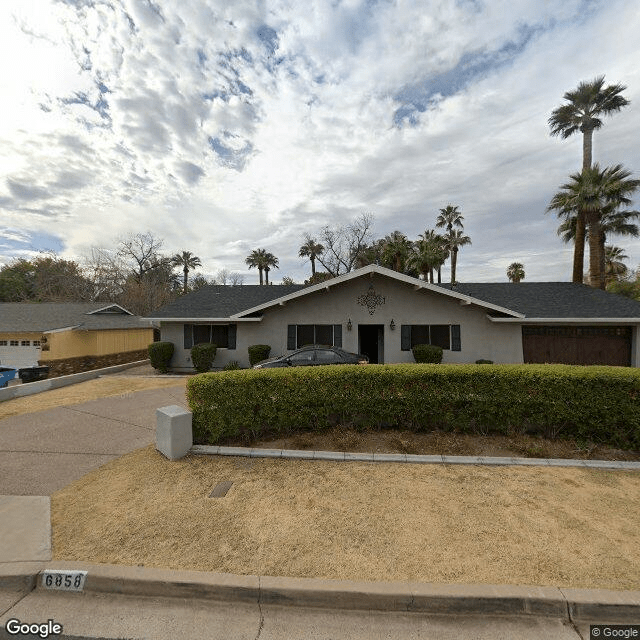
6858 N 4th Ave, Phoenix, AZ 85013
For more information about senior living options: (866) 208-4318
The Corner House Assisted Living Costs & Pricing
The Corner House Assisted Living offers competitive pricing for its services in comparison to both Maricopa County and the broader state of Arizona. For a semi-private room, residents can expect to pay $2,000 per month, which is significantly lower than the county average of $2,801 and the state average of $2,820. In terms of private accommodations, The Corner House also presents a cost-effective option at $2,500 per month; this is notably more affordable than the county's average of $3,318 and the state's average of $3,345. Overall, The Corner House Assisted Living stands out as an attractive choice for individuals seeking quality care without straining their budget.
| Floor plans | The Corner House Assisted Living | Maricopa County | Arizona |
|---|---|---|---|
| Semi-Private | $2,000 | $2,801 | $2,820 |
| Private | $2,500 | $3,318 | $3,345 |
Senior living communities with a similar price nearby
-
About the same

Home Instead - Fountain Hills, AZ
$1,945 to $3,525 / month20.7 miles away -
from -$139 / mo

Endeavor Senior In-Home - Mesa
$1,861 / month19.3 miles away -
About the same
Garcia's Assisted Living Home LLC
$2,000 / month9.6 miles away -
About the same
Santo Nino Villas 2
$2,000 to $2,300 / month23.1 miles away -
About the same
Martha Bonilla Care Loving Home
$2,000 to $2,200 / month17.6 miles away
Overall Review of The Corner House Assisted Living
Pros
 The facility's professionalism, love, and care for residents impress families.
- The staff are described as angels, delivering exceptional care.
- Residents are surrounded by amazing staff, including Elizabeth (events coordinator) and Gigi (nurse).
- Heath proactively offers help when needed.
- The staff make managing a Power of Attorney from out of state a breeze.
- The team goes above and beyond, preparing residents for travel with everything they need.
- Rima and Alexa welcome visitors and are outstanding hosts and managers.
- Residents flourish under their care, with encouragement to participate in activities and a warm, loving environment.
Cons
 The staff are sometimes rude.
- They are mean to stray cats and won’t let people feed them or give water.
- Residents are evicted if caught.
- The place has gone downhill.
- The reviewer moved because the place had gone downhill.
- There are hardly any activities in Manor 1 and Manor 3; only a couple of Bible studies.
- Volunteers were not allowed to do crafts.
- People’s photos are taken if caught doing something, instead of by staff, and those photos can be turned into the office.
- It is not a real good Christian place.
- The care coordinator was very difficult to access.
- They claimed group homes were recommended for people needing more care, even though this is an ALTCS manor requiring low functioning for medical qualification.
Review
The Corner House Assisted Living in Phoenix is best suited for families seeking a warm, relationship-driven environment where daily care is personalized, staff attention is consistent, and long-distance family involvement can be woven into the resident’s routine. This community tends to shine for residents who need hands-on support with dementia-related needs or low-to-moderate medical oversight, yet still desire independence within a structured setting. The strongest case is made for households that prioritize staff accessibility, proactive management, and a home-like atmosphere where care teams coordinate intimately with families, doctors, and outside services. For families navigating memory-care transitions or seeking a dependable partner who can offload some of the day-to-day stress of caregiving while remaining close to loved ones, Corner House often delivers measurable peace of mind. In short, this is a practical home for seniors who want compassionate caregiving anchored by attentive managers, solid day-to-day routines, and a culture that centers on gentle, steady support.
Not everyone will find Corner House the right fit, and there are clear alternatives to weigh. Families who crave a more expansive or eclectic activity calendar with a busier social life across multiple venues may feel the focus here is more intimate than they want. Some residents and families have expressed concerns about inconsistent activity offerings in certain manors and tighter volunteer parameters, which can leave a feeling of limited engagement for those who thrive on constant stimulation. Others may encounter privacy sensitivities around photo use and staff oversight, or encounter variability in how accessible the care coordinator is on busy days. For households seeking a strictly non-religious environment or one with fewer faith-oriented programs, another community may better align with personal preferences. Finally, families that desire continuous, highly visible clinical oversight or a single- campus ecosystem with broad, in-house specialty services may prefer options with a more pronounced medical footprint.
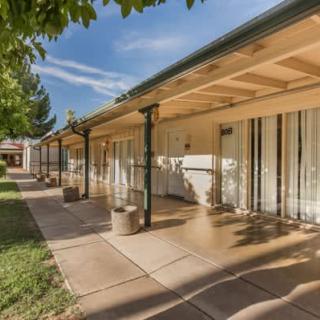
The positive attributes at Corner House tend to offset these drawbacks for many families. The core strengths are the people at the bedside: a caregiving team described as professional, loving, and consistently reliable, backed by management that communicates proactively and steps in when plans shift. Residents report feeling valued and treated with genuine care, and families frequently cite the staff’s willingness to go the extra mile, whether coordinating a holiday trip, packing warm clothes and medications for an out-of-state visit, or arranging travel-friendly supports for a parent with low mobility. The nursing and event coordination staff, alongside reliable drivers and secure premises, form a dependable backbone that often makes transitions smoother. The apartments offer real independence: large studios or one-bedroom setups with features like stability bars, and the option to live without a roommate, which preserves dignity and privacy while keeping the door open to assistance when needed.
Operationally, Corner House earns trust through demonstrated, real-world outcomes. Several families describe dramatic improvements after moves: a resident with early-stage dementia flourishing in an environment that nudges participation through accessible games and social activities, rather than leaving them isolated in a room. Care coordinators and nurses are frequently highlighted as the hinge behind these experiences, coordinating care across medical providers, managing medication routines, and ensuring comfort during travel or hospital transitions. The sense of continuity, staff who remember personal histories, a nurse who understands daily rhythms, and an administrator who follows through on promises, creates a credible, low-stress pathway for families navigating POA responsibilities from afar. In practice, Corner House often becomes the stabilizing anchor families hoped for when a loved one’s care needs become more demanding.
It is wise to enter Corner House with a clear sense of the operational realities that underlie the strengths. Some reviews point to moments when staff behavior varied or when certain programs felt restricted, particularly around volunteer crafts or spontaneous social activities. There are also occasional concerns about how accessible the care coordinator is and about the guardrails around pet interactions on site. These threads matter: visit the community at different times, speak with front-line staff, and ask pointed questions about who oversees individual care plans, how often activity calendars are refreshed, and what the policy is on resident privacy? Understanding the specifics, such as which manor is most aligned with a resident’s functional level, or how ALTCS-based funding shapes services, helps families determine whether Corner House will meet expectations or if another community would be a better fit.
Bottom line: Corner House Assisted Living represents a pragmatic, well-supported option for families needing dependable daily care, meaningful caregiver relationships, and efficient coordination for out-of-town loved ones. It excels for residents who benefit from a nurturing, faith-inclusive tone, strong nursing oversight, and a culture of going the extra mile for families. The main caveats, the potential for uneven activity offerings across manors, occasional privacy concerns, and variability in staff access, do not negate the overall value but are important guardrails to verify in person. For families weighing options, a thoughtful tour with the care coordinator, direct conversations with current residents’ families, and a clear plan for how care will scale with changing needs will reveal whether Corner House is the right fit, or if a more bustling or less faith-centered setting would better align with goals and budget.
 Board and Care Home
 Private
 Phoenix Sky Harbor International (8 miles away)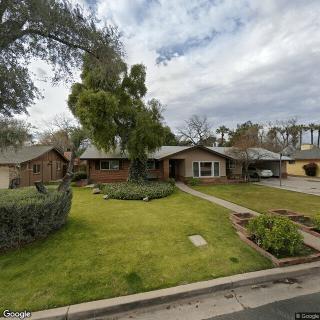

 Understanding the Full Cost of 24/7 In-Home Care: A Detailed Overview
 Exploring the World of Home Health Nurses: Qualifications, Roles, and Hiring Tips
 Navigating Medicare Coverage for In-Home Care Services