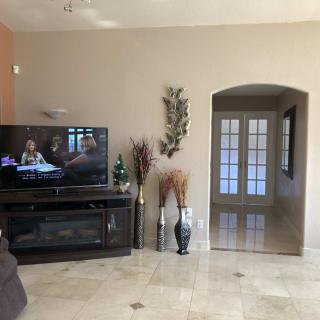
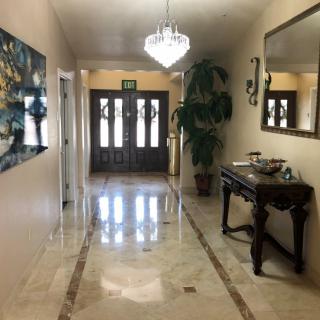
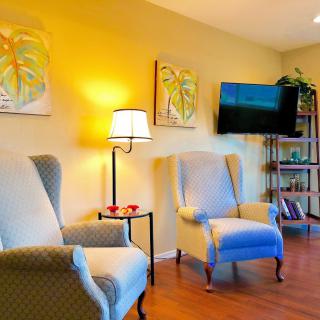
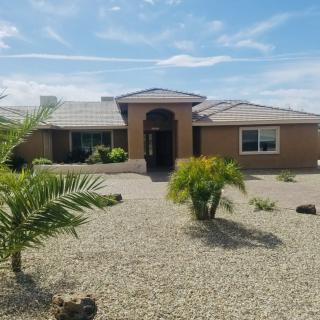
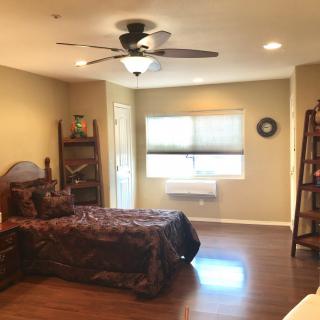
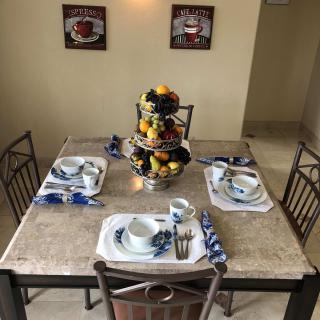
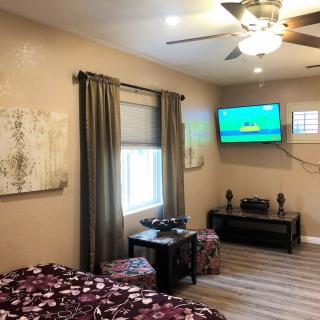
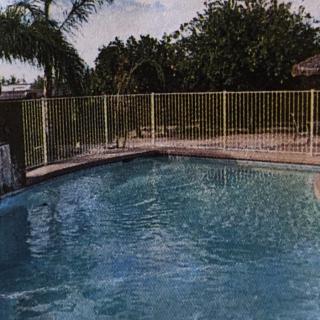
8855 W. Calle Lejos, Peoria, AZ 85383
To contact a resident: (602) 309-1820
For more information about senior living options: (866) 208-4318
Paradise Assisted Living Home Costs & Pricing
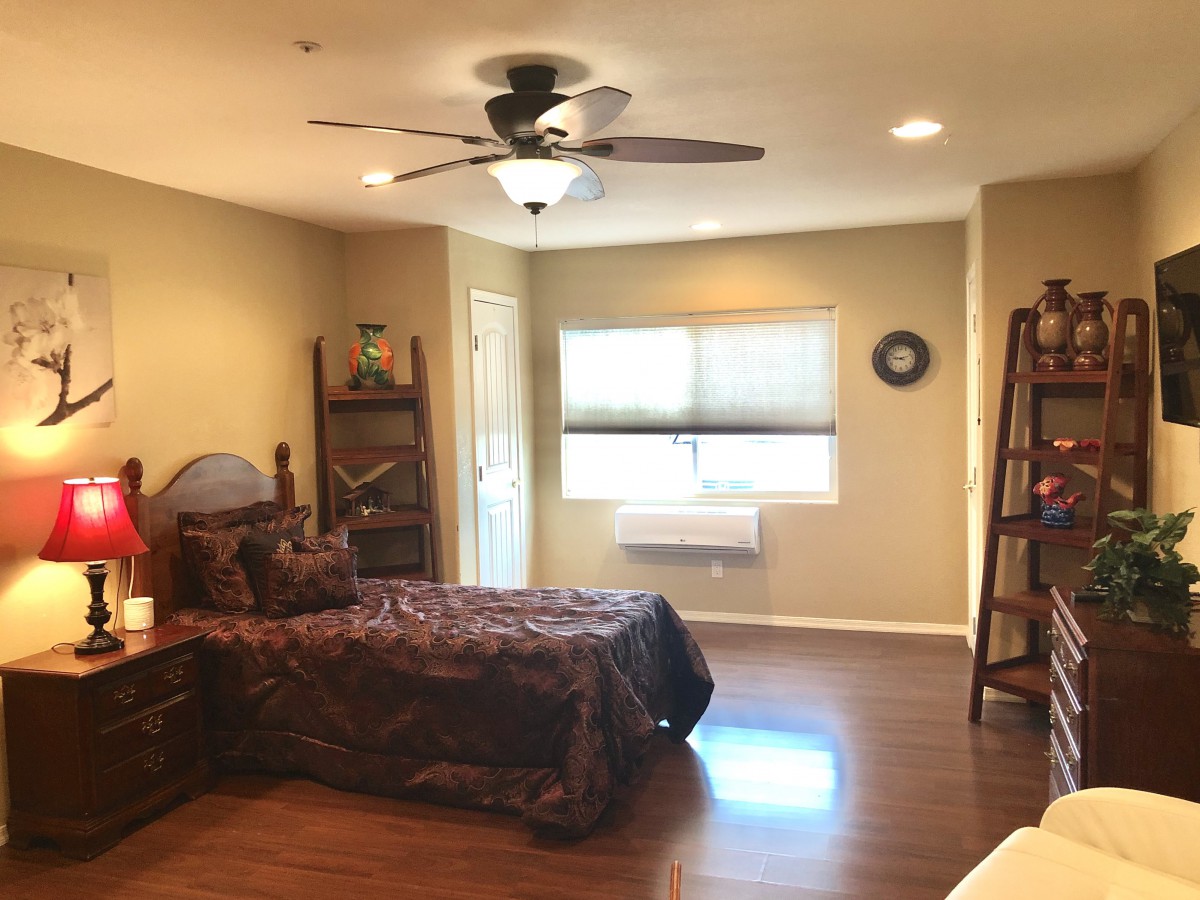
At Paradise Assisted Living Home, the monthly costs for accommodation reflect the premium services and supportive environment offered to residents. For a semi-private room, residents can expect to pay $3,500, which is notably higher than the average costs in Maricopa County at $2,801 and across Arizona at $2,820. This difference underscores the enhanced level of care and amenities provided at Paradise. Similarly, for private rooms, the cost is set at $4,200, compared to $3,318 in Maricopa County and $3,345 statewide. While these figures indicate a higher investment than many alternatives in the region, they correspond with a commitment to delivering personalized care and fostering a vibrant community atmosphere that many families find invaluable.
| Floor plans | Paradise Assisted Living Home | Maricopa County | Arizona |
|---|---|---|---|
| Semi-Private | $3,500 | $2,801 | $2,820 |
| Private | $4,200 | $3,318 | $3,345 |
Senior living communities with a similar price nearby
-
from +$150 / mo
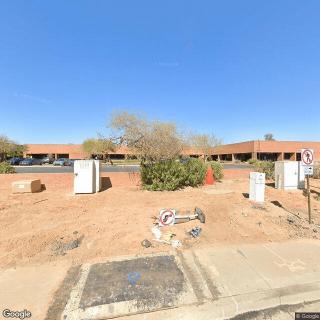
SeniorBridge - Scottsdale, AZ
$3,650 / month21.9 miles away -
About the same
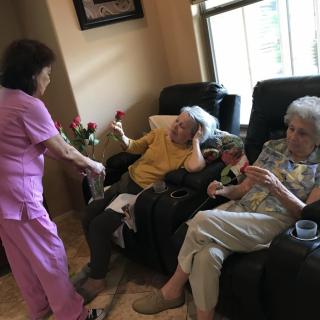
A Paradise for Parents Campbell Avenue
$3,500 to $4,500 / month16.0 miles away -
from -$550 / mo
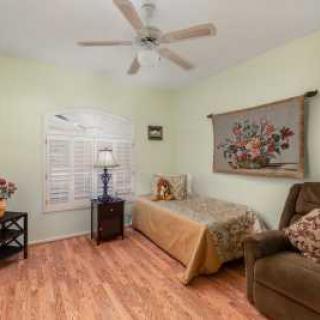
Endeavor AL I
$2,950 to $4,200 / month16.2 miles away -
from +$200 / mo
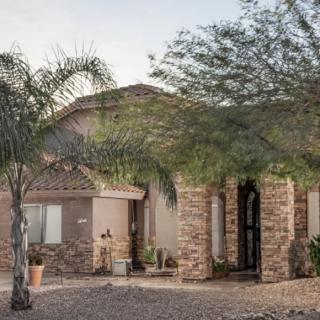
Endeavor AL III
$3,700 to $4,000 / month17.1 miles away -
About the same
Endeavor AL II
$3,500 to $4,000 / month16.9 miles away
Overall Review of Paradise Assisted Living Home
Pros
 Monica Jivan and the Paradise Assisted Living staff provide exceptional care and treat residents and their families like family.
- The staff keep residents engaged with daily activities and music, creating a great vibe.
- Families highly recommend Paradise Assisted Living for their loved ones.
- Paradise offers attentive, one-on-one care in a small, intimate setting.
- The staff genuinely care about residents and form warm relationships with families, making Paradise feel like a home away from home.
- Daily activities and entertainment are planned for residents.
- The meals and overall care are described as very pleasing, reflecting high-quality service.
- The facility is known for great services and professional staff.
Cons
 The caregivers were NOT kind or compassionate toward him.
- They did not treat him with patience; their tone of voice made him afraid.
- They were there only for the paycheck.
- He fell numerous times and ended up in a trauma hospital.
- He could have died.
- The reviewer warns others to keep their eyes wide open when choosing a place for a loved one.
Review
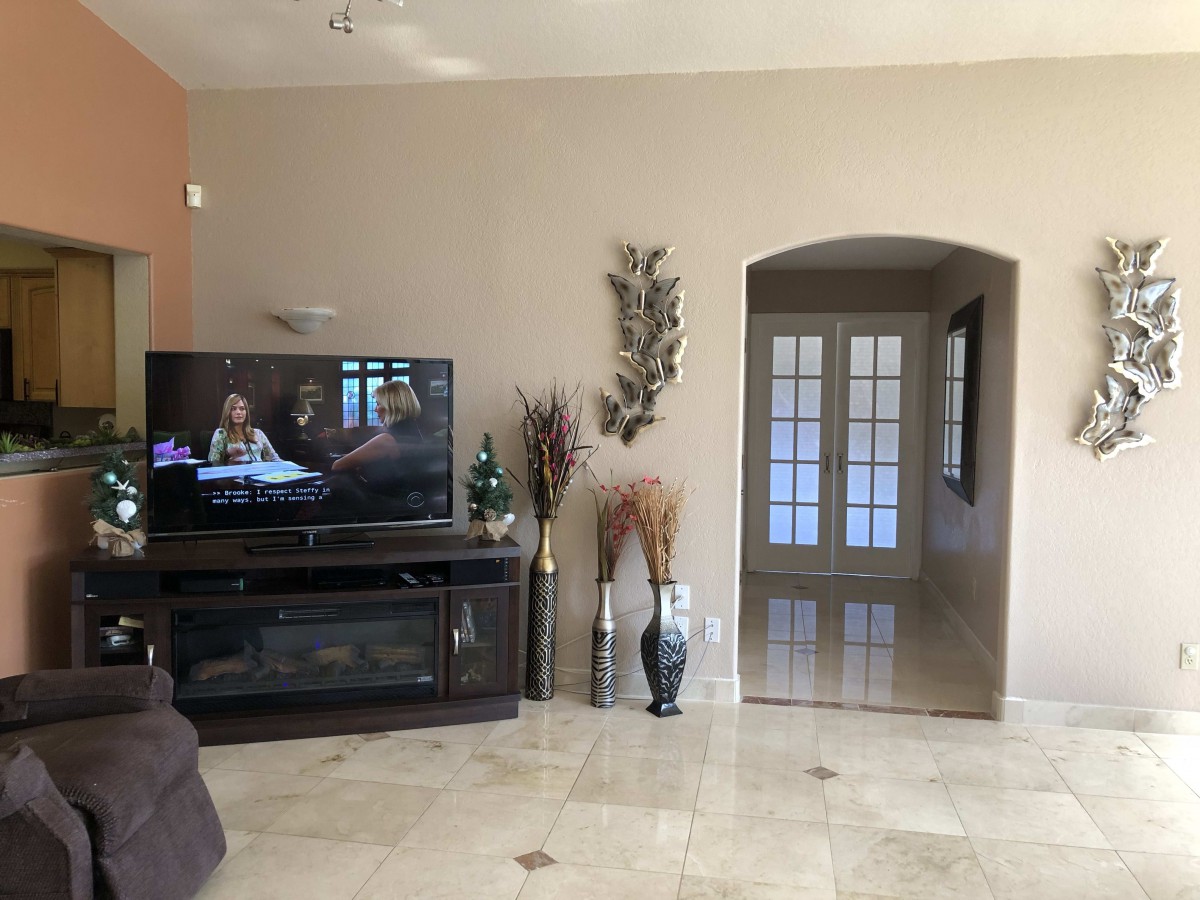
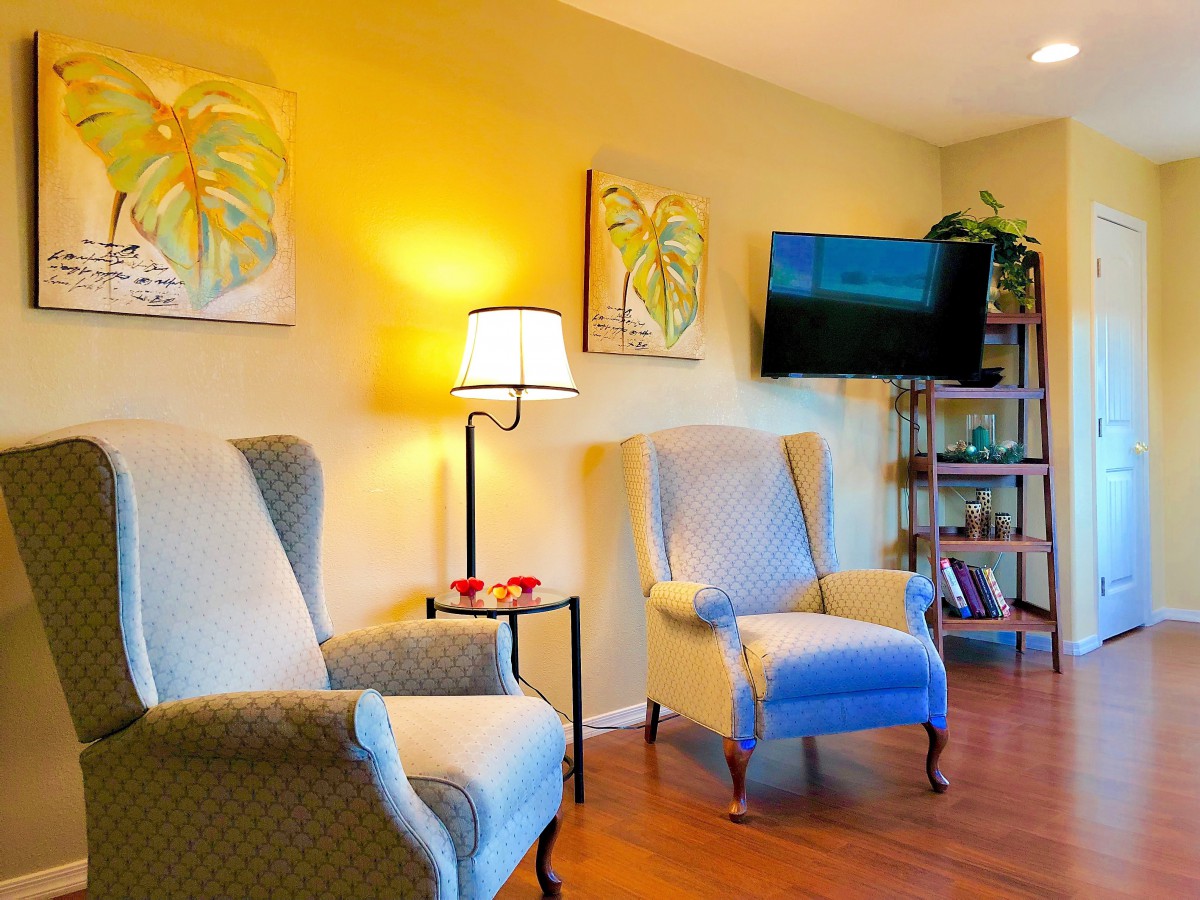
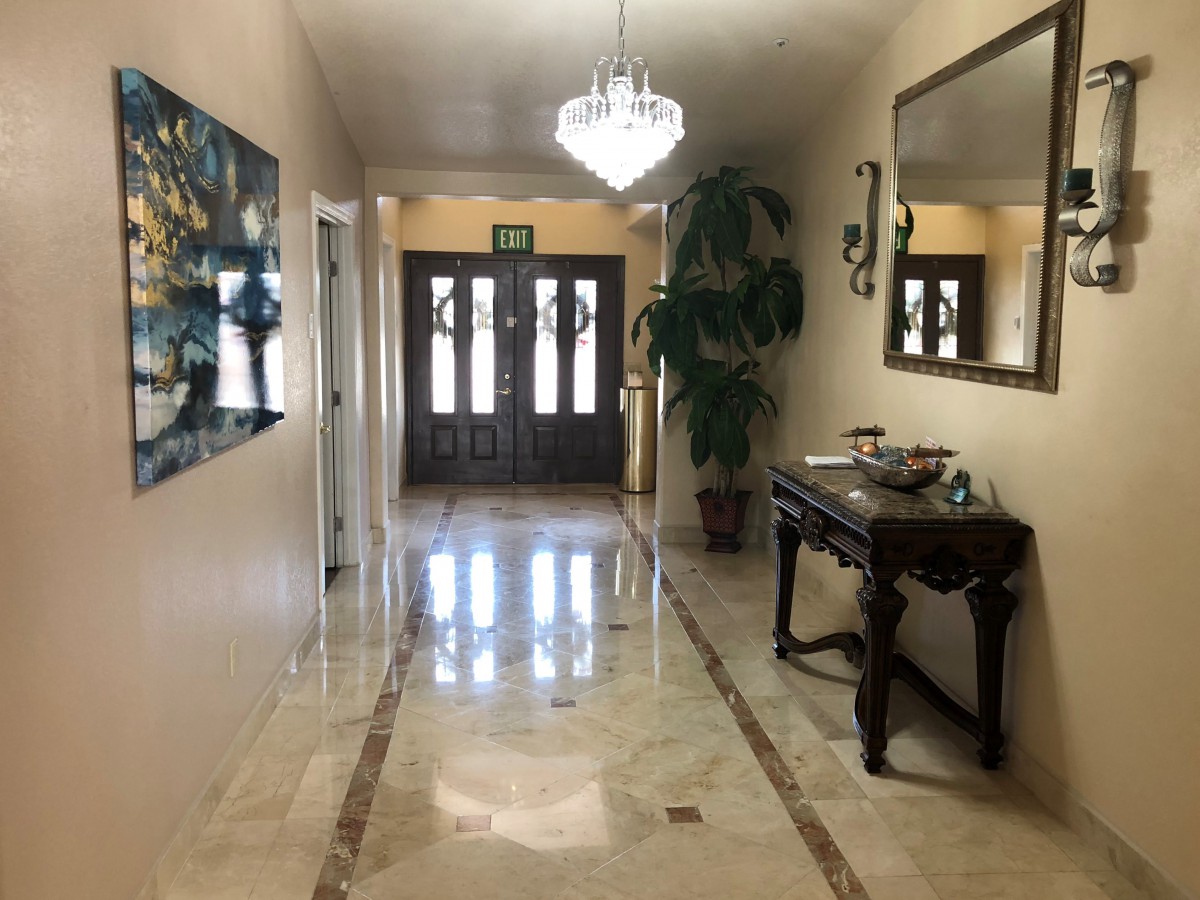
Paradise Assisted Living Home in Peoria, AZ is best suited for families seeking a small, home-like setting where residents receive highly personalized attention and a steady, family-style care culture. The reviews consistently elevate the community as a place with a warm, engaging atmosphere, where caregivers know residents by name, routines become familiar, and daily activities, such as music, guest entertainers, light exercise, card games, and bingo, are woven into the day. This is not a large campus with a revolving door of staff; it is a tight-knit environment where a caregiver roster feels more like an extended family than a formal care team. It works particularly well for residents who thrive on one-on-one interactions, who value regular social engagement, and who benefit from consistent, attentive supervision in a setting that feels homely rather than clinical. For families navigating end-of-life planning or dementia-adjacent care, Paradise often delivers the meaningful engagement and compassionate presence that can shape a resident’s final chapters in a positive way.
That said, certain residents or families should explicitly consider alternatives. The standout caveat from the reviews is a single negative account in which caregivers were described as unkind or impatient, with a tone that frightened a resident with dementia. That vignette underscores a real risk in any small operation: variability in temperament and consistency of care can be more pronounced when a compact staff handles intimate, 24/7 duties. Families whose loved one requires robust medical oversight, frequent skilled nursing interventions, or highly structured memory-care programming may find the resource pool and formal protocols in a larger facility more suitable. Similarly, if safety metrics, incident reporting, or a guaranteed cadre of highly specialized caregivers are non-negotiable, it is prudent to explore options with bigger teams, more certified specialists, and clearly documented safety systems.
The core strengths of Paradise, the one-on-one attention, the staff’s apparent dedication, and the vibrant activity calendar, tend to offset the main drawbacks to a meaningful degree. Small size matters here because it translates into daily interactions that are genuinely personal: staff learn individual preferences, tailor activities, and coordinate with families in ways that feel proactive rather than reactive. Multiple families recount that Monica and Monie, along with the intimate nursing presence, became trusted allies who anticipated needs, facilitated requests, and kept the loved one’s life feeling full and purposeful. The mood at Paradise tends to be upbeat and community-centered, with opportunities for residents to participate in music, exercise, and social games, factors that can significantly improve mood, motivation, and a sense of belonging. The tasty, well-prepared meals and the feedback loop with management further reinforce a sense of stability and responsiveness, which often matters more for quality of life than the breadth of medical services a larger campus could claim.
Those positives, however, must be weighed against the limits implied by a smaller operation. The reviews collectively emphasize warmth, companionship, and meaningful engagement as enduring strengths, yet they stop short of detailing deep medical offerings, complex wound care, or around-the-clock skilled nursing capacity. For a resident with high-acuity needs, frequent clinical interventions, or a schedule that requires constant, formal oversight, Paradise may feel undersized. The perceived safety gaps highlighted by the one negative report, where falls occurred and the care approach appeared uneven, illustrate the importance of verifying actual staffing levels, training, and response protocols during a tour. Prospective families should press for concrete answers: caregiver-to-resident ratios by shift, the chain of command for urgent concerns, how falls are documented and mitigated, and the process for escalating issues to a licensed supervisor.
In practical terms, Paradise is a compelling choice for families prioritizing warmth, personal attention, and an emotionally nourishing environment. It is less compelling for those whose loved ones require heavy medical oversight, robust memory-care programming, or consistently high levels of clinical staffing. The decision should hinge on a fit between the resident’s temperament and needs and the community’s capacity to deliver steady, compassionate engagement on a daily basis. To move forward with confidence, families should schedule a first-hand visit to observe caregiver interactions at different times of day, meet the care director and the lead nurses, review a typical weekly activities calendar, and ask to speak with current families about both successes and concerns. Request visuals of safety features, inquire about fall-prevention measures, and discuss a trial period or clear transition plan to gauge how well Paradise can sustain a steady, respectful, and proactive care environment as needs evolve.
 Board and Care Home
 Cats allowed
 Dogs allowed
 Activities off-site
 Air-conditioning
 Cable or satellite TV
 Devotional services on-site
 Handicap accessible
 Indoor common areas
 Outdoor common areas
 Private
 Private bathrooms
 Respite or short term stays offered
 Swimming pool / hot tub
 Wheelchair accessible showers
 Wi-Fi/high-speed internet available
 Phoenix Sky Harbor International (23 miles away)
 Diabetic care
 High acuity care
 Incontinence care
 Medication management
 Anytime dining
 Art classes
 BBQs or picnics
 Birthday parties
 Day trips and outings
 Live dance or theater performances
 Live musical performances
 Protestant services
 Stretching classes
 Comprehensive Guide to Qualifying for Home Health Care Services
 Powerful Realities of Elder Abuse and the Most Effective Ways to Report It
 Ten Vital Duties of a Senior Caregiver: A Comprehensive Guide