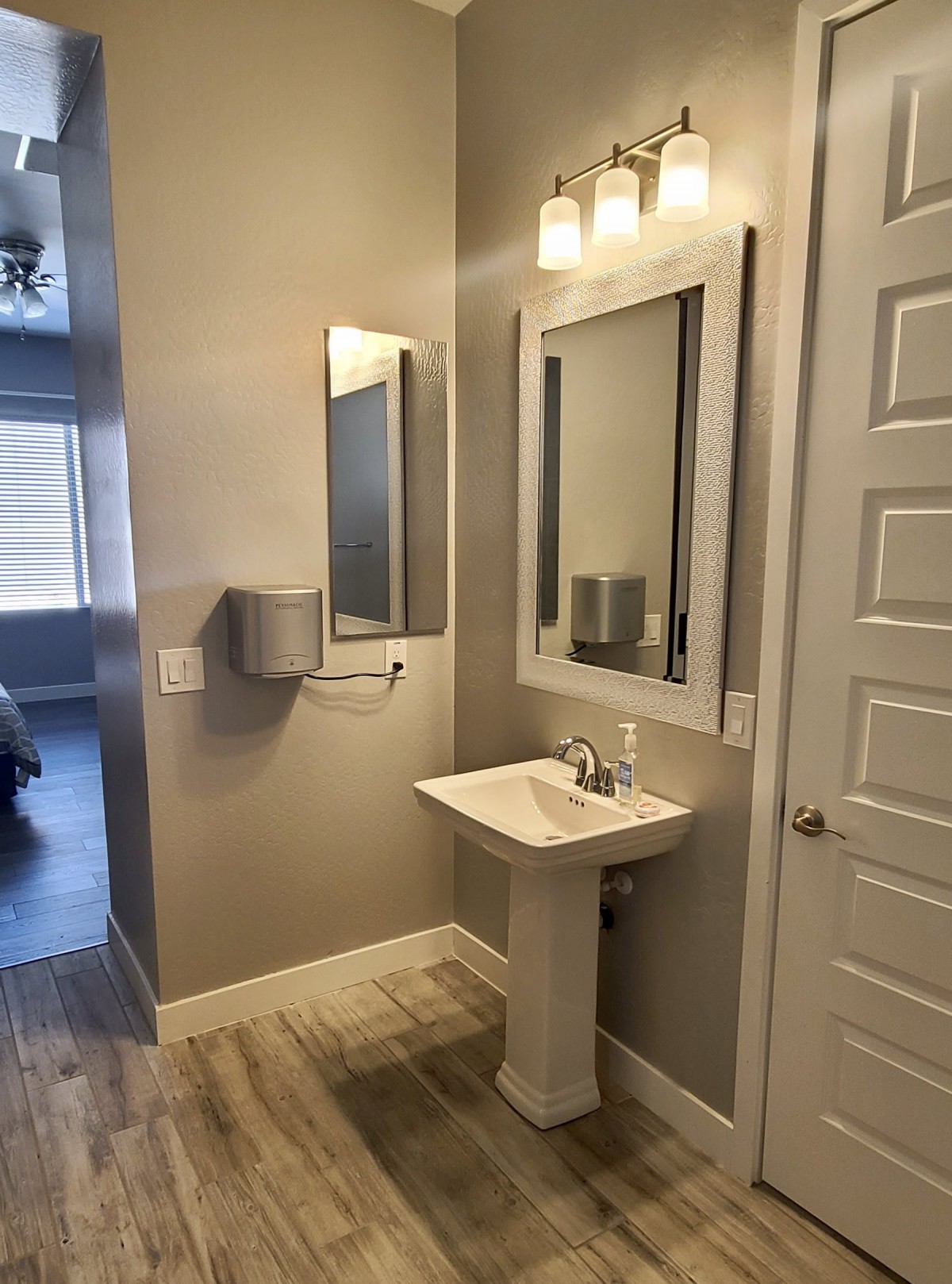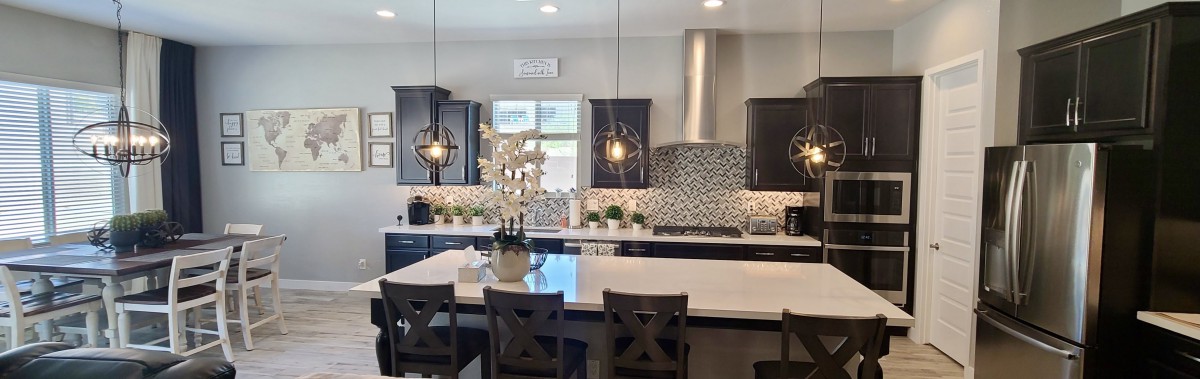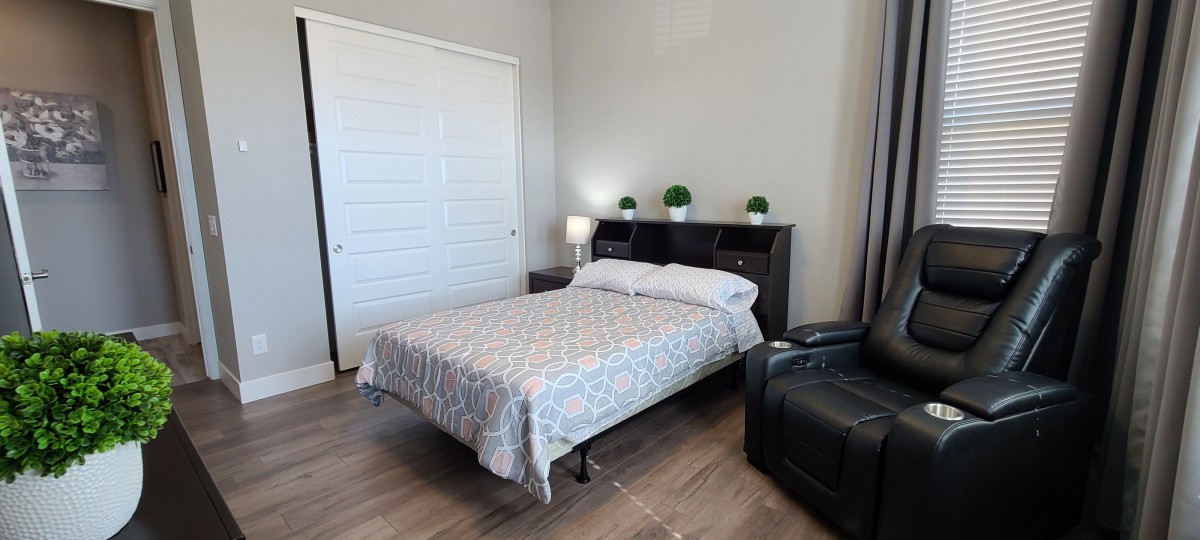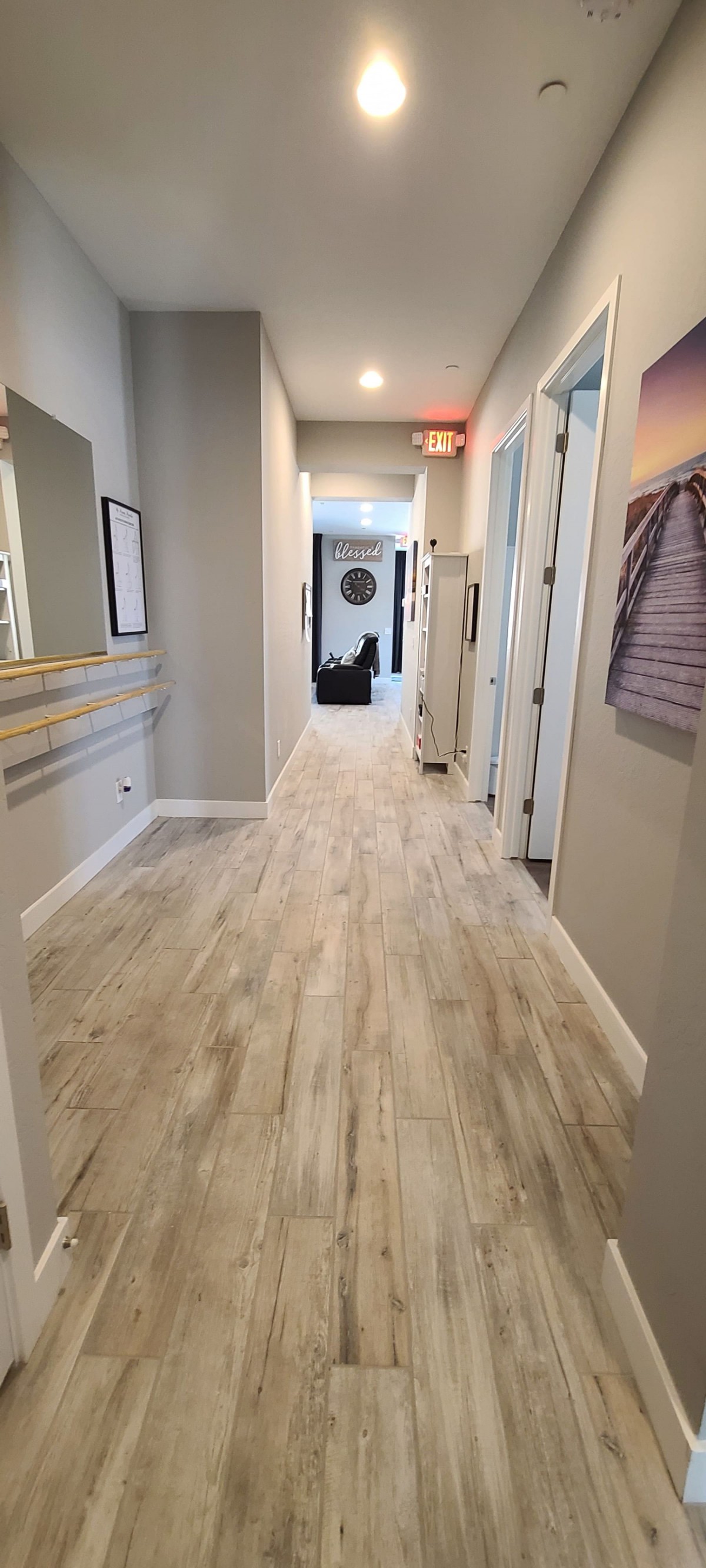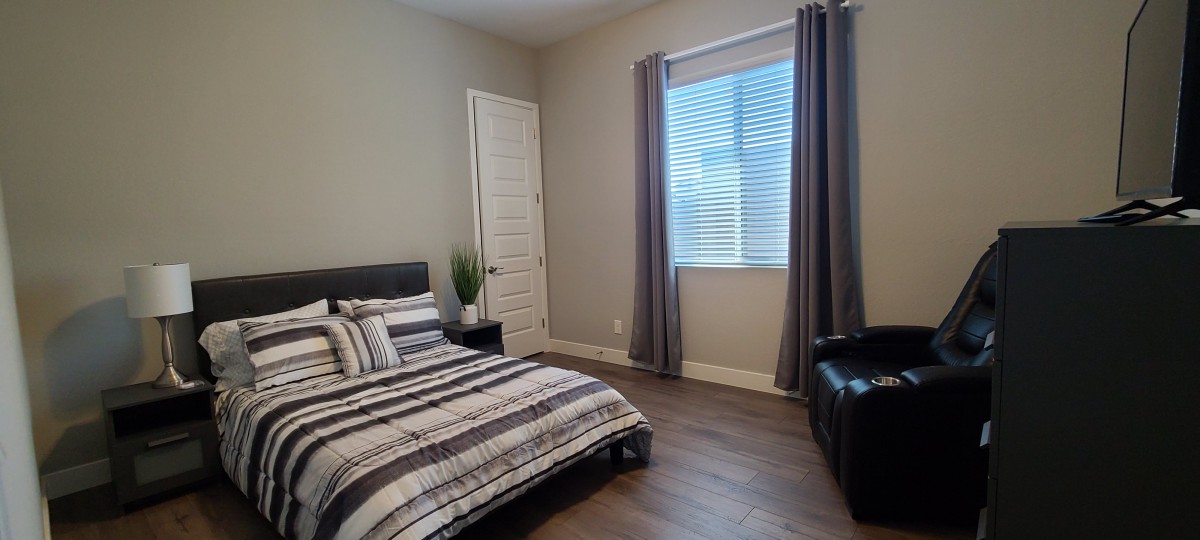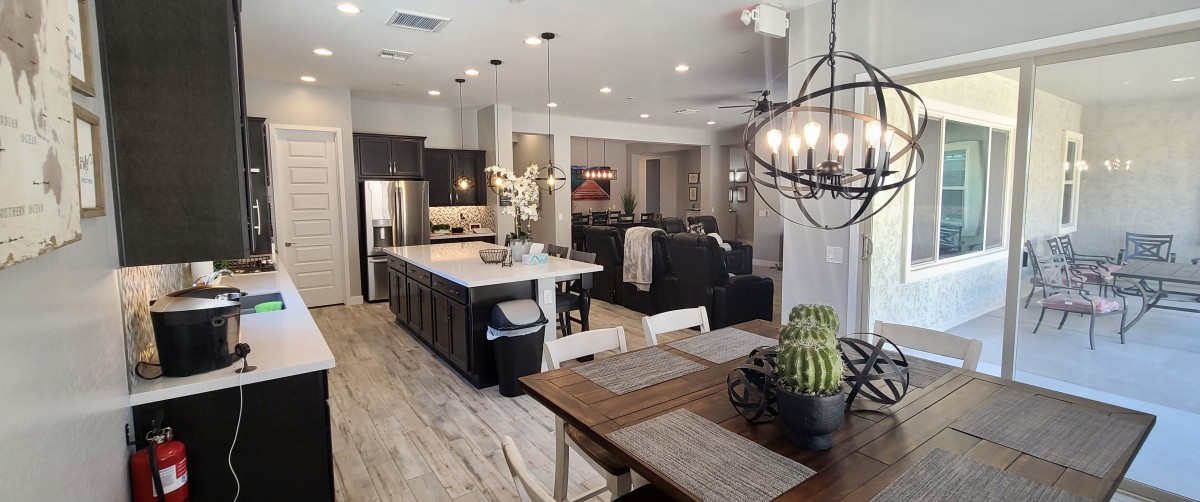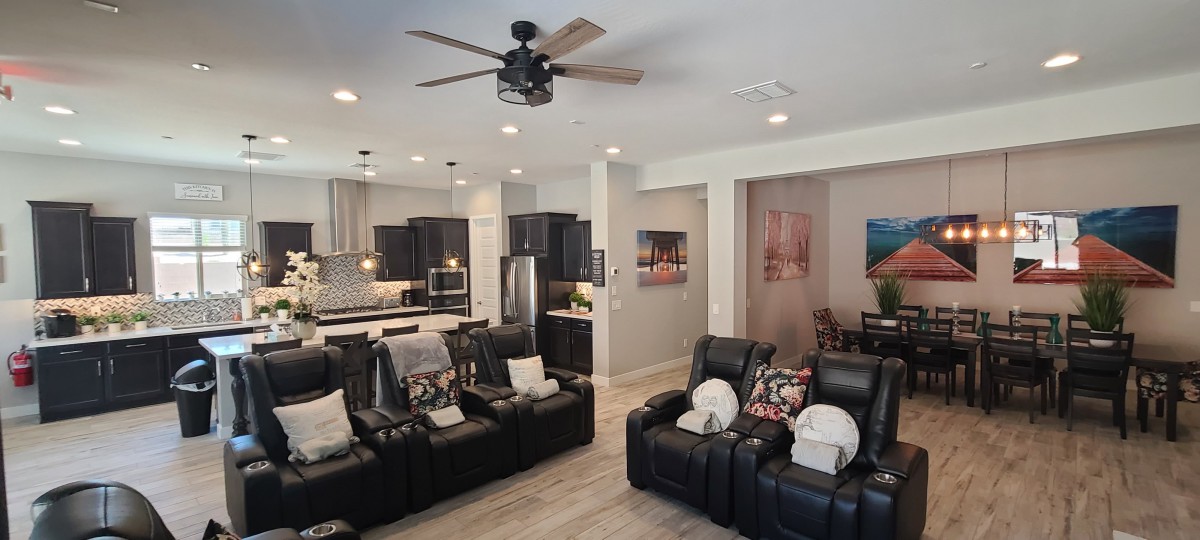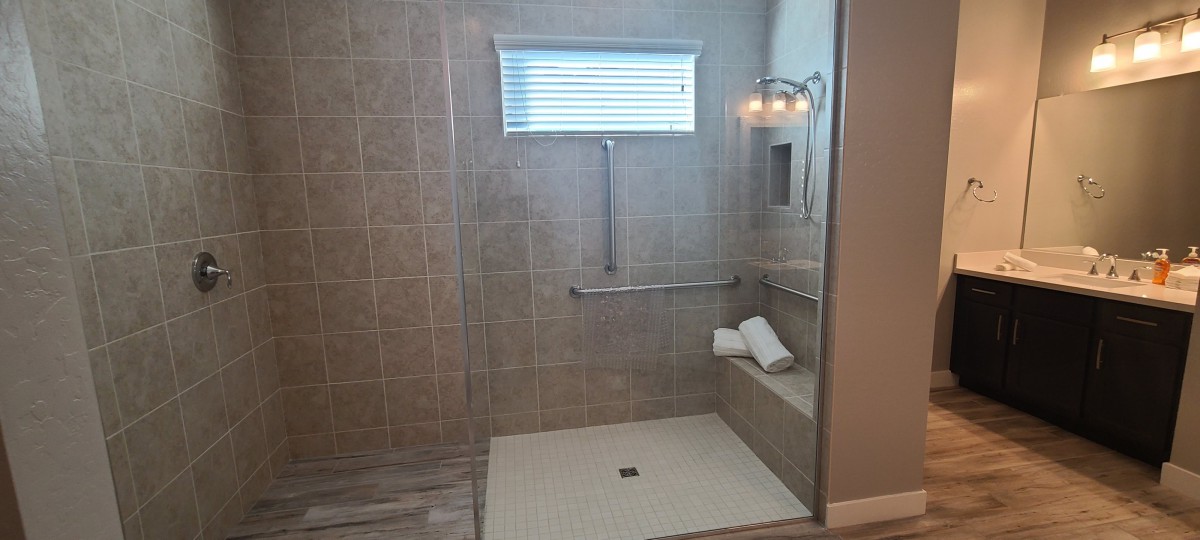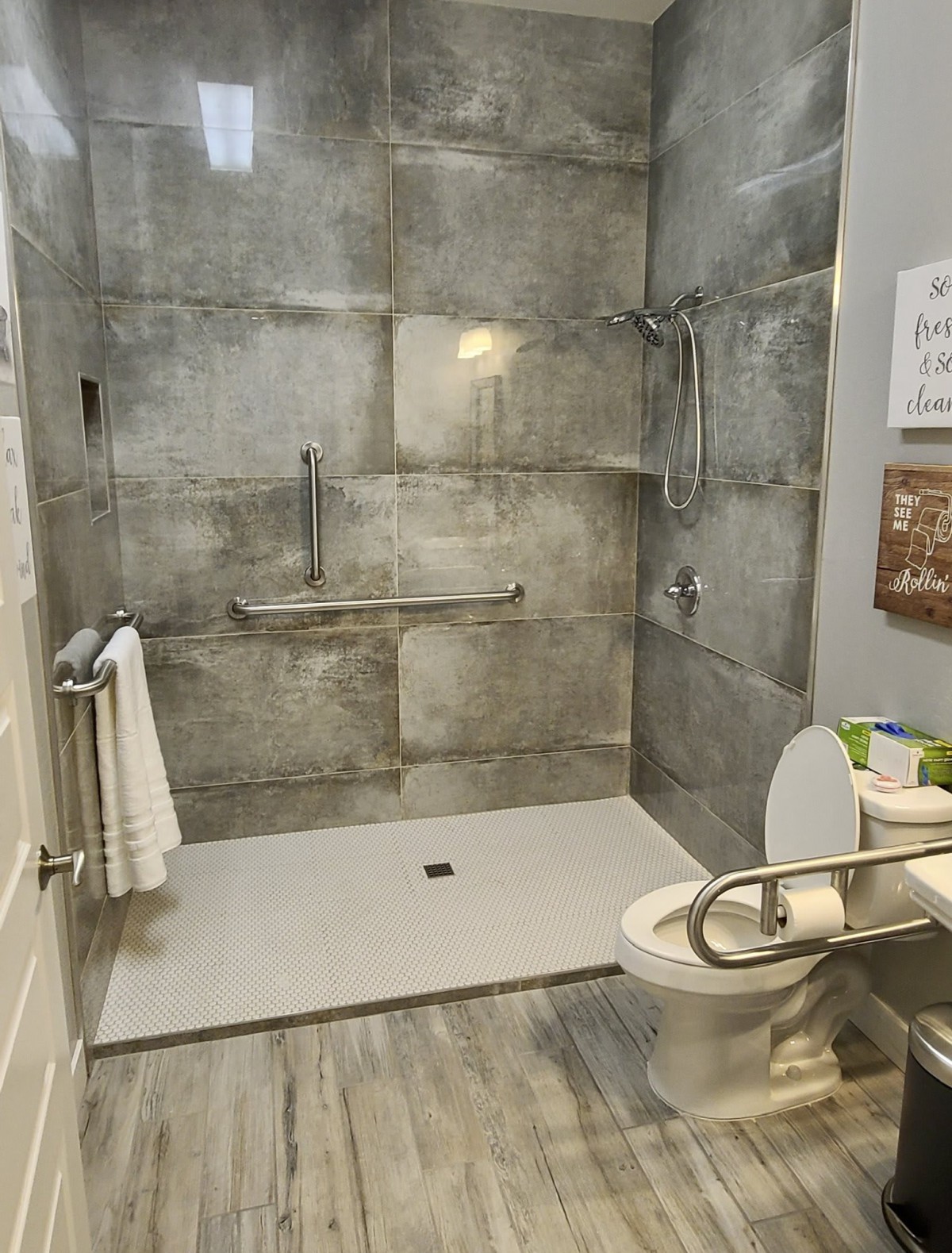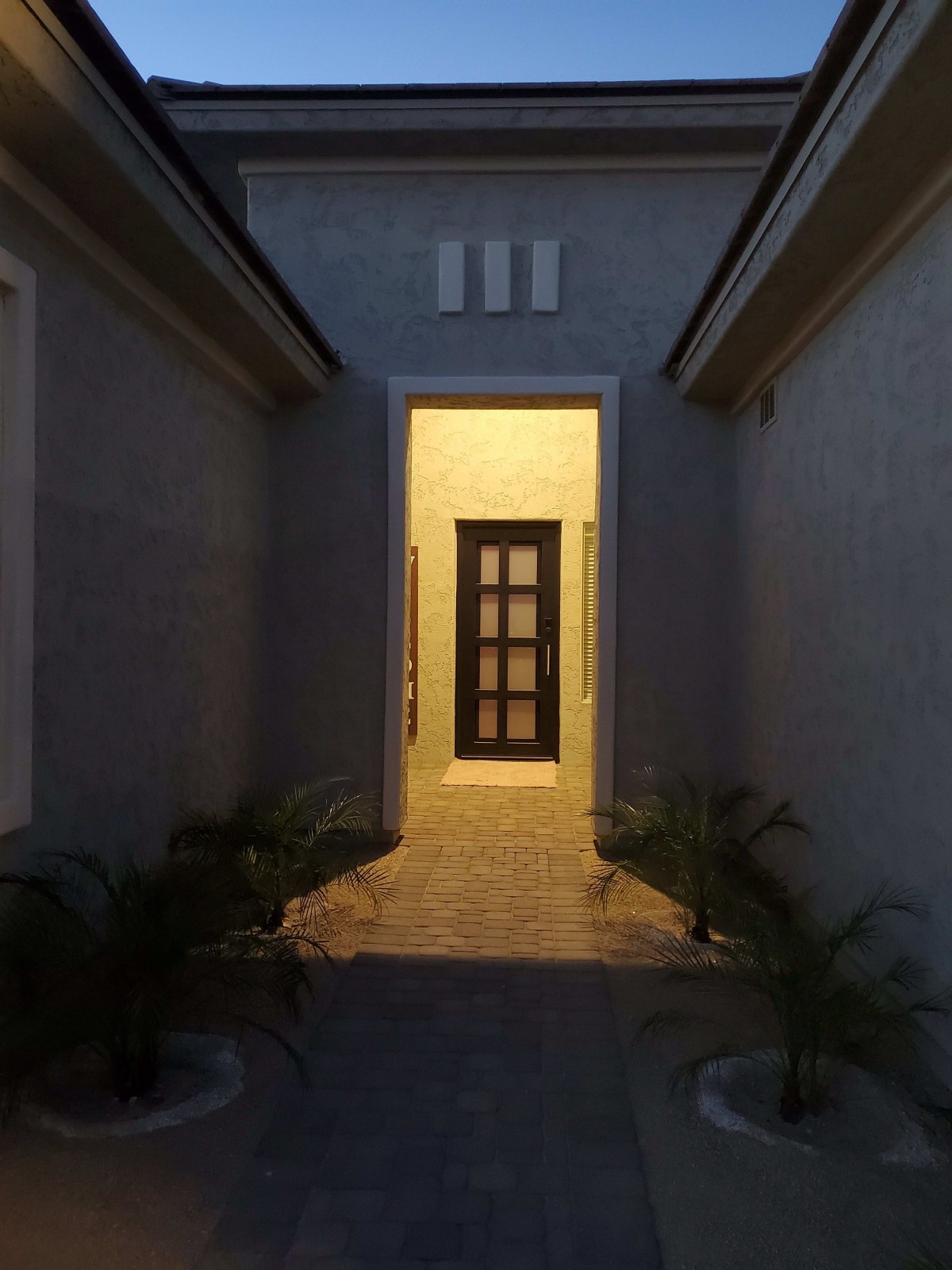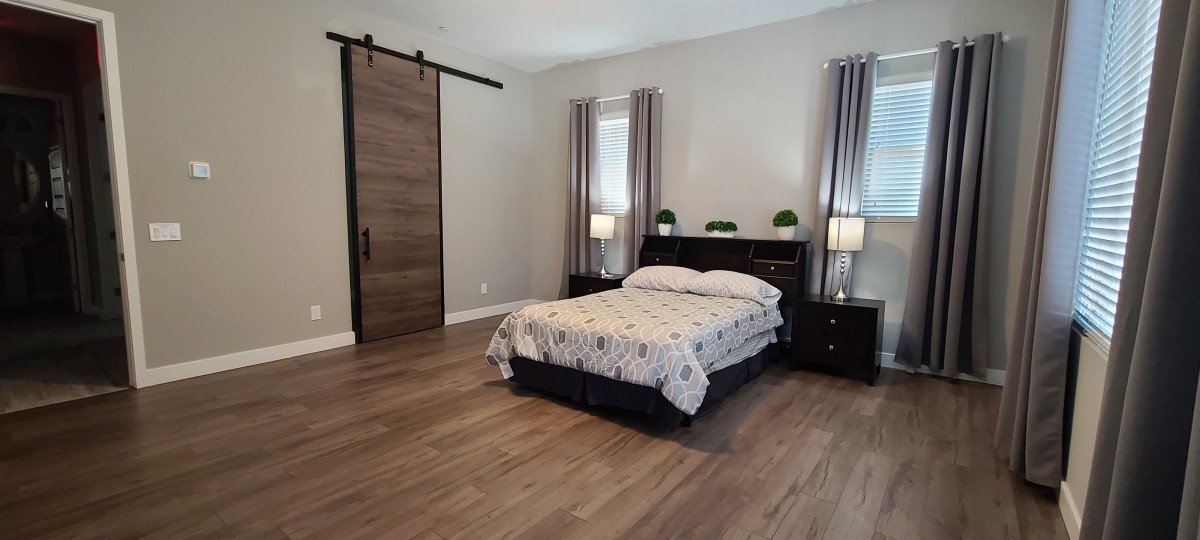
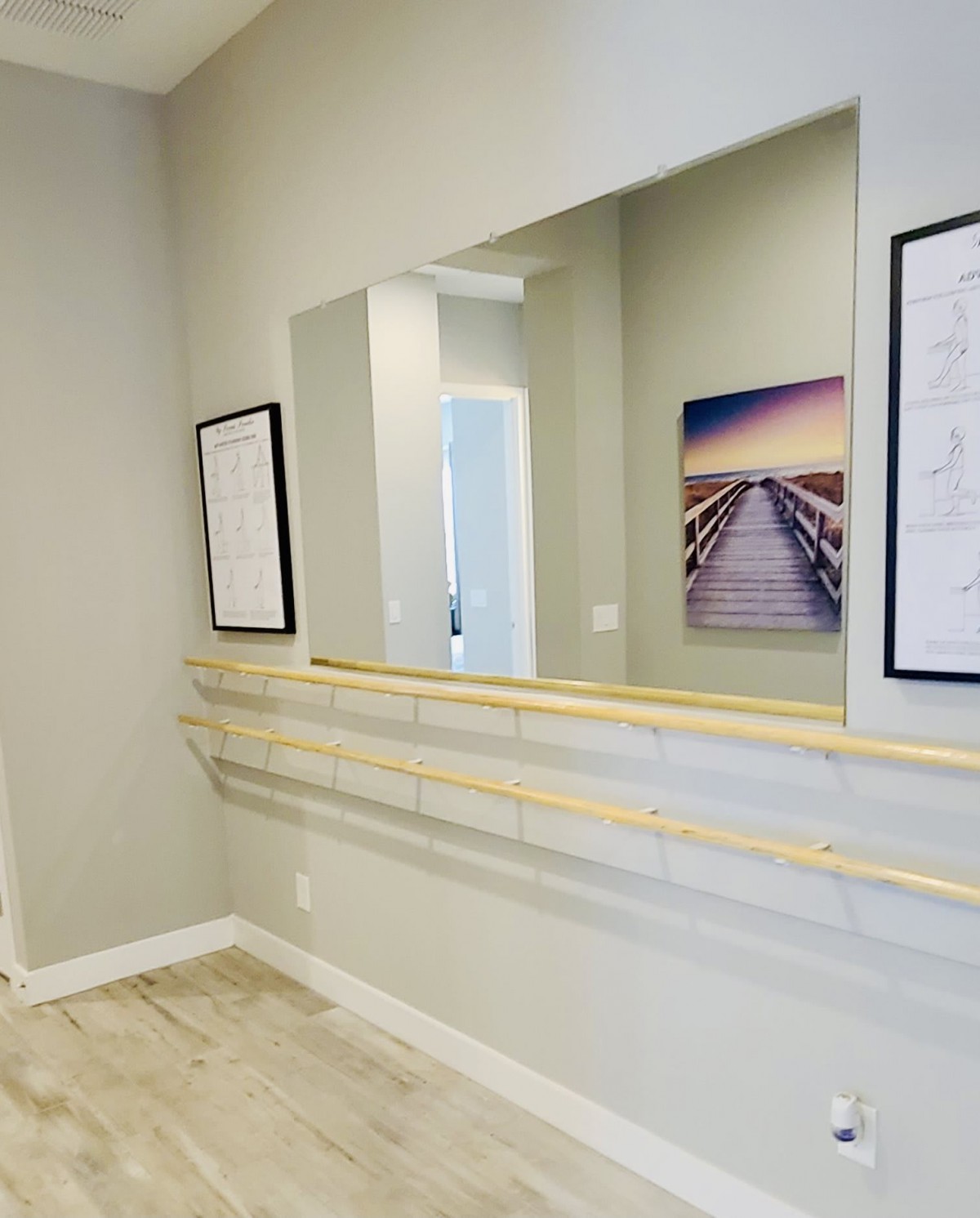
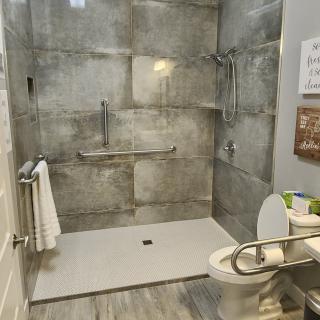
8838 West Brooklite Lane, Peoria, AZ 85383
For more information about senior living options: (866) 208-4318
My Parents Paradise at Montoro Preserve Costs & Pricing
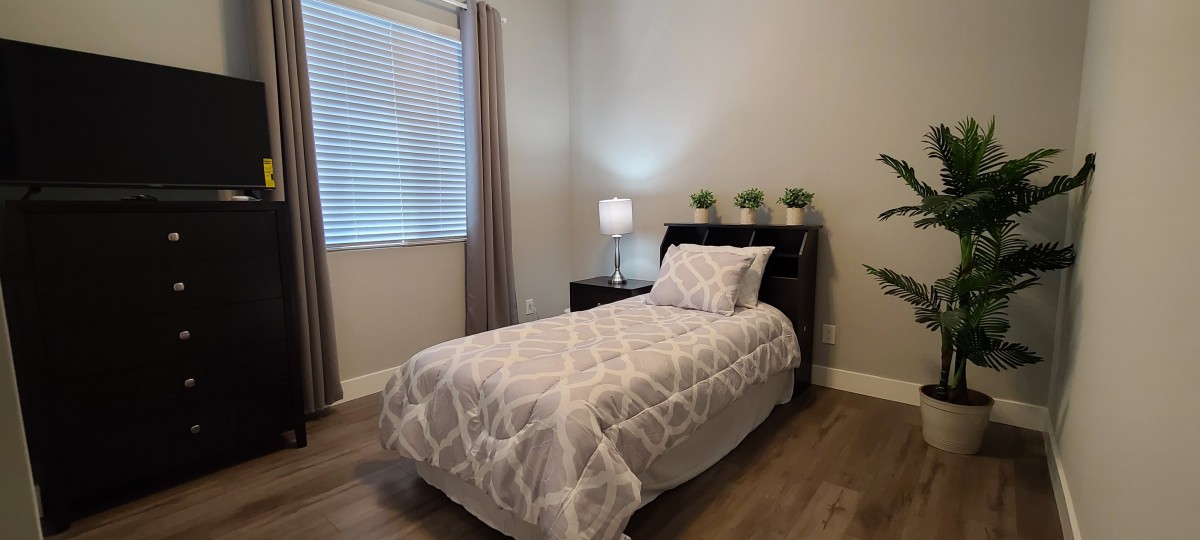
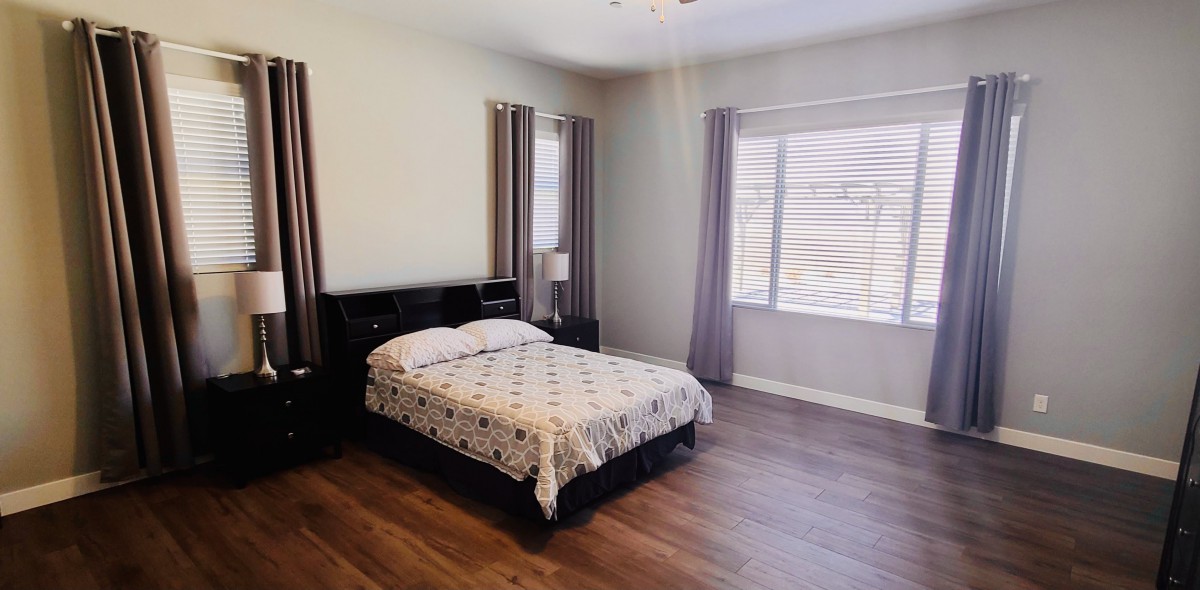
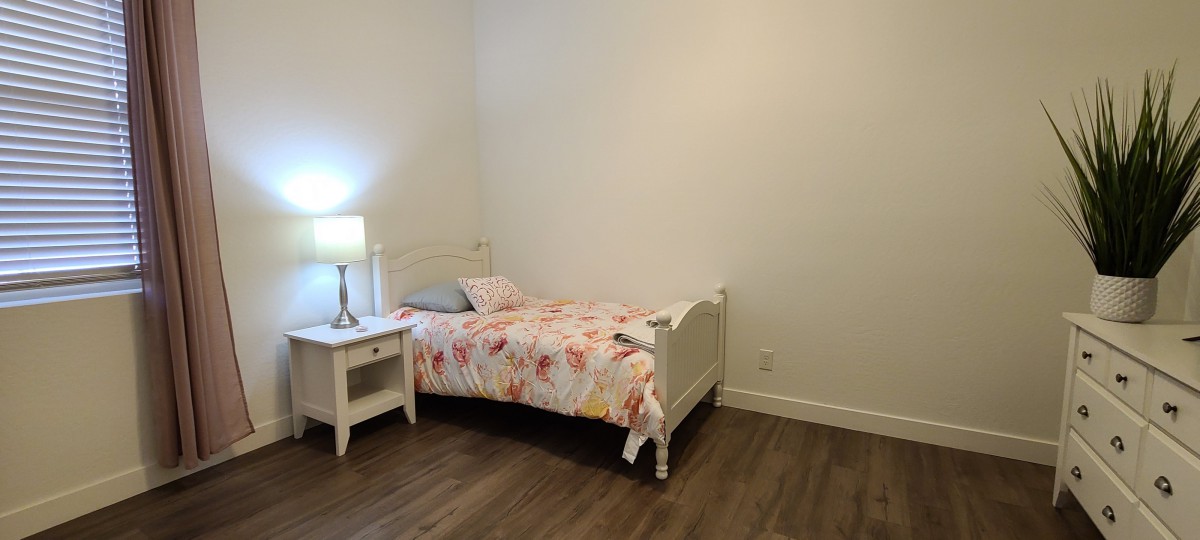
At My Parents Paradise at Montoro Preserve, the monthly costs for accommodations present a competitive option within the broader market of Maricopa County and Arizona. The semi-private room is priced at $2,700, which is slightly lower than both the county average of $2,801 and the state average of $2,820. For those seeking more privacy, the private room rate stands at $3,750; while this is higher than Maricopa County's average of $3,318 and Arizona's state average of $3,345, it reflects the additional amenities and care services offered by this facility. Overall, My Parents Paradise provides an appealing balance of affordability and quality care in comparison to regional benchmarks.
| Floor plans | My Parents Paradise at Montoro Preserve | Maricopa County | Arizona |
|---|---|---|---|
| Semi-Private | $2,700 | $2,801 | $2,820 |
| Private | $3,750 | $3,318 | $3,345 |
Assisted Living communities with a similar price nearby
-
from +$100 / mo
Pinnacle Peak Assisted Living
$2,800 to $3,100 / month19.5 miles away -
from +$200 / mo
Royal Paradise Care
$2,900 to $3,800 / month8.4 miles away -
from +$300 / mo
Bella Amore Assisted Living
$3,000 / month9.8 miles away -
from +$150 / mo

Covenant Care Assisted Living Home
$2,850 to $3,705 / month12.2 miles away -
from -$200 / mo
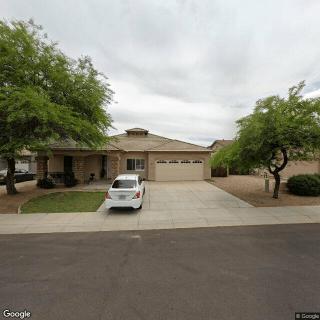
Anc Assisted Living Homes I
$2,500 to $3,500 / month13.3 miles away
Overall Review of My Parents Paradise at Montoro Preserve
Pros
 The staff provides one-on-one attention to residents and promptly informs families of any needs or medical issues.
- The owner goes above and beyond by visiting the family home to meet the mom and build trust.
- The facility arranges for doctors to visit the home, simplifying care for residents.
- The home is exceptionally clean and free of urine odors, unlike other facilities.
- The facility provides home-cooked meals and offers activities to keep residents engaged.
- The staff celebrates birthdays and decorates for holidays to make residents feel special.
- The staff is friendly and welcoming to families.
Review
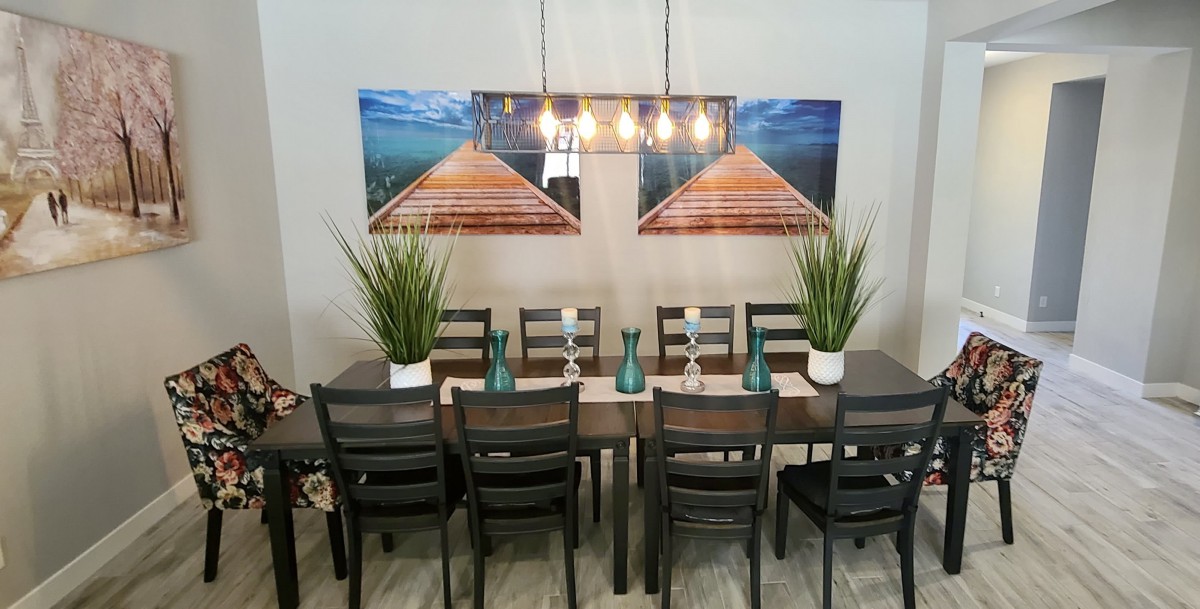
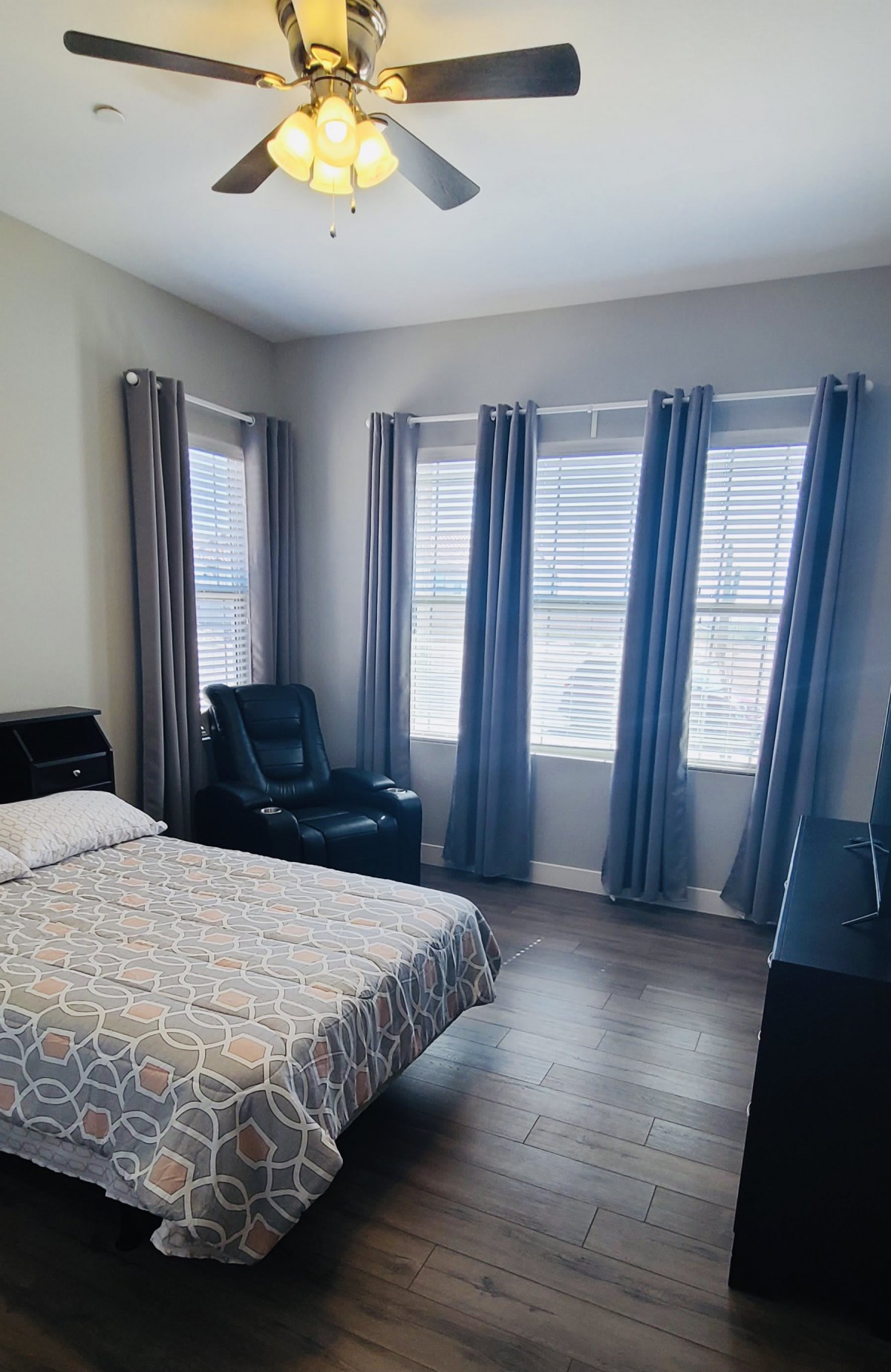
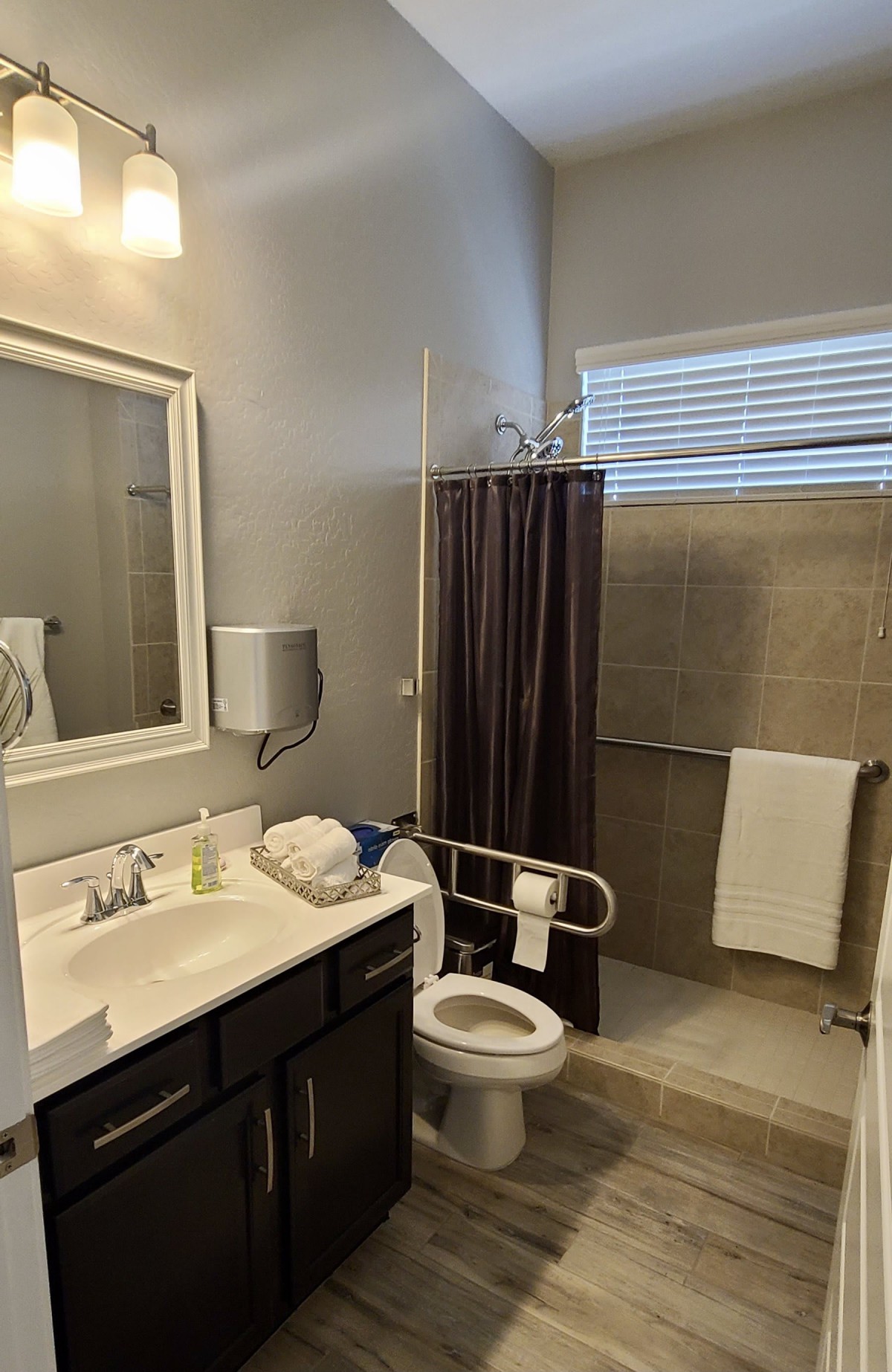
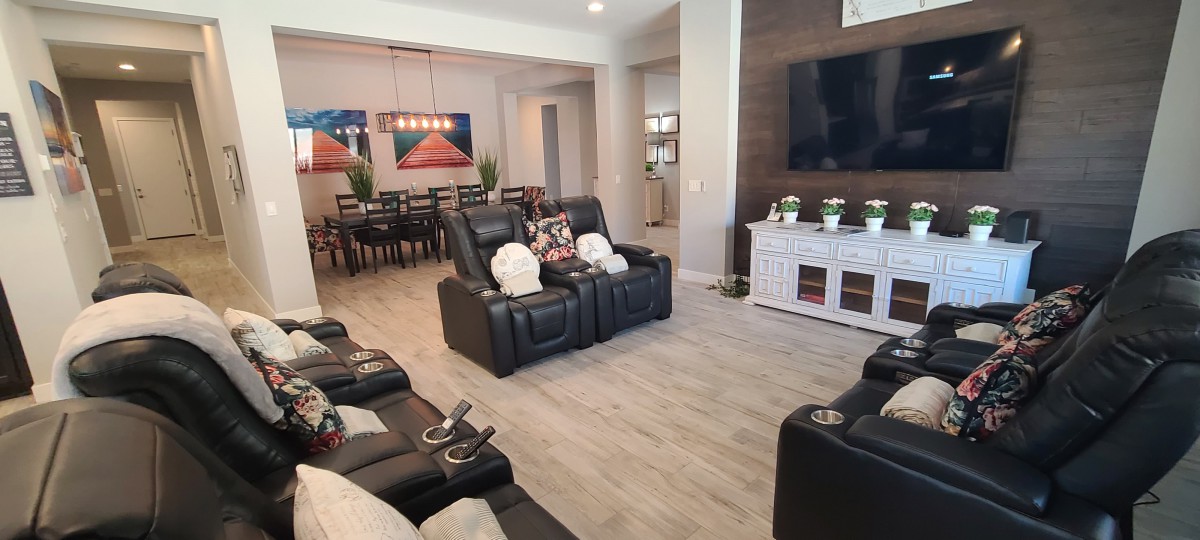
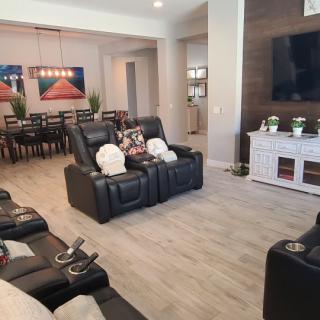
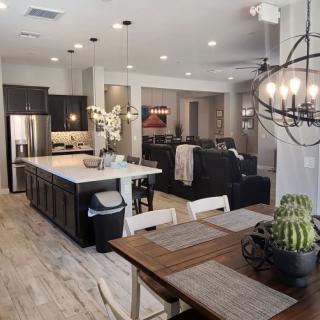
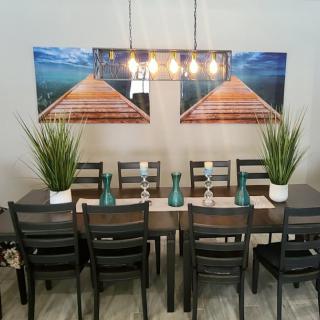
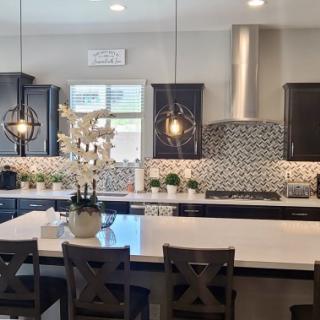
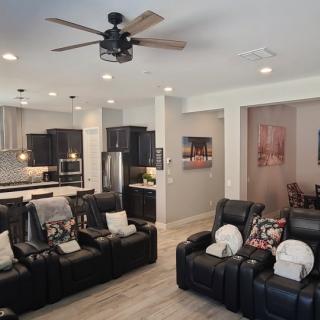
My Parents Paradise at Montoro Preserve in Peoria is best suited for families seeking a true home-like environment where an older adult receives exceptionally personalized attention. The community presents as a compact, owner-led residence rather than a sprawling campus, with the emphasis on treating each resident as an individual rather than a room number. The owner’s involvement is a defining feature: a warm, proactive welcome that often includes meeting the adult child and even visiting the family home to introduce Mom. This level of accessibility and hands-on oversight continues through daily life, where one-on-one attention and quick updates on any medical or daily needs help families feel secure and informed about care decisions.
Those seeking a large, highly structured facility or specialized memory-care programming may want to consider alternatives. The reviews reveal a setting that prioritizes intimate interaction over formalized routines or hospital-like amenities. Families with residents who require around-the-clock skilled nursing, extensive medical supervision, or highly regimented activities in a memory-care framework may find the scale and resources of bigger campuses more appropriate. This is not a setting built around a heavy clinical footprint; it thrives on immediacy, warmth, and a flexible, family-style approach to daily life.
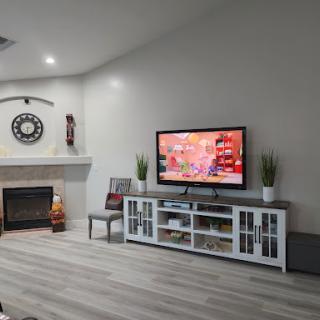
The strongest pros, personalized care, constant accessibility, and a clean, home-like environment, almost perfectly offset the absence of a large care staff. Residents enjoy one-on-one attention that makes daily tasks feel manageable and reassuring updates when health needs arise. On-site medical support comes in the form of doctors visiting the home, which minimizes transitions and reduces family stress around scheduling and transportation. The facility’s cleanliness and lack of institutional odors reinforce a sense of comfort and safety, while home-cooked meals and engaging activities keep residents connected to regular routines and meaningful engagement.
Beyond routine care, the human center of gravity here is the staff and the owner, notably Sylvia, who emerges in multiple testimonials as the reliable, nurturing force behind daily operations. Residents are warmly greeted, and the care culture shows in the way birthdays are celebrated and holidays are decorated to create moments of normalcy and dignity. The approach to activities, simple, purposeful, and tailored to individual interests, ensures that participation feels voluntary and enjoyable rather than a checkbox in a calendar. This attention to personal history and preferences translates into consistent, practical benefits for daily quality of life.
Families weighing decisions should consider practical factors that influence day-to-day life. Proximity to medical providers is a strength, given the house-call model; flexibility in scheduling and updates matters when a resident’s needs shift. The intimate setting often means more responsive communication and less wait time for questions or concerns. However, the same intimacy can translate into a smaller pool of on-site resources if a complex medical issue arises, so for some, the lack of a large, formal care team may feel limiting. Cost dynamics, available private space, and the capacity for certain therapies or services should be clarified in advance to ensure the fit aligns with long-term expectations.
In the end, My Parents Paradise at Montoro Preserve stands out for families who prize warmth, personalized attention, and a home-like cadence of daily life. It is an excellent choice when the priority is close-knit care, frequent updates, and an environment that treats seniors with consistent dignity and celebratory moments. It is less suited for those who require hospital-level medical infrastructure, intensive memory-care programming, or the certainty of a large, resource-rich campus. For families evaluating options, a visit to observe interactions, speak with Sylvia directly, and meet current residents will reveal whether the balance of care, intimacy, and practicality aligns with the elder’s evolving needs.
 10 resident community capacity
 Assisted Living
 Board and Care Home
 Cats allowed
 Dogs allowed
 Activities off-site
 Air-conditioning
 Bath tubs
 Beautician on-site
 Cable or satellite TV
 Devotional services off-site
 Dining room
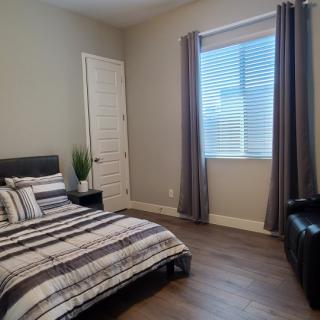
 Fully furnished
 Garden
 Ground floor units
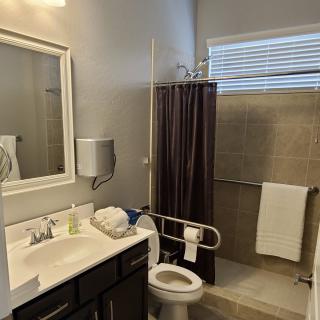
 Handicap accessible
 Housekeeping services
 Indoor common areas
 Move-in coordination
 Outdoor common areas
 Private
 Private bathrooms
 Respite or short term stays offered
 Telephone
 Wheelchair accessible showers
 Wi-Fi/high-speed internet available
 Phoenix Sky Harbor International (24 miles away)
 24-hour supervision
 Assistance with bathing
 Assistance with dressing
 Assistance with transfers
 Diabetes diet
 Diabetic care
 High acuity care
 Incontinence care
 Meal preparation and service
 Medication management
 Special dietary restrictions
 Transportation arrangement (medical)
 Transportation to doctors appointments
 Art classes
 Catholic services
 Cooking classes
 Jewish services
 Live well programs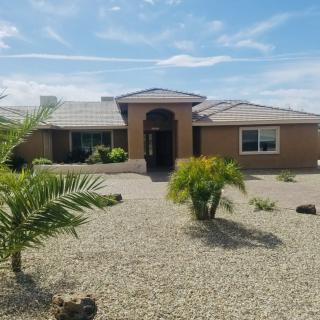
 8 Key Indicators That Suggest It May Be Time to Transition from Assisted Living to Skilled Nursing Care
 Vibrant Senior Living: A Comprehensive Guide for Active Older Adults
 When to Transition from Assisted Living to Memory Care: Key Indicators, Steps, and Finding the Right Community