
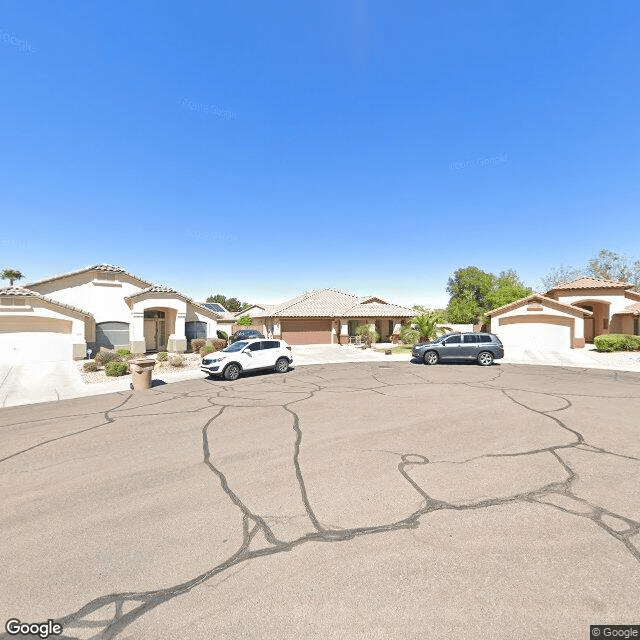
20978 North 99th Drive, Peoria, AZ 85382
To contact a resident: (602) 872-8315
For more information about senior living options: (866) 208-4318
Parkridge Assisted Living Costs & Pricing
At Parkridge Assisted Living, the monthly cost for a private room is set at $3,800, which positions it above both the county and state averages. In Maricopa County, the typical expense for similar accommodations is approximately $3,318, while Arizona as a whole sees an average of around $3,345 per month. This pricing reflects not only the quality of services and amenities offered by Parkridge but also suggests that residents may benefit from enhanced levels of care and comfort compared to lower-priced alternatives in the region. While costs are a crucial factor in decision-making for families seeking assisted living options, it's important to consider the comprehensive support and community environment that Parkridge provides alongside its pricing structure.
| Floor plans | Parkridge Assisted Living | Maricopa County | Arizona |
|---|---|---|---|
| Private | $3,800 | $3,318 | $3,345 |
Senior living communities with a similar price nearby
-
from -$150 / mo

SeniorBridge - Scottsdale, AZ
$3,650 / month22.7 miles away -
from -$300 / mo
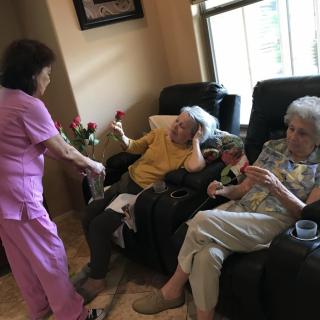
A Paradise for Parents Campbell Avenue
$3,500 to $4,500 / month13.6 miles away -
About the same
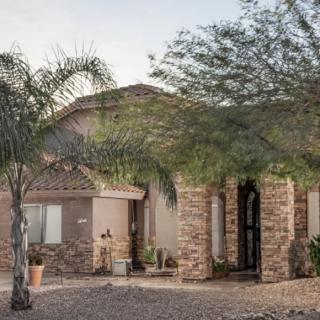
Endeavor AL III
$3,700 to $4,000 / month18.1 miles away -
from -$300 / mo
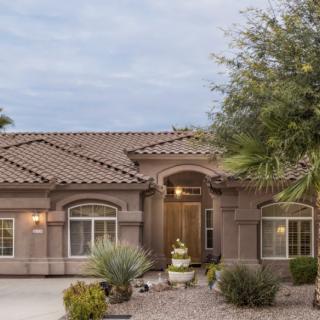
Endeavor AL II
$3,500 to $4,000 / month17.8 miles away -
from +$200 / mo
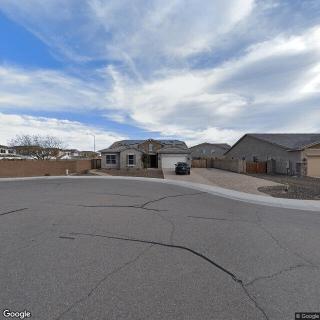
AZ Life Assisted Living Home II
$4,000 / month1.9 miles away
Overall Review of Parkridge Assisted Living
Pros
 The caregivers Jeron and Marvin provide the utmost care.
- Marvin was amazing to the family and to Dad Dale, making him feel at home and keeping them informed of changes.
- Marvin made Dad Dale's last months very comfortable and pleasant.
- The owner is described as an amazing lady who cared for him like her own father.
- The staff and service are exceptional, and the facility is very clean.
- Parkridge Assisted Living is a beautiful home with warm, caring people who understand individual needs and treat residents with dignity and friendship.
- The facility monitors vitals and provides great health care.
- The staff treat visitors like family.
- The owners are wonderful and have made their mother feel comfortable and at home.
Cons
 The move was very difficult for the reviewer’s mother and left her very confused.
- Staff reportedly called 911 and transferred the mother to Arrowhead Emergency, and did not want her back until she slept.
- The next morning they again called 911 and transferred her to Banner, while she remained dehydrated.
- The deposit was withheld and funds were not reimbursed, forcing a long fight to get the money back.
- They warned that a family member with a severe diagnosis should not be taken there.
- The price was described as a little pricey and visiting hours were limited.
- The staff were said to have no clue how to take care of her.
Review
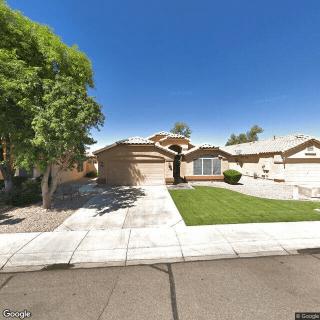
Parkridge Assisted Living in Peoria is best suited for seniors who want a compact, home-like setting where caregivers know residents by name and the owner leads with hands-on warmth. The community feels like a private residence rather than a clinical campus, with around 10 residents, private rooms, and inviting outdoor spaces that encourage residents to enjoy birds, plants, and fresh air. It is especially well-matched for individuals with memory challenges who benefit from a calm, predictable routine and daily reassurance from caregivers who treat residents like family. Families gain real peace of mind from caregivers who consistently communicate changes, and from in-house health monitoring that supports steady oversight during aging and end-of-life transitions.
That said, Parkridge is not for every situation. For elders with significant medical complexity requiring round-the-clock skilled nursing, or for those needing highly structured programming and abundant on-site medical resources, alternatives may be preferable. The intimate, small-scale model means fewer formal activities and fewer medical resources than bigger campuses. Visiting-hour flexibility can be tighter than some families expect, which complicates logistics for those juggling work and caregiving responsibilities. A few reviews highlight concerns around handling acute illness or transitions, and there are cautions about deposit practices and discharge decisions, underscoring the need for careful contract review before committing. Those with severe dementia or challenging behaviors may encounter gaps if the care plan requires services beyond what a small home can reliably provide.
The strongest draw is the staff-driven, family-feeling environment. Residents benefit from a setting that operates like a well-run home: spotless, well-maintained rooms, and a calendar of engaging activities designed to be meaningful without overwhelming. The owner’s hands-on leadership translates into quick problem-solving, transparent updates, and a sense that safety and dignity are non-negotiables. Families repeatedly report feeling included and reassured by timely notes about health changes and vitals, a critical factor when a loved one’s condition is fragile. The combination of attentive caregivers, a predictable routine, and outdoor spaces that invite calm and social interaction creates a quality of life that many families prioritize over larger-but-less-personal amenities.
However, price is a persistent factor. Several reviewers describe Parkridge as a bit pricey for the size and scope of offerings, and others point to a relatively rigid structure that can feel limiting. Some guests expect more flexible visiting hours, especially for families with irregular schedules. There are isolated experiences regarding transitions or deposit issues, which emphasize the importance of clear, written policies and open communication before enrollment. These cautions do not negate the overall value, but they do remind prospective residents and families to align expectations with the community’s model and to clarify financial and operational terms up front.
The pros offset the cons most effectively when the decision centers on a close-knit, compassionate environment that honors individuality. For families prioritizing emotional well-being, continuity of care, and dementia-friendly support delivered with warmth and dignity, Parkridge delivers far beyond a simple placement. The small scale fosters genuine relationships, while the in-house health monitoring adds a reassuring layer of safety. The ability to maintain daily routines in a home-like setting, rather than a sterile, impersonal campus, often translates into steadier mood, better engagement, and less relocation stress for residents and families alike. Where limitations exist, they are most pronounced in breadth of programming and medical resources, not in the fundamental compassion and reliability of caregiving.
Bottom line: Parkridge Assisted Living stands out for families seeking a warm, intimate, home-like environment with exceptional caregiver engagement and a clearly invested owner. It is a strong match for residents who need steady supervision, meaningful companionship, and dementia-friendly care conducted with dignity and personal attention. Those prioritizing cost, expansive medical services, or a wide menu of structured activities should explore alternatives. Prospective buyers should schedule a thorough tour, ask pointed questions about caregiver-to-resident ratios, dementia-care capabilities, and contract terms (including deposits and notice to vacate). When the resident’s needs align with the community’s strengths, personalized care, reliable communication, and a nurturing home atmosphere, Parkridge becomes more than a residence; it becomes a trusted, comfortable home for aging years.
 Board and Care Home
 Activities off-site
 Bath tubs
 Beautician on-site
 Devotional services off-site
 Indoor common areas
 Outdoor common areas
 Private
 Private bathrooms
 Respite or short term stays offered
 Swimming pool / hot tub
 Wheelchair accessible showers
 Phoenix Sky Harbor International (23 miles away)
 Ambulatory care
 Diabetic care
 High acuity care
 Incontinence care
 Kosher


 8 Essential Assistive Devices for Older Adults
 Navigating the Financial Road to Nursing Home Care: In-Depth Guidance and Resources
 Supportive Employee Benefits That Help Caregivers Attain Better Work-Life Harmony