
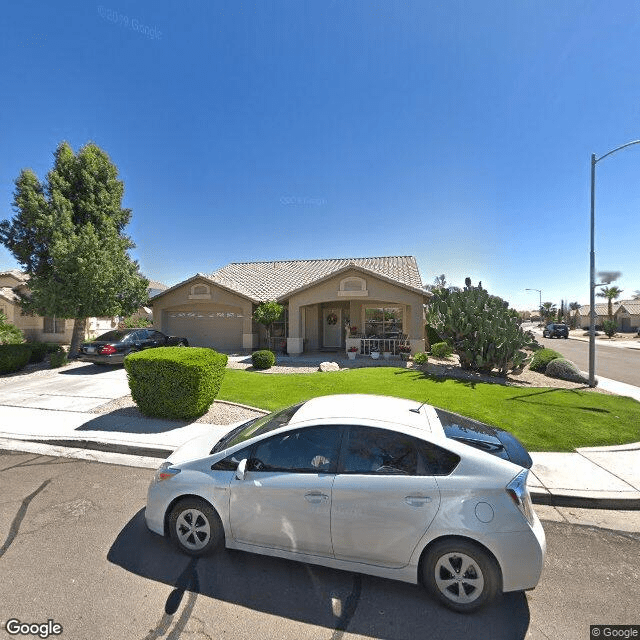
20817 North 101St Lane, Peoria, AZ 85382
For more information about senior living options: (866) 208-4318
Overall Review of West Valley Care Home II
Pros
 The home is clean and the staff is friendly.
- The staff are caring and attentive to the residents.
- The staff paint residents' nails to make them feel cared for.
- The home hosts birthday parties for residents with cake and ice cream.
- The meals are homemade, nutritious, and tasty, with trained medical professionals available and an on-call doctor.
- The home makes residents feel safe, secure, and at home.
Cons
 They mistreat their residents.
- One would not place a loved one in this place.
- The facility is not a reputable business.
- The home is a horrible facility.
- A resident suffered from no care.
- A resident's nails were dirty when she went to the hospital.
- Staff wore booty shorts.
- Staff members were always smoking.
- Families should not send their loved ones there.
Review
West Valley Care Home II in Peoria is best suited for families seeking a small, home-like assisted living environment where caregivers personally know residents, offer attentive daily support, and foster a sense of normalcy through routine, social activities, and home-style meals. This community tends to appeal to those who want a intimate setting with hands-on staff engagement, opportunities to celebrate residents’ milestones, and the feeling that residents are treated like family rather than numbers. It is not the right choice for families prioritizing aggressive clinical oversight, robust safety systems, or highly structured, clinical care plans.
Those who should consider alternatives are families with solid safety or quality-of-care concerns, or those needing higher-level medical management on a consistent basis. If memory-care needs, frequent skilled nursing interventions, or strict supervision are non-negotiable, other facilities with larger staffs, formal protocols, and documented abuse-prevention measures may serve better. Prospective residents who require stringent dress codes for staff, strict smoking policies, or verifiable, ongoing professional oversight should approach with caution and seek options with transparent monitoring and licensure history.
The most compelling positives here are a tangible sense of cleanliness and hominess paired with caregivers who appear genuinely engaged. The environment described by longtime visitors suggests staff who are friendly, attentive, and willing to participate in meaningful routines, nail care, birthday celebrations, and regular, nourishing meals that feel homemade. The presence of trained medical professionals and on-call physicians adds a crucial layer of medical accessibility that can translate into timely responses for routine concerns or comfort-focused care, reinforcing the impression that residents are cared for with consideration and warmth. In a setting this intimate, such elements can translate into meaningful daily quality of life for many residents.
However, the reported negatives are serious and cannot be dismissed. Accounts of mistreatment and neglect, including allegations of insufficient care and even hospital visits prompted by inadequate attention to residents’ needs, signal substantial red flags. Complaints about staff attire, such as inappropriate shorts, and visible smoking by workers touch on fundamental questions of professionalism, safety, and a respectful, dignified care environment. While these reports come from a small sample, their gravity demands caution. They underscore that a positive day-to-day impression can coexist with deeper, systemic issues if not consistently addressed across the entire staff.
Balancing the pros against the cons points to a clear, practical approach for families. If a trial admission or a carefully supervised visit confirms a consistently warm, hands-on staff culture, clean and comfortable surroundings, solid meal quality, and dependable medical access, West Valley Care Home II can be a compelling fit for a certain resident profile. But the serious, corroborated concerns raise the stakes for due diligence: insist on unannounced visits, meet multiple caregiving staff and managers, review incident and care-planning processes, and verify licensing and complaint history with state agencies. For families prioritizing safety, dignity, and relentless consistency, exploring alternatives with stronger oversight and broader clinical resources is prudent. The decision should hinge on whether the home-like atmosphere can be reliably sustained with verifiable, everyday assurances of quality and respect.
 10 resident community capacity
 1-bedroom apartments
 Assisted Living
 Board and Care Home
 Cable or satellite TV
 Dining room
 Fully furnished
 Garden
 Housekeeping services
 Move-in coordination
 Outdoor space
 Telephone
 Wi-Fi/high-speed internet available
 Phoenix Sky Harbor International (23 miles away)
 24-hour supervision
 Activities of daily living assistance
 Assistance with bathing
 Assistance with dressing
 Assistance with transfers
 Diabetes diet
 Meal preparation and service
 Medication management
 Special dietary restrictions
 Transportation arrangement (medical)
 Transportation to doctors appointments







 Assisted Living Support for Veterans: A Complete and Detailed Overview
 Exploring the Contrasts Between Assisted Living and Skilled Nursing
 8 Key Indicators That Suggest It May Be Time to Transition from Assisted Living to Skilled Nursing Care