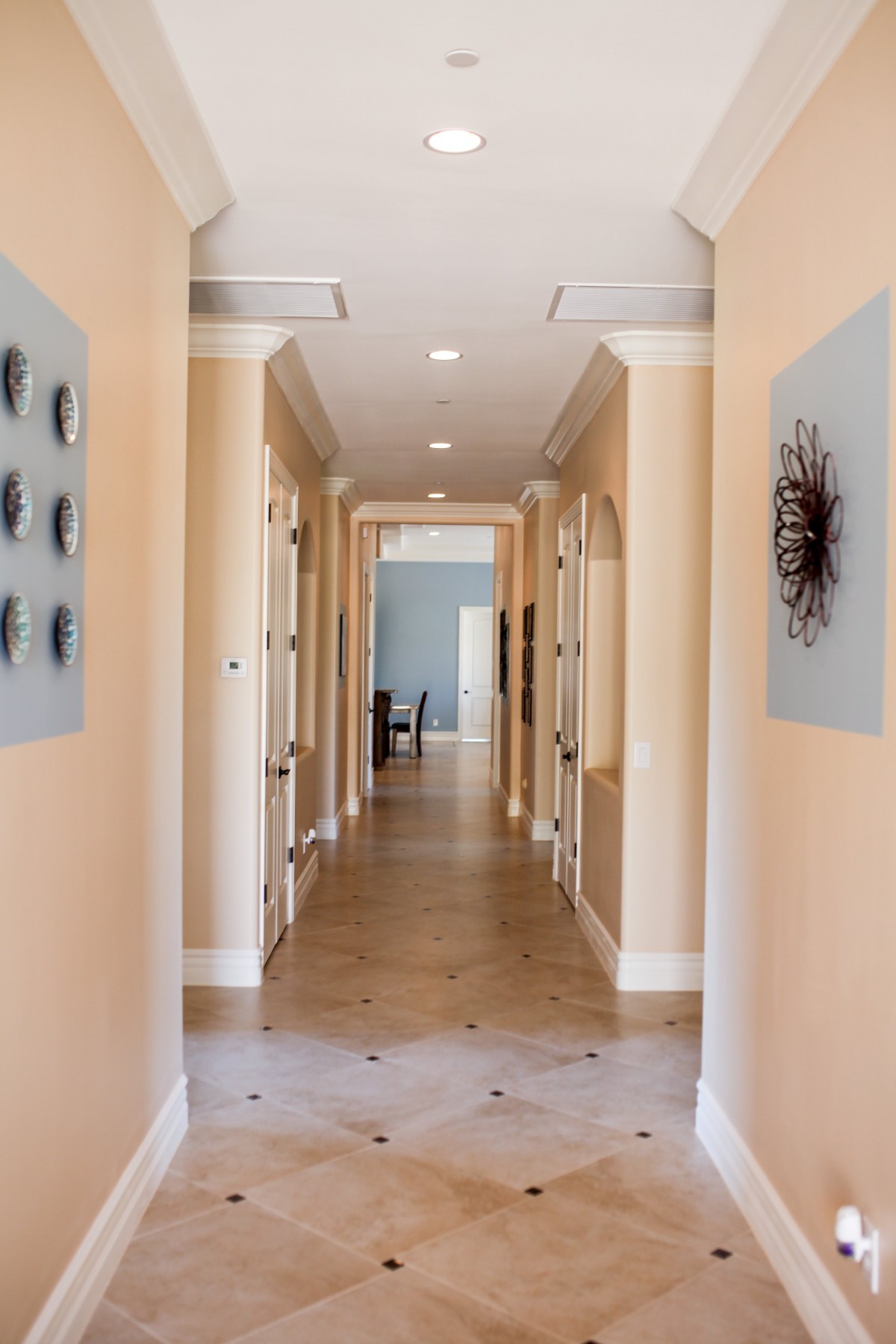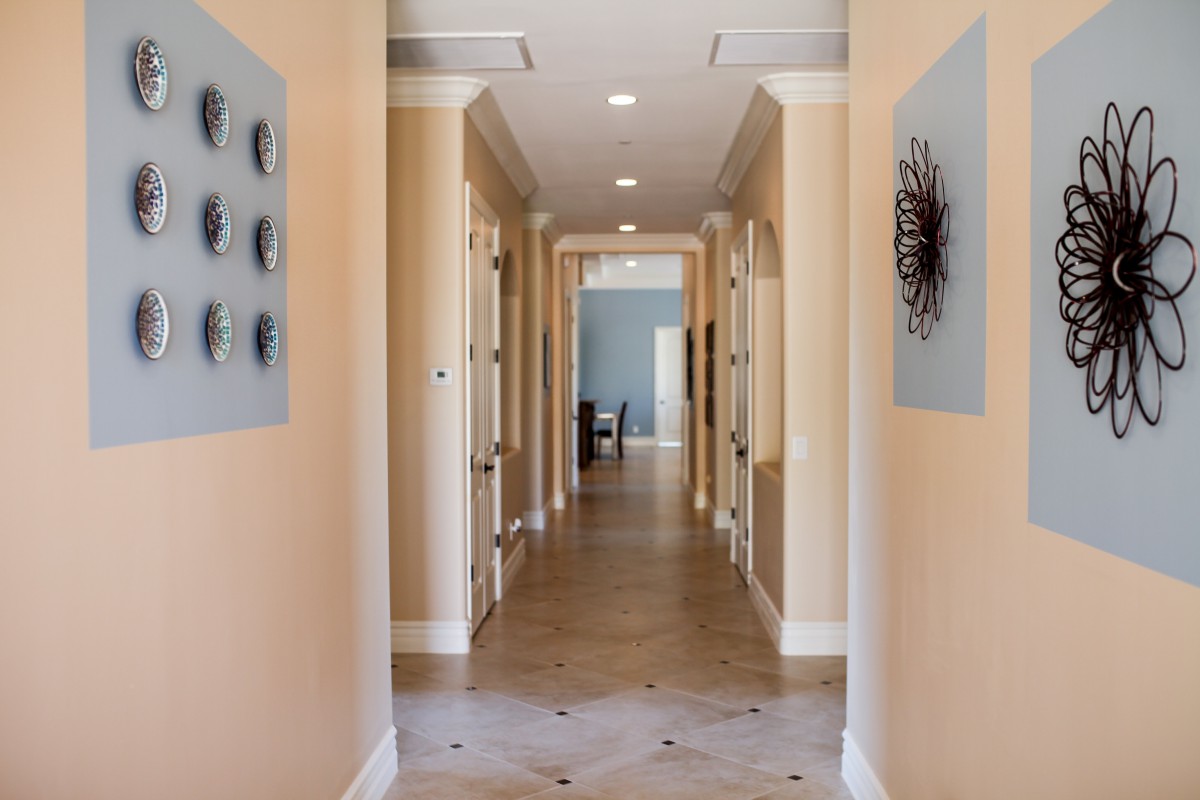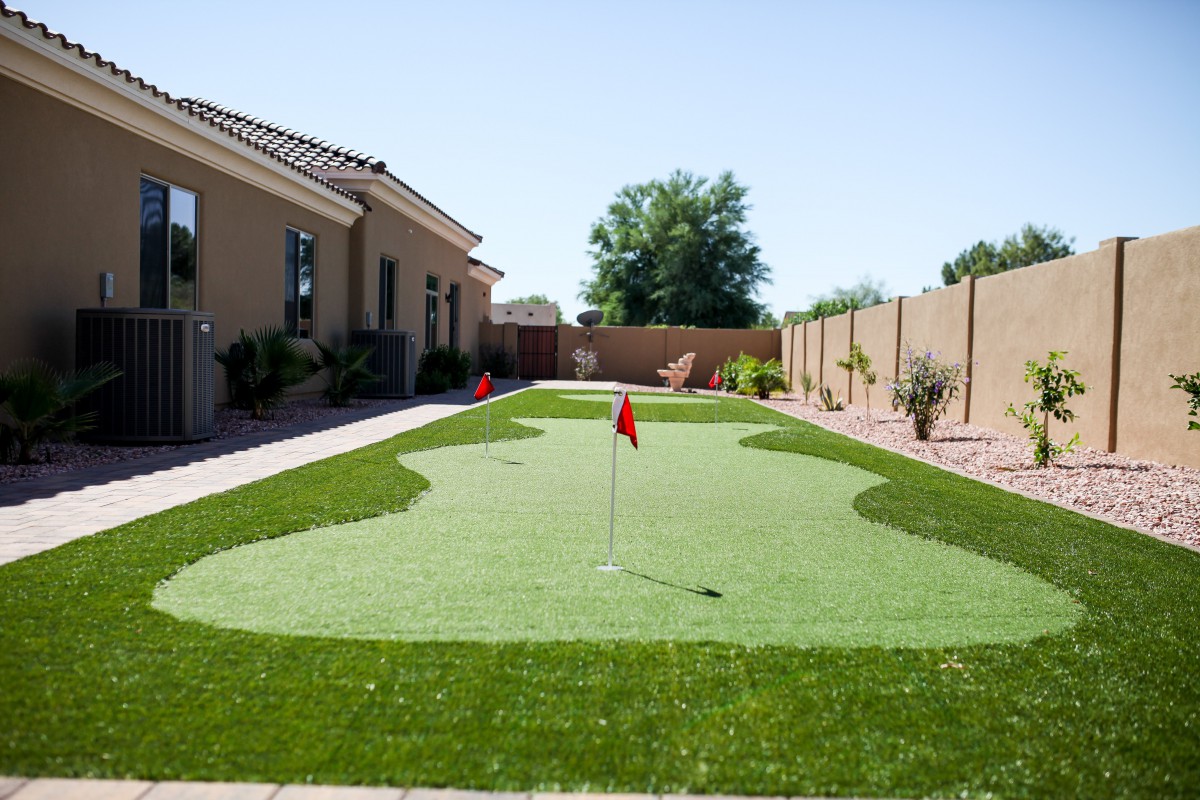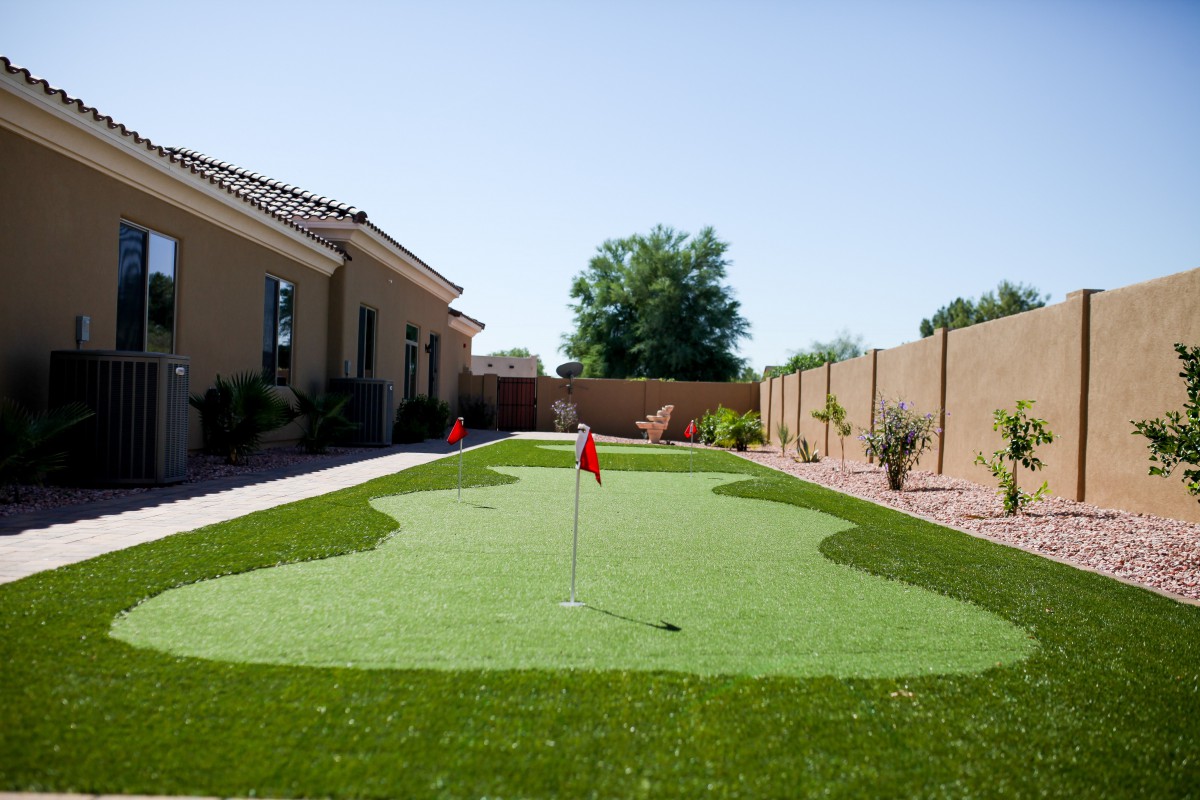


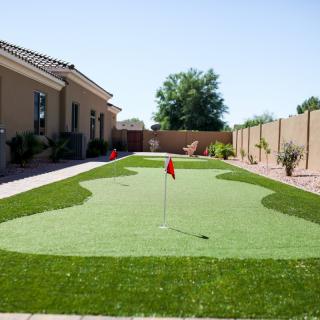
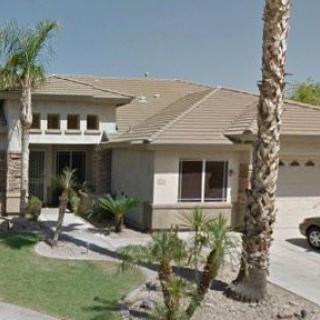
23430 North 89Th Avenue, Peoria, AZ 85383
For more information about senior living options: (866) 208-4318
American Assisted Living Home Costs & Pricing
At American Assisted Living Home, the monthly cost for a private room is set at $3,500, which positions it slightly above the average rates in both Maricopa County and the broader state of Arizona. In comparison, Maricopa County residents typically pay around $3,318 per month for similar accommodations, while the statewide average hovers around $3,345. While American Assisted Living Home's pricing may be marginally higher, it reflects a commitment to providing quality care and personalized services that cater to the unique needs of its residents. This investment can be seen as a pathway to enhanced comfort and support for individuals seeking a nurturing assisted living environment.
| Floor plans | American Assisted Living Home | Maricopa County | Arizona |
|---|---|---|---|
| Private | $3,500 | $3,318 | $3,345 |
Memory care communities with a similar price nearby
-
from -$500 / mo
Desert Garden Senior Living
$3,000 to $3,500 / month24.0 miles away -
from -$500 / mo
Horizon Assisted Living
$3,000 / month2.7 miles away -
from +$500 / mo
Quail Manor Assisted Living
$4,000 to $4,900 / month6.6 miles away -
About the same

The Inn Assisted Living & Memory Care
$3,560 to $5,210 / month6.1 miles away -
from +$200 / mo
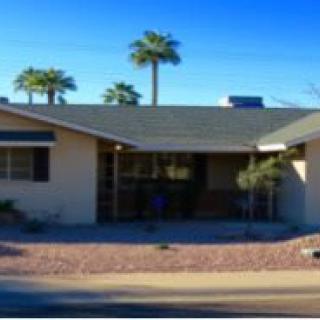
Hazelwood Manor
$3,700 / month24.1 miles away
Overall Review of American Assisted Living Home
Pros
 The reviewer describes Sara and her team as professional, courteous, and caring toward Sylvia.
- The care afforded to Sylvia is described as exceptional, to the point that words cannot describe it.
- The reviewer strongly recommends Sara and the staff at American Assisted.
Review
American Assisted Living Home in Peoria is best suited for families seeking a small, tightly run care setting where a devoted team delivers consistently warm and professional daily support for an aging loved one who needs assistance with routine activities and ongoing monitoring. The community’s core strength is its caregiving culture: staff are described as professional, courteous, and genuinely caring, creating a trustworthy environment where residents receive steady, hands-on help rather than impersonal care. That consistency and personal attention can translate into real peace of mind for families who want caregivers who know their loved one well and respond with immediacy and respect.
Those evaluating alternatives should consider that this option shines most in intimate, level-of-care experiences rather than in facilities with broad medical ecosystems. If a resident requires extensive on-site medical oversight, aggressive rehabilitation programs, or a facility-wide menu of specialized services, other communities may deliver more robust clinical support. Similarly, families prioritizing highly flexible or expansive visitation policies may find that larger settings or different ownership models better accommodate open, frequent in-person involvement. In short, the community is a strong fit when the priority is compassionate daily caregiving in a smaller, more personal environment.
The key positives center on the caregiving team's quality and demeanor. The staff’s professionalism, courtesy, and evident care translate into dependable daily routines, timely assistance with activities of daily living, and clear, respectful communication with family members about the resident’s status and needs. This combination builds trust and reduces the anxiety that can come with aging in place, especially for families who value a familiar, steady presence rather than a rotating cast of aides. The emotional tenor is one of reassurance: a resident is treated with dignity, and relatives feel confident in the level of attention provided.
A noticeable con in the reviews is the impact of visitation restrictions on the experience. While not a reflection on day-to-day caregiving quality, limited family access can affect how involved loved ones feel and how seamlessly family members can participate in care decisions. Still, the strength of the on-site team, their consistency, responsiveness, and compassionate handling of daily care, serves to offset this drawback for many families. The overall impression is that high-caliber caregiving can compensate for a lack of constant in-person presence, with the caveat that family involvement remains a valued and often necessary element of satisfaction.
Practical decision-making guidance centers on aligning the setting with specific needs. Prospective families should inquire about staff-to-resident ratios during peak times, escalation procedures for health changes, and the formal avenues for family input into care planning. Clarify what a trial period would look like, how transparent care plans are, and what contingencies exist if medical needs intensify. For residents with complex medical requirements or families seeking broader rehabilitation services, a facility with a larger clinical footprint may be preferable. Conversely, for those who prize steady, compassionate caregiving within a smaller community, this option warrants serious consideration.
In sum, American Assisted Living Home stands out in Peoria for families valuing a trustworthy, person-centered approach to daily care. The caregivers’ professionalism and warmth translate into a reliable daily rhythm that can make day-to-day life safer and more comfortable for a loved one who benefits from attentive support. If the deciding factor is the depth of human connection and dependable caregiving in a small, homey setting, this community delivers with evident strength. If the priority leans toward extensive on-site medical services or maximum flexibility around family access, explore alternatives that emphasize broader clinical resources or different visitation models. For the right match, the evaluation suggests this community can be a very solid, confidence-boosting choice.
 10 resident community capacity
 Assisted Living
 Board and Care Home
 Memory Care
 Respite Care
 Activities on-site
 Air-conditioning
 Bath tubs
 Cable or satellite TV
 Devotional services off-site
 Dining room
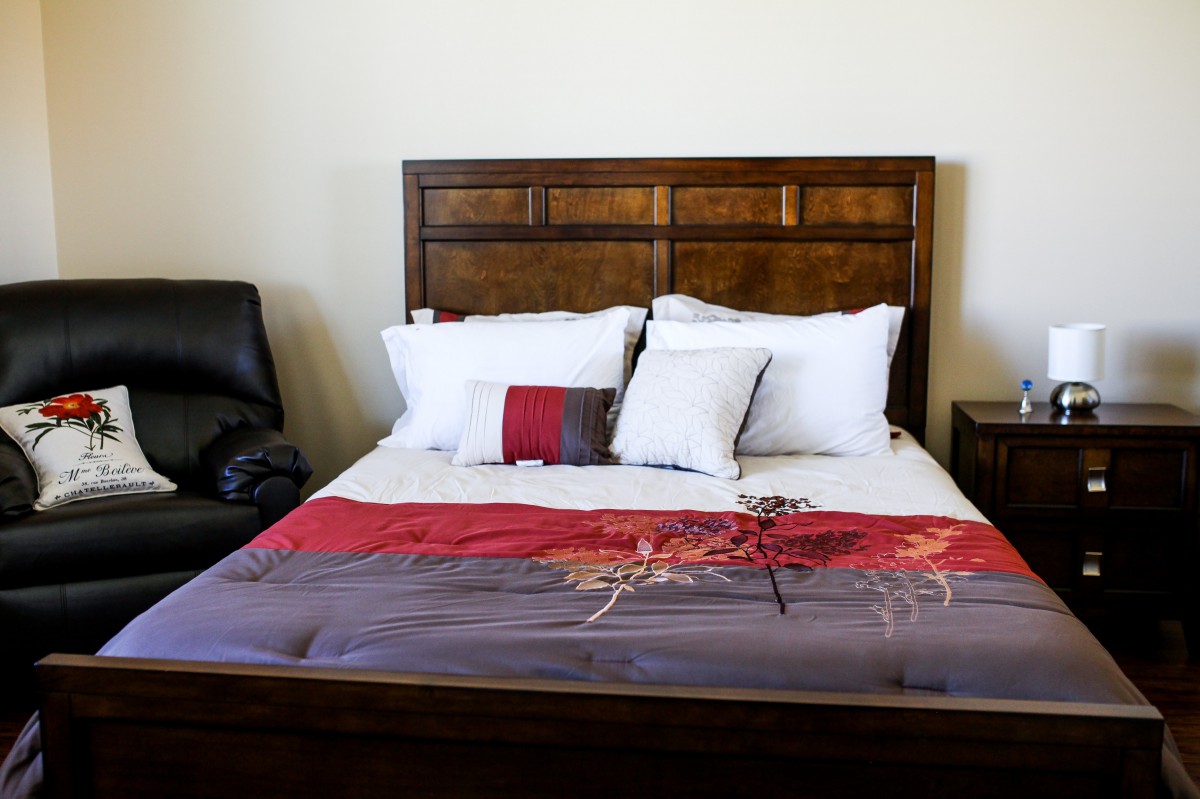
 Fully furnished
 Garden
 Ground floor units
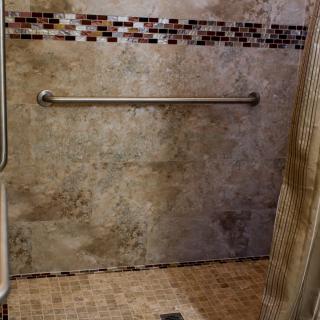
 Handicap accessible
 Housekeeping services
 Indoor common areas
 Move-in coordination
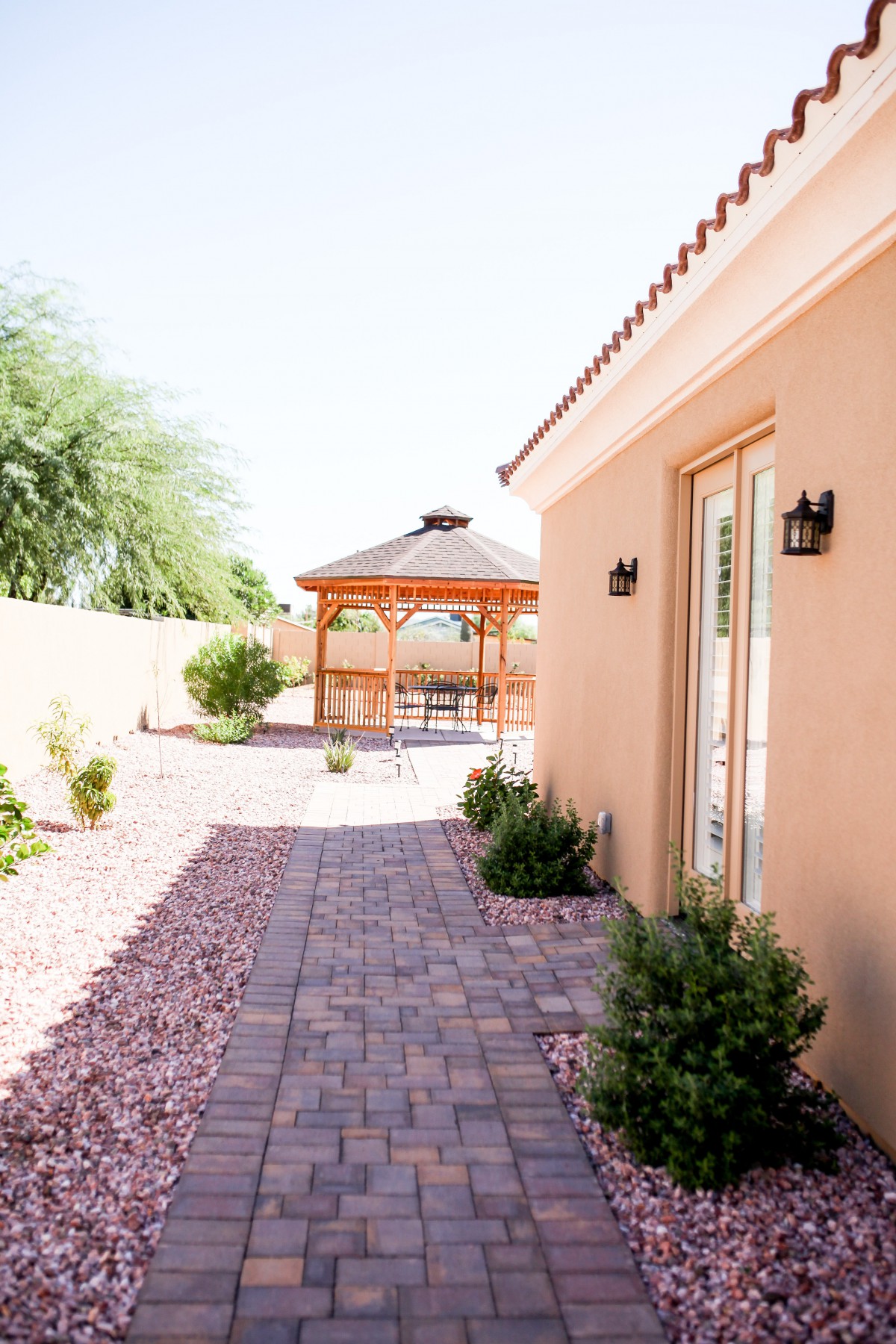
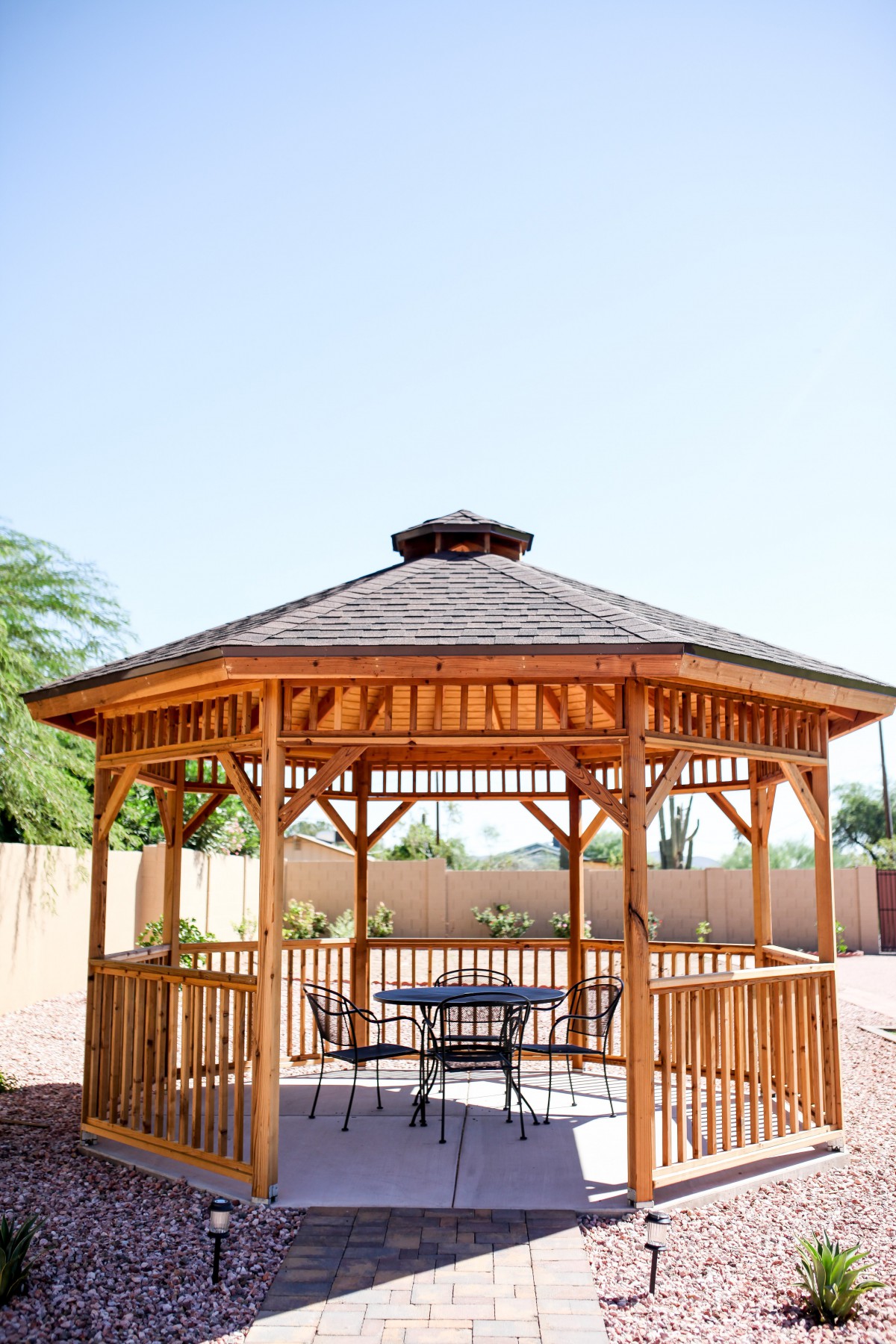
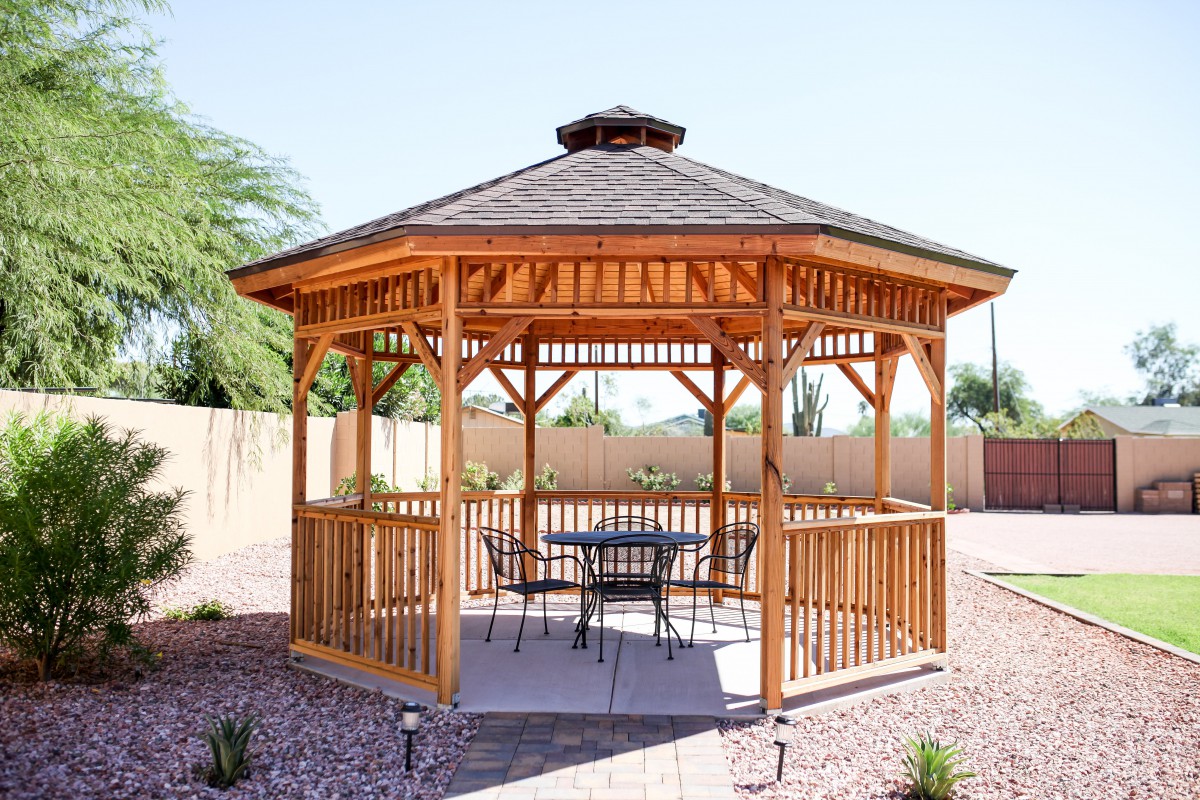
 Outdoor common areas
 Private
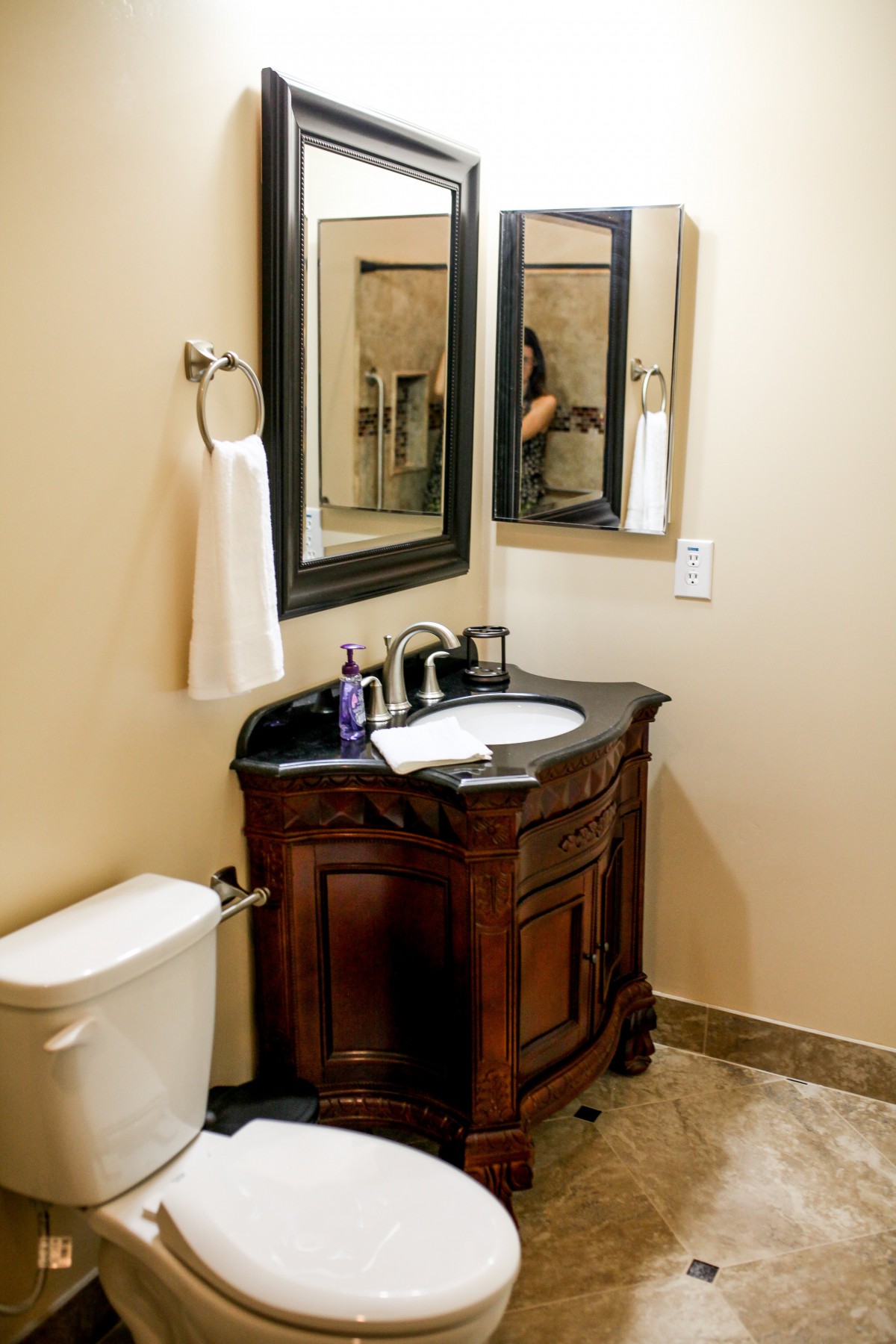
 Private bathrooms
 Telephone
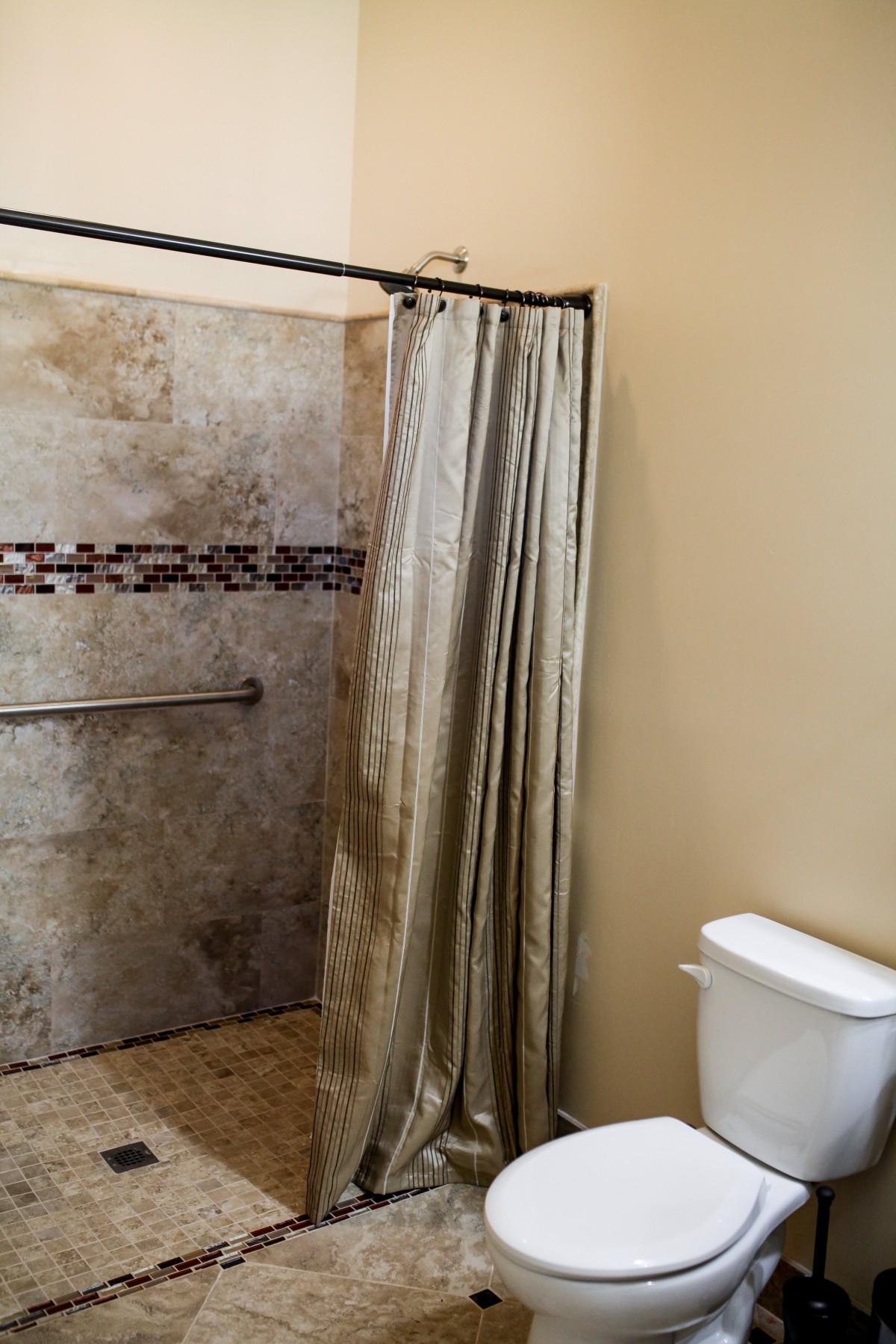
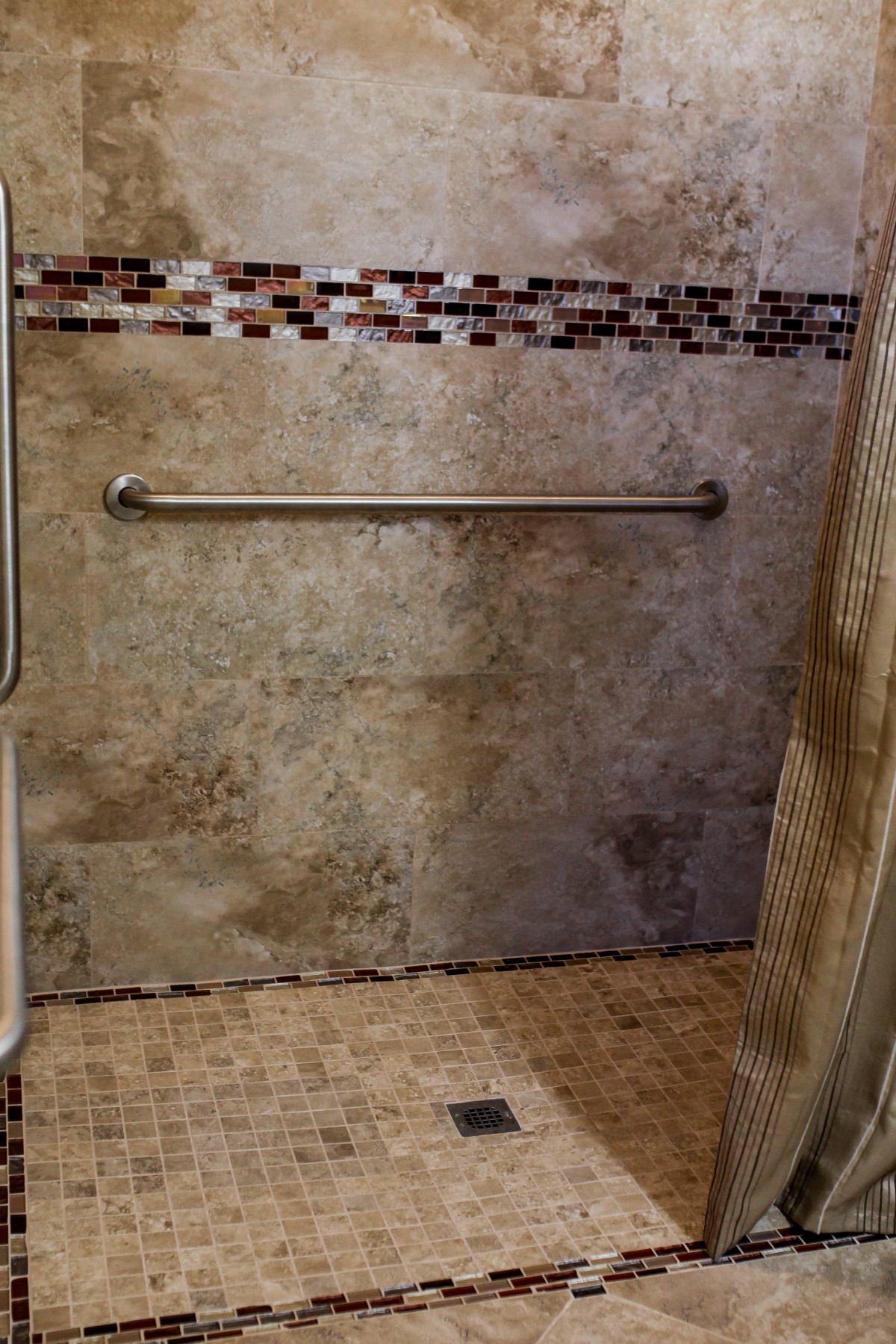
 Wheelchair accessible showers
 Wi-Fi/high-speed internet available
 Phoenix Sky Harbor International (23 miles away)
 24-hour supervision
 Assistance with bathing
 Assistance with dressing
 Assistance with transfers
 Diabetes diet
 Diabetic care
 High acuity care
 Incontinence care
 Meal preparation and service
 Medication management
 Special dietary restrictions
 Transportation arrangement (medical)
 Transportation to doctors appointments
 BBQs or picnics
 Birthday parties
 Live musical performances

 Understanding Dementia Behaviors: Practical Insights and Strategies for Caregivers
 When Dementia Sparks Anger and Aggression: Understanding the Connection and Ways to Cope
 Dementia Behaviors: In-Depth Understanding and Effective Coping Strategies