
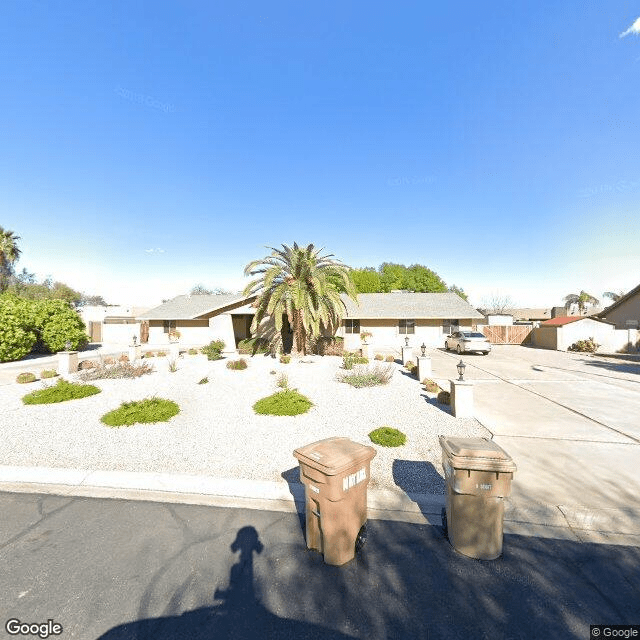
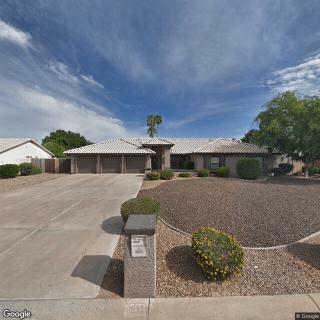
23161 N. 87th Drive, Peoria, AZ 85383
To contact a resident: (602) 978-1393
For more information about senior living options: (866) 208-4318
White Dove at Sunrise Mountain Costs & Pricing
At White Dove at Sunrise Mountain, the monthly costs for accommodation reflect both the quality of care and the value offered within a competitive market. The cost for a semi-private room is set at $3,000, which is higher than the Maricopa County average of $2,801 and Arizona's state average of $2,820. Similarly, the private room option is priced at $3,200; this is slightly below the average rate in Maricopa County ($3,318) but remains consistent with Arizona's overall average ($3,345). These pricing structures indicate that while White Dove at Sunrise Mountain may be positioned above some local benchmarks for semi-private accommodations, its private room offer presents a more attractive alternative in comparison to broader county trends. Overall, these rates suggest a commitment to providing exceptional care tailored to individual needs while ensuring that residents receive value on their investment in long-term living arrangements.
| Floor plans | White Dove at Sunrise Mountain | Maricopa County | Arizona |
|---|---|---|---|
| Semi-Private | $3,000 | $2,801 | $2,820 |
| Private | $3,200 | $3,318 | $3,345 |
Senior living communities with a similar price nearby
-
from -$200 / mo
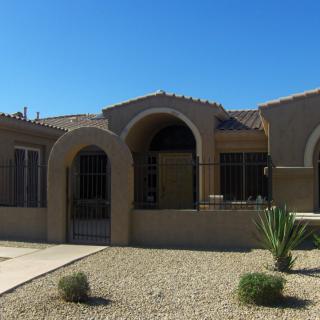
Pinnacle Peak Assisted Living
$2,800 to $3,100 / month19.4 miles away -
from +$500 / mo
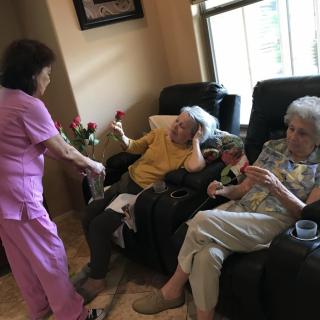
A Paradise for Parents Campbell Avenue
$3,500 to $4,500 / month15.5 miles away -
About the same
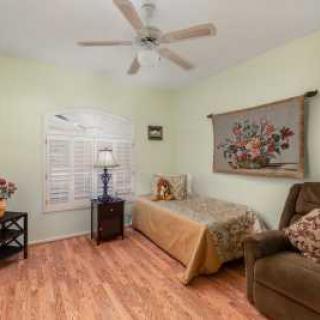
Endeavor AL I
$2,950 to $4,200 / month15.9 miles away -
from +$500 / mo
Endeavor AL II
$3,500 to $4,000 / month16.6 miles away -
from -$100 / mo
Royal Paradise Care
$2,900 to $3,800 / month7.8 miles away
Overall Review of White Dove at Sunrise Mountain
Pros
 The care home is clean.
- The people on the tour were nice.
Cons
 They did not like that residents shared a restroom.
- That arrangement would not work for them.
Review
White Dove at Sunrise Mountain in Peoria, AZ is best suited for seniors who prize a clean, home-like environment with attentive, approachable staff and a small-community feel. The lone reviewer pointed to a pristine setting and pleasant interactions during tours, suggesting a level of personal warmth and ease that less formal or larger campuses may not deliver. This community appears to work well for residents who value daily familiarity, straightforward routines, and the reassurance that comes with a tight-knit team knowing their preferences.
Those considering alternatives should note who may not be a perfect fit. Residents who require private en suite bathrooms or who need a higher degree of privacy and personal space may want to explore other options. Families seeking a more campus-like atmosphere with broader programming, more extensive medical support, or larger resident populations might prefer a facility with bigger common areas, more diversified activity schedules, or dedicated memory-care wings. For individuals with significant care needs or those pursuing enhanced autonomy in private living spaces, alternatives may offer a better alignment with expectations.
The primary advantages here revolve around cleanliness, staff approachability, and the intimate, “care-home” ambiance. A clean, well-maintained environment reduces daily stress and fosters a sense of safety, which matters greatly to families and residents alike. Pleasant interactions with staff during tours hint at responsive, neighborly care, where staff are available and approachable. In a small, home-like setting, residents can benefit from closer monitoring, quicker adjustments to routines, and a sense of belonging within a familiar household rhythm. These positives create a solid foundation for daily comfort and peace of mind for families prioritizing reliable, personable care.
Yet the main drawback, shared restrooms, is nontrivial and will color the decision for many. The shared-bathroom arrangement directly affects privacy and daily convenience, and for residents who value or require private facilities, this will be a decisive fault. The review makes clear that this particular aspect would not work for the reviewer, signaling that privacy-centric families may want to push for alternatives or confirm whether private bathroom options exist. Beyond this, the limited detail available leaves questions about dining variety, activity programming, transportation, safety features, and the level of on-site medical oversight unanswered; those factors can tip the balance for families weighing broader care needs.
For families navigating choices, the practical steps are clear. Schedule a thorough re-visit focusing on bathroom logistics, whether any rooms offer private baths, the schedule for shared facilities, and any possible accommodations. Ask about staff ratios, response times, and how care planning is conducted day-to-day. Seek specifics on meals, activity calendars, transportation options, and whether medical staff or visiting clinicians can address ongoing health concerns. It’s essential to align expectations with the resident’s routines, sleep patterns, and privacy preferences, and to verify what happens when more intensive care needs arise.
In the end, White Dove at Sunrise Mountain presents a practical, trustworthy option for a particular slice of seniors: those who prioritize cleanliness, a friendly, attentive staff, and a cozy, home-like atmosphere over private living spaces. The best fit is a resident who is comfortable with shared bathrooms and values a more intimate setting where staff know names and routines and can respond quickly. For families where privacy, private bathrooms, or extensive on-site medical programming take precedence, it makes sense to pursue alternatives and compare options that align more closely with those nonnegotiables. Confidence in clean facilities and approachable caregivers is strong here; the decision rests on the comfort level with shared facilities and the desire for a smaller, more personal care environment.
 Board and Care Home
 Dogs allowed
 Activities off-site
 Beautician on-site
 Devotional services off-site
 Indoor common areas
 Outdoor common areas
 Private
 Private bathrooms
 Wheelchair accessible showers
 Phoenix Sky Harbor International (23 miles away)
 Diabetic care
 High acuity care
 Incontinence care
 Medication management
 Kosher
 Exploring the World of Home Health Nurses: Qualifications, Roles, and Hiring Tips
 Navigating Medicare Coverage for In-Home Care Services
 In-Home Care Costs in 2025: A Detailed State-by-State Exploration