
23615 North 105Th Drive, Peoria, AZ 85383
For more information about senior living options: (866) 208-4318
Desert Joy Assisted Living Costs & Pricing
Desert Joy Assisted Living presents a competitive pricing structure for its private room accommodations, with monthly costs set at $4,000. This figure is notably higher than the average rates in Maricopa County, which stand at approximately $3,318, and the broader state average of around $3,345 for similar services. While Desert Joy's prices may exceed these local benchmarks, they reflect the facility's commitment to providing enhanced amenities and personalized care that cater to the unique needs of its residents. Prospective clients can expect an exceptional standard of living and support that justifies the premium cost in comparison to surrounding options.
| Floor plans | Desert Joy Assisted Living | Maricopa County | Arizona |
|---|---|---|---|
| Private | $4,000 | $3,318 | $3,345 |
Assisted Living communities with a similar price nearby
-
from -$160 / mo

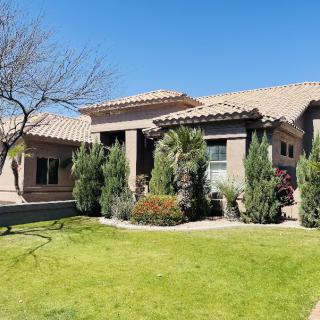
Elite Senior Living
$3,840 to $4,992 / month10.7 miles away -
from -$500 / mo
The Greenway Manor II
$3,500 to $4,000 / month19.8 miles away -
from -$500 / mo
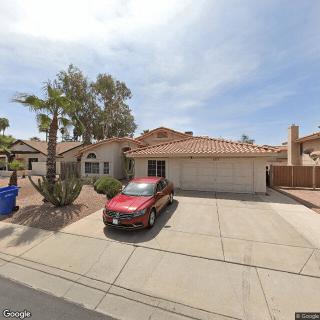
Diamond Quality Assisted Living Care Home
$3,500 to $4,500 / month20.2 miles away -
About the same
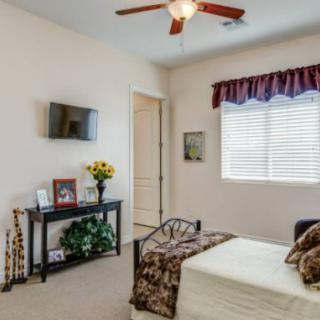
Quail Manor Assisted Living
$4,000 to $4,900 / month7.8 miles away -
from -$440 / mo

The Inn Assisted Living & Memory Care
$3,560 to $5,210 / month6.4 miles away
Overall Review of Desert Joy Assisted Living
Pros
 Desert Joy Assisted Living is beautiful, homely, and cared for by a truly loving and compassionate family.
- It feels like a home, not a hospital, with Monica and Cory treating residents like family.
- Monica and her team provide loving support and genuinely care for both residents and their families.
- Desert Joy is regarded as the best place for loved ones, with Monica and her family becoming part of the residents’ family.
- Monica and the staff go above and beyond to help with logistics and care.
- Residents are treated like family, receiving attentive, individualized care.
- Medical needs are promptly addressed, and residents enjoy freedom in a supportive environment.
- The facility is filled with kindness and love, making it a welcoming home.
Review
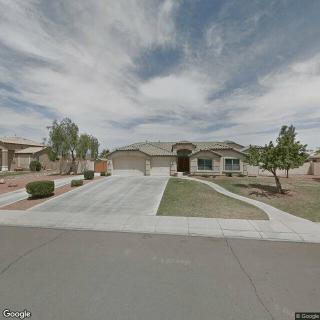
Desert Joy Assisted Living in Peoria is best suited for seniors and families who prioritize a warm, home-like atmosphere over a hospital feel. The community shines when care comes from a tightly knit, family-centered operation led by Monica Rus and her relatives. It is the kind of place where residents are treated as if they are part of a larger family, with intimate daily routines, personal attention, and a setting that feels domestic rather than institutional. For families who want to see their loved ones thriving in a space where staff and operators become trusted caregivers rather than distant administrators, Desert Joy becomes an emotionally compelling fit. The environment, beautiful, sunny patios, a small outdoor world with goats, a golf green, and easy outdoor access, cultivates comfort, familiarity, and a sense of belonging that can be hard to find in larger facilities.
That said, there are clear reasons to consider alternatives. For elders who require robust, round-the-clock medical oversight, specialized memory care, or a level of clinical sophistication typical of larger campuses, Desert Joy may fall short of those needs. The reviews describe a setting that prioritizes tenderness, personal interaction, and family-style caregiving more than clinical intensity or programmatic breadth. Families seeking extensive on-site nursing teams, broad activity calendars, or formal dementia programs should look at larger, more structured communities. Desert Joy’s strength lies in relationship-driven care, not in delivering the comprehensive medical infrastructure some alternatives offer.
The strongest pros center on the human connection and the sense of home. Caregivers at Desert Joy are repeatedly described as family members, Monica and her team become part of the resident’s daily life, with clinicians and aides who know each person personally. Families report that staff are loving, compassionate, and deeply committed, to the point of offering comfort during challenging moments and even attending hospital visits to support loved ones through difficult times. The care philosophy emphasizes independence within a nurturing framework, residents move about freely, eat well, stay clean and well-groomed, and enjoy a simple, unrushed daily rhythm. The outdoor spaces, the goats, a putt-putt-like golf area, and music all reinforce a setting where life continues with warmth and dignity.
These personal strengths offset several potential drawbacks by creating a reliable emotional and logistical support system. The reviews consistently highlight adaptability and responsiveness: when family members are traveling or coordinating through long distances, Desert Joy’s leadership steps in to smooth out arrangements, and the principal caregivers “bend over backwards” to help with logistics. The “home,” not “facility” feel translates into flexible scheduling, visible engagement, and a sense that the staff know families by name and context. In practice, this means more consistent reassurance for loved ones who cannot be present every day, and a level of continuity that can be more comforting than the most polished, but impersonal, larger facility.
Despite the strong positives, the core trade-off remains: Desert Joy is a small, intimate operation rather than a large, clinically oriented campus. For decision-makers, this translates into clear expectations about medical resources, program breadth, and oversight. Pros offset cons when families value emotional security, bespoke care plans, and rapid, personal problem-solving. Cons might surface if a resident’s needs evolve toward more complex medical management or if travel or staffing gaps occur in moments of high demand. However, the consistent message across multiple testimonials is that Monica and her team compensate through deep, ongoing involvement, flexible problem-solving, and a sense of family that most traditional facilities struggle to match.
For families weighing the next steps, a rigorous on-site assessment is essential. Prioritize meeting Monica and the caregiving team, spending time with current residents, and asking for recent examples of how care plans are adjusted to changing needs. Probe how medical oversight works in practice, what level of on-site nursing exists, and how memory-related care is approached if it becomes necessary. Clarify the daily schedule, activity options, and how family members are invited to participate in care decisions. The overarching recommendation is to pursue Desert Joy if the priority is a humane, love-filled home environment with responsive, personalized care, and to consider alternatives if the decision hinges on scale, formal clinical protocols, or specialized memory care programs.
In sum, Desert Joy Assisted Living stands out in Peoria for families who value a heartfelt, family-centric approach to elder care, where care providers become extensions of the family and the home environment supports dignity, mobility, and emotional well-being. It is a compelling, credible option for those who want to minimize the clinical distance between staff and residents while maximizing warmth, compassion, and individualized attention. For seniors who thrive on this model and for families ready to invest in a deeply personal support system, Desert Joy offers a remarkably strong fit. For those whose priorities lean toward medical complexity, broad programming, or institutional polish, it remains prudent to explore alternatives and compare the level of clinical resources before committing.
 5 resident community capacity
 Assisted Living
 Board and Care Home
 Activities off-site
 Bath tubs
 Beautician on-site
 Cable or satellite TV
 Devotional services off-site
 Dining room
 Fully furnished
 Garden
 Housekeeping services
 Indoor common areas
 Move-in coordination
 Outdoor common areas
 Private
 Private bathrooms
 Respite or short term stays offered
 Telephone
 Wheelchair accessible showers
 Wi-Fi/high-speed internet available
 Phoenix Sky Harbor International (24 miles away)
 24-hour supervision
 Ambulatory care
 Assistance with bathing
 Assistance with dressing
 Assistance with transfers
 Diabetes diet
 Diabetic care
 High acuity care
 Incontinence care
 Meal preparation and service
 Medication management
 Special dietary restrictions
 Transportation arrangement (medical)
 Transportation to doctors appointments
 Christian services


 Funding and Affording Assisted Living: A Thorough Overview
 Assisted Living Expenses and Long-Term Care Insurance: A Comprehensive Exploration
 Securing Financial Support for Assisted Living: A Comprehensive Overview